Plizio Visual Lab
Ruins of Munigua
Weather…
Water temperature…
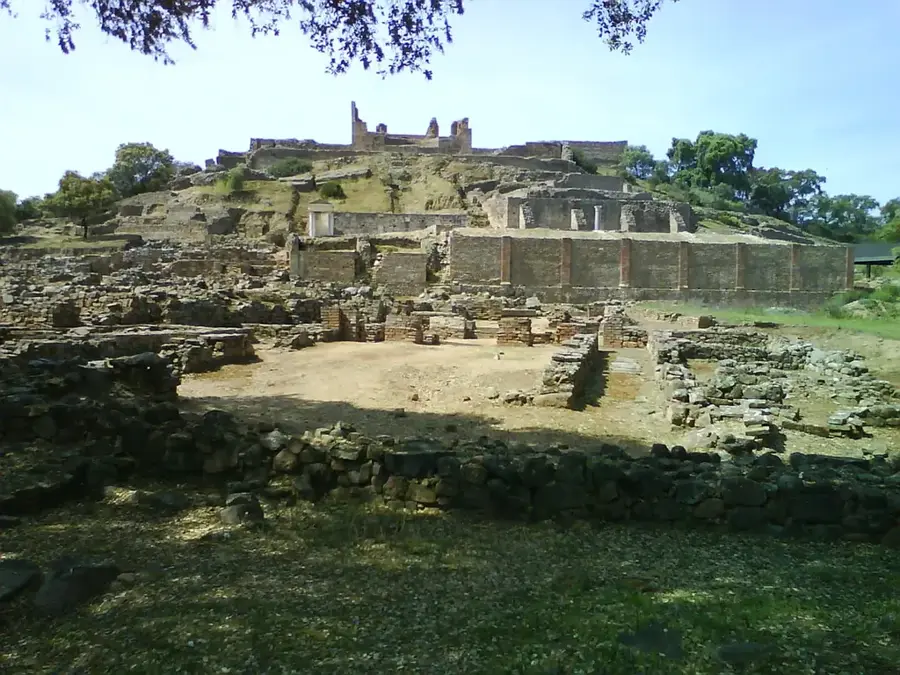
The ruins of Munigua, also known as Mulva-Munigua, are located near Villanueva del Río y Minas in the province of Seville and represent a unique example of Roman terraced architecture in Spain. The city was founded in the 1st century BC and flourished until the 3rd century AD, with its wealth primarily based on copper and iron mining in the region. The site's most distinctive feature is the monumental terraced sanctuary built into the side of a hill and dedicated to the goddess Fortuna. Unlike typical Roman cities on flat ground, Munigua follows a vertical urban plan adapted to the natural contours of the terrain. In addition to the sanctuary, remains of a forum, a basilica, thermal baths, and a residential district have been preserved. Despite its historical importance, Munigua remained forgotten for a long time until its rediscovery in the 18th century, and today it features a fascinating insight into the religious and economic structure of a Roman mining town.
- Location: Galicia, Spain
- Top sights: Ruinas del Castillo de los Duques de Alba · Iglesia de San Juan Bautista
- Nearby: Carmona (19 km)
Best time to visit & climate
The most pleasant time to visit is May, Jun, Sep.
| Jan | Feb | Mar | Apr | May | Jun | Jul | Aug | Sep | Oct | Nov | Dec | |
|---|---|---|---|---|---|---|---|---|---|---|---|---|
| Avg °C | 9 | 10 | 13 | 16 | 20 | 25 | 29 | 29 | 25 | 19 | 13 | 10 |
| Rain mm | 50 | 51 | 65 | 54 | 31 | 5 | 1 | 4 | 27 | 72 | 71 | 63 |
📋 Practical info
Geography
Facts
- The city was likely founded in the 1st century BC.
- The terraced sanctuary is one of the largest of its kind in Roman Hispania.
- An earthquake in the 3rd century AD triggered the city's decline.
- Munigua was rediscovered in 1756 by two researchers.
- The archaeological site has been studied by the German Archaeological Institute since 1956.
- Remains of mosaics and a frigidarium were found in the thermal baths.
Explore nearby
Notable places around
Route planner — Car & Motorhome
Where do you start? We build the route here, with stops and country notes along the way.
© OpenStreetMap contributors · OpenRouteService
Sights in the town Ruins of Munigua (2)
Sights nearby
Frequently asked questions
What kind of building dominates the hill?
How do you reach the archaeological site?
Why was the city so wealthy?
When was the site abandoned?
Is entrance free?
Ruins of Munigua: where is it located?
Ruins of Munigua: what is there to see?
Ruins of Munigua: when is the best time to visit?
Ruins of Munigua: why is it worth visiting?

Nearby cities
History & landmarks