Patron Saint Festivities of Virgen de Gracia
Annual September celebrations in honor of the city's patron saint.
PlizioGo
A traditional flaky pastry with angel hair filling. Buy it from the local convents or bakeries around Plaza de San Fernando.
Enjoy Iberico ham and local cheeses at the authentic tapas bars clustered around the main square.
A thick, cold tomato and bread soup well-suited for hot days, available in almost all traditional restaurants in the old town.
Carmona produces excellent olive oil; look for specialty shops or local grocery stores to take a bottle home.
Small shops in the historic center sell beautiful Andalusian ceramics and pottery.
A traditional local anise liqueur, great as a digestif or a unique souvenir.
Now a Parador, the terraces and courtyards offer peaceful spots to admire the plains of the Vega de Carmona.
A tranquil tree-lined promenade well-suited for a relaxing stroll away from the tourist paths.
Water temperature…
Annual September celebrations in honor of the city's patron saint.
A traditional September pilgrimage commemorating the Christian conquest of the city.
A traditional Andalusian fair in May with flamenco, horses, and local gastronomy.
Solemn processions through the historic streets of Carmona before Easter.
A lively annual festival in February featuring colorful costumes, music, and street parties.
Traditional festive parade in January where the Three Kings distribute sweets to children.
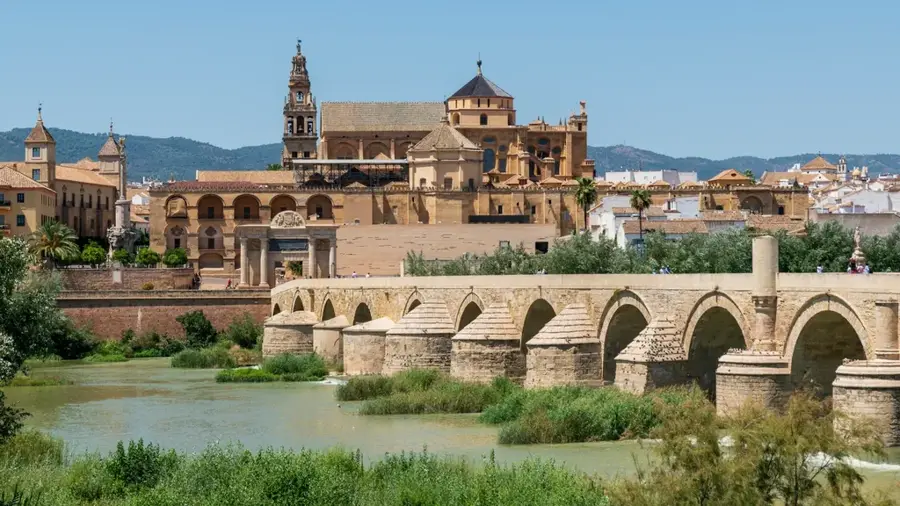
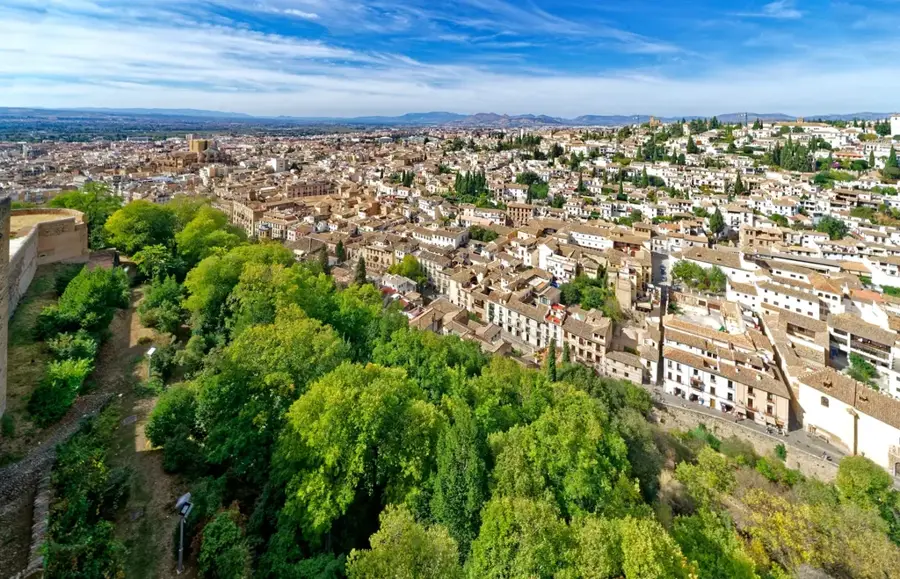
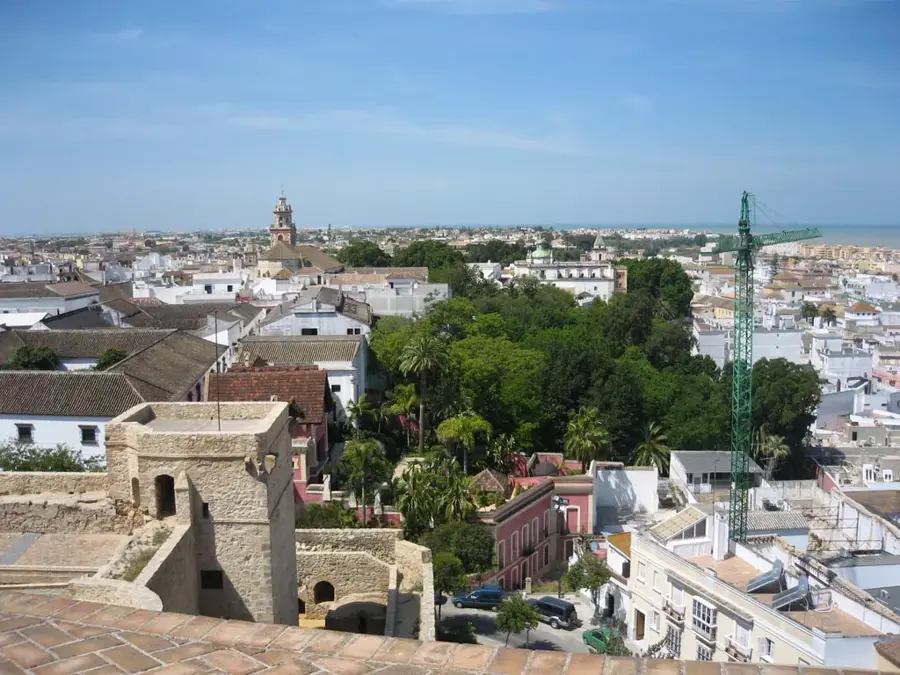
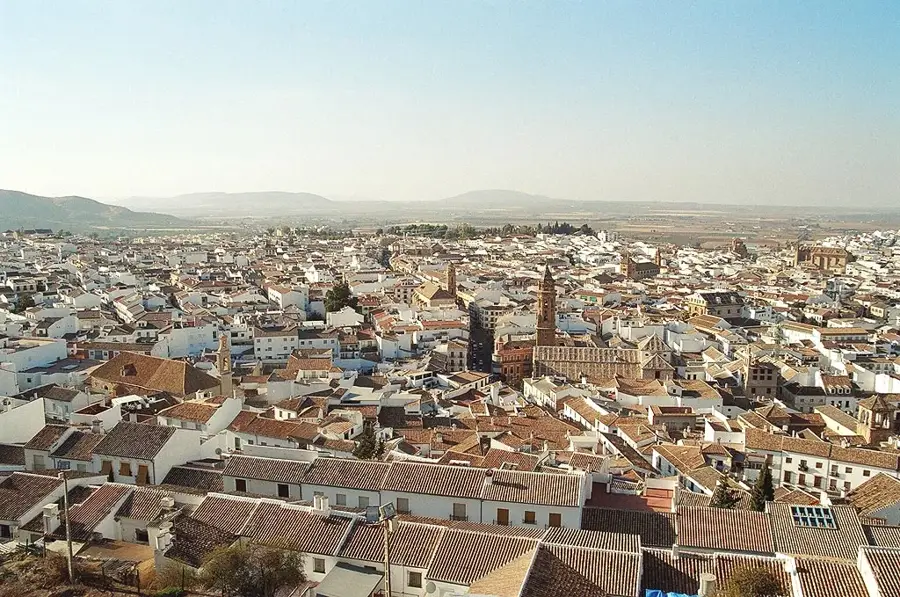
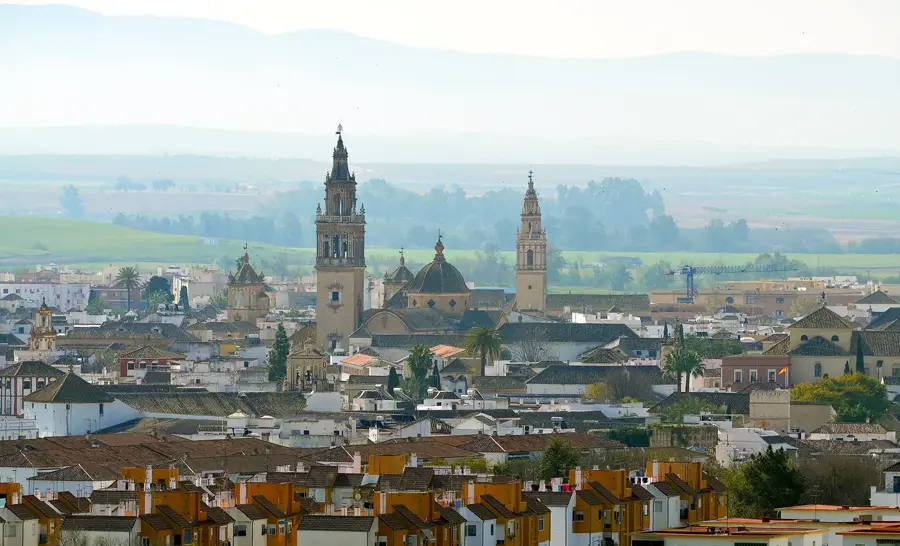
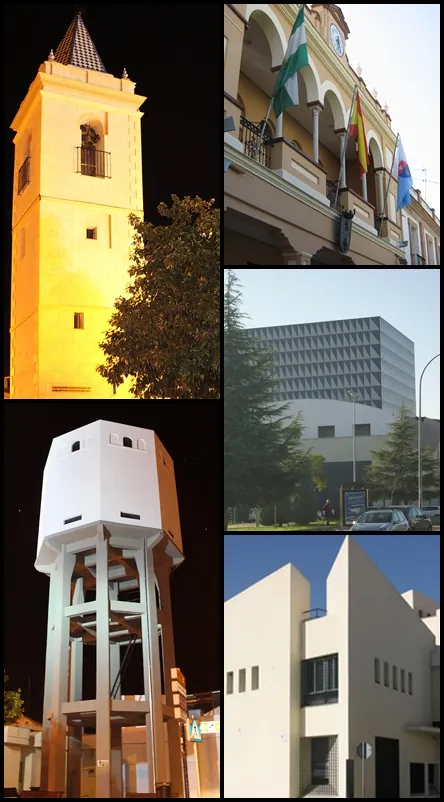
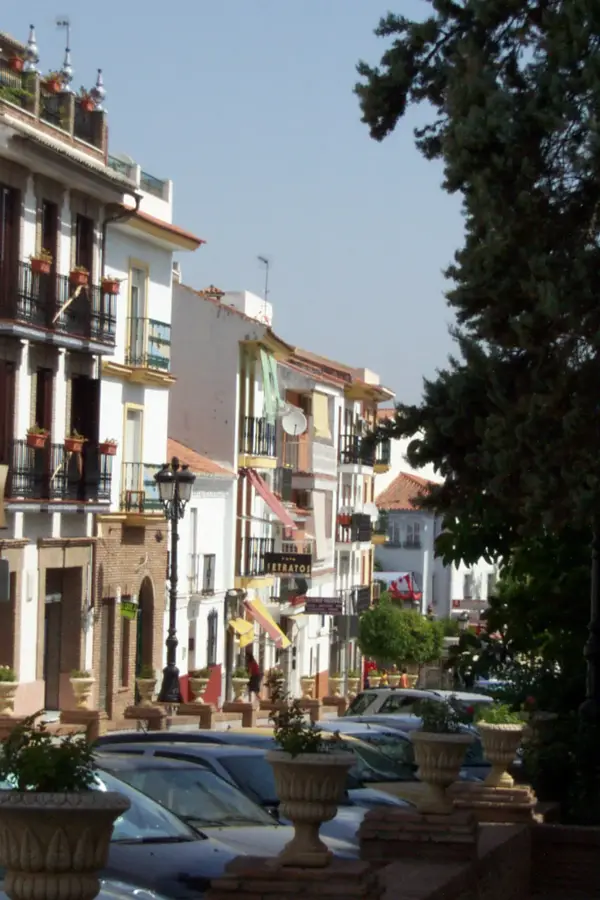
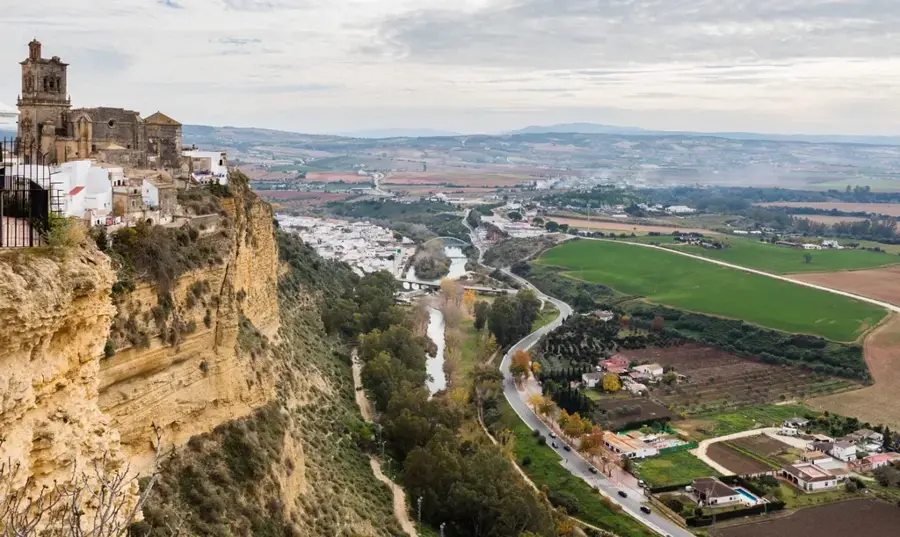
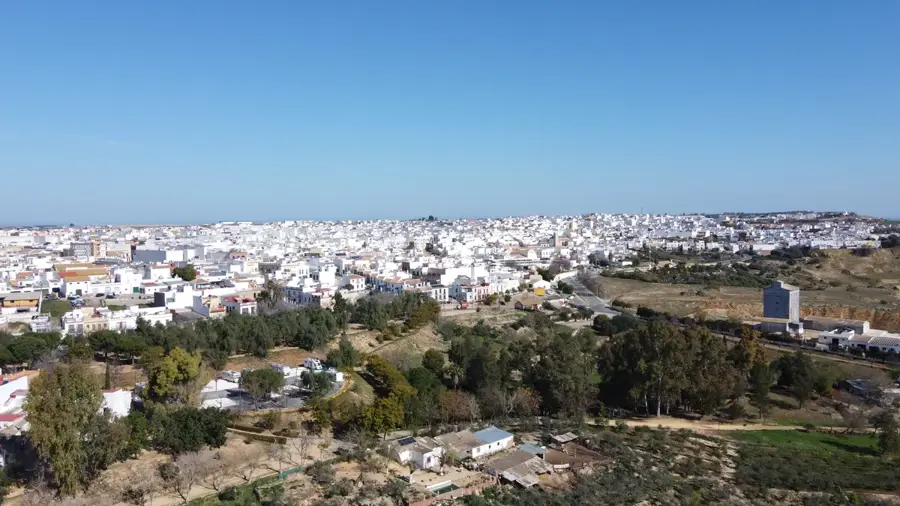
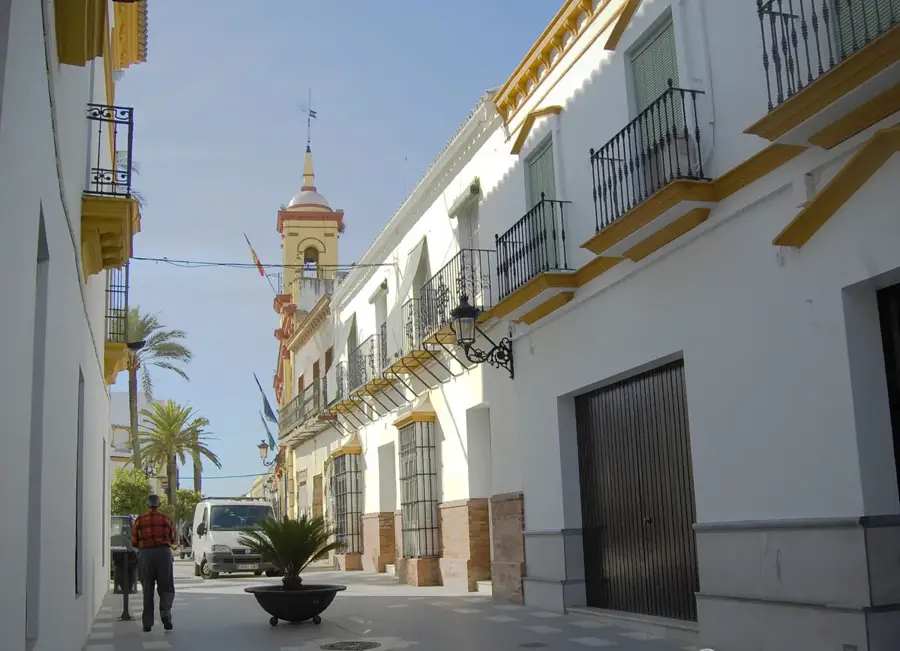
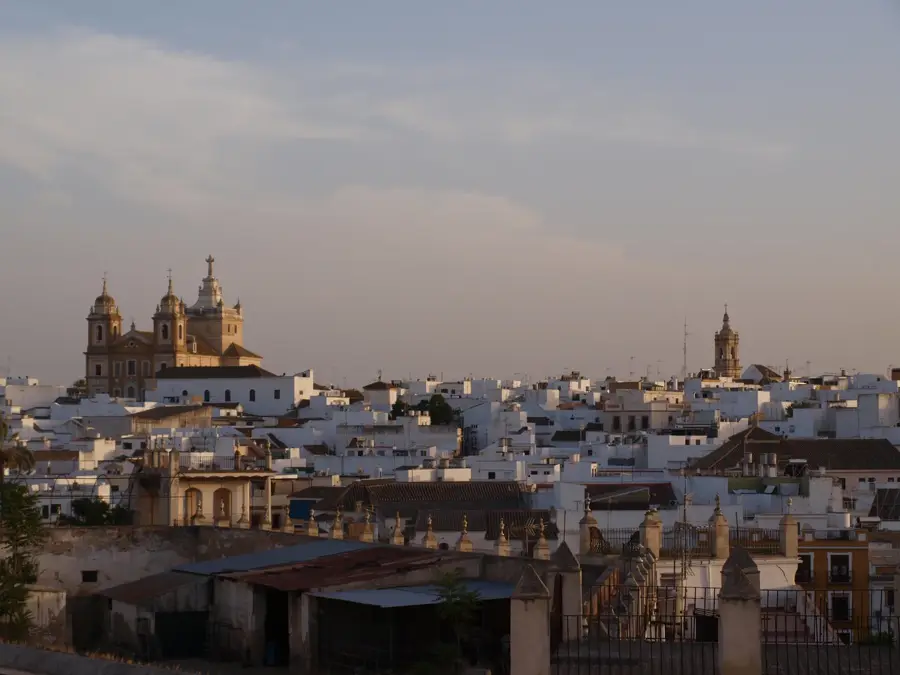
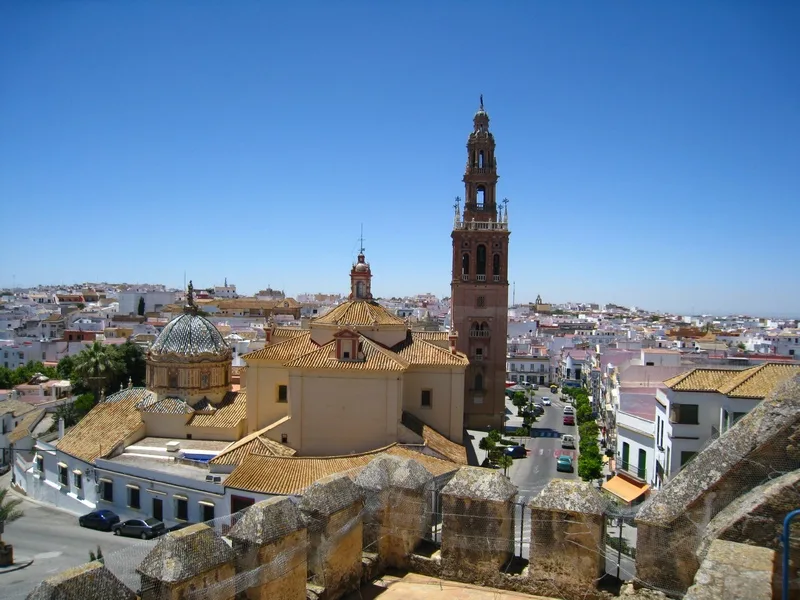
Carmona is one of Andalusia's oldest and most impressive towns, perched on a ridge overlooking the vast plains of the Guadalquivir valley. Its strategic importance dates back to Phoenician times, though its Roman legacy is most prominent. The Puerta de Sevilla is a massive fortress-gate that still guards the entrance to the old town. Just outside the walls lies the Roman Necropolis, one of Spain's most important archaeological sites, featuring hundreds of tombs and a small museum. The town center is a beautiful maze of white-washed streets, Mudéjar towers, and Renaissance mansions. At the highest point stands the Alcázar del Rey Don Pedro, a former fortress turned into a luxury Parador hotel, offering sweeping views of the Andalusian countryside. Carmona manages to feel grand and historical yet remains a peaceful retreat just 30 kilometers from Seville.
The most pleasant time to visit is May, Jun, Sep.
| Jan | Feb | Mar | Apr | May | Jun | Jul | Aug | Sep | Oct | Nov | Dec | |
|---|---|---|---|---|---|---|---|---|---|---|---|---|
| Avg °C | 9 | 10 | 13 | 16 | 20 | 25 | 29 | 29 | 25 | 19 | 13 | 10 |
| Rain mm | 50 | 51 | 65 | 54 | 31 | 5 | 1 | 4 | 27 | 72 | 71 | 63 |
Notable places around
Where do you start? We build the route here, with stops and country notes along the way.
© OpenStreetMap contributors · OpenRouteService
Carmona is one of the oldest cities in Europe. Start your day at the impressive Roman Necropolis before entering the town through the massive Puerta de Sevilla. At noon, explore the local market and the Gothic Santa María church. The afternoon leads you through the City Museum and to the Santa Clara convent, where you can try sweet pastries. Finish at the Alcázar del Rey Don Pedro, where you can admire the sunset over the Andalusian plain.
A rainy day in Carmona is the perfect excuse to dive into its indoor treasures. Start sheltered at the Necropolis museum, then move to the sturdy Alcázar de la Puerta de Sevilla. At noon, the covered market provides a dry spot for local flavors. Spend the afternoon in the city's museums and churches, finishing the day with a cozy evening at the Parador overlooking the misty plains.
Winter days in Carmona are bright and crisp. The morning at the Necropolis starts with cool, clear air. At noon, the Andalusian sun warms the Plaza de Abastos and the surrounding alleys. With sunset around 6:00 PM, use the afternoon for museums and churches. The evening culminates with a spectacular golden sunset from the Alcázar del Rey Don Pedro.
Explore Carmona by bike, from the ancient necropolis to the highest fortress.
Cycling in Carmona during rain requires caution on the cobblestones. The morning leads to the Necropolis on paved roads. At noon, we find shelter under the arches of Puerta de Sevilla. The afternoon is calmer with museum visits while bikes are safely parked. We finish the tour carefully at the Parador.
A winter bike tour offers magnificent wide views. The cool morning breeze to the Necropolis is quickly forgotten with movement. At noon, we soak up the sun in the plaza. In the afternoon, explore the historic gates before arriving at the Parador exactly for sunset to see the golden light over the Vega.
By car, you can comfortably visit the Necropolis and Carmona's various fortresses in a single day.
By car, Carmona is very comfortable in the rain. We drive directly to the Necropolis, parking close to the entrance. Then we head to the old town, where we park and explore the monumental interiors. Short drives between sights keep us dry. The day ends safely at the Parador.
Winter drives to Carmona offer clear views and easy access. The car's heater provides comfort between the cool ruins of the Necropolis and the sunny plazas. We use the car to efficiently visit the various city gates before ending the day at the Parador viewpoint for sunset.
March to May and October to November offer pleasant 18-26°C and fewer day-trippers from Seville. Midsummer brings 38-42°C heat, with the town walls brutally reflecting the sun. Semana Santa and the September Feria are unforgettable, but book accommodation well ahead.
The old town is very safe, just watch for uneven cobblestones and narrow sidewalks along busy streets like Calle San Pedro. Pickpockets are rare, but normal vigilance applies on market days. Nights are quiet, with small groups of youths at the Alcázar viewpoint being entirely harmless.
Carmona speaks Andalusian Spanish with a strong Sevillan accent, where 'c' and 'z' often sound like 's'. Some restaurants in the centre understand English, but waiters appreciate any Spanish attempt. 'Una cerveza, por favor' always works.
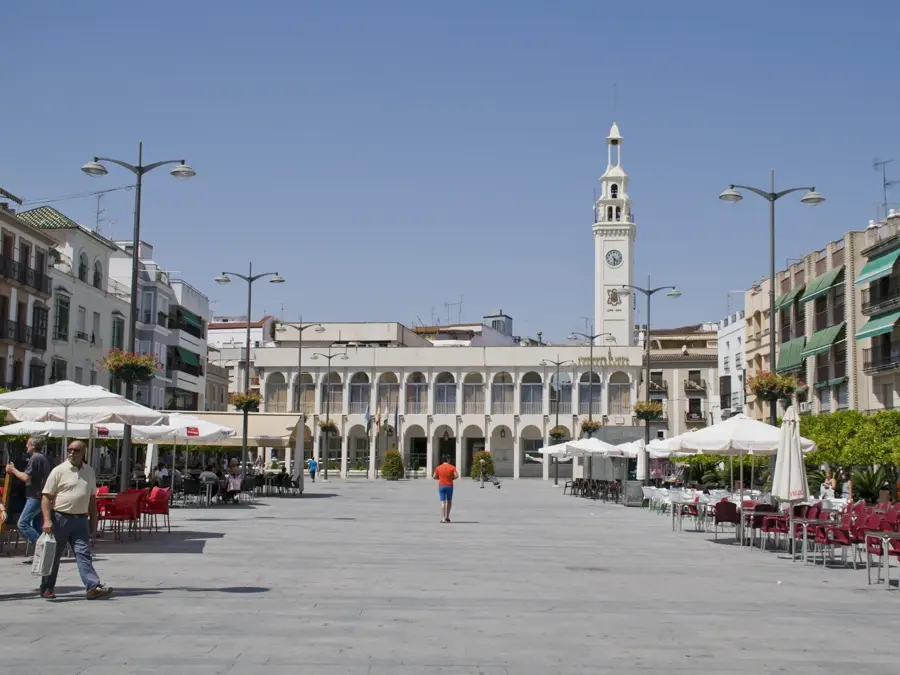
Tucked away within the ancient walls of a former monastery courtyard is the Plaza de Abastos, the historic market square of Carmona. Today, this lively spot is the heart of the trade for fresh local products. A morning stroll through the market gives authentic insights into everyday Andalusian culture.