Day of Jeva
An ancient rural Christmas festival on December 25th in the south of the municipality, featuring traditional Andalusian pastoral songs.
PlizioGo
Try this thick, cold tomato and bread soup in the tapas bars scattered around the city center.
A soft, round flatbread that is well-suited for breakfast with olive oil and tomato in any local café.
A traditional almond dessert often made by nuns; look for it in local convent bakeries.
Buy handmade pastries directly from cloistered nuns using the traditional wooden revolving windows (tornos).
Pick up some high-quality extra virgin olive oil from the specialty food shops along the main streets.
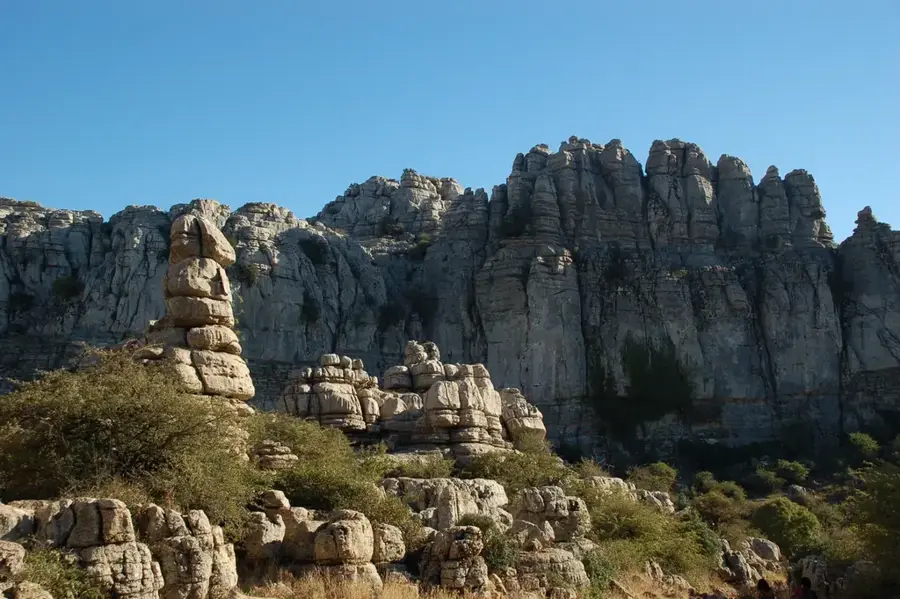
Drive just outside the city to hike through this quiet, surreal karst limestone landscape.
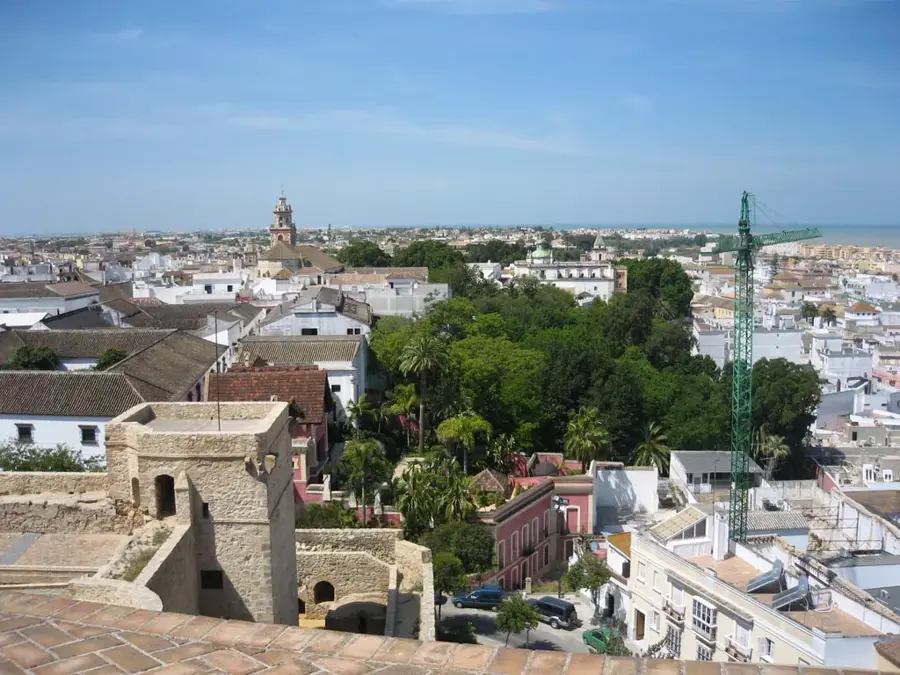
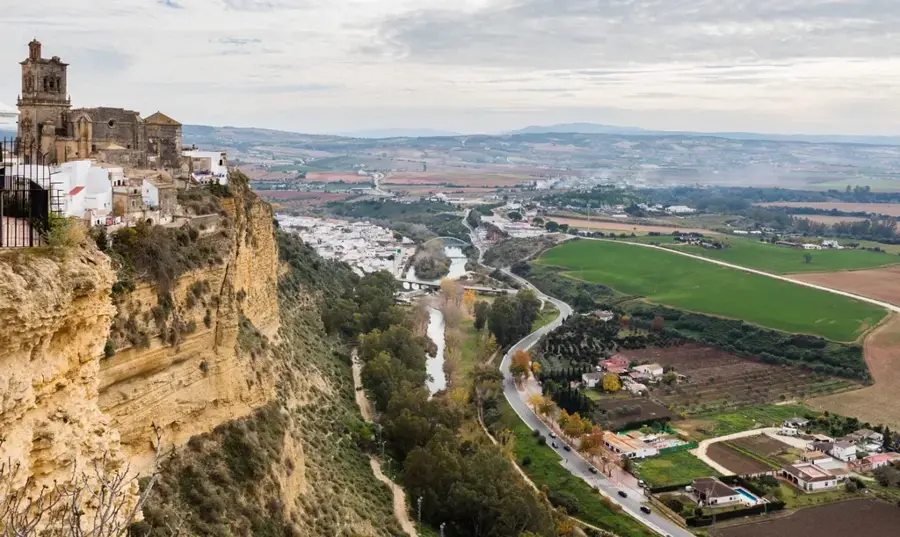
A peaceful viewpoint near the fortress offering sweeping views over the rooftops and the Lover's Rock.
Water temperature…
An ancient rural Christmas festival on December 25th in the south of the municipality, featuring traditional Andalusian pastoral songs.
Local festival honoring the patron saint of Antequera with church services, traditional music, and festive processions through the city.
One of the oldest festivals in Andalusia, divided into a day fair in the center and a night fair at the festival grounds.
A modern festival where historic buildings and squares are illuminated with innovative light projections and 3D mapping.
Museums, monuments, and churches throughout Antequera stay open late into the night, offering free cultural activities.
A significant agricultural and gastronomic fair in the region, featuring exhibitions, tastings, and a traditional funfair.
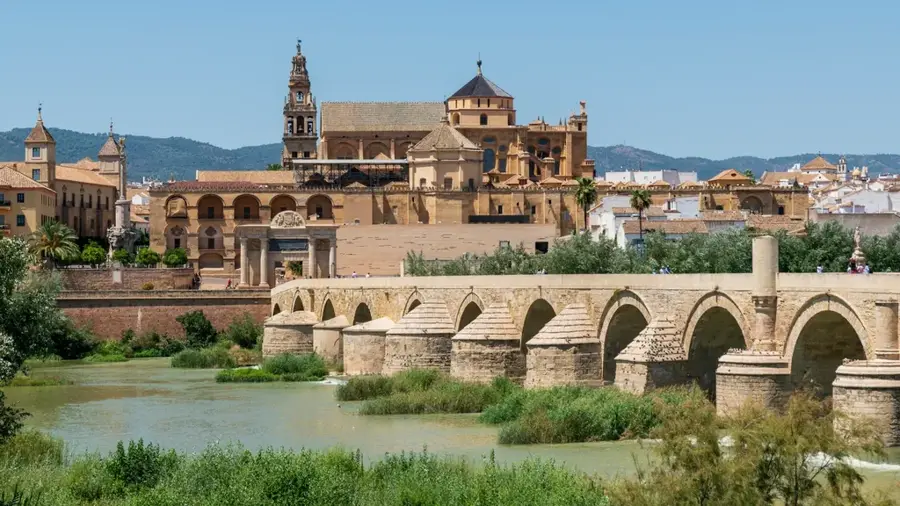
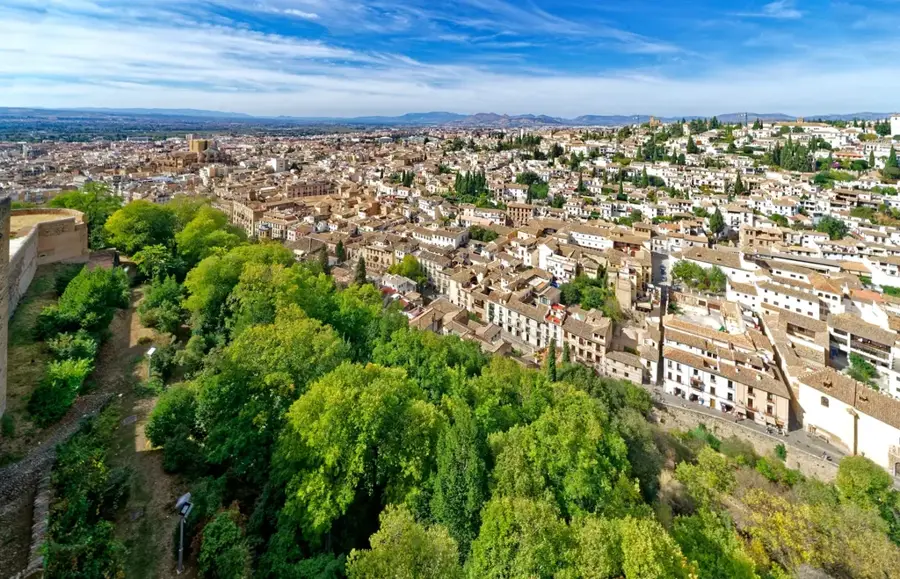
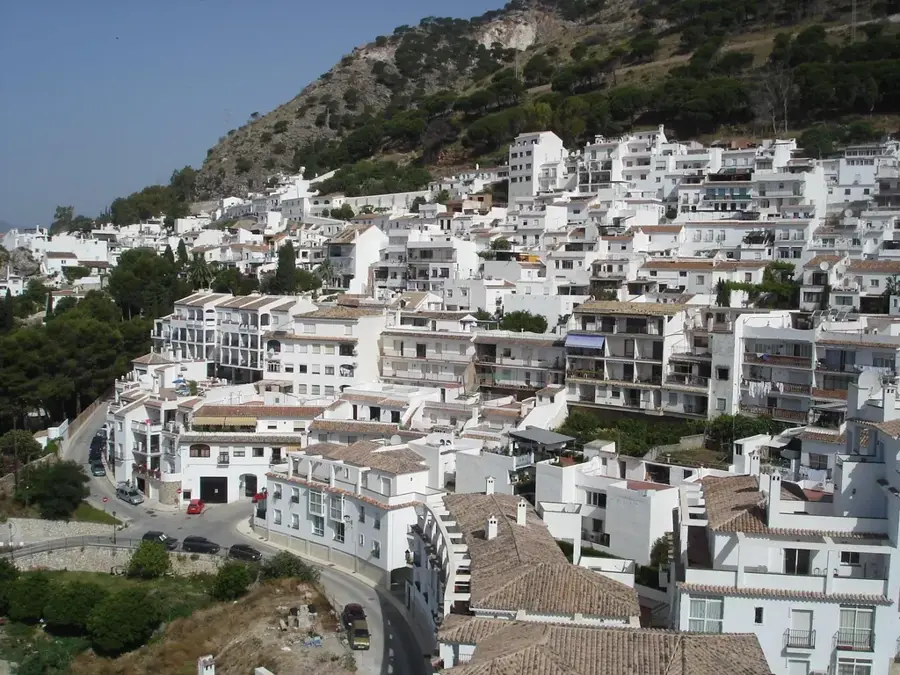
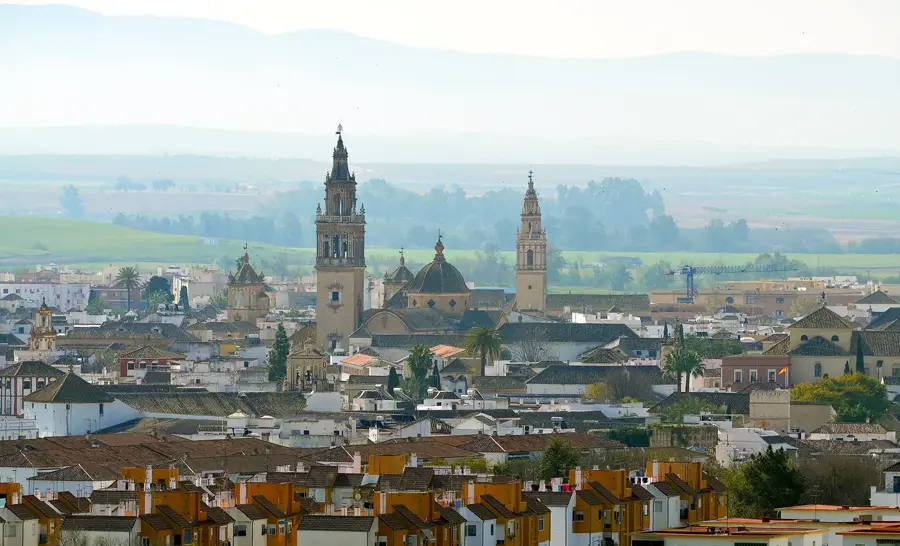
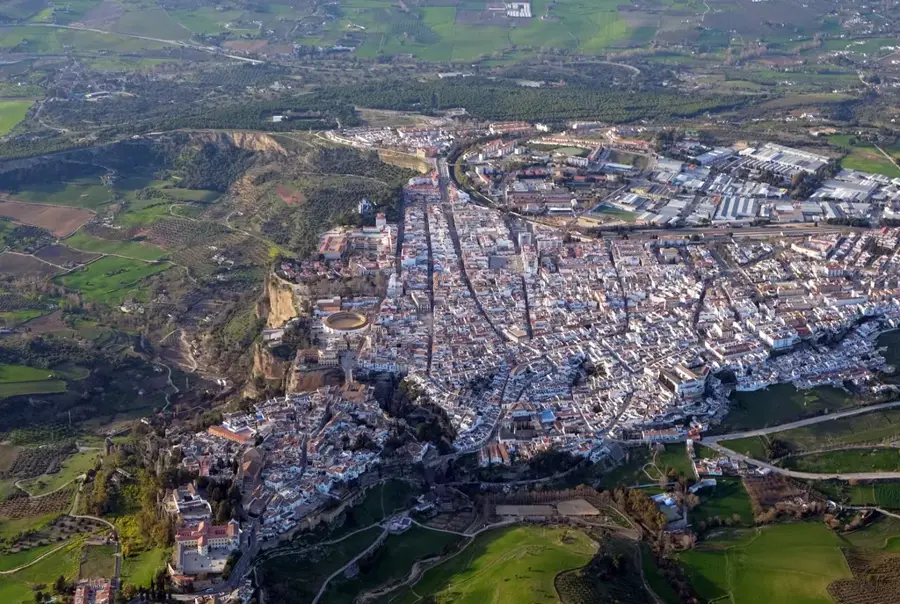
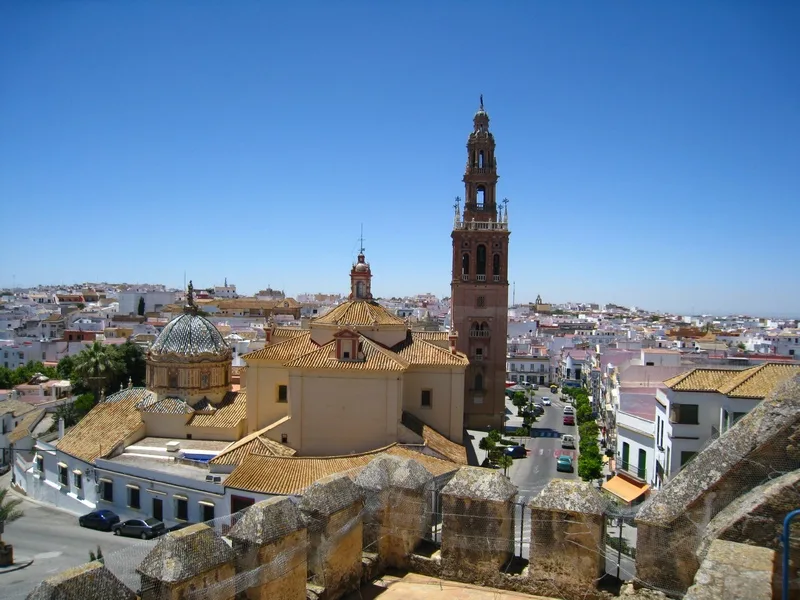
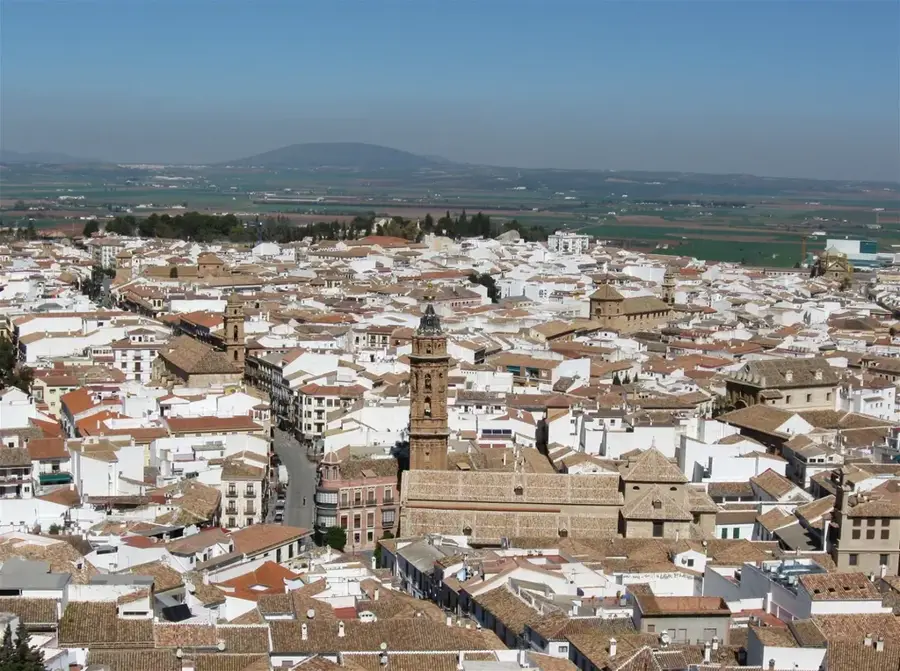
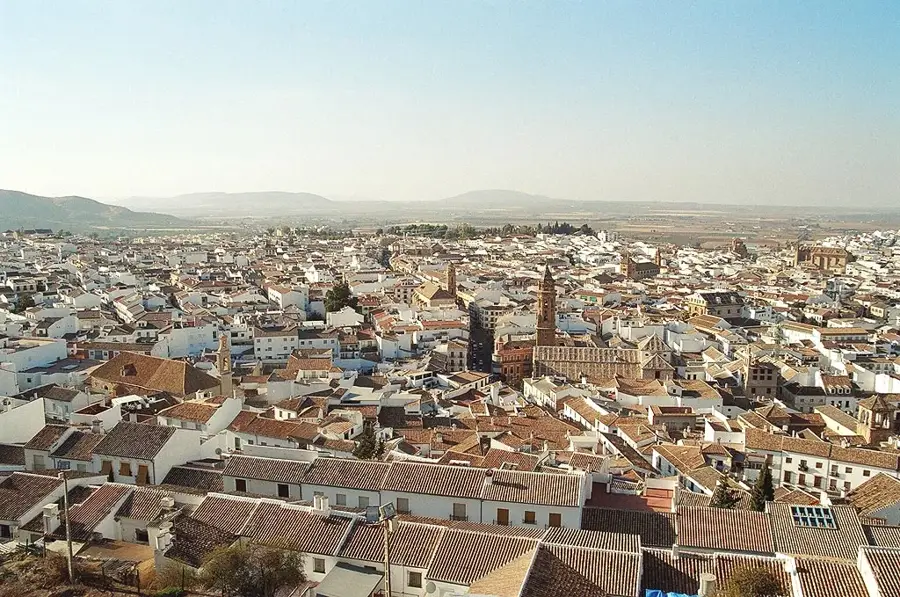
Known as the Heart of Andalusia due to its central geographic location, Antequera combines remarkable architectural wealth with a spectacular natural setting in the province of Málaga. The city is world-renowned for its megalithic monuments, the Dolmens of Menga, Viera, and El Romeral, which were constructed around 3000 BCE and are recognized as a UNESCO World Heritage site. Towering above the white houses is the Alcazaba, a Moorish fortress whose massive Torre del Homenaje provides expansive views across the agricultural plains. The horizon is famously defined by the Peña de los Enamorados (Lovers' Rock), a huge limestone formation resembling a sleeping giant's profile, deeply associated with a tragic legend of a Moorish-Christian romance. The cobbled streets of the old town are lined with dozens of Renaissance and Baroque churches, most notably the intricately decorated Iglesia del Carmen. From a culinary perspective, visitors must try the local mollete, a soft toasted bread, and the thick, cold tomato soup known as porra antequerana.
The most pleasant time to visit is May, Jun, Sep.
| Jan | Feb | Mar | Apr | May | Jun | Jul | Aug | Sep | Oct | Nov | Dec | |
|---|---|---|---|---|---|---|---|---|---|---|---|---|
| Avg °C | 8 | 9 | 11 | 14 | 18 | 23 | 26 | 26 | 22 | 18 | 12 | 9 |
| Rain mm | 48 | 50 | 66 | 48 | 26 | 3 | 1 | 3 | 28 | 59 | 72 | 65 |
Notable places around
Where do you start? We build the route here, with stops and country notes along the way.
© OpenStreetMap contributors · OpenRouteService
Immerse yourself in millennia of history. The morning begins at the mystical dolmens before walking into the vibrant center. After visiting the award-winning museum, climb the Alcazaba to overlook the city. The day ends at the magnificent Colegiata, where the Andalusian sun bathes the stones in warm light.
The morning begins at the dolmens, which provide natural shelter from the rain. At noon, we head towards the city center, seeking refuge in the San Sebastián church. The afternoon is spent indoors at the MVCA museum. The evening ends by the Alcazaba, where the wet stones glisten under the lights.
A crisp winter morning at the prehistoric dolmens. At noon, we enjoy the mild sun in the squares of the old town. In the afternoon, we climb to the Alcazaba to catch the early winter sunset. The evening ends cozily in a tapas bar in the center.
Explore the historical expanse of Antequera by bike. Start at the prehistoric monuments and cycle to the distinctive Plaza de Toros. A sporty climb leads you to the Alcazaba before heading out of the city to the Peñón de los Enamorados to enjoy the natural scenery. A day full of contrasts between the Stone Age and the Renaissance.
A refreshing morning ride to the dolmens. At noon, we explore the Plaza de Toros, which offers good cover. In the afternoon, we bike carefully up to the Alcazaba. The evening ends after a wet but beautiful tour through the lit city.
A sunny, cool morning on the way to the dolmens. At noon, we bike through the lively streets to the Plaza de Toros. In the afternoon, the climbs to the Alcazaba challenge us in the clear winter air. The evening ends right at sunset with a panoramic view.
This route showcases the dramatic nature and history of the region. Start early morning in El Torcal, a surreal world of stone. Then follow the UNESCO dolmens, including the often-overlooked Tholos de El Romeral. After a side trip to the Alcazaba fortress, end the tour with a view of the legendary Peñón de los Enamorados.
The trip starts in the misty El Torcal, where the rock formations look surreal. At noon, we visit the dolmens under the protection of the visitor centers. In the afternoon, we head to Tholos de El Romeral. The day ends safely in the car at the dramatically lit Alcazaba.
A clear winter day starts in the cool heights of El Torcal. At noon, we visit the prehistoric sites in the pleasant sun. In the afternoon, we explore the Alcazaba and enjoy the distant view. The evening ends with a relaxed drive through the festively lit city.
March–May and October for the dolmens and El Torcal without heat haze. Holy Week is famous for processions. Summers in town are hot, but El Torcal up high stays pleasant.
Very safe. At El Torcal stay on marked paths – the rock is razor-edged and climbing is banned. City parking is stressful on Thursday market day – use park-and-ride. UV at altitude is strong in summer.
Antequera is a small town with more Spanish than English, but the tourist office speaks English. 'Dólmenes' (megalithic tombs) are UNESCO and everywhere. 'Porra antequerana' is the thick cold tomato soup – the local speciality.