Plizio Visual Lab
Seogwipo
ℹ️Practical info — Seogwipo
▾
🌤 Weather — 5 days
📍 Nearby
Sights nearby
💡 Tips
- Rent a car if you want to explore Seogwipo and Jeju Island, as bus routes connecting the sights are infrequent.
- Visit the Jeongbang Waterfall, the only one in Asia that falls directly into the ocean.
- Pack hiking shoes to explore sections of the famous Jeju Olle trails, which offer impressive coastal views.
- The weather in southern Jeju is milder, but pack a windbreaker anyway as coastal winds can be strong.
🍽 Food
Head to a local BBQ restaurant and taste this famous meat, often served with a spicy anchovy sauce (Meljeot).
Order this comforting dish at the small restaurants near the coastline.
Drink freshly squeezed juice made from the local Jeju tangerine, sold almost everywhere.
🛍 Shopping · 🧘 Quiet spots
The best place to buy fresh fruit, street food, and Jeju chocolate flavored with matcha or tangerine.
Look for small Dolhareubang (Grandfather statues) made from real or imitation basalt stone.
Take a walk in the evening when the path and waterfall are beautifully illuminated and much quieter.
Enjoy a peaceful evening stroll across this sail-shaped bridge to Saeseom Island.
Water temperature…
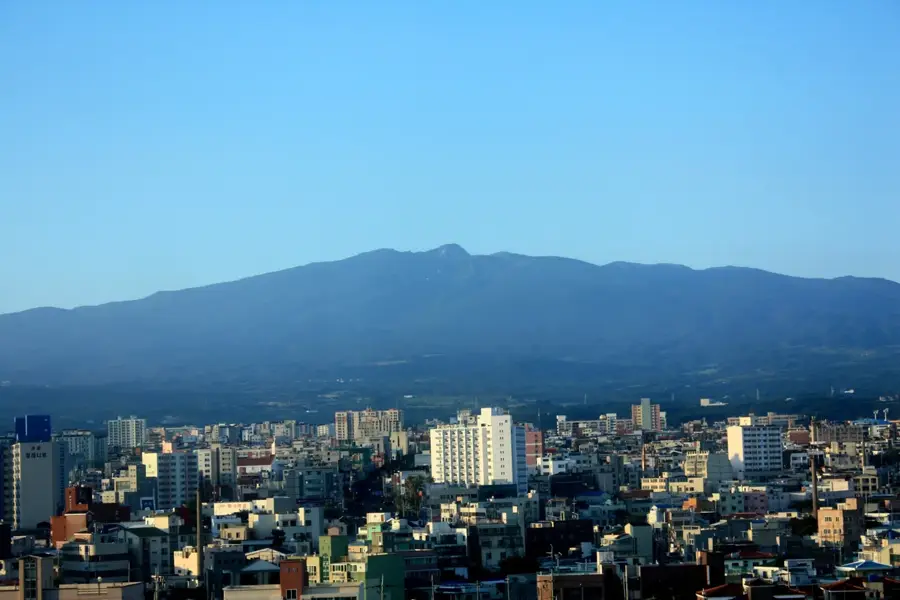
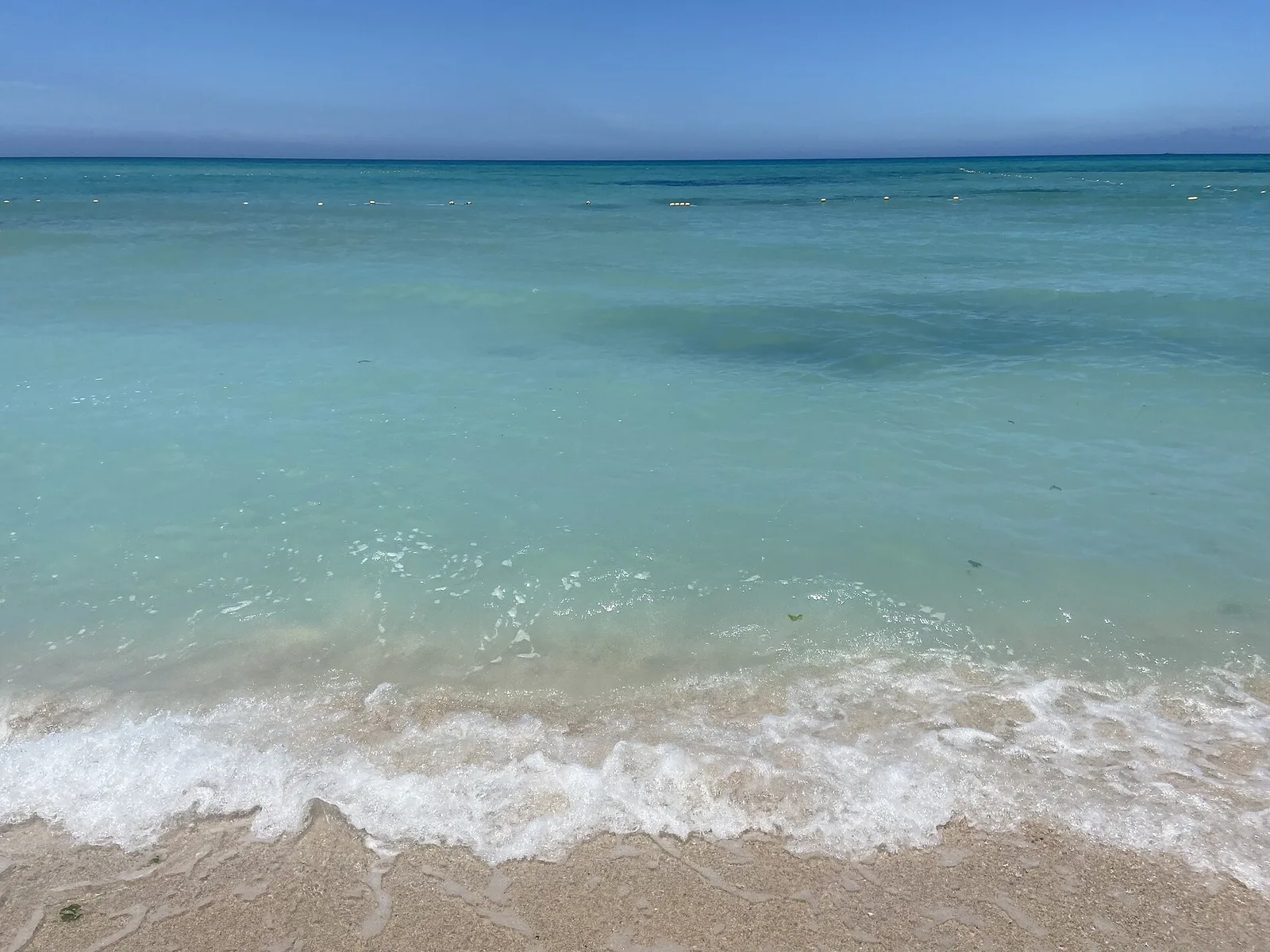
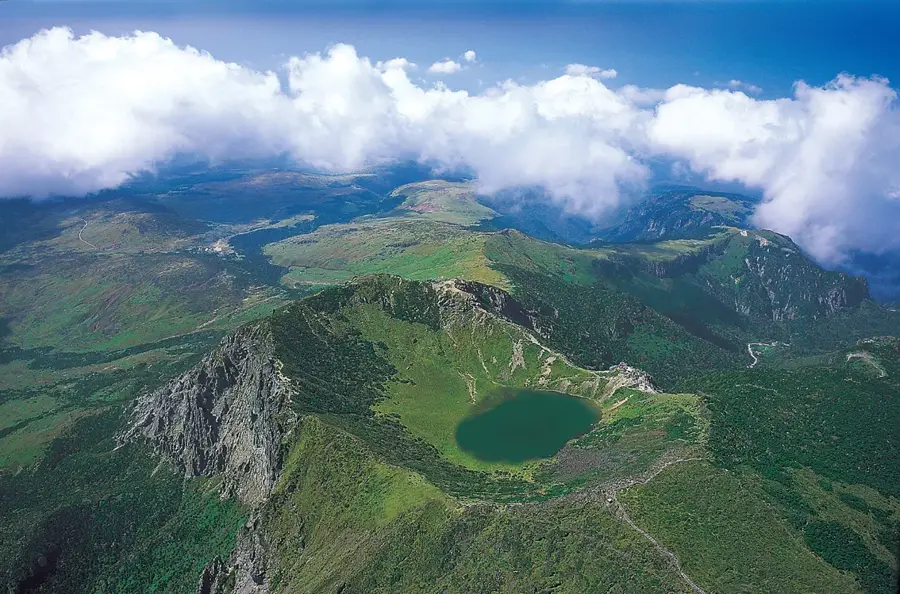
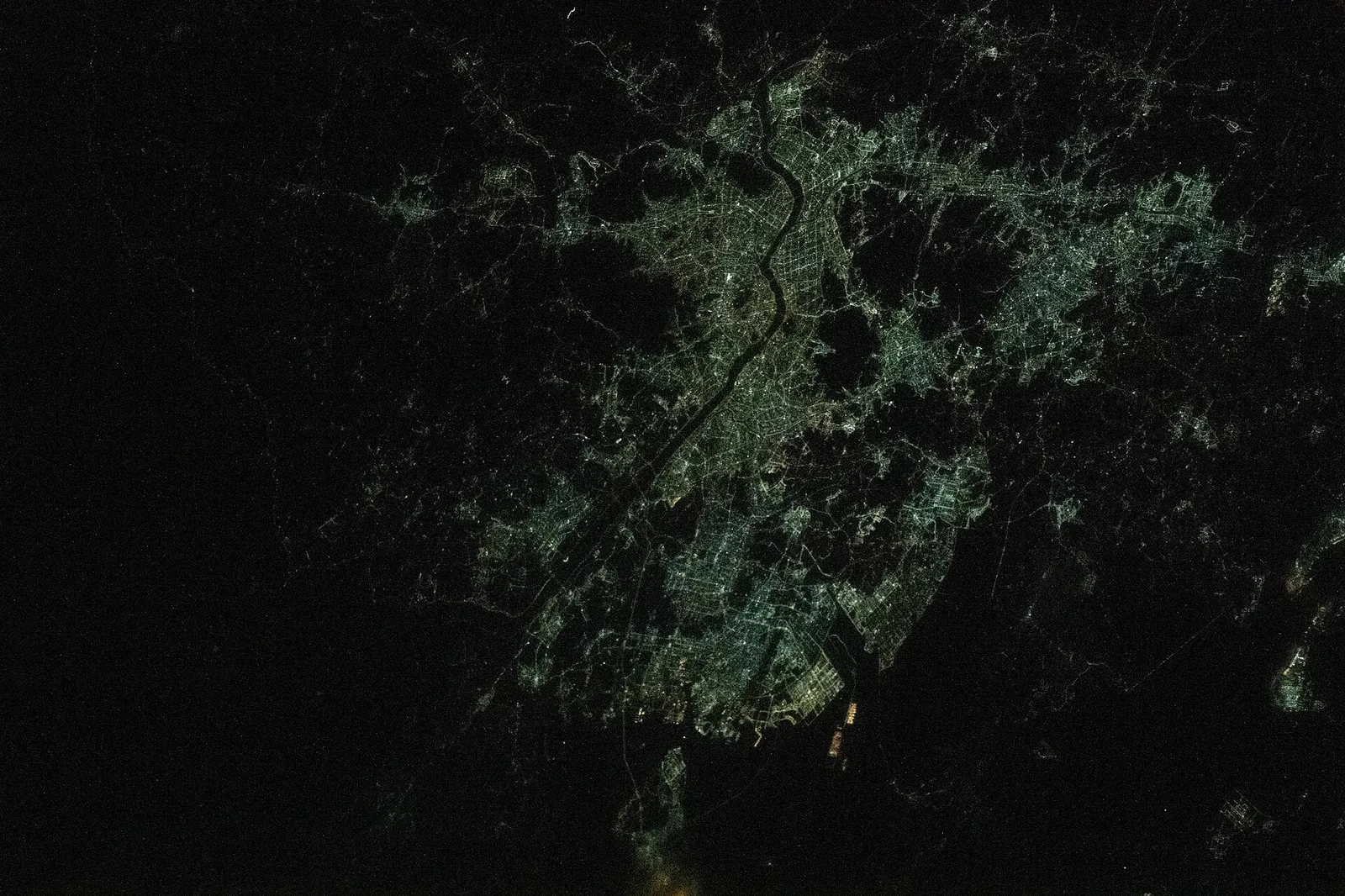
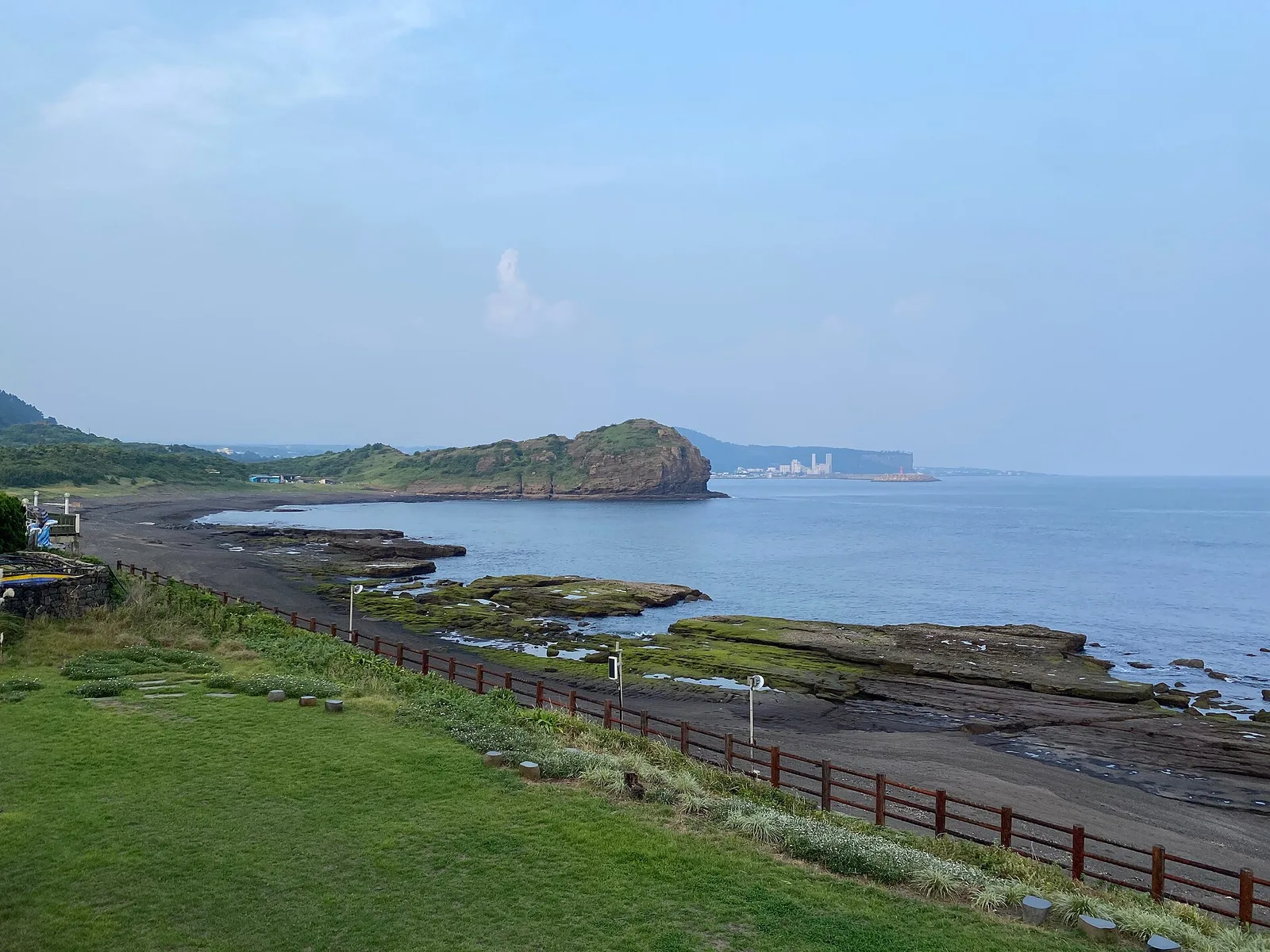
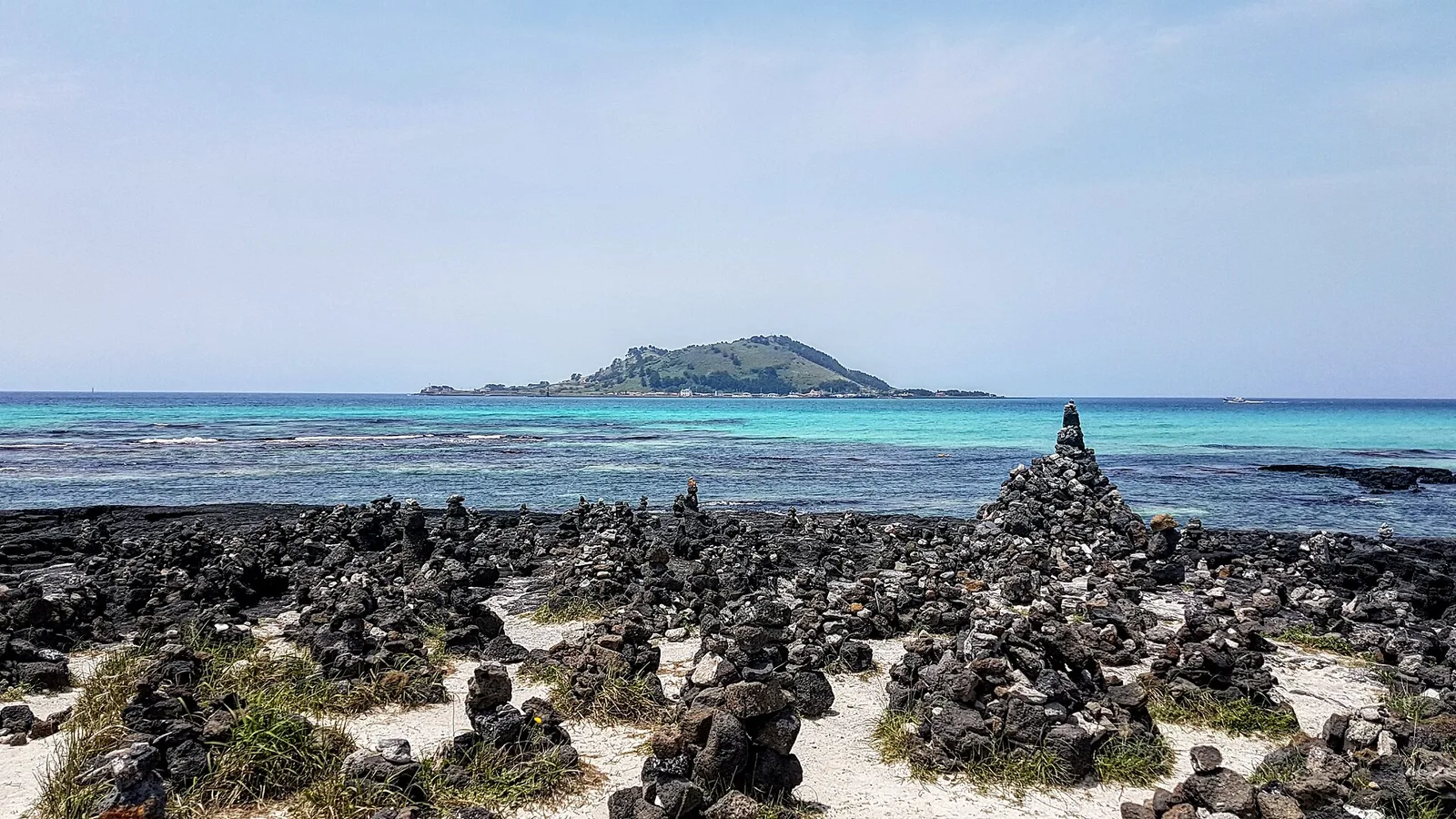
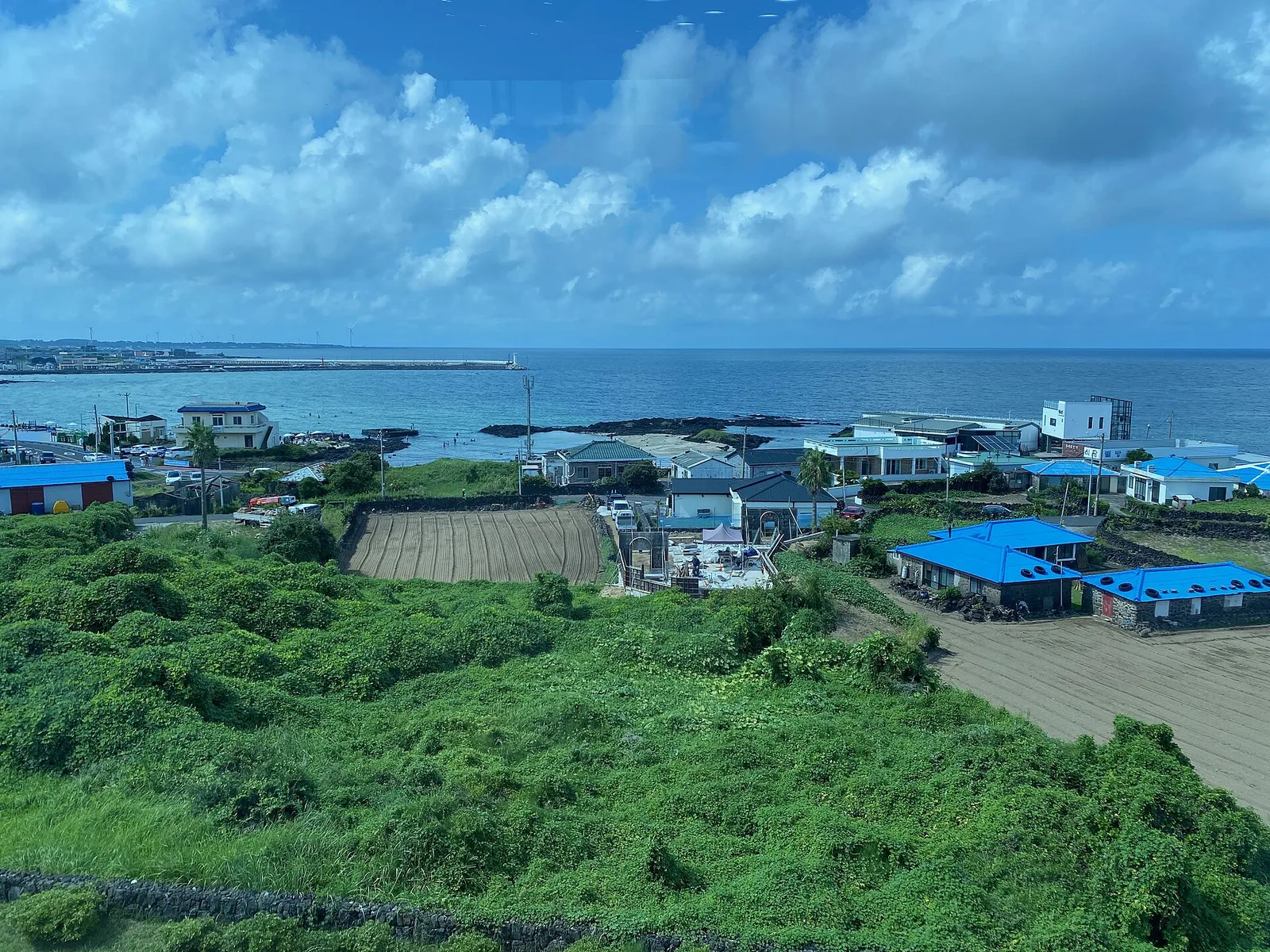
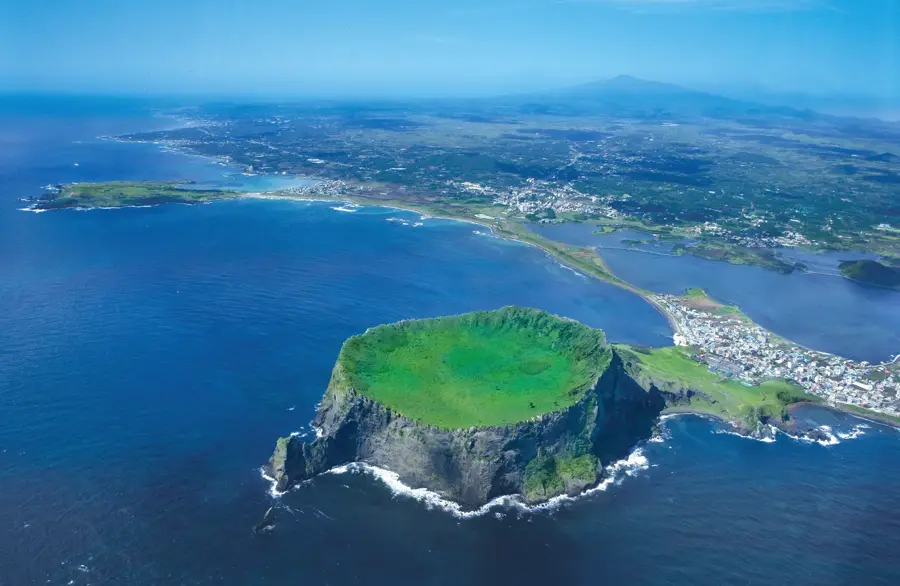
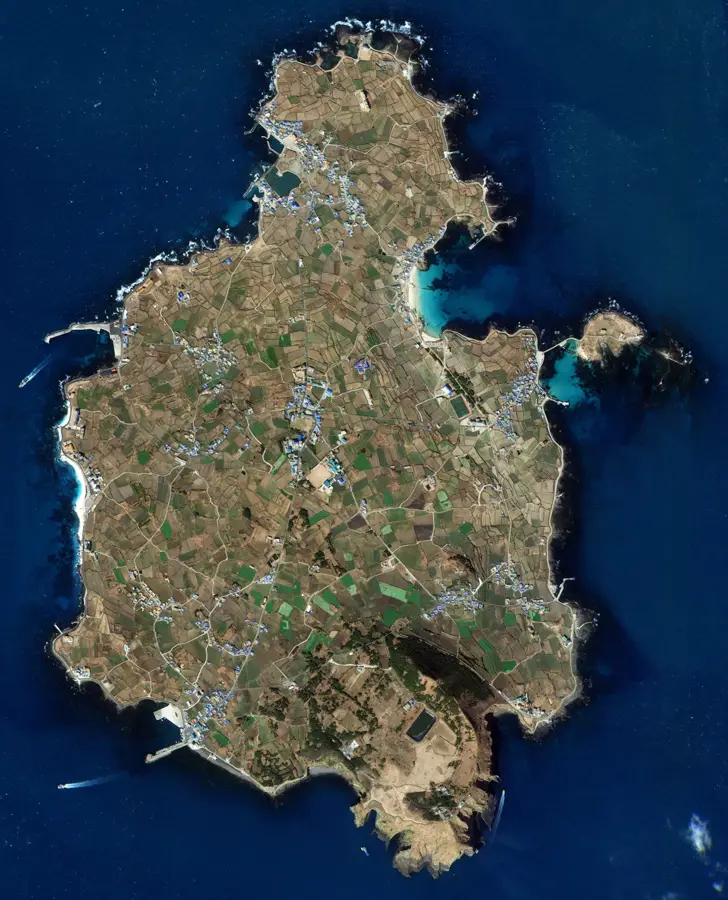
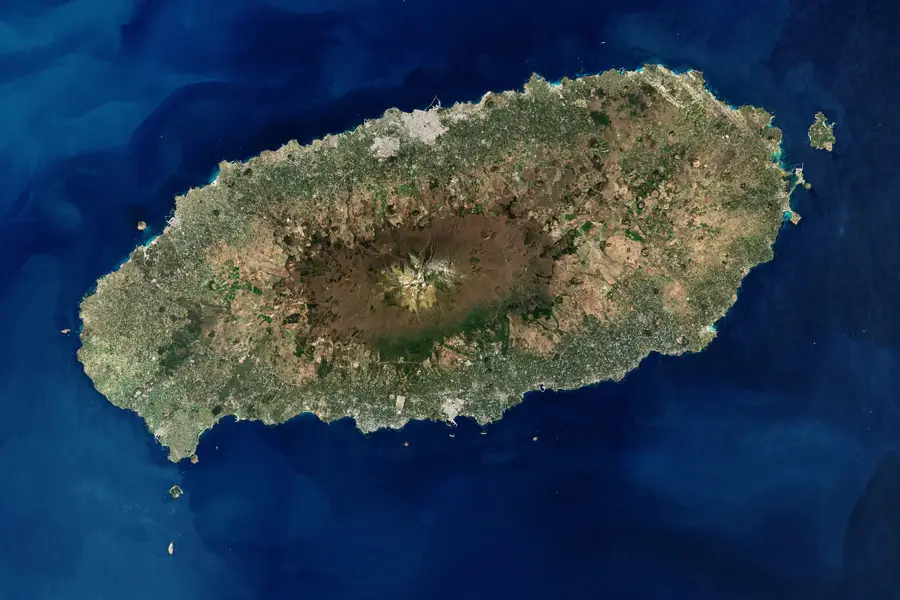
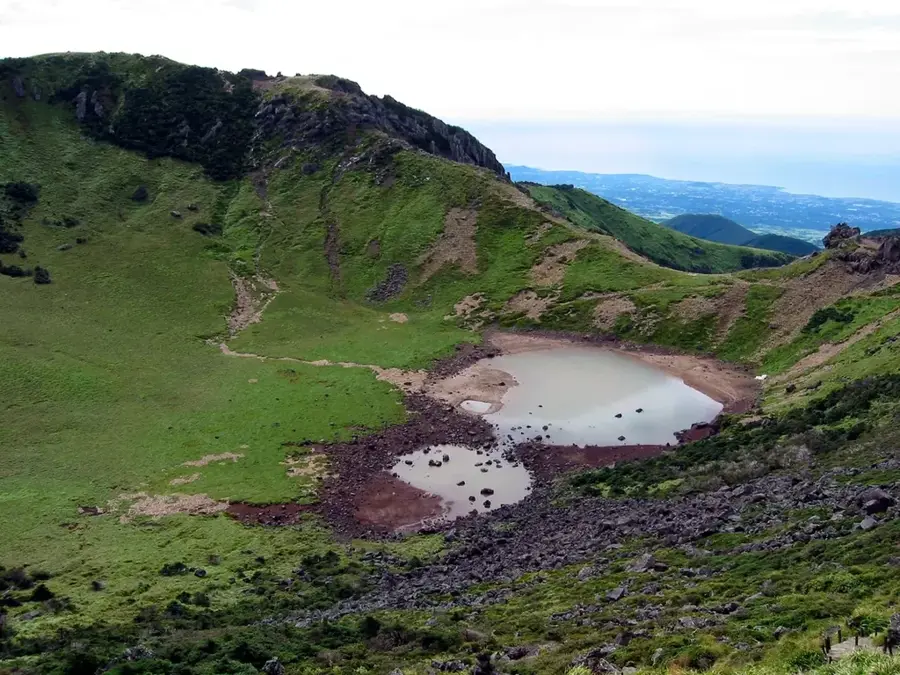
Seogwipo is the second-largest city on Jeju Island, situated along its southern coast. The city is renowned for its mild subtropical climate and spectacular volcanic coastal scenery. Key natural attractions include the Cheonjiyeon and Jeongbang waterfalls, the latter of which is the only waterfall in Asia to fall directly into the sea. Another geological highlight is the Jusangjeolli Cliffs, a series of imposing hexagonal basalt columns formed by cooling lava. Seogwipo is a major center for citrus cultivation, particularly the famous Hallabong tangerines. The city also hosts the Jeju World Cup Stadium, which was constructed for the 2002 FIFA World Cup. South of the city lies Munseom Island, a popular spot for divers due to its bustling coral reefs. Culturally, the city features the Lee Jung-seop Art Street, dedicated to the famous Korean painter. Its laid-back atmosphere and proximity to Hallasan National Park make Seogwipo a premier destination for travelers.
- Location: South Korea
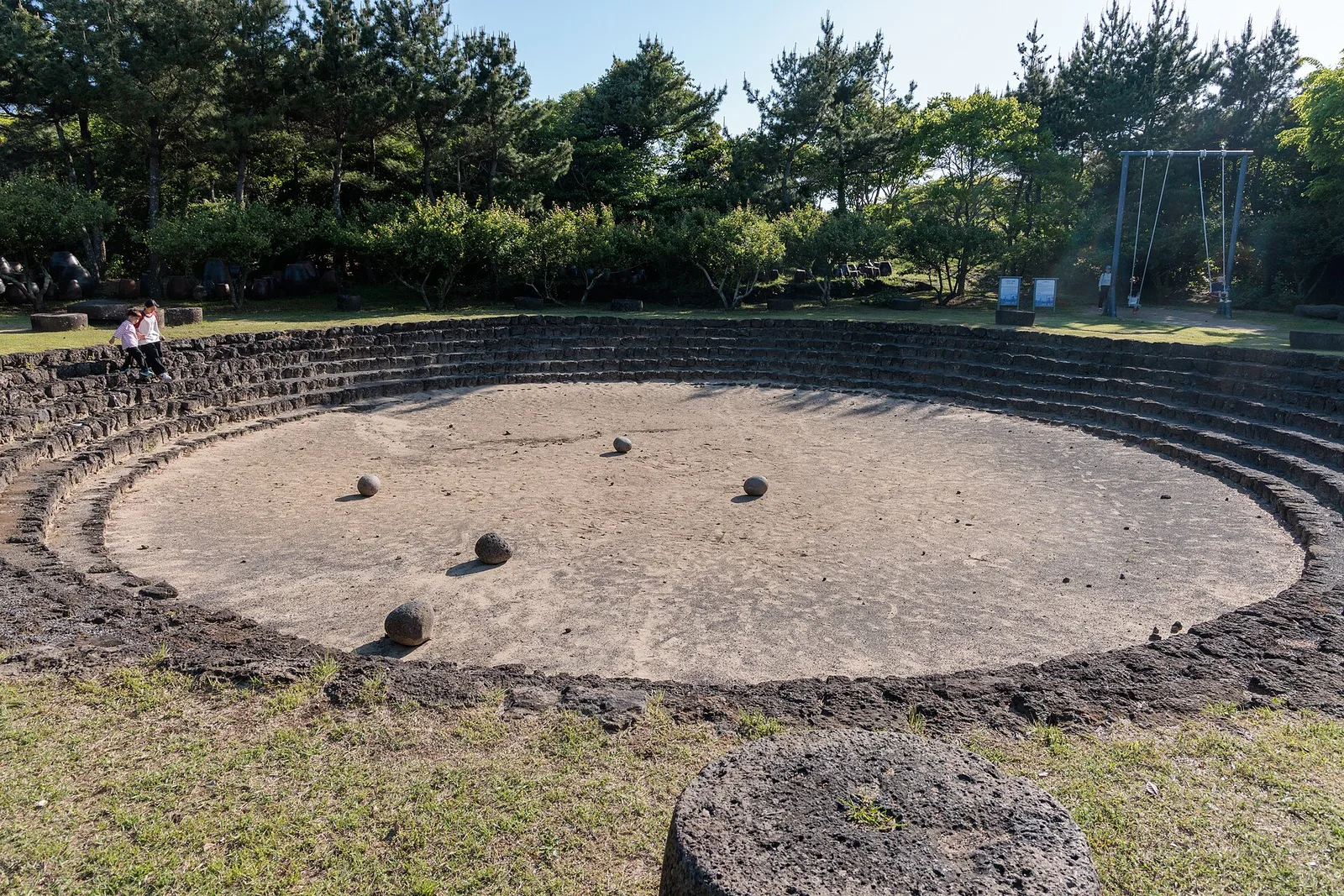
- Top sights: Pavillion · The Castle of Shells · Coastal view
- Nearby: Harye-ri (7 km)
- Population: ~178.552 (2023)
Best time to visit & climate
The most pleasant time to visit is Jun, Oct, Nov.
| Jan | Feb | Mar | Apr | May | Jun | Jul | Aug | Sep | Oct | Nov | Dec | |
|---|---|---|---|---|---|---|---|---|---|---|---|---|
| Avg °C | 7 | 8 | 10 | 13 | 17 | 21 | 25 | 27 | 24 | 19 | 15 | 10 |
| Rain mm | 50 | 66 | 90 | 137 | 141 | 192 | 240 | 261 | 185 | 89 | 72 | 56 |
Geography
Facts
- Jeongbang Waterfall drops from a height of 23 meters.
- The Jusangjeolli Cliffs were formed approximately 250,000 years ago.
- Seogwipo served as a host city for the 2002 FIFA World Cup.
- Hallabong tangerines are named after Jeju's Hallasan mountain.
- The city has a population of approximately 180,000 residents.
- Seogwipo is home to one of the world's largest Teddy Bear Museums.
Explore nearby
Notable places around

Route planner — Car & Motorhome
Where do you start? We build the route here, with stops and country notes along the way.
© OpenStreetMap contributors · OpenRouteService
Sights in the town Seogwipo (12)
Frequently asked questions
Where is Seogwipo located?
What are the best waterfalls?
Can you hike there?
What is the Seogwipo Maeil Olle Market?
Is Seogwipo suitable for divers?
Seogwipo: where is it located?
Seogwipo: what is there to see?
Seogwipo: when is the best time to visit?
Seogwipo: why is it worth visiting?

Nearby cities