Plizio Visual Lab

Hallasan National Park
Plizio editorial teamData Sources
national-park
—°8
Hallasan National Park (South Korea)

Weather…

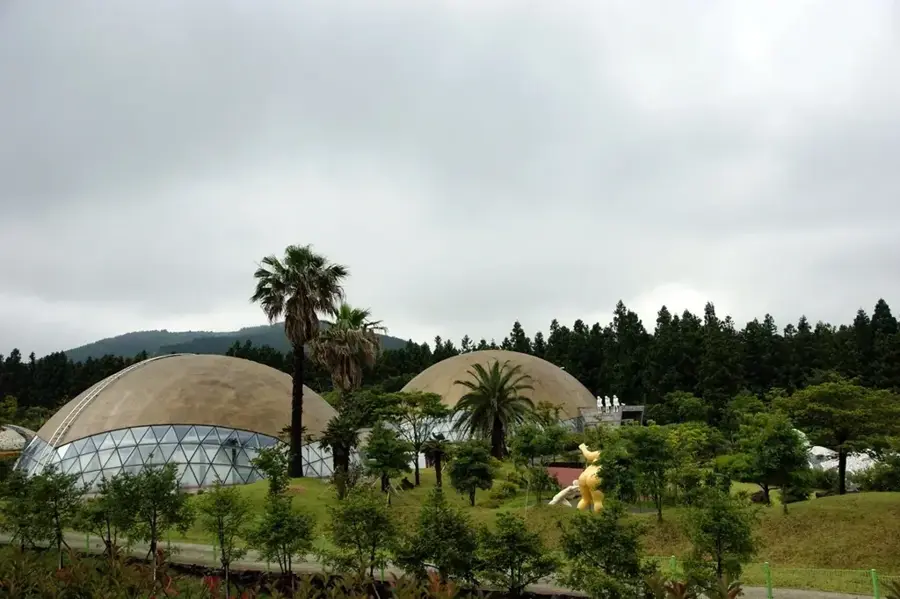
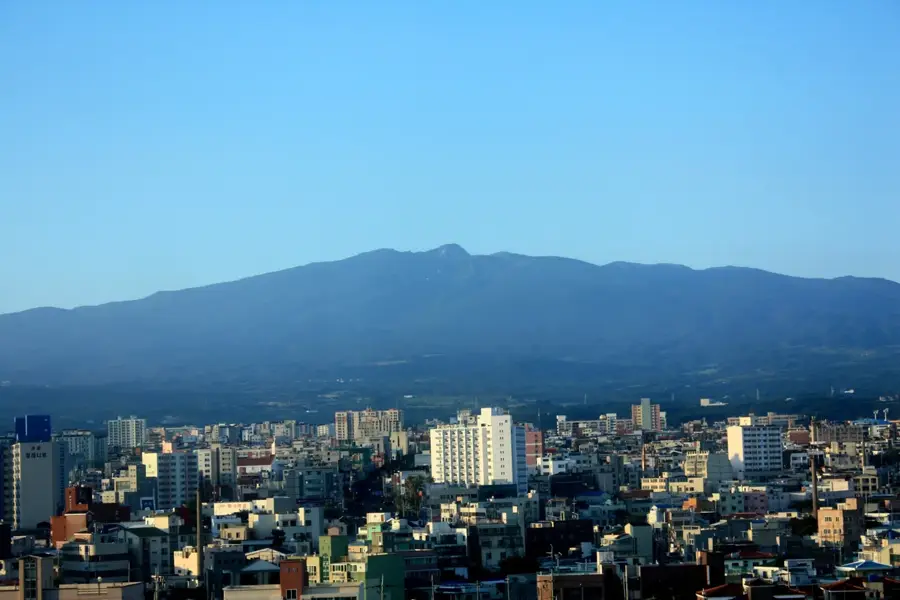
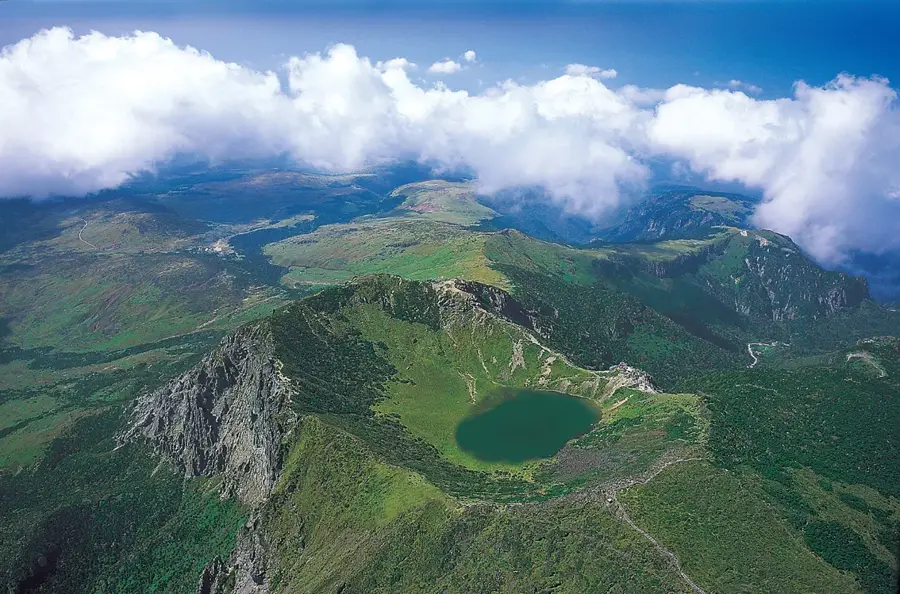
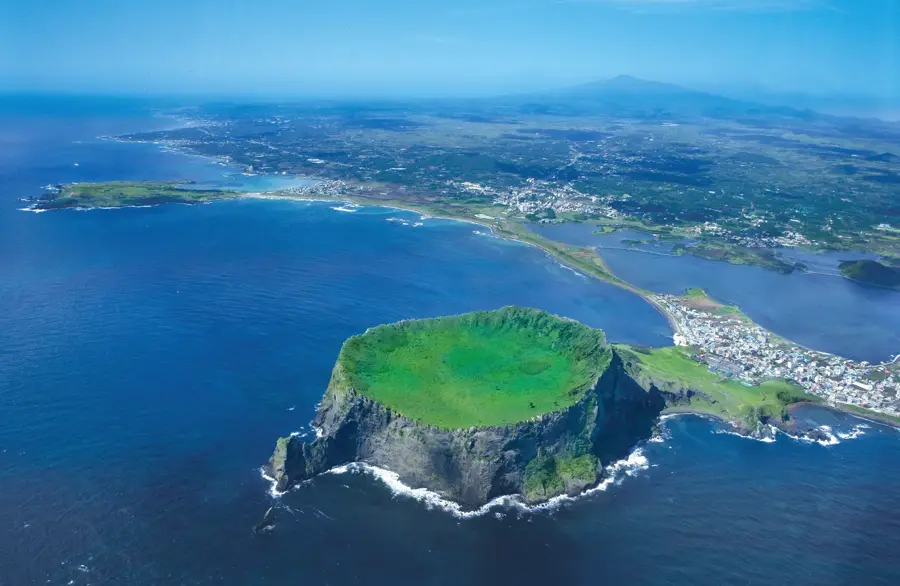
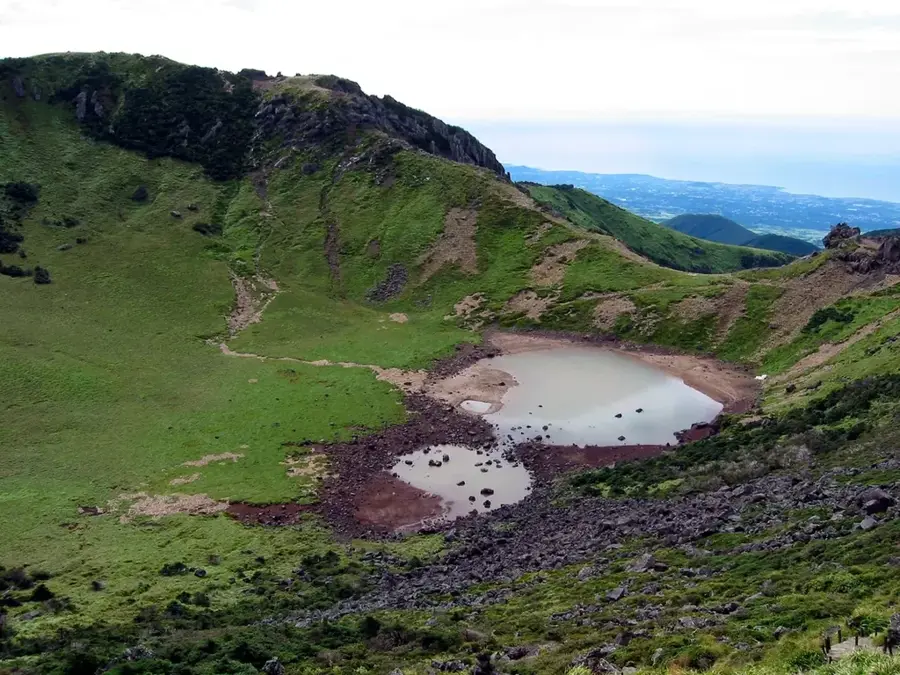
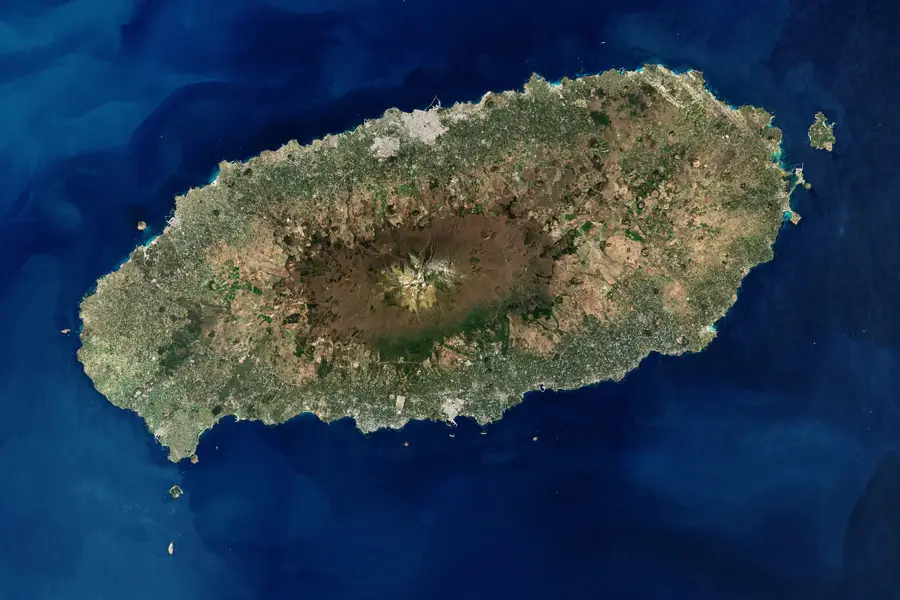
Hallasan National Park is located at the center of Jeju Island and features Mount Hallasan, the highest peak in South Korea at 1,947 meters. This dormant shield volcano constitutes the bulk of the island and was designated a UNESCO World Natural Heritage site in 2007. At the summit lies Baengnokdam, a scenic crater lake whose name literally means 'White Deer Lake,' formed by ancient volcanic activity. The park is celebrated for its vertical distribution of vegetation, housing a range from subtropical plants at the base to alpine species near the top. Over 1,800 plant species and 4,000 animal species have been identified within its borders, including many endemic to Jeju. The park's well-maintained hiking trails are a major draw for tourists, offering striking vistas of the island's coastline and the surrounding sea, while providing a unique look at Korea's volcanic geology.

Best time to visit & climate

The most pleasant time to visit is Jun, Oct, Nov.

JanFebMarAprMayJunJulAugSepOctNovDec
Avg °C7810131721252724191510
Rain mm506690137141192240261185897256

📋 Practical info

🧭
Getting there
The national park on Jeju Island is easily accessible by car, taxi, or public bus from Jeju City and Seogwipo. Multiple distinct trailheads serve as starting points for various hikes, each clearly marked and connected to the island's road network.
📅
Best season
Spring and autumn offer the most pleasant weather and striking foliage, making them peak seasons for hiking. Winter brings significant snowfall, creating impressive landscapes but requiring specialized cold-weather preparation for summit attempts.
⛰️
Terrain & paths
The trails range from relatively flat, heavily boarded forest paths to steep, rocky inclines nearing the shield volcano's peak. Most main routes are well-maintained with wooden steps and clear signage, but stamina is essential for the long ascents.
🎒
What to bring
Comfortable hiking boots, layered clothing suitable for rapidly changing mountain weather, and windproof jackets are required. In winter, crampons, trekking poles, and thermal layers are absolutely necessary due to deep snow and icy conditions.
🅿️
Parking
Spacious, designated parking lots are usually available at all major trailheads, though they require a modest fee. These lots tend to fill up rapidly during weekends and peak autumn foliage seasons, so arriving before sunrise is highly recommended.
⚠️
Safety
Visitors must strictly adhere to the park's designated cut-off times; hikers are not permitted to proceed past specific checkpoints after a certain hour to ensure daylight return. Staying on marked trails protects the fragile UNESCO natural environment.
⏱️
Time needed
Reaching the summit and returning typically demands between seven to ten hours of continuous hiking, depending on the chosen route and fitness level. Shorter flank trails can provide a fulfilling nature experience in just three to five hours.

Geography

Coordinates
33.36100, 126.53000

Facts

  • At 1,947 meters, it is the highest peak in South Korea.
  • Designated a UNESCO World Natural Heritage site in 2007.
  • Baengnokdam crater lake has a circumference of 1.7 km.
  • Contains over 1,800 distinct plant species.
  • The mountain is a dormant shield volcano.
  • Summit hiking requires a mandatory advance reservation.

Explore nearby

Notable places around
Route planner — Car & Motorhome

Where do you start? We build the route here, with stops and country notes along the way.

Vehicle
Only stops with (optional):

© OpenStreetMap contributors · OpenRouteService

Sights in the town Hallasan National Park (8)

Guringul🌿 nature

This viewpoint features a wide panoramic vista of the volcanic landscape on the slopes of Mount Halla.

Halla mountain National Park📍 landmark

A UNESCO World Heritage site centered around South Korea's highest peak, an extinct volcano.

Nulbendle Observatory🌿 nature

An observation platform providing a clear view of the crater rim and the surrounding Jeju wilderness.

Bang-e-Oreum🌿 nature

A parasitic volcanic cone on the eastern slope of Hallasan, known for its grassy crater.

Visitor Center🏛 museum

An educational center featuring exhibits on the volcanic formation and ecology of Hallasan National Park.

Anti-Japanese Movement Site🏺 historical

Historic ruins on the mountain where Jeju residents organized resistance during the Japanese occupation.

Cheonwangsa Temple📍 landmark

A serene Buddhist temple positioned in a lush valley on the slopes of Mount Halla.

Beopjeongsa Templem📍 landmark

A serene Buddhist temple located on the forested slopes of Mount Hallasan.

Sights nearby

Frequently asked questions

Do I need a reservation to hike Hallasan?
Yes, online reservations are required for the main trails to the summit (Seongpanak and Gwaneumsa).
Are there toilets along the hiking trail?
Toilets are only available at the trailheads and at shelters halfway up; please plan accordingly.
What is the weather like at the summit of Hallasan?
The weather is very unpredictable; the summit is often significantly colder and windier than the coast.
What is Baengnokdam?
It is the crater lake at the summit of Hallasan, which fills with water after heavy rains.
Is it allowed to leave trash in the national park?
No, the 'carry in, carry out' policy applies; there are no trash cans along the trails.
Hallasan National Park: where is it located?
Hallasan National Park is located in South Korea.
Hallasan National Park: what is there to see?
Highlights include Guringul, Halla mountain National Park, Nulbendle Observatory.
Hallasan National Park: when is the best time to visit?
The most pleasant time to visit is Jun, Oct, Nov.
Hallasan National Park: why is it worth visiting?

Hallasan National Park is located at the center of Jeju Island and features Mount Hallasan, the highest peak in South Korea at 1,947 meters.
View on map → The Top 50 Attractions → OpenStreetMap →
Asia
Explore with Plizio Discover more places in Asia
More places in South Korea →

Nearby cities

History & landmarks

More places