Plizio Visual Lab

Port of Busan
Plizio editorial teamData Sources
Port
—°14
Port of Busan (South Korea)

Weather…

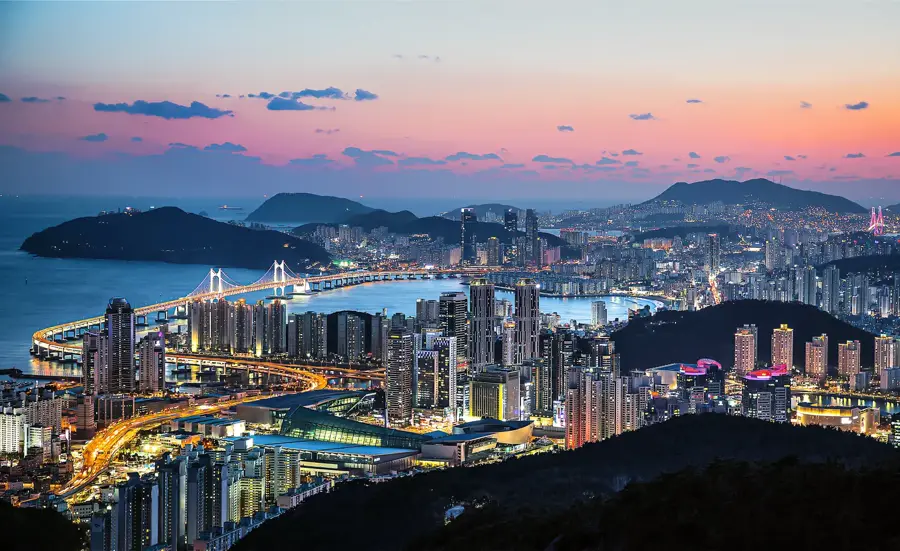
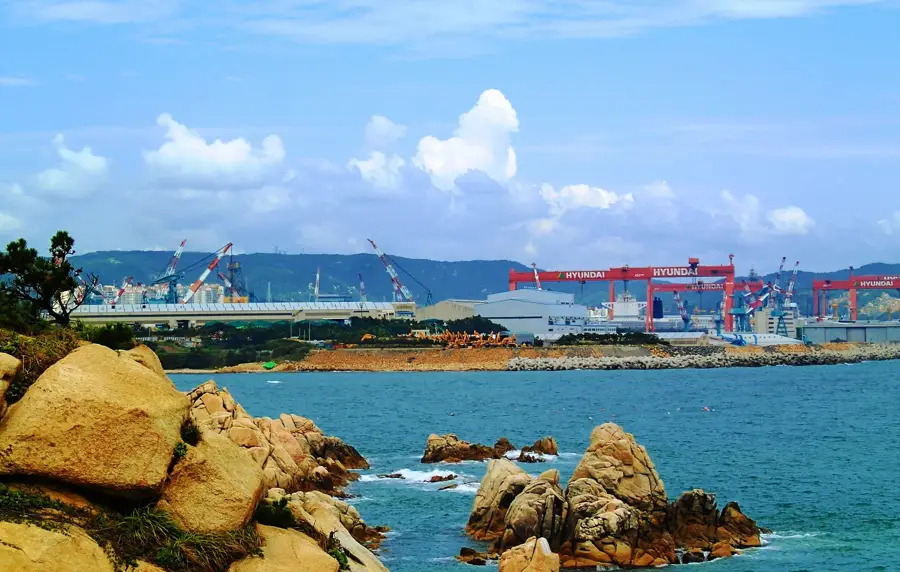
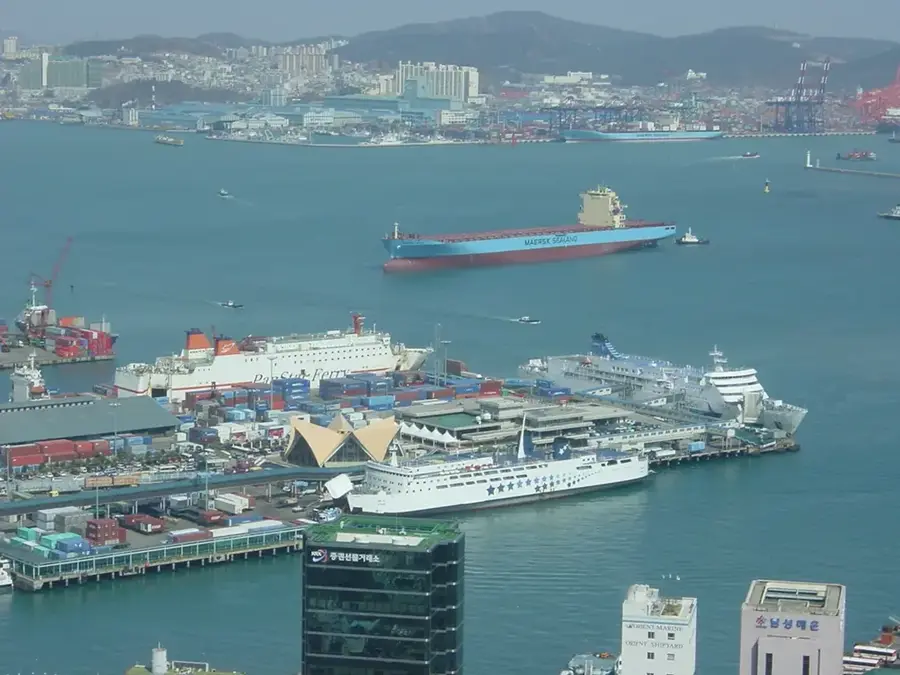
The Port of Busan is the largest seaport in South Korea and ranks among the busiest container ports in the world. Geographically located at the southeastern tip of the Korean Peninsula, it serves as a crucial maritime gateway connecting the Pacific Ocean with the Asian continent. Formally opened in 1876, the port has evolved from a local trading post into a highly sophisticated global logistics hub. Economically, it is indispensable to South Korea, handling nearly 80% of the country's container traffic and maintaining links with over 100 international shipping lines. The facility is divided into several main areas, including the North Port for traditional cargo and the massive 'Busan New Port,' designed to accommodate the world's largest ultra-large container vessels. Technologically, the port is a leader in automation and 'Smart Port' initiatives, focusing on increasing the efficiency of handling millions of TEU (Twenty-foot Equivalent Units) annually. The Port of Busan is both a national economic engine and a strategic transshipment hub for Northeast Asia.

Best time to visit & climate

The most pleasant time to visit is Jun, Sep, Oct.

JanFebMarAprMayJunJulAugSepOctNovDec
Avg °C24813172124262217114
Rain mm305279137144175299244176754633

📋 Practical info

🏭
What is this place?
The Port of Busan is South Korea's largest port and the world's sixth-busiest container port. It serves as a vital gateway for global trade, handling a major share of national imports and exports and driving the region's economy.
🚪
Visiting
The Port of Busan is an active industrial port with restricted public access, but several viewpoints offer good views. Busan Port Bridge Park and the Busan Port Friendship Center observatory are popular spots.
👀
Where to view it
From Busan Port Bridge Park, one gets an excellent view of the container terminals and incoming ships. The Port Friendship Center observatory also features panoramic views and interactive exhibits on port history.
🧺
Local products
The Port of Busan handles a wide range of goods, including electronics, vehicles, machinery, and chemicals. At the nearby Jagalchi Fish Market, visitors can buy fresh seafood from the catch of the local fleet.
📆
Active season
The port operates at full capacity year-round, with peak periods aligned with the global trade calendar. During Chinese New Year and summer months, traffic is especially high due to seasonal demand.
Nearby
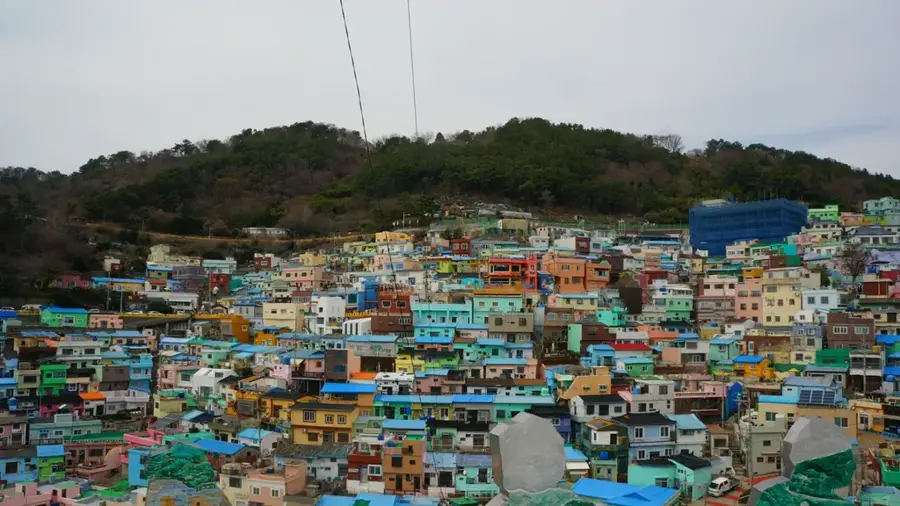
Combine a port visit with exploring Jagalchi Fish Market and Gamcheon Culture Village. The Haeundae and Gwangalli beaches are also nearby, offering recreational opportunities after the port tour.

Geography

Coordinates
35.10000, 129.04000

Facts

  • The Port of Busan handles over 21 million TEUs (Twenty-foot Equivalent Units) of container traffic per year.
  • It was the first international port in Korea, established following the Treaty of Ganghwa in 1876.
  • Busan ranks as the world's second-largest transshipment port after Singapore.
  • The 'Busan New Port' development project aims to bring the total number of berths to 45 by 2030.
  • The port connects South Korea to more than 500 ports in over 100 different countries.
  • It features state-of-the-art automated terminals that operate 24 hours a day, 365 days a year.

Explore nearby

Notable places around
Route planner — Car & Motorhome

Where do you start? We build the route here, with stops and country notes along the way.

Vehicle
Only stops with (optional):

© OpenStreetMap contributors · OpenRouteService

Sights in the town Port of Busan (14)

Busan Museum🏛 museum

This noted museum chronicles the region's heritage from prehistoric times through the Joseon Dynasty.

United Nations Peace Memorial Hall🏛 museum

The museum is dedicated to the legacy of the UN forces during the Korean War.

🕒 Tu-Su 10:00-18:00

National Memorial Museum of Forced Mobilization under Japanese Occupation🏛 museum

This museum complex preserves the history of Koreans forcibly mobilized during the Japanese colonial period.

🕒 10:00-18:00

Busan Harbor Bridge📍 landmark

The impressive cable-stayed attraction spans the bustling inner port, illuminating the bay at night.

Busan Bridge📍 landmark

This tied-arch bridge provides a vital roadway connection across the busy port waters.

Yeongdo bridge📍 landmark

This historic bascule bridge connects the mainland to Yeongdo Island and raises daily for maritime traffic.

Diamond Tower🌿 nature

Opened on October 11, 1973, this prominent viewpoint observation deck provides sweeping panoramas of the port area.

Mt. Bongnae🌿 nature

The forested peak on Yeongdo Island provides a steep, rewarding hike overlooking the surrounding sea.

Sujongsan🌿 nature

This local peak features rugged terrain and wooded trails ascending above the bustling port region.

Democracy Park🌳 park

This hillside park commemorates the local citizens who fought in pivotal pro-democracy movements.

United Nations Memorial Cemetery in Korea🌳 park

The serene landscaped park contains the graves of multinational soldiers who fell during the Korean War.

🕒 May-Sep Mo-Su 09:00-18:00; Oct-Apr Mo-Su 09:00-17:00

Gwangalli Beach🎡 recreation

The fine sandy beach forms a graceful curve along the coast, perfectly aligned for viewing the massive bridge.

yeongdo 20thTime capsule🏺 historical

The monument seals artifacts and records from the present day for future generations of island residents.

Monumental Tower for Honoring U.N. Participation in the Korean War🏺 historical

This monument commemorates the soldiers of the United Nations who fought during the Korean War.

Sights nearby

Frequently asked questions

How large is the Port of Busan?
It is the largest port in South Korea and one of the busiest in the world.
Can you visit the port?
There are harbor boat tours that allow you to see the terminals.
What is primarily handled here?
Mostly sea containers for international trade.
Where is the best view of the port?
The Busan Tower or Gamcheon Culture Village offer great vantage points.
Why is the port so important?
It is Korea's gateway to the global economy and a central logistics hub.
Port of Busan: where is it located?
Port of Busan is located in South Korea.
Port of Busan: what is there to see?
Highlights include Busan Museum, United Nations Peace Memorial Hall, National Memorial Museum of Forced Mobilization under Japanese Occupation.
Port of Busan: when is the best time to visit?
The most pleasant time to visit is Jun, Sep, Oct.
Port of Busan: why is it worth visiting?

The Port of Busan is the largest seaport in South Korea and ranks among the busiest container ports in the world.
View on map → The Top 50 Attractions → OpenStreetMap →
Asia
Explore with Plizio Discover more places in Asia
More places in South Korea →

Nearby cities

History & landmarks
Nature
More places