Plizio Visual Lab

Haedong Yonggungsa Temple
Plizio editorial teamData Sources
historical-site
—°8
Haedong Yonggungsa Temple (South Korea)

Weather…

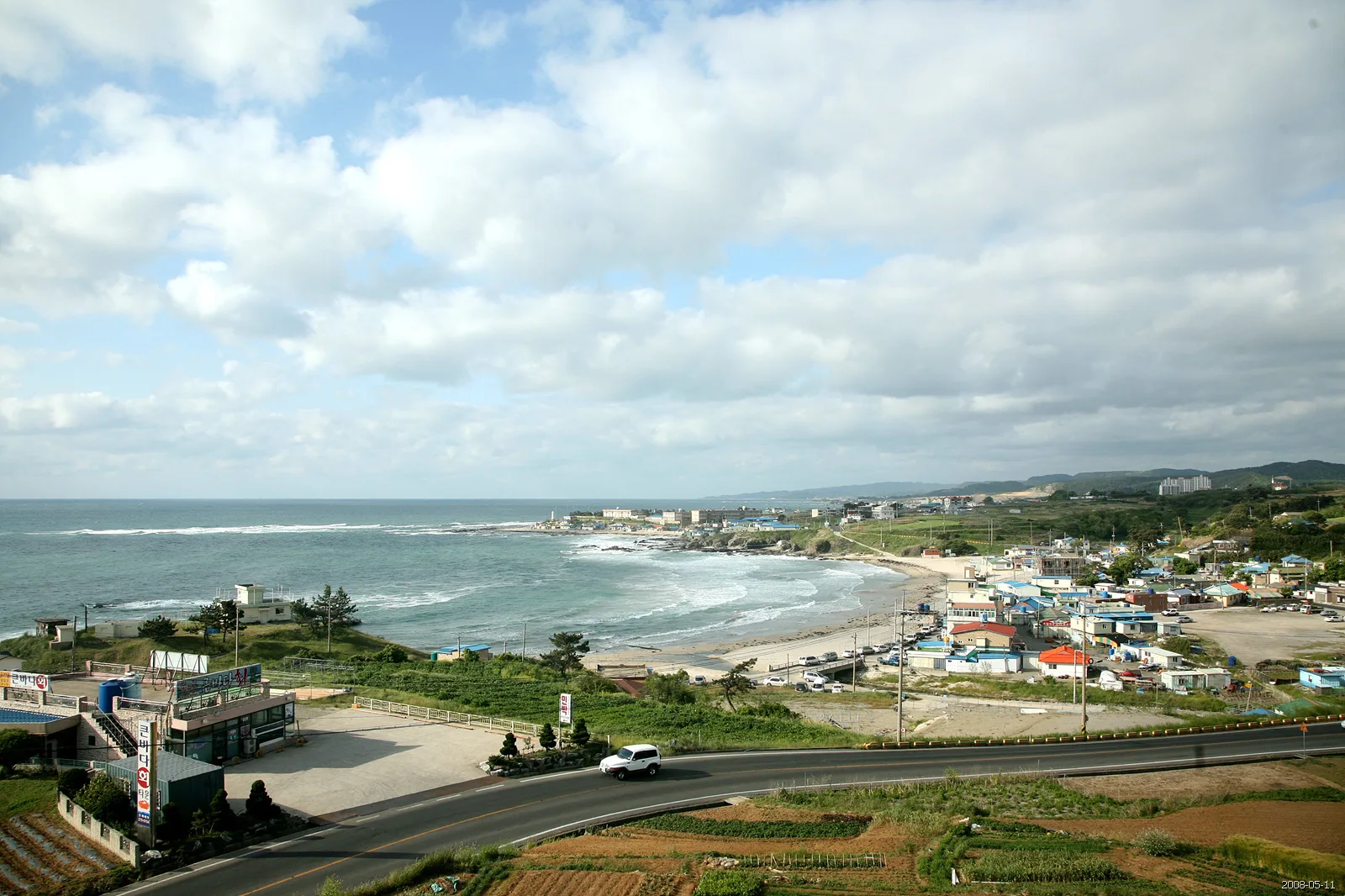
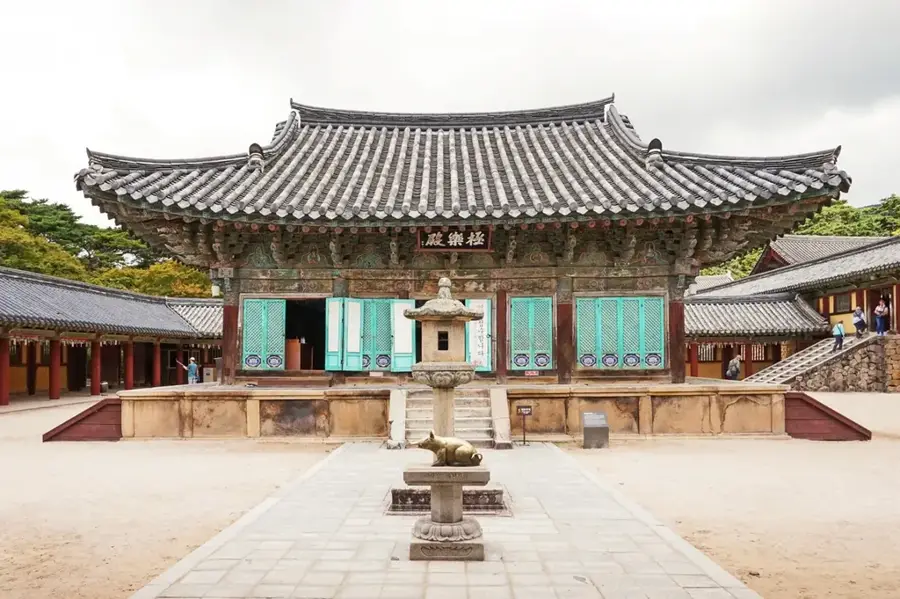
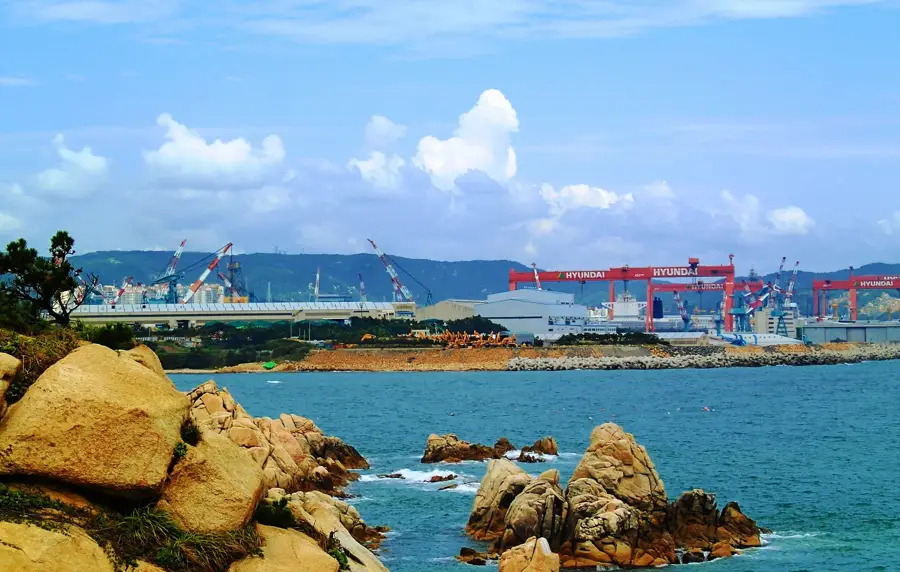
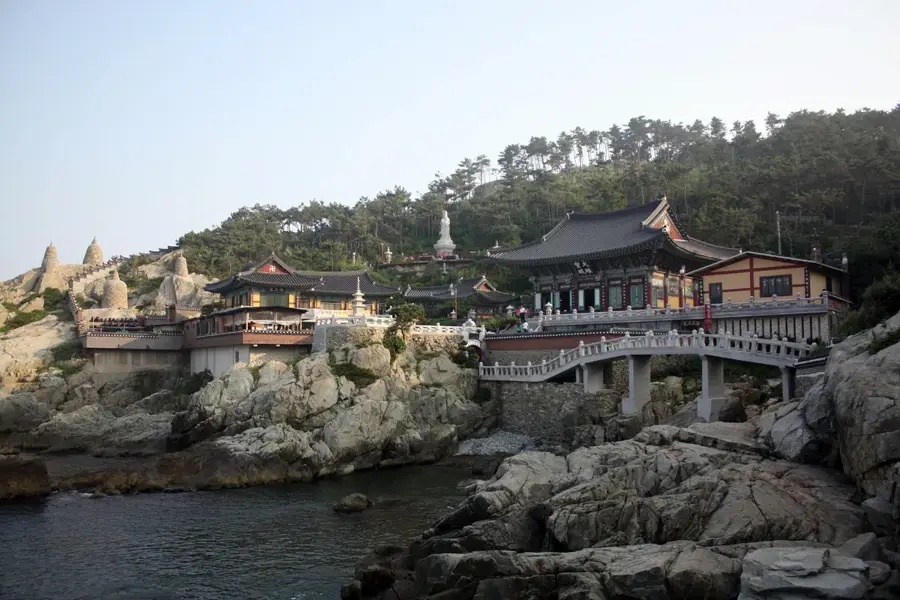
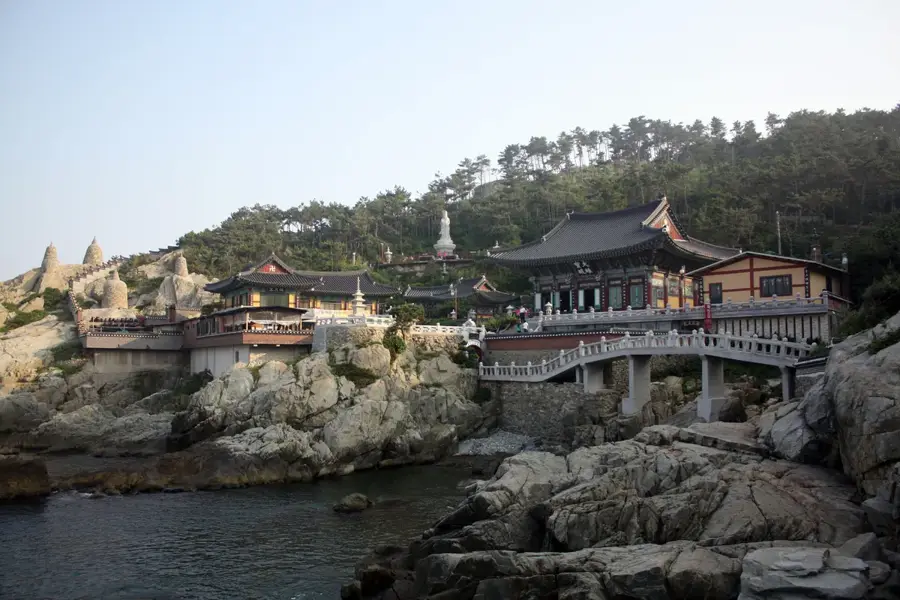
Haedong Yonggungsa Temple in Busan is an architectural anomaly in South Korea, as it is built directly on the rugged coastline rather than in the traditional mountainous regions favored by most Korean Buddhist temples. Founded in 1376 by the great Buddhist teacher Naong during the Goryeo Dynasty, the temple was originally named Boriam. During the Japanese invasions in the late 16th century, the complex was almost entirely destroyed and remained in ruins until its reconstruction began in the 1930s; it was eventually renamed Haedong Yonggungsa in the 1970s. The name translates to 'Dragon Palace Temple by the Sea,' inspired by a vision of the Goddess of Mercy, Gwanseum-bosal. Visitors approach the temple via a bridge and a flight of 108 stone steps, which symbolize the 108 earthly desires in Buddhist teachings. The site features numerous statues, including a grand figure of the compassionate goddess and a three-story pagoda guarded by four stone lions. Especially during the Korean New Year and Buddha's Birthday, when thousands of lanterns illuminate the seaside cliffs, the temple draws countless pilgrims and tourists who come to pray for the fulfillment of their heartfelt wishes.

Best time to visit & climate

The most pleasant time to visit is Jun, Sep, Oct.

JanFebMarAprMayJunJulAugSepOctNovDec
Avg °C24813172124262217114
Rain mm305279137144175299244176754633

📋 Practical info

🚪
Visiting
The Buddhist temple on the coast is open to visitors with free entry. The main hall and coastal paths are accessible, some shrines are covered.
🕒
Typical hours
The temple is usually open from sunrise to sunset. Early morning is the quietest time to experience the sunrise over the sea.
📷
Photography
Photography is allowed throughout the temple grounds, but avoid flash in the main hall. The coastal rocks in the background make for spectacular shots.
⏱️
Time needed
Allow about one hour for a walk around the temple and along the coast. For meditation or lingering, add another half hour.
Combine with
Combine the visit with nearby Busan Aquarium and Haeundae Beach. The city of Busan also gives traditional markets and culinary experiences.
🧭
Getting there
The temple is accessible by subway to Haeundae station, then bus or taxi. Alternatively, a 20-minute walk from the beach is possible.
💡
Insider tip
Visit the temple at high tide when waves crash against the rocks - a spectacular sight. Respect prayer times and dress appropriately.

Geography

Coordinates
35.19100, 129.22300

Facts

  • The temple was established in 1376 by Naong, a royal preceptor of the era.
  • It is one of the few major Buddhist temples located along the Korean coast.
  • The 108 stairs leading to the temple represent 108 earthly desires in Buddhism.
  • The current name Haedong Yonggungsa was officially adopted only in 1974.
  • The three-story pagoda on the site houses relics brought from Sri Lanka.
  • A local legend claims that at least one of your wishes will come true here.

Explore nearby

Notable places around

Route planner — Car & Motorhome

Where do you start? We build the route here, with stops and country notes along the way.

Vehicle
Only stops with (optional):

© OpenStreetMap contributors · OpenRouteService

Sights in the town Haedong Yonggungsa Temple (8)

Life Hot Spring🎡 recreation

A natural thermal spring valued for its mineral-rich hot water baths and relaxing saunas.

Deokseong Gallery🎭 culture

An arts center near Gijang presenting rotating exhibitions of local sculptors and painters.

National Institute of Fisheries Science🏛 museum

This museum is dedicated to marine biology, featuring exhibits on Korea's diverse fish life and fishing technology.

LOTTE WORLD Busan🎡 recreation

A large-scale amusement park in Busan featuring thrilling rides and fairytale-themed zones for families.

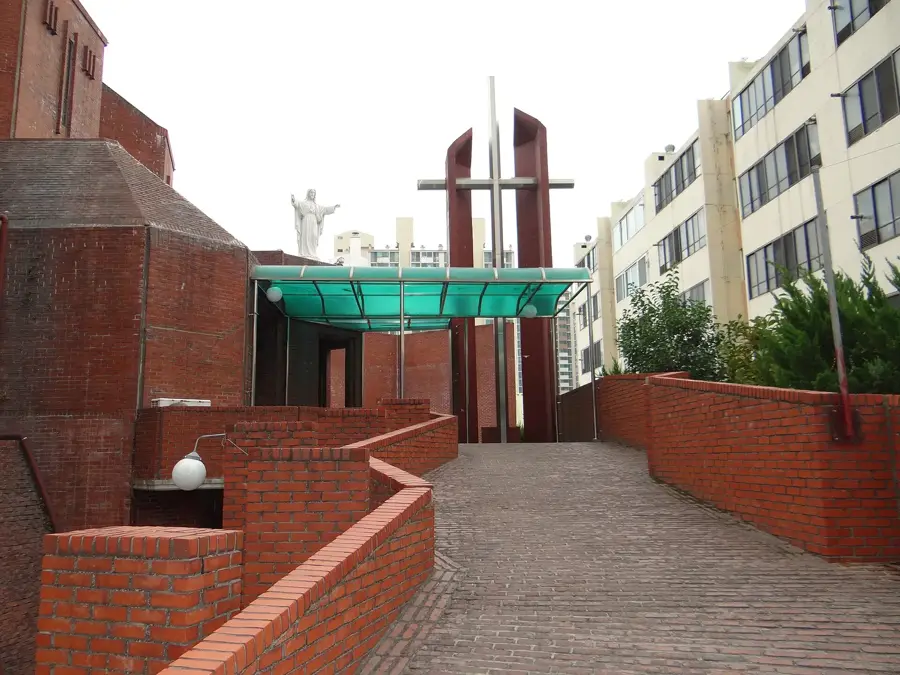
Gijang Catholic Church📍 landmark

A Catholic church in Gijang, known as an important religious center for the region's faithful.

Jeokjo Temple📍 landmark

A quiet Buddhist temple in the Gijang hills, known for its tranquil atmosphere and traditional paintings.

Bansong Catholic Church📍 landmark

A Christian church in the Bansong area, serving as a gathering place for worship and neighborhood social projects.

Gijang Market🎭 culture

A bustling traditional market in Gijang, especially famous for its fresh snow crabs and regional seafood.

Sights nearby

Frequently asked questions

What is unique about this temple?
Unlike most Korean temples located in the mountains, this one is situated directly on the coast.
When is the best time to visit?
Sunrise on New Year's Day is famous, but early mornings on weekdays are also convenient for avoiding crowds.
Is there an admission fee?
Entry to the temple grounds is free, though parking fees may apply.
How do you get there from Busan?
Take the subway to Haeundae Station and then catch bus 181 or take a taxi.
Are there food or drinks available?
Along the entrance path, there are many stalls selling local snacks like oden and hotteok.
Haedong Yonggungsa Temple: where is it located?
Haedong Yonggungsa Temple is located in South Korea.
Haedong Yonggungsa Temple: what is there to see?
Highlights include Life Hot Spring, Deokseong Gallery, National Institute of Fisheries Science.
Haedong Yonggungsa Temple: when is the best time to visit?
The most pleasant time to visit is Jun, Sep, Oct.
Haedong Yonggungsa Temple: why is it worth visiting?

Haedong Yonggungsa Temple in Busan is an architectural anomaly in South Korea, as it is built directly on the rugged coastline rather than in the traditional mountainous regions favored by most Korean Buddhist temples.
View on map → The Top 50 Attractions → OpenStreetMap →
Asia
Explore with Plizio Discover more places in Asia
More places in South Korea →

Nearby cities

History & landmarks
Nature
More places