Plizio Visual Lab

Royal Tombs of the Joseon Dynasty
Plizio editorial teamData Sources
historical-site
—°16
Royal Tombs of the Joseon Dynasty (South Korea)

Weather…

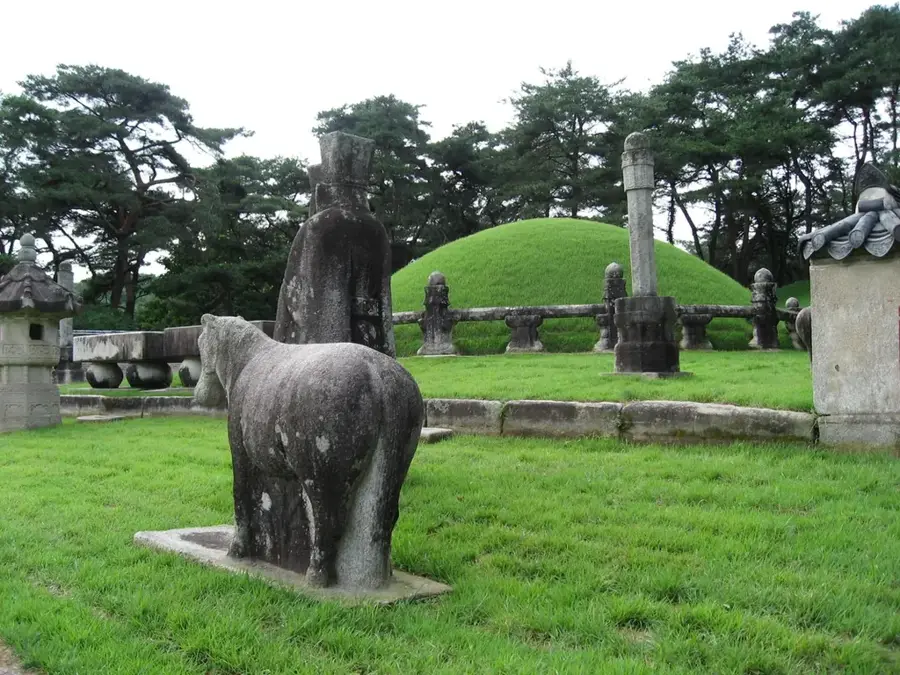
The Royal Tombs of the Joseon Dynasty consist of a cluster of 40 tombs spread across 18 locations, honoring the rulers of Korea from 1408 to 1966. These sites are exceptional examples of Confucian burial traditions, where the harmonious integration of architecture with the natural topography was the paramount concern. Each tomb site was meticulously selected based on strict Feng Shui (Pungsu) principles, ideally protected by mountains to the north and facing water to the south. The tomb complexes are structured into three distinct areas: the entrance marked by a red sacred gate (Hongsalmun), the ritual area featuring a T-shaped hall, and the sacred burial mound itself. UNESCO designated the entire group as a World Heritage Site in 2009, noting that they provide a nearly complete documentation of a single royal lineage spanning five centuries. These tombs are not merely burial grounds but active sites of living tradition, where annual ancestral rites are still performed according to ancient protocols. The artistic craftsmanship of the stone statues guarding the tombs reflects the stylistic evolution of the Joseon era and the enduring legacy of its monarchy.

Best time to visit & climate

The most pleasant time to visit is May, Jun, Sep.

JanFebMarAprMayJunJulAugSepOctNovDec
Avg °C-3-14101621242520147-1
Rain mm2031377284116361260138534722

📋 Practical info

🚪
Visiting
The Royal Tombs of the Joseon Dynasty in South Korea, a UNESCO World Heritage site, are partly open to the public. Some tombs like Dongneung and Seolleung are located in parks and can be viewed from outside, while interiors are often closed.
🕒
Typical hours
The tomb sites typically open from 9:00 AM to 5:00 PM, with last entry usually at 4:00 PM. Many tombs are closed on Mondays, which should be checked in advance.
📷
Photography
Photography is allowed on the grounds of the tombs, but without flash and with respect for the sacred site. Drones are generally not permitted.
⏱️
Time needed
Visiting a single tomb takes about 30 to 45 minutes. If you want to visit multiple tombs in one day, plan at least three hours.
Combine with
Combine your visit to Dongneung tomb with the nearby Seoul Grand Park. The Gyeongbokgung Royal Palace is also worth a day trip.
🧭
Getting there
The tombs are accessible by public transport such as subway and bus, depending on location. Many tombs are located near Seoul and are well signposted.
💡
Insider tip
Visit the tombs on weekdays to avoid crowds. Bring a picnic as the tomb parks often offer peaceful spots to relax.

Geography

Coordinates
37.61800, 127.11200

Facts

  • The World Heritage site comprises 40 tombs across 18 separate locations.
  • The earliest tomb, Geonwolleung, was built in 1408 for King Taejo.
  • UNESCO added the Joseon Royal Tombs to the World Heritage list in 2009.
  • All tomb sites are located within 40 kilometers of the capital city, Seoul.
  • Yeongneung is the joint burial site of King Sejong and his queen.
  • Stone statues at the tombs represent civil officials, military officers, and guardian animals.

Explore nearby

Notable places around
Route planner — Car & Motorhome

Where do you start? We build the route here, with stops and country notes along the way.

Vehicle
Only stops with (optional):

© OpenStreetMap contributors · OpenRouteService

Sights in the town Royal Tombs of the Joseon Dynasty (16)

Gangdong bridge📍 landmark

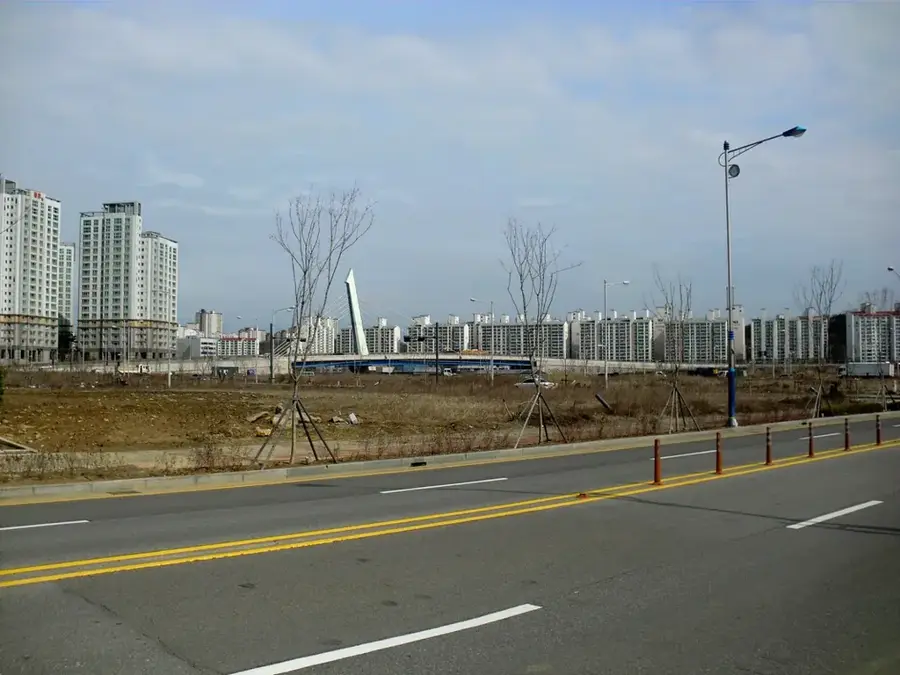
This highway bridge crossing the Han River was opened to traffic in 1991.

Misa bridge📍 landmark

A modern road bridge spanning the Han River, completed in 2009.

Taereung, The tomb of Queen Munjeong📍 landmark

Royal tomb of Queen Munjeong from the Joseon Dynasty, set within a pine forest.

Suraksan🌿 nature

Granite mountain in northern Seoul known for its hiking trails and striking rocky peaks.

Guri Tower🗼 tower

Observation tower with a revolving restaurant, built atop an incinerator facility's chimney.

MT. Bonghwa🌿 nature

Mountain peak featuring a reconstructed historic beacon fire station (Bonghwadae) once used for communication.

Dream Forest Park🌳 park

Large ecological park on the former site of a theme park, featuring forest trails and an observation deck.

Yukgun Museum🏛 museum

Military museum located at the Korea Military Academy, showcasing the history of the Korean Army.

Seonghwa Buddhism Exhibition Hall🏛 museum

Exhibition hall dedicated to displaying Buddhist artworks and religious artifacts.

Seoul Urban Life Museum🏛 museum

Museum documenting the daily life and urban development of Seoul in the post-war era.

🕒 Th-Tu 09:00-17:30

Nowon Culture & Arts Center🎭 culture

Cultural center featuring a large concert hall for performances ranging from classical music to dance.

Korea SGI Nowon Cultural Center🎭 culture

A community center of the Buddhist Soka Gakkai International organization for cultural activities.

Baekje Gallery🎭 culture

Gallery in Nowon district showcasing works by local artists and rotating art exhibitions.

St. Joseph's monastery⛪ religious

Quiet Catholic monastery serving as a place for spiritual retreat and prayer.

Jeongjagak⛪ religious

T-shaped wooden shrine at a royal tomb site used for sacrificial rites in honor of ancestors.

Deokso Chunbukyo Church⛪ religious

A place of worship for the Chunbukyo religious movement located in the Namyangju area.

Sights nearby

Frequently asked questions

What are the Royal Tombs of the Joseon Dynasty?
It is a collection of 40 tombs of kings and queens, distributed across 18 different locations.
Are the tombs part of UNESCO World Heritage?
Yes, they were inscribed in 2009 for their cultural significance and spiritual traditions.
Can you walk on the burial mounds?
No, walking on the mounds is strictly prohibited to preserve their sanctity and structure.
Where are most of the tombs located?
Most of them are located near Seoul and in the surrounding Gyeonggi-do province.
Are there walking paths at the tombs?
Yes, the sites are often set in beautiful forests and offer peaceful walking paths.
Royal Tombs of the Joseon Dynasty: where is it located?
Royal Tombs of the Joseon Dynasty is located in South Korea.
Royal Tombs of the Joseon Dynasty: what is there to see?
Highlights include Gangdong bridge, Misa bridge, Taereung, The tomb of Queen Munjeong.
Royal Tombs of the Joseon Dynasty: when is the best time to visit?
The most pleasant time to visit is May, Jun, Sep.
Royal Tombs of the Joseon Dynasty: why is it worth visiting?

The Royal Tombs of the Joseon Dynasty consist of a cluster of 40 tombs spread across 18 locations, honoring the rulers of Korea from 1408 to 1966.
View on map → The Top 50 Attractions → OpenStreetMap →
Asia
Explore with Plizio Discover more places in Asia
More places in South Korea →

Nearby cities

History & landmarks
More places