Plizio Visual Lab

Hwaseong Fortress
Plizio editorial teamData Sources
Historical site
—°16
Hwaseong Fortress (South Korea)

Weather…

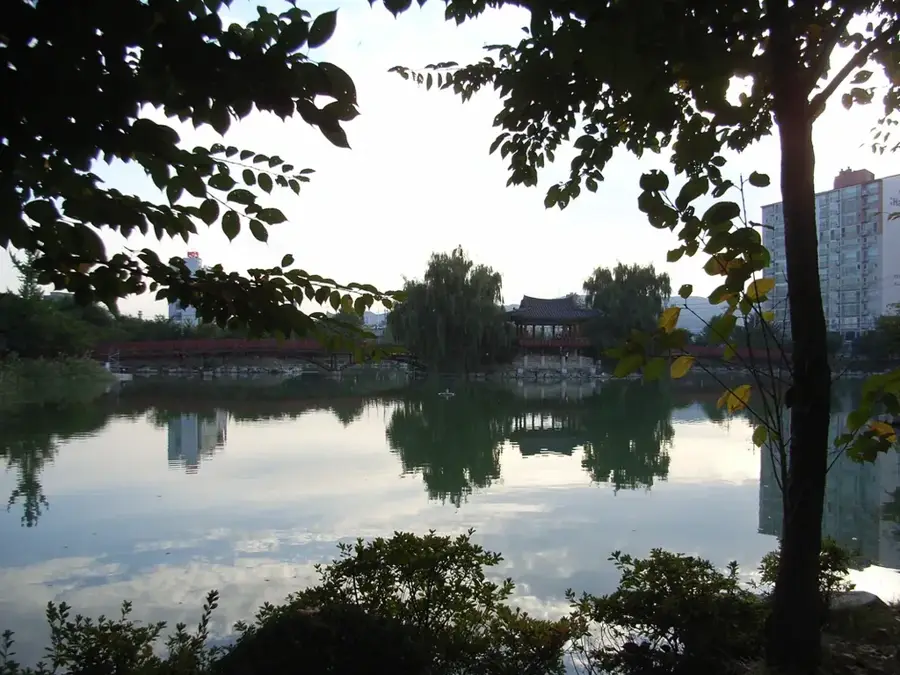
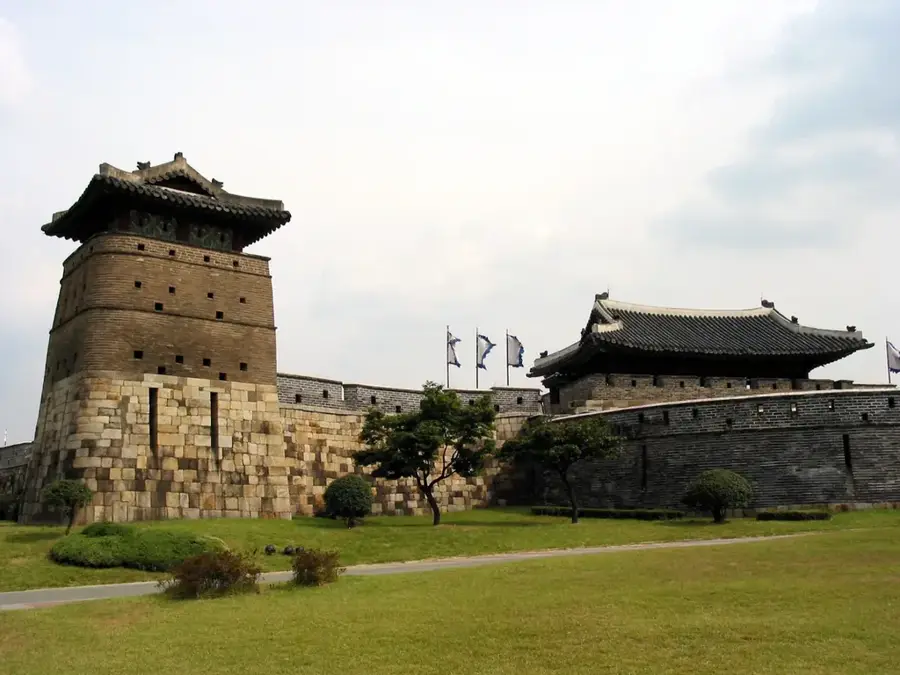
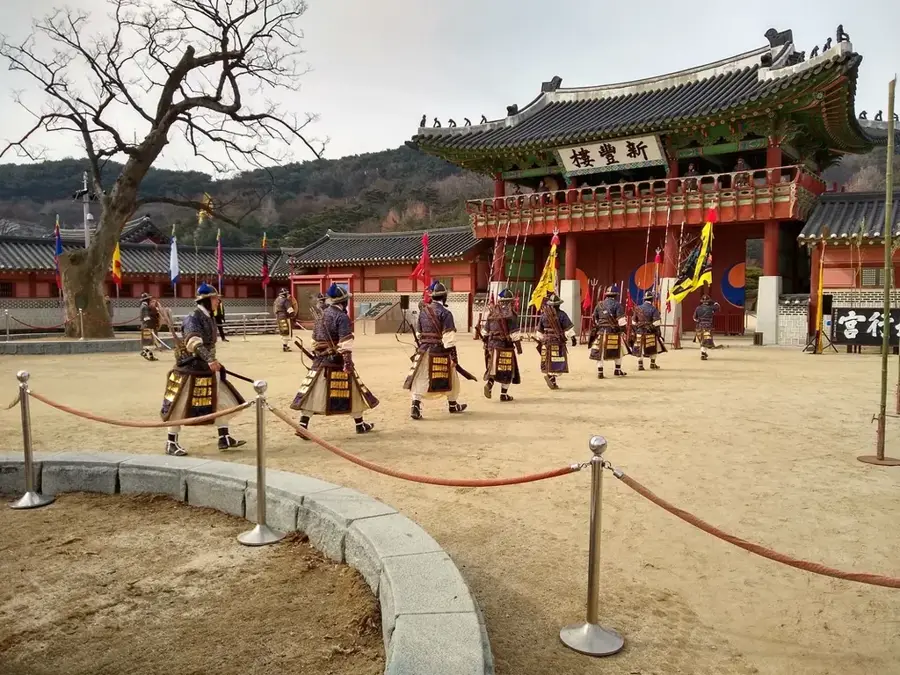
Hwaseong Fortress in Suwon is a monumental defensive structure built between 1794 and 1796 by King Jeongjo to honor his father, Prince Sado. The fortress walls stretch for a total length of 5.74 kilometers, encircling the city center of Suwon. Its architecture is unique for blending traditional Korean building techniques with contemporary Chinese and Western scientific influences, particularly through the pioneering use of pulleys and cranes. The fortification features four main gates and numerous watchtowers, bastions, and signal towers strategically positioned along its perimeter. Despite suffering significant damage during the Korean War, it was meticulously restored in the 1970s using the original construction records known as 'Hwaseong Seongyeok Uigwe.' In 1997, it was designated a UNESCO World Heritage site, celebrated as a masterpiece of late Joseon Dynasty military architecture and urban planning. It remains a key historical landmark showcasing 18th-century engineering prowess.

Best time to visit & climate

The most pleasant time to visit is May, Jun, Sep.

JanFebMarAprMayJunJulAugSepOctNovDec
Avg °C-3-14101621242520147-1
Rain mm2031377284116361260138534722

📋 Practical info

🚪
Visiting
Hwaseong Fortress is an impressive 18th-century fortification that surrounds the city of Suwon and can be visited freely. Visitors can explore the well-preserved city walls, gates, and watchtowers.
🕒
Typical hours
The fortress grounds are typically open daily from 9 AM to 6 PM, with last entry at 5 PM. Some sections like Haenggung Palace may have slightly different hours.
📷
Photography
Photography is allowed without restrictions throughout the grounds. Drone flights are not permitted to protect the historical fabric.
⏱️
Time needed
A full circuit of the fortress walls on foot takes about two to three hours. Those who want to visit the inner palaces and museums should plan for a full day.
Combine with
Hwaseong can be combined with the nearby Suwon Folk Museum and the traditional market in the old city. Haenggung Palace is also part of the fortress complex and worth a visit.
🧭
Getting there
Suwon is conveniently reachable by subway from Seoul (Line 1) in about 30 minutes. From Suwon Station, local buses run to various fortress gates.
💡
Insider tip
Wear comfortable shoes for the walk on the walls as there are many steep sections. A visit in the early morning or late afternoon is more pleasant due to less heat and fewer crowds.

Geography

Coordinates
37.28600, 127.01800

Facts

  • The total length of the fortress walls is exactly 5.74 kilometers.
  • Construction was completed in just 33 months, from 1794 to 1796.
  • The perimeter includes 48 distinct defensive structures and gates.
  • UNESCO designated Hwaseong as a World Heritage site in 1997.
  • The 'Geojunggi' pulley system was invented to lift stones weighing 7 tons.
  • The wall height typically ranges between 4 and 6 meters.

Explore nearby

Notable places around

Route planner — Car & Motorhome

Where do you start? We build the route here, with stops and country notes along the way.

Vehicle
Only stops with (optional):

© OpenStreetMap contributors · OpenRouteService

Sights in the town Hwaseong Fortress (16)

EMU-250📍 landmark

High-speed electric train prototype displayed as a monument to rail technology.

Simgokseowon Confucian Academy📍 landmark

17th-century Confucian academy dedicated to the scholar-statesman Jo Gwang-jo.

Map Museum🏛 museum

Unique museum displaying historic Korean cartography and modern satellite imaging.

Hyeongjebong🌿 nature

Popular hiking summit on Gwanggyosan mountain known for its twin rocky peaks.

Gwanggyosan🌿 nature

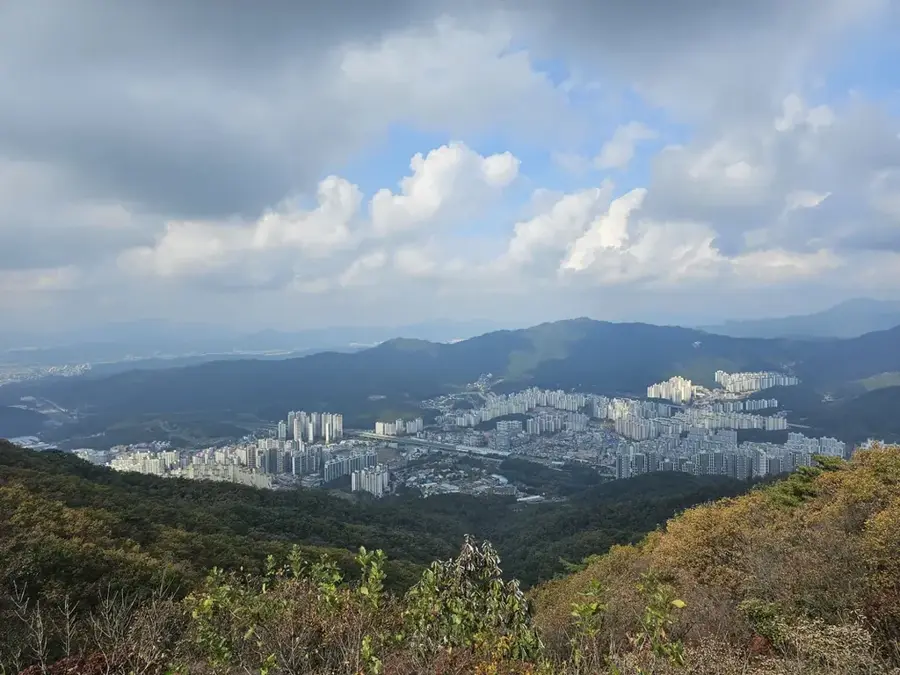
The highest mountain in Suwon, offering extensive trails and views over Greater Seoul.

Haewoojae (Mr.Toilet house)🏛 museum

Whimsical museum built in the shape of a giant toilet to promote global sanitation.

🕒 Tu-Su 10:00-18:00

World Cup Memorial Hall🏛 museum

This museum commemorates the 2002 FIFA World Cup with displays of memorabilia and tournament highlights.

Eastern Bastion II🏰 castle

A sturdy defensive stone structure on the fortress wall equipped with gun ports to protect the eastern perimeter.

Eastern Bastion I🏰 castle

A protruding stone defensive post along the wall designed to provide flanking fire against attackers.

Northwestern Watchtower🏰 castle

This elevated brick and timber pavilion served as a strategic surveillance post overlooking the fortress's northwestern corner.

KNRC Globe🏺 historical

A prominent spherical monument located near the Red Cross headquarters, symbolizing global humanitarian efforts.

Rail Tower🏺 historical

A tall, symbolic steel tower situated near the railway museum that celebrates Korea's long history of rail transport.

Korea SGI Jangansinsegi Cultural Center🎭 culture

A community hub that provides versatile spaces for diverse artistic performances and local cultural exhibitions.

Uidang Gallery🎭 culture

A refined gallery space dedicated to the display and preservation of traditional calligraphy and ink wash paintings.

Suho Gallery🎭 culture

A creative contemporary space that showcases experimental works and supports emerging artists in the Suwon art scene.

Northeastern Gate Guard Post📍 landmark

A stone defensive projection on the wall positioned to protect the nearby Hwahongmun sluice gate from attackers.

Sights nearby

Frequently asked questions

Where is Hwaseong Fortress located?
The fortress surrounds the center of Suwon, about 30 kilometers south of Seoul.
Can you walk along the fortress wall?
Yes, the 5.7 km circular path along the wall is walkable and has great views of the city.
Are there special activities?
Visitors can try traditional Korean archery at the Yeonmudae post.
When is the best time to visit?
Especially in the evening, when the walls and gates are illuminated, the atmosphere is magical.
Is the entrance free?
A small fee is charged for some sections of the wall and the Haenggung Palace.
Hwaseong Fortress: where is it located?
Hwaseong Fortress is located in South Korea.
Hwaseong Fortress: what is there to see?
Highlights include EMU-250, Simgokseowon Confucian Academy, Map Museum.
Hwaseong Fortress: when is the best time to visit?
The most pleasant time to visit is May, Jun, Sep.
Hwaseong Fortress: why is it worth visiting?

Hwaseong Fortress in Suwon is a monumental defensive structure built between 1794 and 1796 by King Jeongjo to honor his father, Prince Sado.
View on map → The Top 50 Attractions → OpenStreetMap →
Asia
Explore with Plizio Discover more places in Asia
More places in South Korea →

Nearby cities

History & landmarks
More places