Plizio Visual Lab

Zulu Highlands
Plizio editorial teamData Sources
Mountain
—°1
Zulu Highlands (South Africa)

Weather…

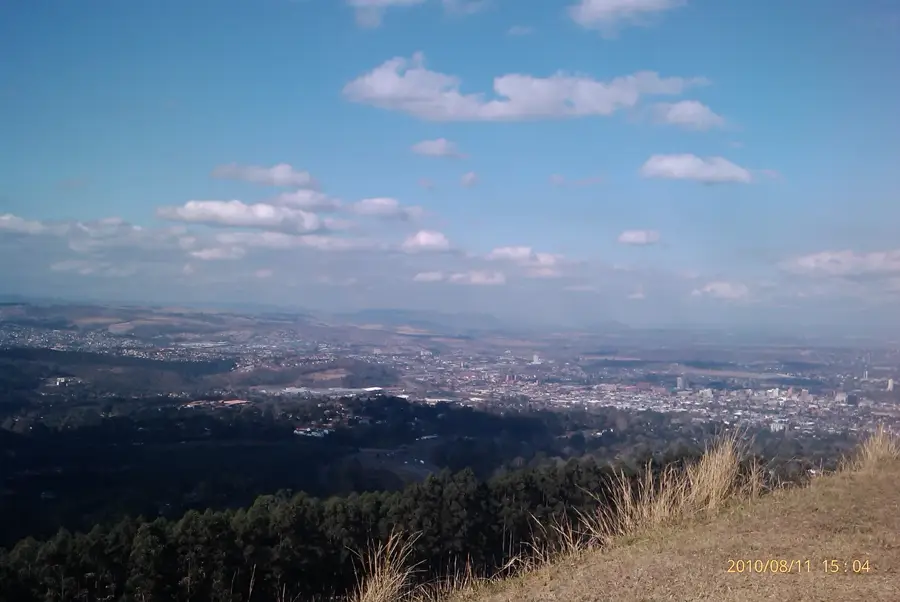
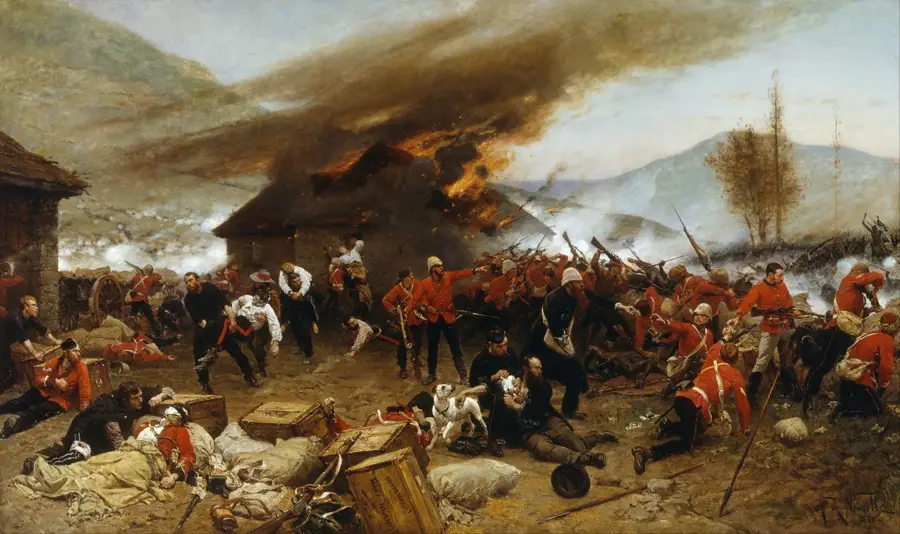
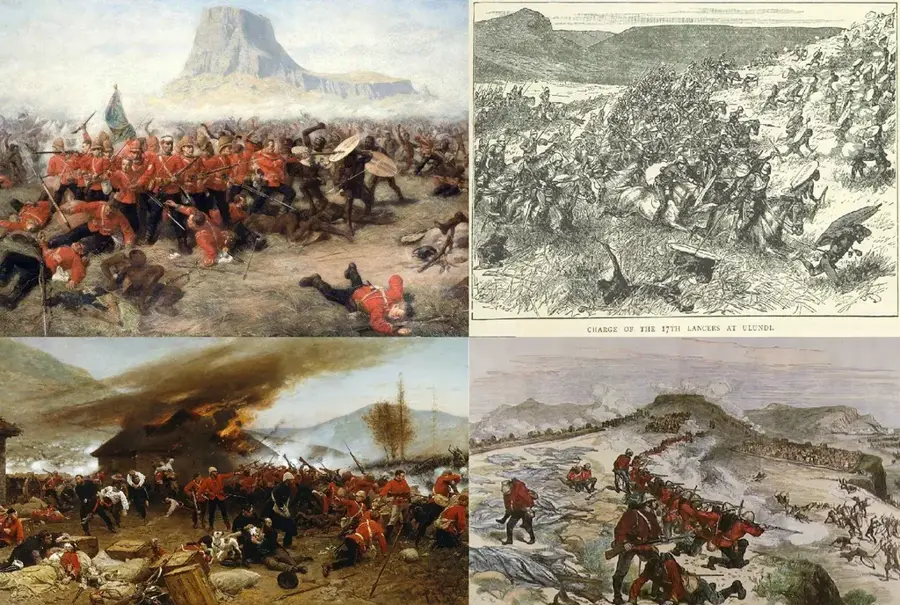
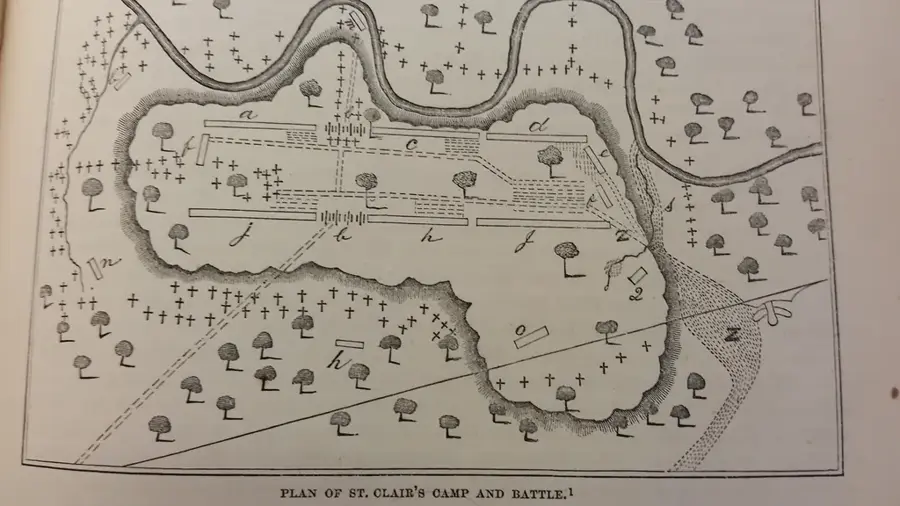
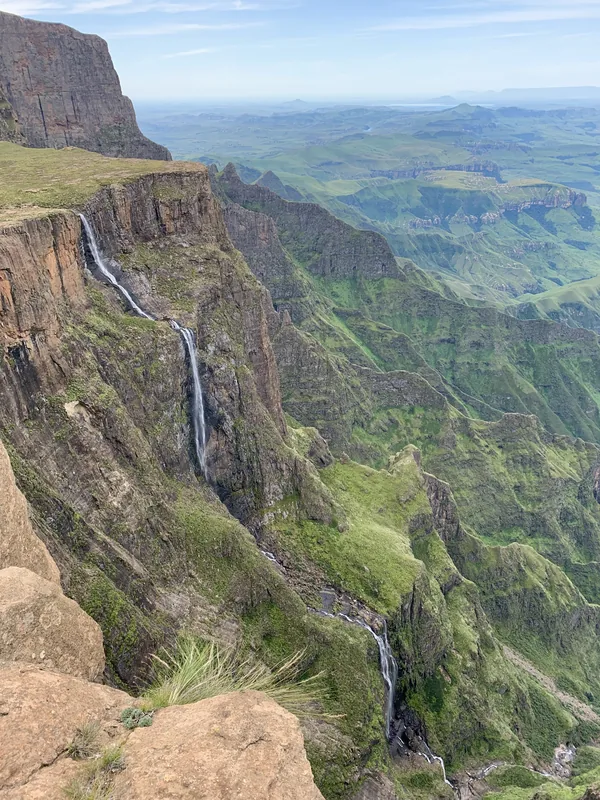
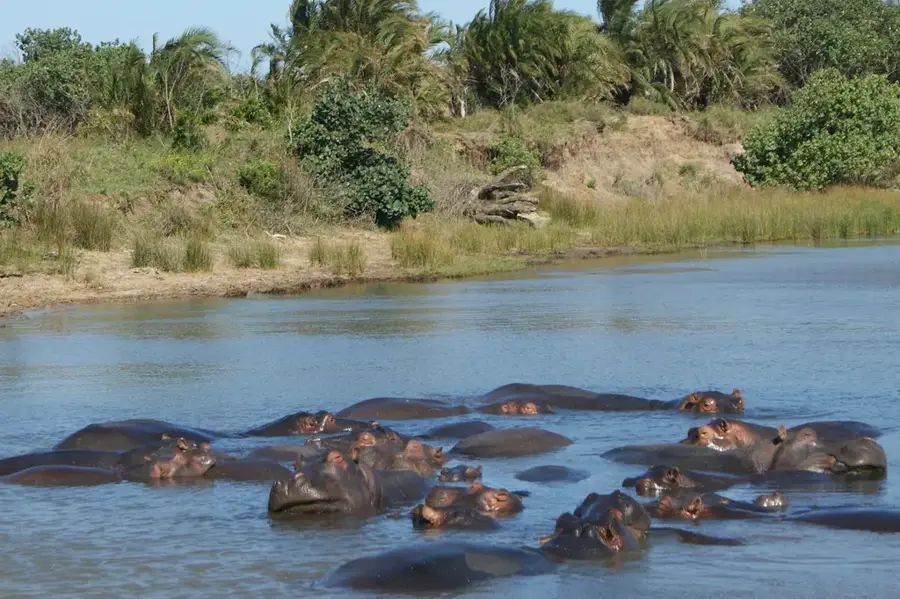
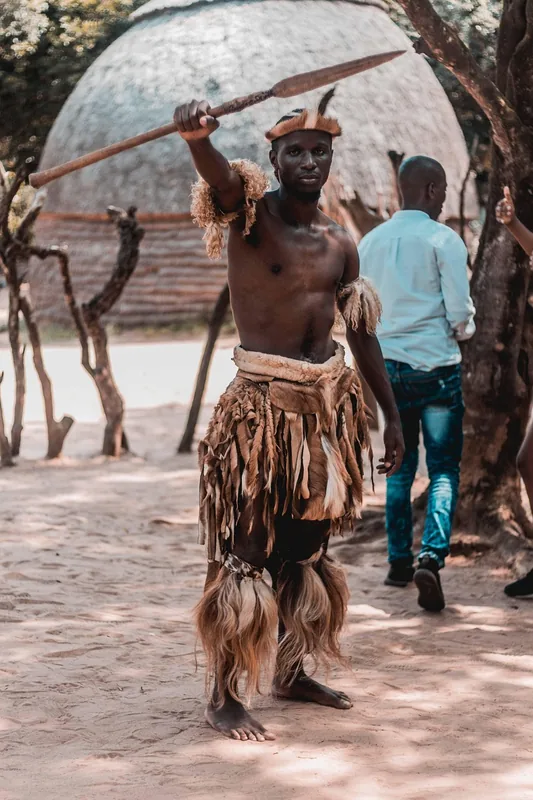
The Zulu Highlands cover the undulating interior of KwaZulu-Natal in eastern South Africa, a region defined by its rolling green hills, deep valleys, and prominent kranses (cliffs). Elevations in this area typically range from 1000 to 1500 meters above sea level, providing a cooler and more temperate climate than the humid coastal belt. This is the traditional heartland of the Zulu nation, where King Shaka established his powerful empire in the early 1800s. The Highlands are steeped in military history, serving as the battlefield for numerous conflicts between the Zulus, the British, and the Boers, most notably the 1879 battles of Isandlwana and Rorke’s Drift. Frequent mist and high rainfall sustain patches of indigenous mist-belt forests and vast grasslands convenient for cattle ranching, which remains a cornerstone of Zulu wealth and status. Today, the region gives a blend of bustling traditional culture, historical monuments, and diverse wildlife viewing in reserves like Ithala. The landscape is not only beautiful but serves as a living record of South Africa's complex historical evolution.

Best time to visit & climate

The most pleasant time to visit is Feb, Mar, Sep.

JanFebMarAprMayJunJulAugSepOctNovDec
Avg °C212019161410101316181920
Rain mm166136104601715172550101132161

📋 Practical info

🧭
Getting there
The Zulu Highlands in South Africa are typically accessible via well-maintained roads and secondary routes in the heart of KwaZulu-Natal. Larger towns such as Winterton, Bergville, or Estcourt often serve as starting points for journeys into the higher regions. Access to specific hiking trails or viewpoints may require using smaller, unpaved roads. Traveling with one's own vehicle or a rental car is the most flexible option. Local taxis or shuttles might also be a way to reach more remote areas, but their availability should be checked beforehand.
📅
Best season
The best seasons to visit the Zulu Highlands are the South African spring (September to November) and autumn (March to May), when the weather is mild and pleasant, and the landscape is in full bloom or displays autumnal colors. The summer months (December to February) are warmer but also bring more frequent thunderstorms and higher humidity, which can make hiking more challenging. In winter (June to August), days are clear and cool, but nights are often frosty, which can be good for some activities. Climatic conditions are generally moderate.
⛰️
Terrain & paths
The terrain of the Zulu Highlands, as its name implies, is strongly characterized by hilly and mountainous formations, which can range from gentle slopes to steeper ascents. There are a variety of hiking trails, from well-marked and maintained paths to more challenging, rugged routes that require sure footing. Some areas can be rocky or eroded, especially after heavy rains. Visitors should be prepared for uneven ground and possible muddy sections. Navigation is usually easy on marked trails, but off them, a compass or GPS can be useful.
🎒
What to bring
For hiking in the Zulu Highlands, sturdy hiking boots with good grip are essential. Layered clothing is recommended to be prepared for changing weather conditions, including a waterproof jacket. A backpack with ample drinking water, high-energy snacks, sunscreen, a hat, and insect repellent should also be carried. For longer tours, a map and compass or GPS device are helpful. A first-aid kit is always advisable, especially in more remote areas. Trekking poles can provide support on steeper sections.
🅿️
Parking
Parking options in the Zulu Highlands are mostly found at hiking trailheads, nature reserves, or near tourist facilities and smaller towns. Many lodges and guesthouses also offer parking for their guests. In some more remote areas, informal roadside parking may be used, though attention should be paid to safety and signage. It is advisable to inquire beforehand about specific parking options at your planned starting point. Availability can vary seasonally. Thorough planning is recommended, especially during peak travel times.
⚠️
Safety
When exploring the Zulu Highlands, caution is advised on hiking trails, especially on uneven terrain and during potential weather changes, as fog or thunderstorms can develop rapidly. It is important to always carry enough water and protect oneself from the sun. Encounters with wildlife are possible, so maintain a respectful distance and do not feed animals. Always inform someone about your planned route and estimated return time, especially for longer or remote hikes. Mobile phone reception can be limited in some valleys. It is advisable to always carry a charged mobile phone.
⏱️
Time needed
The duration of a visit to the Zulu Highlands largely depends on the chosen activity. Shorter walks or exploring smaller viewpoints might take two to three hours. For extensive hikes and trekking tours, one should plan for half a day to a full day, or even several days, especially if wanting to experience the Drakensberg more intensely. Many visitors typically spend a full day hiking and observing nature. It is advisable to consider the planned route and one's own fitness level to determine the appropriate duration.

Geography

Coordinates
-29.00000, 30.00000

Facts

  • The average altitude of the Zulu Highlands ranges from 1000m to 1500m.
  • The historic Zulu capital of Ulundi is located within these highlands.
  • The region is home to the eMakhosini Valley, the burial place of Zulu kings.
  • Mist-belt forests in the area contain rare yellowwood trees.
  • Agriculture is dominated by cattle farming and sugar cane in the lower parts.
  • The 1879 Anglo-Zulu War battles significantly shaped the region's history.

Explore nearby

Notable places around

Route planner — Car & Motorhome

Where do you start? We build the route here, with stops and country notes along the way.

Vehicle
Only stops with (optional):

© OpenStreetMap contributors · OpenRouteService

Sights in the town Zulu Highlands (1)

Natal (province)📍 landmark

Natal was a historical province in eastern South Africa, known for its subtropical coast and the Zulu Highlands interior.

Sights nearby

Frequently asked questions

Is the Zulu Highlands suitable for families?
Yes, there are gentle walking trails and nature experiences for all ages.
What gear do I need for the highlands?
Sturdy footwear, sun protection, and warm clothing for evening cold.
Are there guided tours in the Zulu Highlands?
Yes, local guides offer cultural and ecological tours.
Is access to the highlands safe?
Main trails are safe, always follow marked routes.
When is the best time to visit Zulu Highlands?
Winter is dry and cool, convenient for panoramic views.
Zulu Highlands: where is it located?
Zulu Highlands is located in South Africa.
Zulu Highlands: when is the best time to visit?
The most pleasant time to visit is Feb, Mar, Sep.
Zulu Highlands: why is it worth visiting?

The Zulu Highlands cover the undulating interior of KwaZulu-Natal in eastern South Africa, a region defined by its rolling green hills, deep valleys, and prominent kranses (cliffs).
View on map → The Top 50 Attractions → OpenStreetMap →
Africa
Explore with Plizio Discover more places in Africa
More places in South Africa →

History & landmarks

Nature

More places