Plizio Visual Lab

Juma Masjid Mosque
Plizio editorial teamData Sources
Landmark
—°11
Juma Masjid Mosque (South Africa)

Weather…

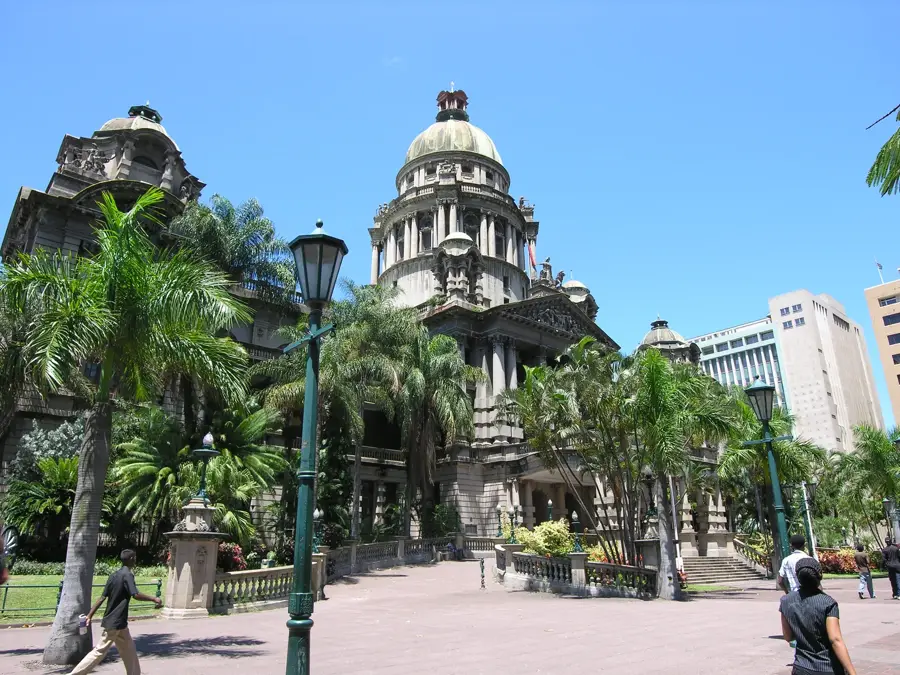
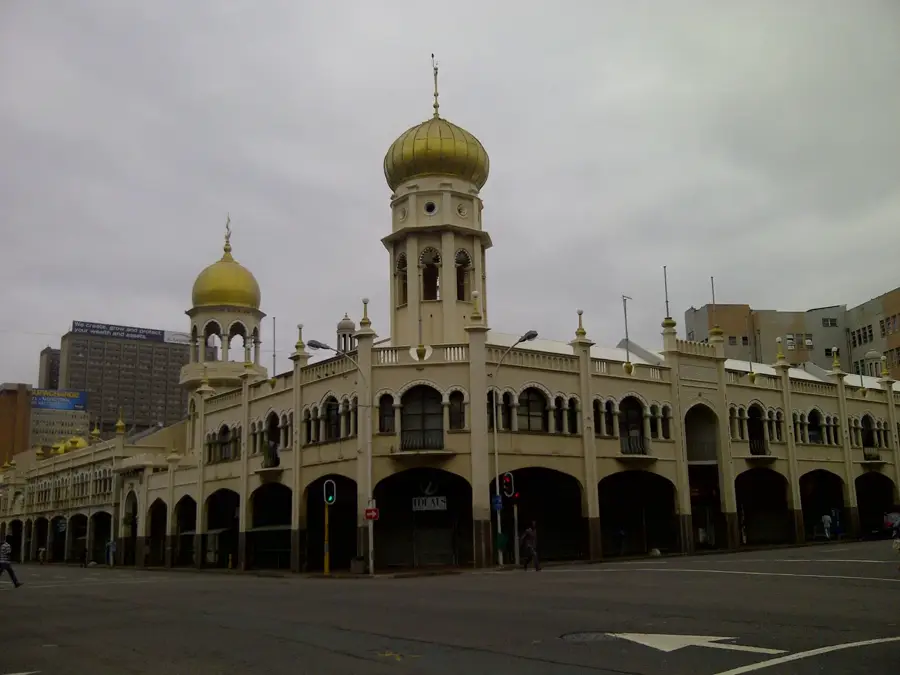
The Juma Masjid Mosque in Durban, also known as the Grey Street Mosque, is a significant religious and architectural landmark in South Africa. Its construction began in the late 19th century after Indian traders purchased land in Grey Street, and it underwent several expansions over the following decades. Today, it is recognized as one of the largest mosques in the Southern Hemisphere, famous for its striking golden domes and tall minarets. The architectural style blends Indo-Islamic influences with colonial elements, providing a massive prayer hall that can accommodate up to 6,000 worshippers. The mosque is not only a center for spiritual life but also a symbol of the Indian community's historical presence and contribution to Durban's urban fabric. Guided tours are often available for non-Muslim visitors outside of prayer times to appreciate the intricate craftsmanship and historical significance of the site.

Best time to visit & climate

The most pleasant time to visit is Jun–Aug.

JanFebMarAprMayJunJulAugSepOctNovDec
Avg °C252525232221202020212223
Rain mm1078490654027423665100122110

📋 Practical info

🚪
Visiting
The Juma Masjid Mosque is an active place of worship, open to visitors. Non-Muslims may enter the prayer hall outside prayer times if they behave respectfully.
🕒
Typical hours
The mosque is open daily for the five prayer times; visitors can use the intervals between prayers. Typically it is accessible from morning to evening, with breaks during prayers.
📷
Photography
Photography is allowed in the courtyard and main hall, but not during prayers. Remove your shoes before entering and dress modestly.
⏱️
Time needed
Allow about 30 to 45 minutes for a respectful visit and to admire the architecture. If you join a guided tour, it may take longer.
Combine with
The mosque is located in central Durban; combine the visit with the Indian Quarter and Victoria Street Market. Both are within walking distance and offer cultural contrasts.
🧭
Getting there
The mosque is easily reachable by taxi or bus from the city center. Parking is limited; use public transport or walk.
💡
Insider tip
Visit the mosque during the call to prayer to experience the spiritual atmosphere. Women should bring a scarf to cover their hair.

Geography

Coordinates
-29.85800, 31.02100

Facts

  • The original mosque structure was established as early as 1881.
  • The main prayer hall has the capacity to hold up to 6,000 people.
  • It was for a long time the largest mosque in the Southern Hemisphere.
  • The iconic golden domes were added to the design in 1905.
  • It is located in the heart of Durban's central business district on Grey Street.
  • The building is a designated national monument of South Africa.

Explore nearby

Notable places around
Route planner — Car & Motorhome

Where do you start? We build the route here, with stops and country notes along the way.

Vehicle
Only stops with (optional):

© OpenStreetMap contributors · OpenRouteService

Sights in the town Juma Masjid Mosque (11)

Botanise Tuine🏺 historical

Botanise Tuine is a green monumental area in the botanical district showcasing a variety of indigenous African flora.

Bell Tower🏺 historical

The freestanding Bell Tower is an architectural monument in the botanical gardens, attracting visitors with its historic chimes.

Botanic Gazebo🏺 historical

This ornate gazebo serves as a shaded resting place and historical monument amidst the blooming botanical gardens.

Amphitheatre🎭 culture

The open-air amphitheater features curved seating used for cultural performances and urban gatherings.

Victoria Street Market📍 landmark

This lively market is a feast for the senses, famous for its colorful spice stalls, handmade Indian fabrics, and local crafts.

Umkhumbane Museum🏛 museum

The Umkhumbane Museum is dedicated to the heritage of Cato Manor, highlighting the history of forced removals during apartheid.

Palmiet Nature Reserve🌿 nature

This nature reserve protects a scenic river valley environment near the Juma Mosque.

Roy Couzens Theatre🎭 culture

This local theatre serves as a cultural performance space in the Juma Mosque district.

Pigeon Valley🌿 nature

Known for its rare bird species, this nature reserve protects a remnant patch of indigenous coastal climax forest.

Grey Street Mosque⛪ religious

Opening in 1930, this prominent place of worship is also known as the Juma Mosque and features distinctive architectural elements.

Emmanuel Cathedral⛪ religious

This imposing cathedral serves as a central spiritual landmark with its detailed Gothic Revival architectural style.

Sights nearby

Frequently asked questions

Is the Juma-Masjid-Mosque accessible to tourists?
Visitors are welcome, provided they act respectfully and dress appropriately.
Are there dress codes?
Yes, shoulders and knees should be covered; women should wear a headscarf.
When is the best time to visit?
Outside of prayer times to avoid disturbing those in worship.
How old is the mosque?
It was built in the late 19th century and is historically very significant.
Is there an entry fee?
No, entry is free, but donations are welcome.
Juma Masjid Mosque: where is it located?
Juma Masjid Mosque is located in South Africa.
Juma Masjid Mosque: what is there to see?
Highlights include Botanise Tuine, Bell Tower, Botanic Gazebo.
Juma Masjid Mosque: when is the best time to visit?
The most pleasant time to visit is Jun, Aug.
Juma Masjid Mosque: why is it worth visiting?

The Juma Masjid Mosque in Durban, also known as the Grey Street Mosque, is a significant religious and architectural landmark in South Africa.
View on map → The Top 50 Attractions → OpenStreetMap →
Africa
Explore with Plizio Discover more places in Africa
More places in South Africa →

History & landmarks

Nature

More places