Plizio Visual Lab
Ostrołęka
ℹ️Practical info — Ostrołęka
▾
🌤 Weather — 5 days
📍 Nearby
Sights nearby
💡 Tips
- Ostrołęka is the cultural capital of the Kurpie region. The Museum of Kurpie Culture is for local history.
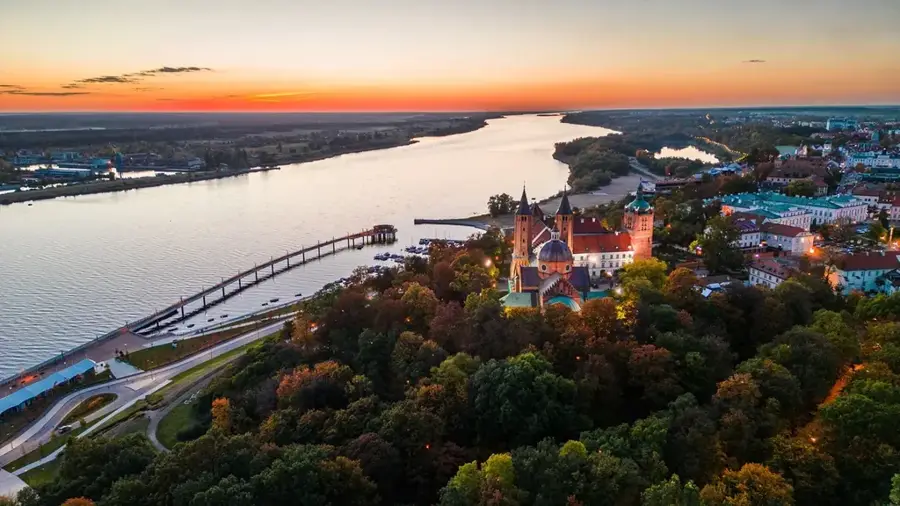
- The Narew river boulevards offer great walking and cycling paths, especially scenic during sunset.
- You can rent a kayak to paddle down the Narew River, a peaceful way to see the surrounding nature.
- Try to time your visit with the 'Kurpian Honey Harvest' (Miodobranie Kurpiowskie) in late summer for traditional festivities nearby.
🍽 Food
A traditional Kurpian potato dish, often baked with pork fat and served in regional restaurants around the city.
Known for its high quality. Buy a jar at the market or enjoy it drizzled over local desserts.
A unique traditional non-alcoholic beverage from the region made from juniper berries. Ask for it in traditional eateries.
🛍 Shopping · 🧘 Quiet spots
Look for traditional colorful paper cut-outs (wycinanki) at local craft shops or the museum gift shop.
The region has a history of amber processing; small boutiques may sell locally crafted amber pieces.
A newly developed area along the river, great for a quiet stroll or relaxing on a bench.
A centrally located green space with shaded alleys, handy for a short break during sightseeing.
Water temperature…
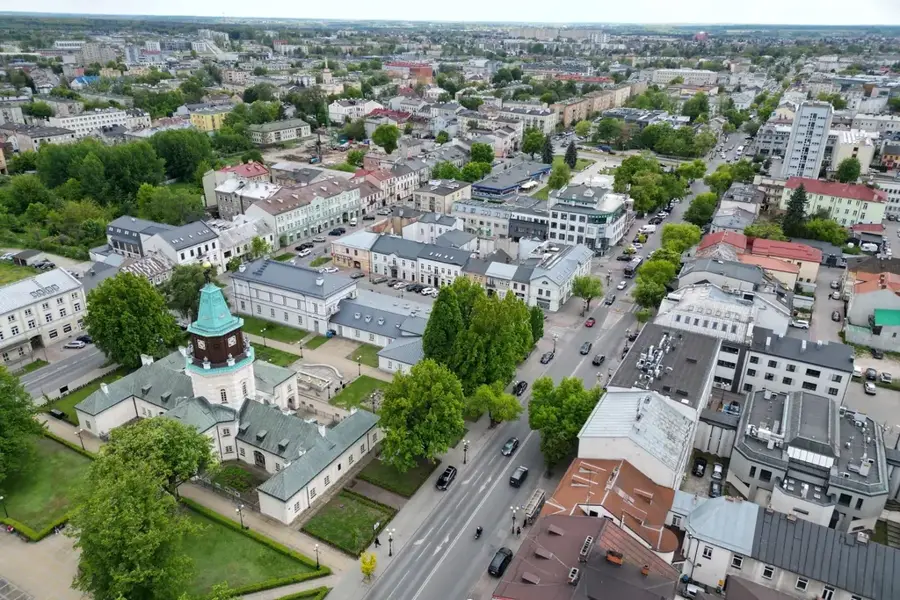
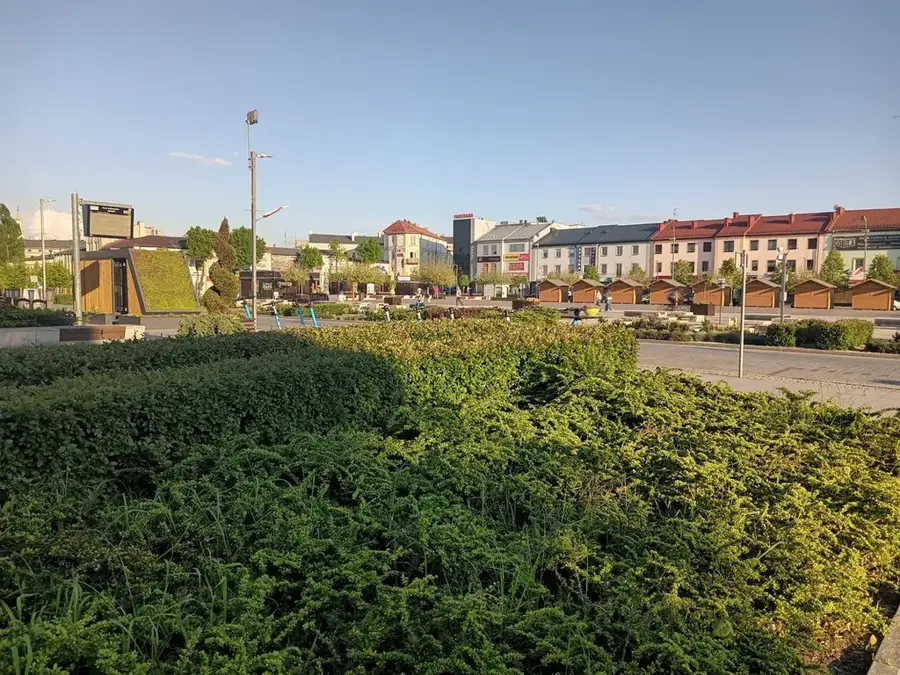
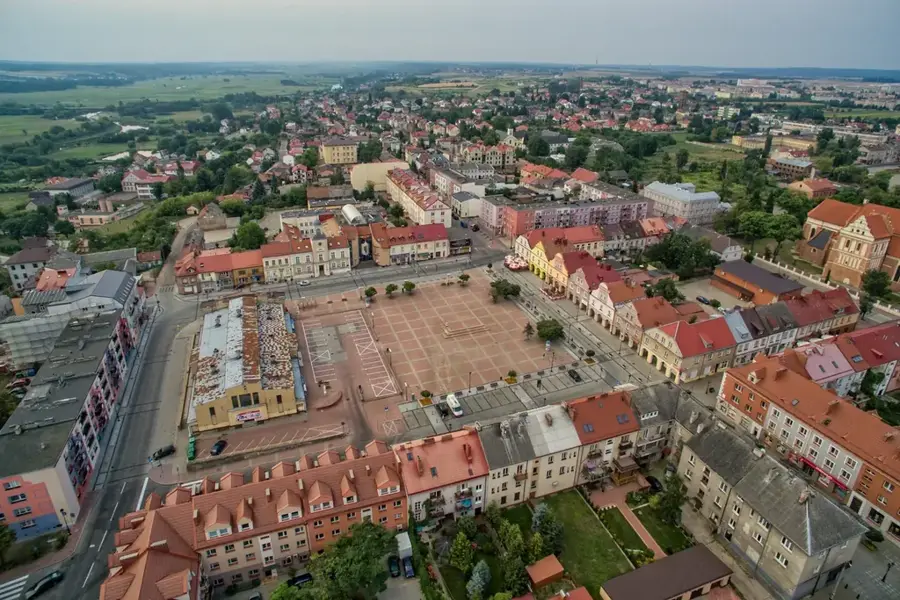
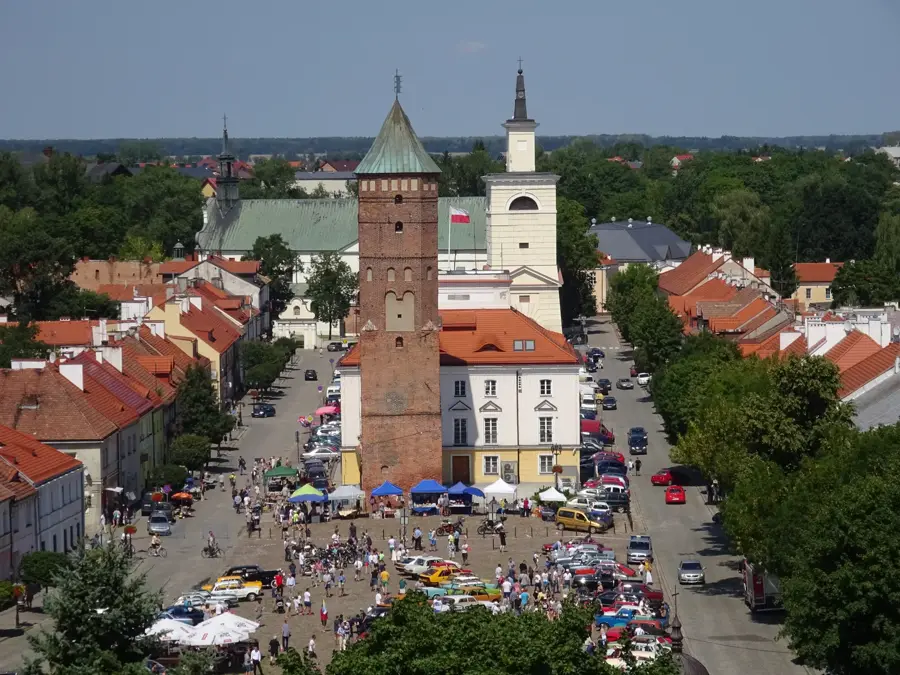
Ostrołęka is a significant regional center located in the northeastern part of the Masovian Voivodeship in Poland, situated along the banks of the Narew River. The city's history dates back to the 11th century, though it officially received town rights in 1373 from Prince Siemowit III. Ostrołęka is most famous in European history for the Battle of Ostrołęka, which took place on May 26, 1831, during the November Uprising, where Polish forces fought against the Imperial Russian Army. Today, the city is a major industrial hub, hosting one of Poland's largest power plants and a significant paper manufacturing facility operated by Stora Enso. It also serves as a cultural gateway to the Kurpie region, preserving unique local folklore, traditional crafts, and architectural styles. The city's layout still reflects its historical development, with a mix of industrial zones and residential areas that have evolved significantly since the post-war reconstruction period.
- Location: Poland
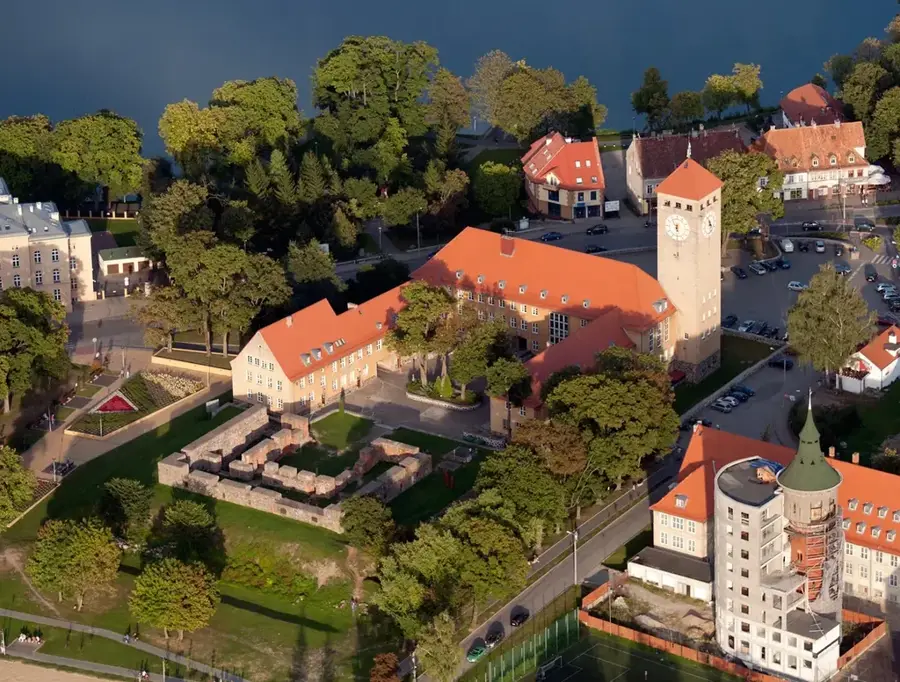
- Top sights: Muzeum Kultury Kurpiowskiej · Park Wodny AQUARIUM · Grodzisko "Stare Miasto"
- Nearby: Łomża (36 km)
- Population: ~53.740
Best time to visit & climate
The most pleasant time to visit is Jun–Aug.
| Jan | Feb | Mar | Apr | May | Jun | Jul | Aug | Sep | Oct | Nov | Dec | |
|---|---|---|---|---|---|---|---|---|---|---|---|---|
| Avg °C | -4 | -3 | 2 | 8 | 14 | 17 | 20 | 19 | 14 | 8 | 3 | -2 |
| Rain mm | 43 | 36 | 36 | 39 | 71 | 69 | 78 | 65 | 50 | 52 | 45 | 44 |
Geography
Facts
- The city was granted town rights in 1373 by Duke Siemowit III.
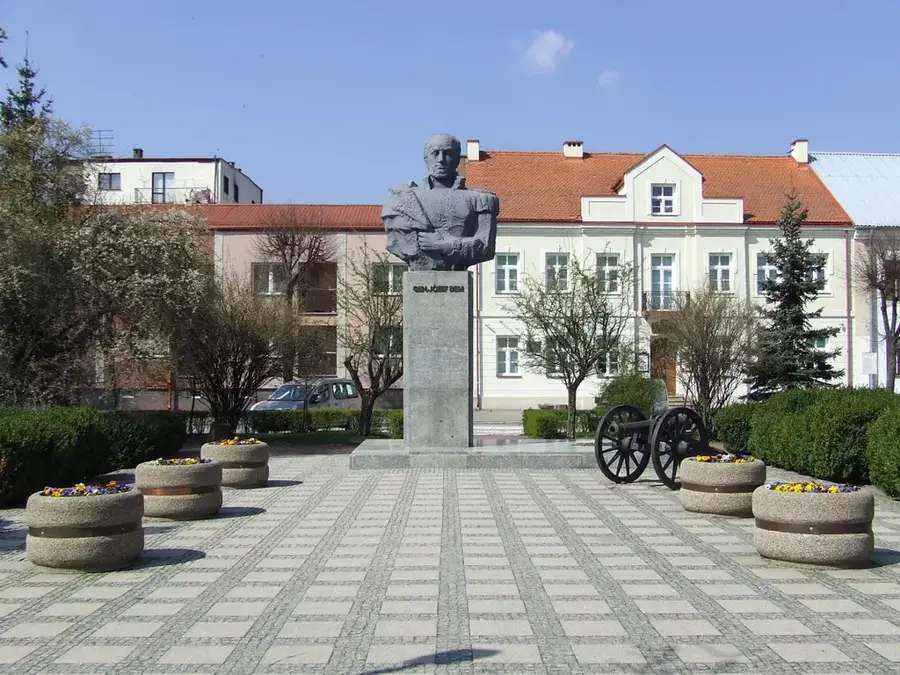
- Polish General Józef Bem became a hero during the 1831 Battle of Ostrołęka.
- Ostrołęka Power Station is one of the largest industrial plants in the area.
- The Narew River flowing through the city is known as a 'braided' river.
- The Museum of Kurpie Culture preserves the traditions of the local ethnic group.
- Approximately 70% of the city was destroyed during World War I.
Explore nearby
Notable places around
Route planner — Car & Motorhome
Where do you start? We build the route here, with stops and country notes along the way.
© OpenStreetMap contributors · OpenRouteService
Sights in the town Ostrołęka (11)
Frequently asked questions
What is Ostrołęka historically known for?
What is the Kurpie culture?
Are there activities on the Narew River?
Which museum should I visit?
How to get from Warsaw to Ostrołęka?
Ostrołęka: where is it located?
Ostrołęka: what is there to see?
Ostrołęka: when is the best time to visit?
Ostrołęka: why is it worth visiting?

Nearby cities