Plizio Visual Lab

Biebrza National Park
Plizio editorial teamData Sources
wildlife
—°3
Biebrza National Park (Poland)

Weather…

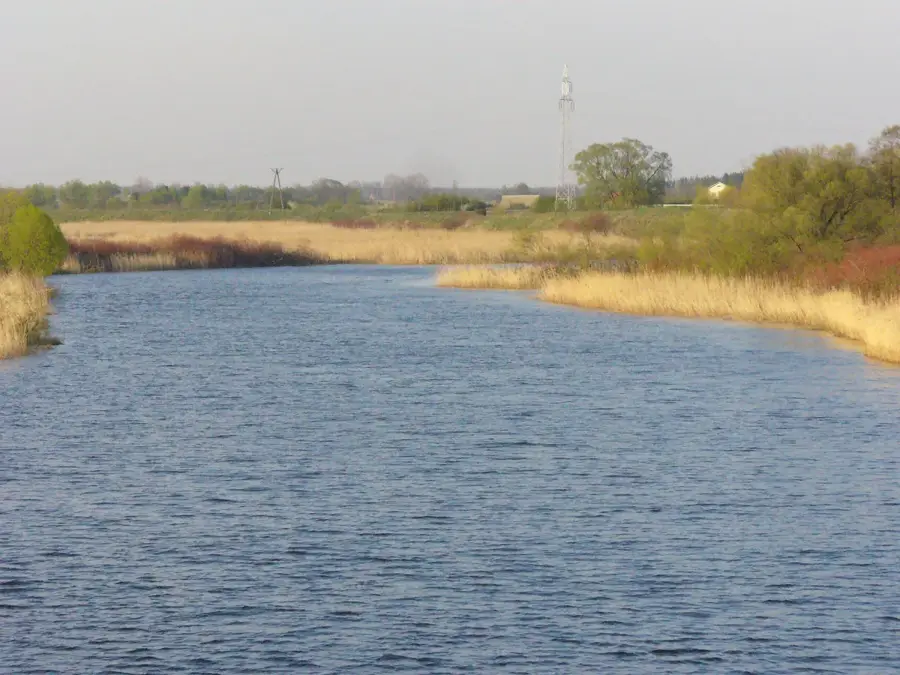
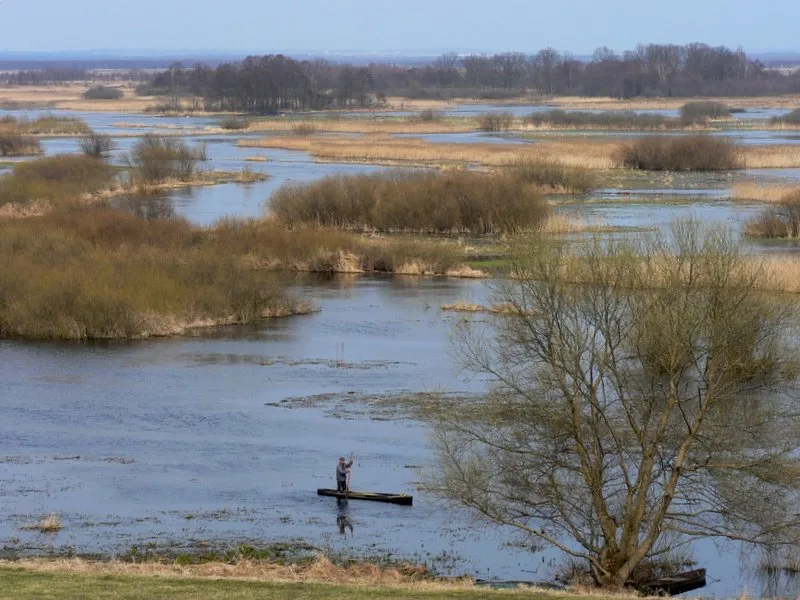
Biebrza National Park, the most extensive nature reserve in Poland, sprawls across an immense river basin in the northeastern part of the country, acting as the heart of European wetlands. This vast wilderness of natural peat bogs, floodplains, and dense reedbeds is a hydrological masterpiece, continuously shaped by the unregulated flow of the Biebrza River. It serves as a critical refuge for an extraordinary avifauna, particularly rare waders, the globally threatened aquatic warbler, and massive flocks of migrating cranes that transform the valley into a noisy, bustling spectacle every spring. Beyond its ornithological treasures, the park provides the most important sanctuary for the European elk (moose) in Central Europe, whose massive silhouette is often seen looming in the morning mist of the marshes. The pristine nature of this archaic peatland landscape is a living testament to fully functioning aquatic ecosystems.

Best time to visit & climate

The most pleasant time to visit is Jun–Aug.

JanFebMarAprMayJunJulAugSepOctNovDec
Avg °C-5-417131719191373-2
Rain mm473840397171898155564949

📋 Practical info

📅
Best season
Observing moose and birds is most rewarding in late spring and summer when young are born. Autumn features spectacular bird migrations and the moose rutting season.
🌅
Best time of day
Early morning and late afternoon are when animals are most active, especially moose along riverbanks. Midday is better for a break in the shade.
📜
Etiquette
Entering protected zones off trails is strictly prohibited to protect sensitive peatlands. Noise and smoking can scare away wildlife, so behave quietly.
🎒
What to bring
Binoculars with a large lens are useful for spotting animals across the vast marshlands. Mosquito repellent and waterproof clothing are essential due to the damp environment.
🧭
Getting there
The park is accessible from Osowiec-Twierdza, where the main visitor center is located. From there, several hiking trails and canoe routes lead into the marshland.
🦌
What to expect
Moose are shy and often hidden in dense vegetation; take your time and scan from observation towers. Repeated visits increase the likelihood of a sighting.

Geography

Coordinates
53.60000, 22.80000

Explore nearby

Notable places around
Route planner — Car & Motorhome

Where do you start? We build the route here, with stops and country notes along the way.

Vehicle
Only stops with (optional):

© OpenStreetMap contributors · OpenRouteService

Sights in the town Biebrza National Park (3)

Wolf's Hill🌿 nature

Wolf's Hill is a viewpoint overlooking the expansive Biebrza National Park marshes.

Platforma widokowa🌿 nature

Observation platform in Biebrza National Park for birdwatching and landscape viewing.

Borek bartny📍 landmark

A forest area preserving the traditional heritage of wild beekeeping in Poland.

Sights nearby

Frequently asked questions

When is the best time for elk (moose) watching?
Early mornings in spring or autumn offer the best chances to see elks in the marshes.
Can you go kayaking in the park?
Yes, the Biebrza River is first-rate for multi-day kayak or raft trips through untouched nature.
Are rubber boots necessary?
For hikes off the wooden boardwalks, waterproof boots or rubber boots are highly recommended in the marshy areas.
Which birds can be seen here?
The park is famous for the aquatic warbler, as well as thousands of cranes and ruffs during migration.
How large is the national park?
At around 592 km², it is Poland's largest national park, protecting one of Central Europe's largest marshlands.
Biebrza National Park: where is it located?
Biebrza National Park is located in Poland.
Biebrza National Park: what is there to see?
Highlights include Wolf's Hill, Platforma widokowa, Borek bartny.
Biebrza National Park: when is the best time to visit?
The most pleasant time to visit is Jun, Aug.
Biebrza National Park: why is it worth visiting?

Biebrza National Park, the most extensive nature reserve in Poland, sprawls across an immense river basin in the northeastern part of the country, acting as the heart of European wetlands.
View on map → The Top 50 Attractions → Most beautiful beaches → OpenStreetMap →
Europe
Explore with Plizio Discover more places in Europe
More places in Poland →

Nearby cities

History & landmarks