Plizio Visual Lab

Chavín de Huántar
Plizio editorial teamData Sources
Landmark
—°10
Chavín de Huántar (Peru)

Weather…

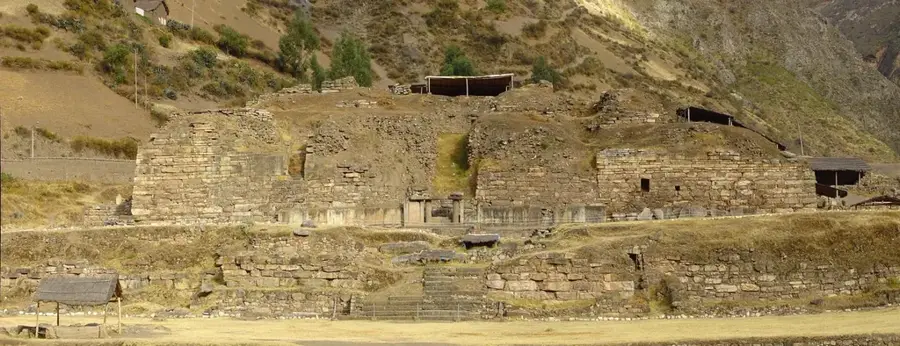
Chavín de Huántar is one of the oldest and most influential archaeological sites in South America, serving as the religious and political center of the Chavín culture between 1200 and 400 BC. Located in a high Andean valley, the complex is famous for its massive stone pyramids, sunken circular plazas, and a labyrinthine network of underground galleries. The most iconic feature is the Lanzón, a 4.5-meter-high monolith carved with fierce feline and serpentine motifs, located deep within the dark tunnels. Chavín was a site of intense ritual activity, where pilgrims from across the Andes came to witness shamans use hallucinogenic plants and sound effects to communicate with the gods. Its art and architecture laid the foundation for many later Andean civilizations, including the Incas.

Best time to visit & climate

The most pleasant time to visit is Jun, Aug, Sep.

JanFebMarAprMayJunJulAugSepOctNovDec
Avg °C888876678888
Rain mm1001151096560343126356996123

📋 Practical info

🚪
Visiting
The site is open to the public and can be explored on foot. Most structures are outdoors and accessible during daylight hours.
🕒
Typical hours
Typical visiting hours are from 8:00 AM to 5:00 PM, though it's advisable to check locally. The site may close during heavy rain.
📷
Photography
Photography is generally permitted for personal use. Tripods may require a permit, and flash is often prohibited inside covered areas.
⏱️
Time needed
Plan for at least two to three hours to explore the main plaza and galleries. More time is needed if you hike to nearby areas.
Combine with
Combine your visit with the nearby town of Huaraz for lodging and other attractions. The archaeological site of Wilcahuaín is also within reach.
🧭
Getting there
Reach the site by bus from Huaraz, which takes about two hours. Alternatively, hire a taxi for more flexibility.
💡
Insider tip
Arrive early in the morning to avoid crowds and enjoy the serene atmosphere. Bring water and sun protection as there is little shade.

Geography

Coordinates
-9.58720, -77.17770

Facts

  • Located at an altitude of 3,180 meters at the confluence of the Mosna and Wacheqsa rivers.
  • Designated a UNESCO World Heritage site in 1985.
  • The Lanzón Monolith is a granite slab carved with the image of a 'Staff God'.
  • The site features a complex drainage system that could create roaring sounds during rituals.
  • Famous for its 'Tenon Heads' (Cabezas Clavas), stone carvings of human-feline transformations.
  • The Chavín culture is considered one of the 'Mother Cultures' of ancient Peru.
  • Used a sophisticated network of underground galleries for ritual and storage purposes.
  • The site reflects an advanced understanding of acoustics and light-dark symbolism.

Explore nearby

Notable places around
Route planner — Car & Motorhome

Where do you start? We build the route here, with stops and country notes along the way.

Vehicle
Only stops with (optional):

© OpenStreetMap contributors · OpenRouteService

Sights in the town Chavín de Huántar (10)

Piedra de la serpiente📍 landmark

An intricately carved stone attraction bearing ancient serpent motifs typical of pre-Columbian cultures.

Satélite🏺 historical

An outlying archaeological site that once functioned as a peripheral ceremonial structure to the main temple complex.

Castillo de Chavín🏺 historical

A monumental heritage stone temple complex that forms the monumental heart of the Chavín culture.

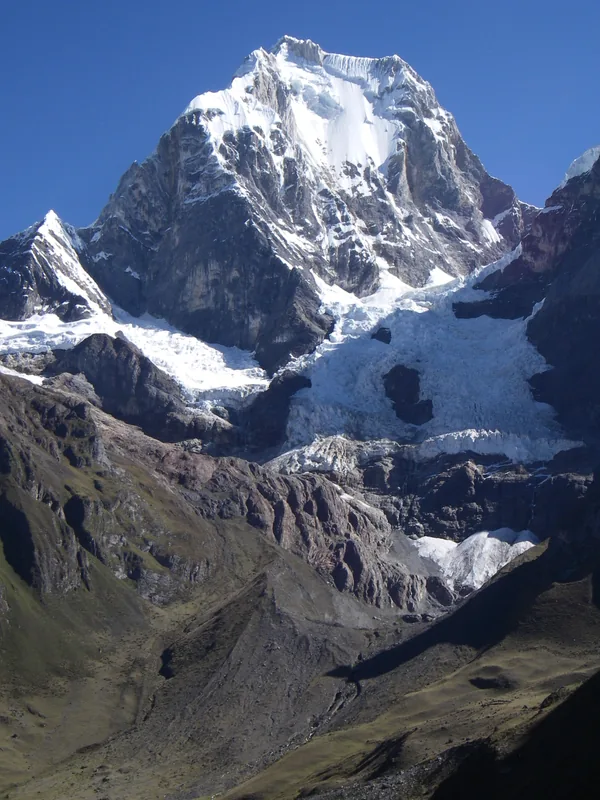
Waman Wayi🌿 nature

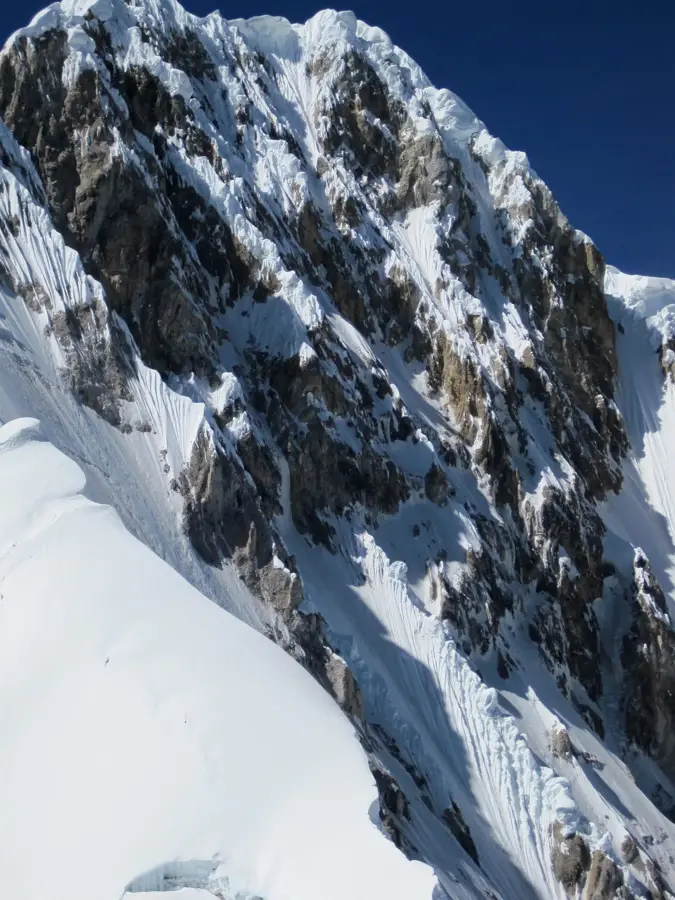
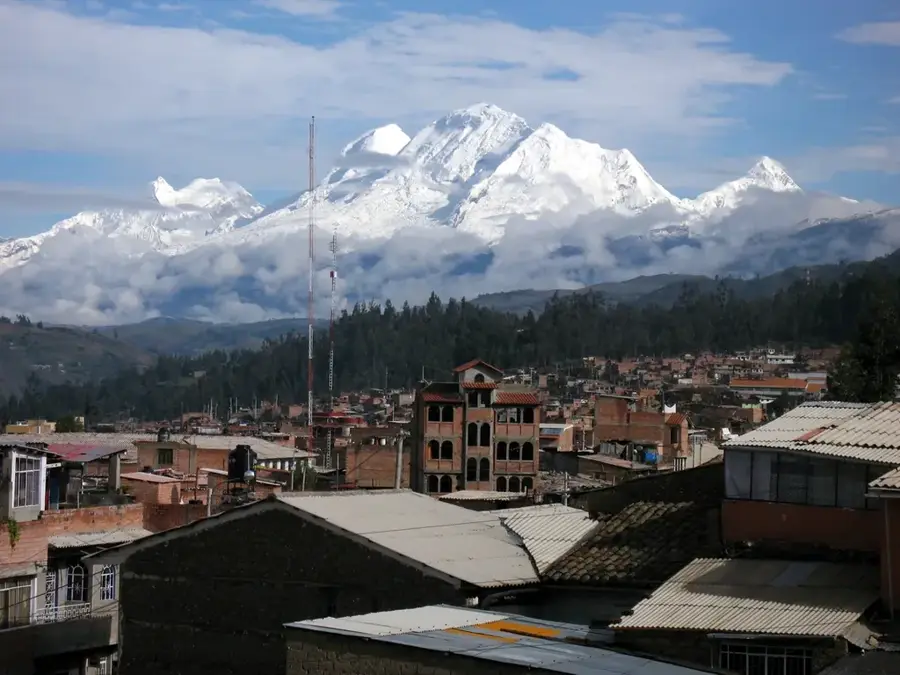
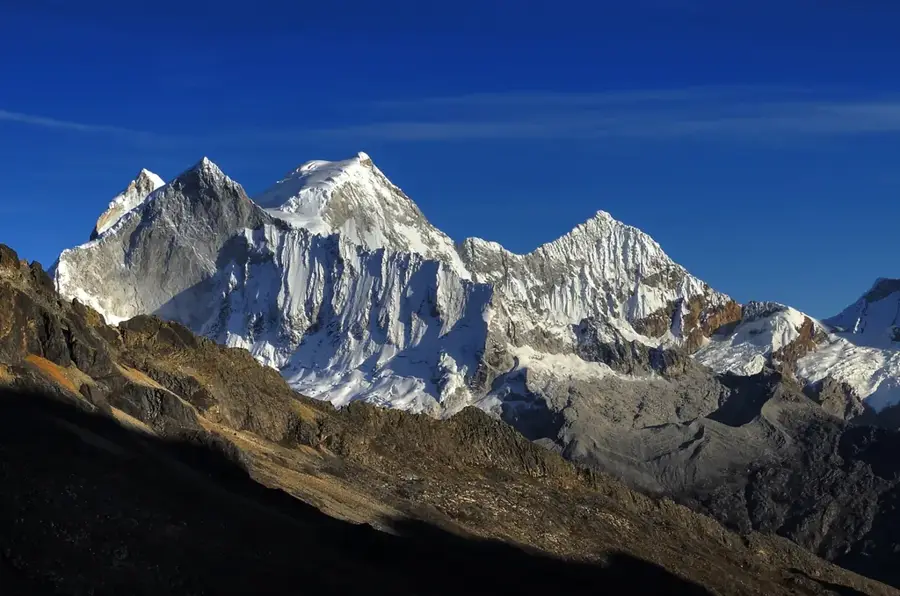
A prominent mountain peak providing a striking natural backdrop to the ancient archaeological landscapes of the region.

Baños Termales Medicinal Chavin📍 landmark

Natural geothermal hot springs offering medicinal bathing pools surrounded by Andean highland scenery.

Puyhuan🌿 nature

A towering peak in the Ancash region, characterized by its steep slopes and rugged rock formations.

Complejo Turístico San Pedro de Carash🎡 recreation

A rural tourist complex featuring a small zoo with regional Andean wildlife exhibits.

Casa Ecológica Carash📍 landmark

An ecological house attraction built to demonstrate sustainable highland construction using natural materials.

Museo Nacional de Chavín🏛 museum

A modern museum housing intricately carved stone monoliths, including the famous Tello Obelisk, from the nearby archaeological site.

🕒 Tu-Su 09:00-17:00

Chavín de Huántar Archaeological Site🏺 historical

A vast pre-Columbian ruin complex known for its sophisticated labyrinth of ceremonial underground stone galleries.

Sights nearby

Frequently asked questions

Is Chavín de Huántar a difficult destination?
It is at high altitude, so you should acclimatize first.
What is the highlight of the site?
The underground galleries and the Lanzón monolith.
Are there restroom facilities?
Yes, there are basic restroom facilities at the entrance area.
Which season is best?
The dry season (May to September) features the best weather.
Is a guided tour necessary?
Highly recommended to understand the complex structures.
Chavín de Huántar: where is it located?
Chavín de Huántar is located in Peru.
Chavín de Huántar: what is there to see?
Highlights include Piedra de la serpiente, Satélite, Castillo de Chavín.
Chavín de Huántar: when is the best time to visit?
The most pleasant time to visit is Jun, Aug, Sep.
Chavín de Huántar: why is it worth visiting?
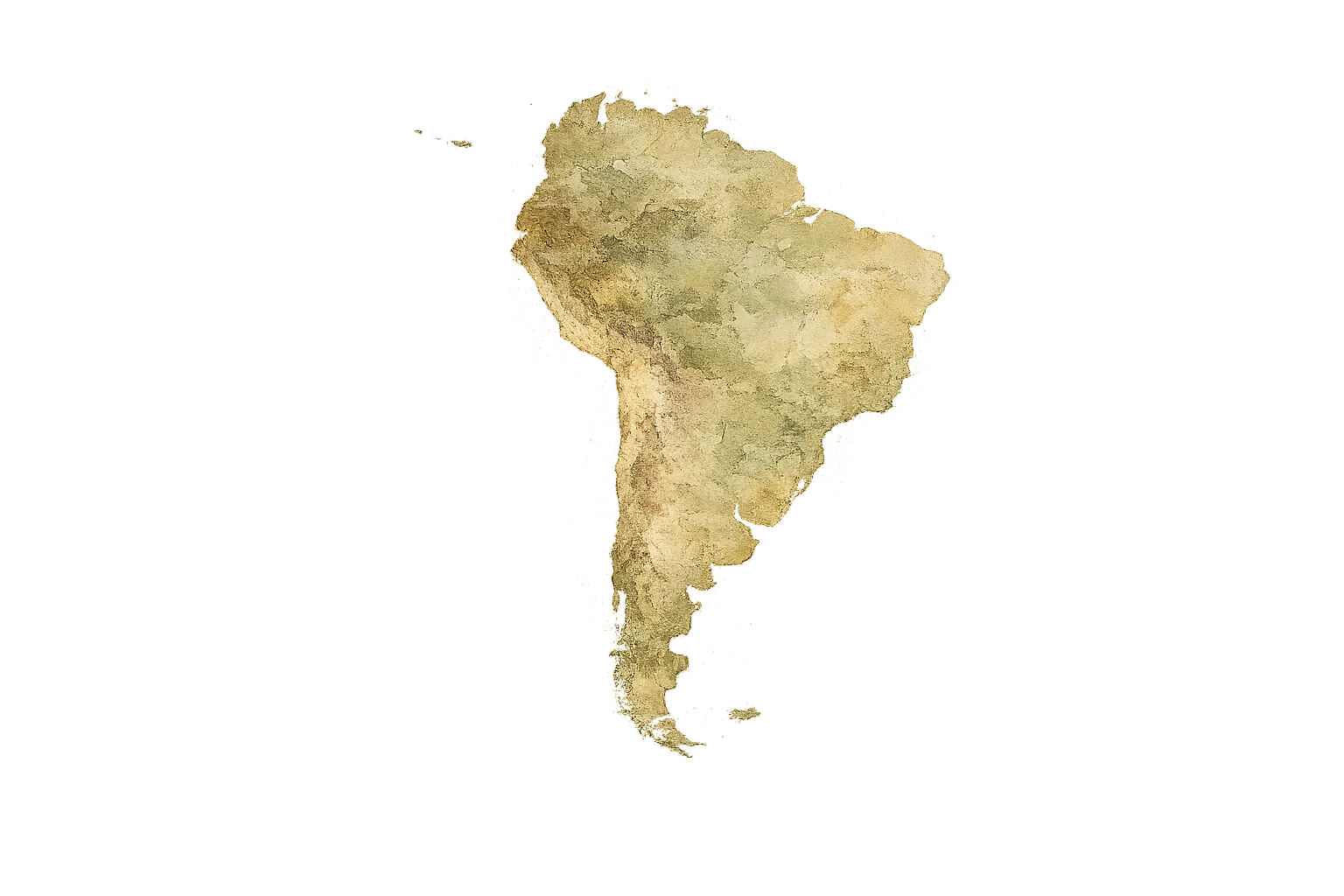
Chavín de Huántar is one of the oldest and most influential archaeological sites in South America, serving as the religious and political center of the Chavín culture between 1200 and 400 BC.
View on map → The Top 50 Attractions → OpenStreetMap →
South America
Explore with Plizio Discover more places in South America
More places in Peru →

Nearby cities

Nature

More places