Plizio Visual Lab

Chopicalqui
Plizio editorial teamData Sources
Mountain
—°1
Chopicalqui (Peru)

Weather…

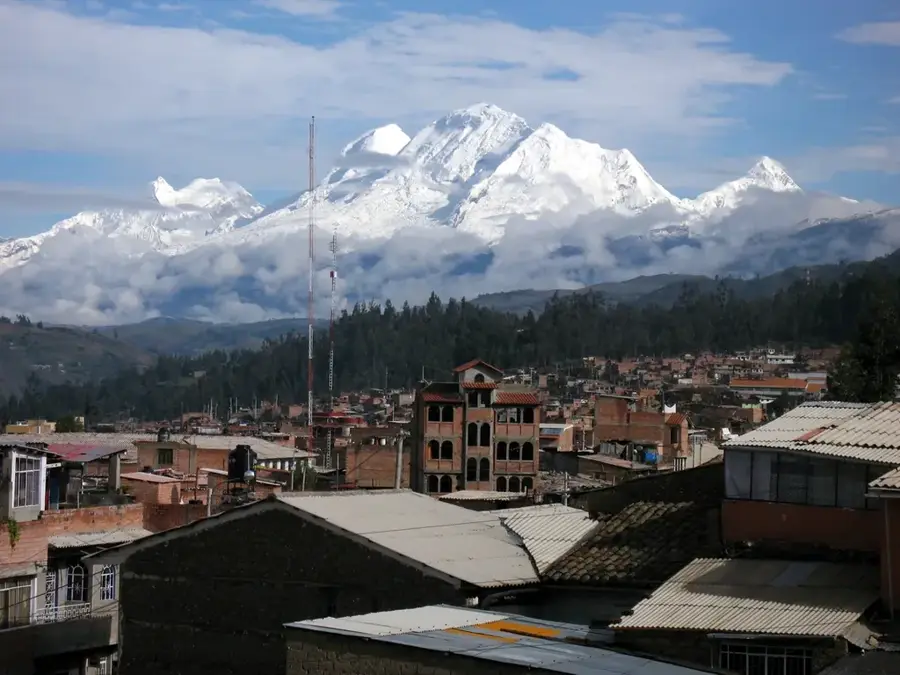
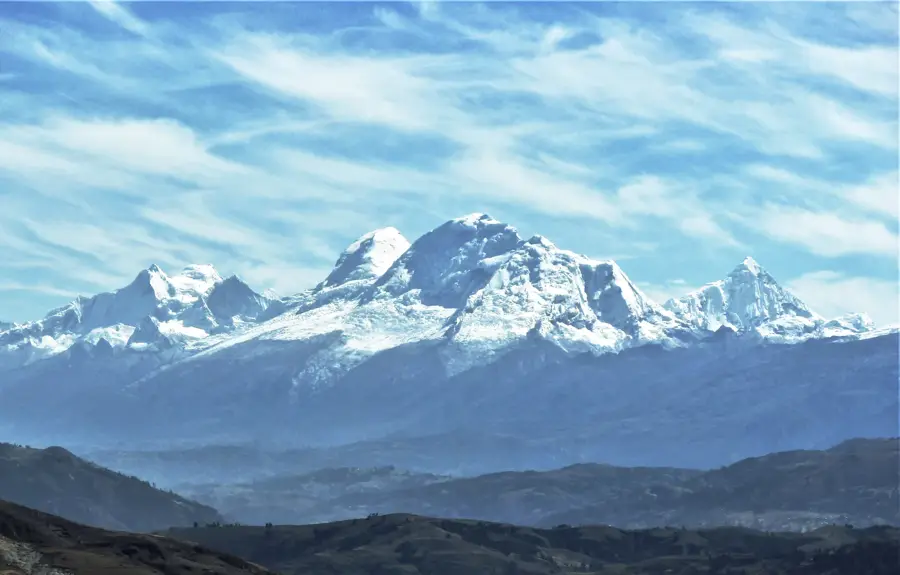
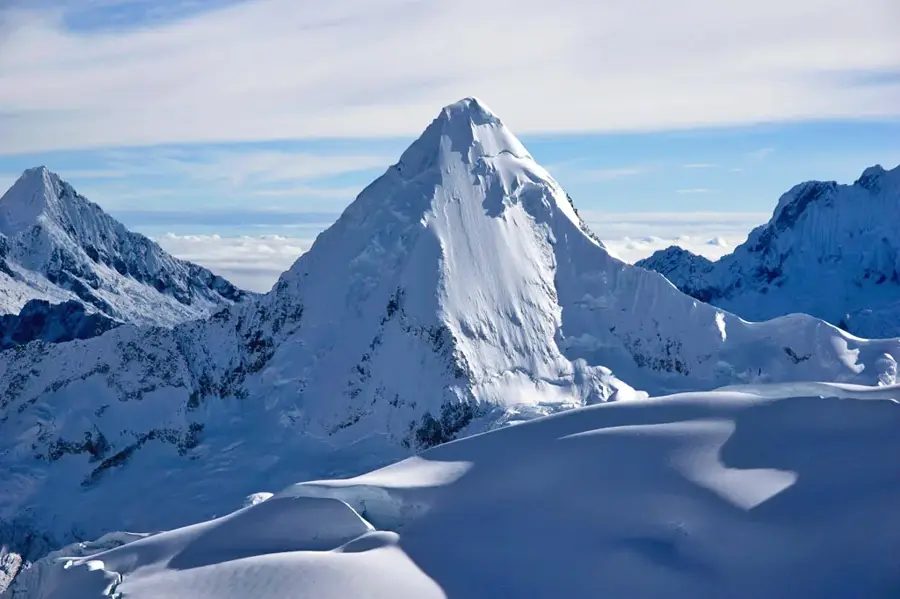
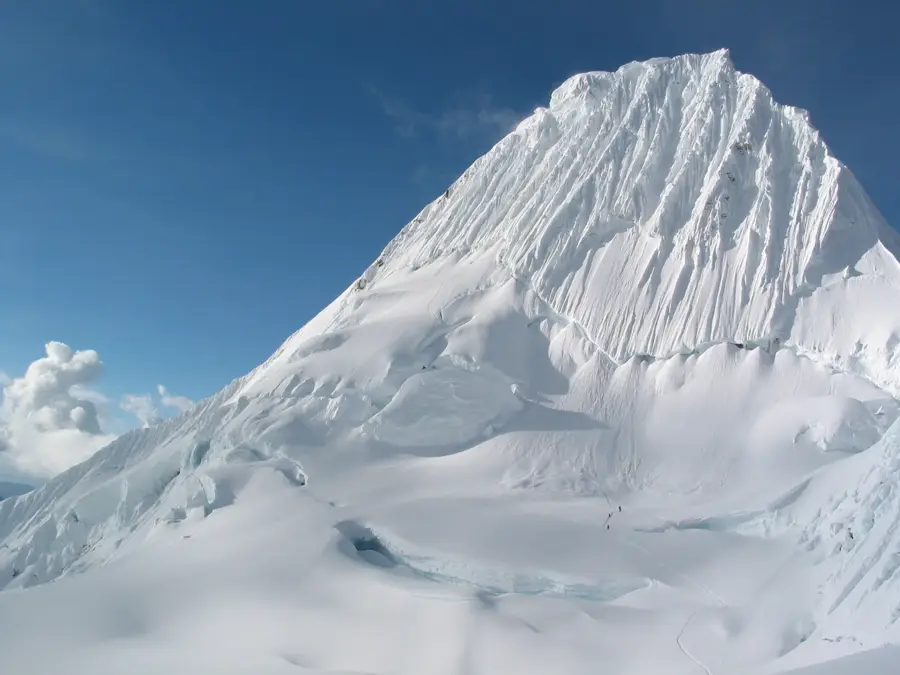
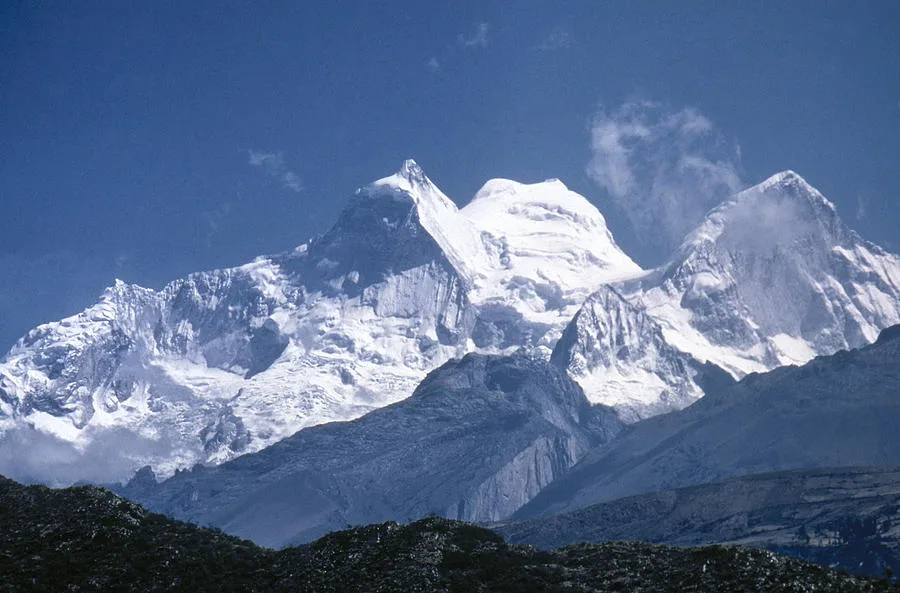
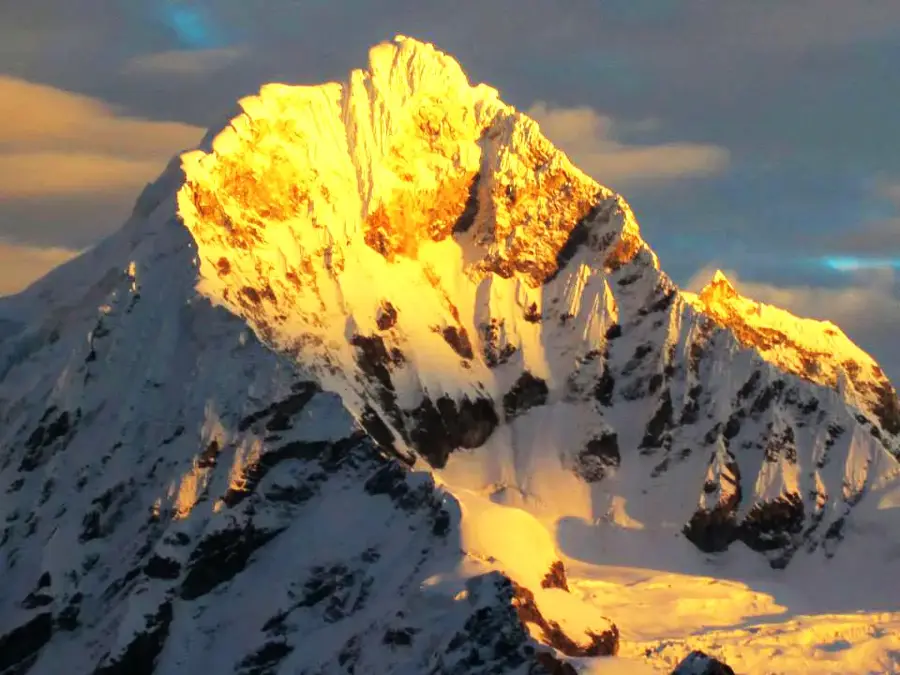
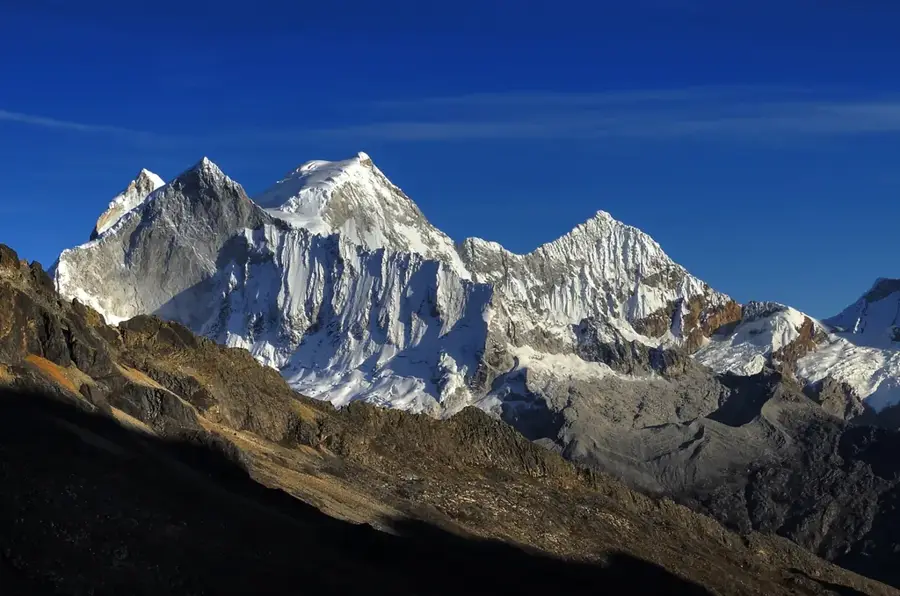
Chopicalqui is one of the most popular 6,000-meter peaks in the Cordillera Blanca, often described as the 'easy' six-thousander, though it still requires significant technical skill and stamina. Standing at 6,354 meters, it is tucked away between the massive peaks of Huascarán and Huandoy. The mountain is famous for its classic ridge climb, which provides spectacular, high-altitude views of the heart of the Huascarán National Park. Its snow-capped summit and massive glaciers are a primary attraction for mountaineers from around the world who come to acclimatize and challenge themselves against the giants of the Andes. Chopicalqui is a testament to the staggering verticality of the Ancash region and its status as a world-class center for alpine adventure.

Best time to visit & climate

The most pleasant time to visit is Aug–Oct.

JanFebMarAprMayJunJulAugSepOctNovDec
Avg °C998987789999
Rain mm505762403314151216334965

📋 Practical info

🧭
Getting there
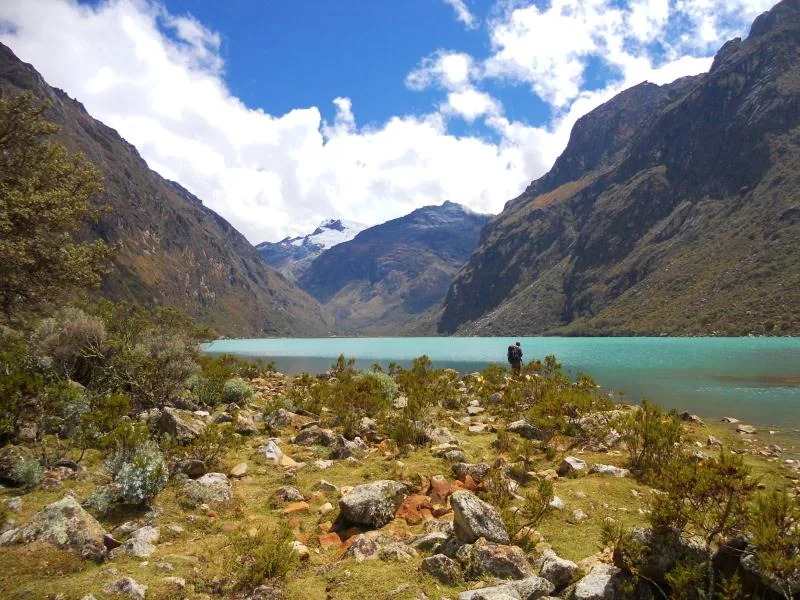
Access is typically facilitated via the spectacular Llanganuco Valley, driving up from Huaraz or Yungay toward the high mountain passes. Climbers are usually dropped off near the road curve, where the challenging trek to the moraine and high camps immediately begins.
📅
Best season
The optimal window for attempting the summit is strictly during the dry season, spanning from June through August. During these months, climbers can expect more reliable, stable weather patterns and safer snow bridges over the numerous deep crevasses.
⛰️
Terrain & paths
Climbers face a brutal progression of long, rocky moraine hikes, followed by heavily crevassed, complex glacier navigation. The final push to the 6000m summit involves negotiating sections of steep, deep snow and potentially imposing ice seracs along the ridge.
🎒
What to bring
Full technical mountaineering gear, including specialized alpine boots, a climbing harness, crampons, and an ice axe, are indispensable. Additionally, high-altitude four-season tents, sub-zero sleeping bags, and robust sun protection for extreme glacier glare are mandatory.
🅿️
Parking
Vehicles are generally parked or wait at the designated drop-off point along the mountain pass road, where the base camp trek starts. As expeditions span multiple days, transport is virtually always pre-arranged with agencies rather than utilizing private long-term parking.
⚠️
Safety
Significant hidden crevasses and extreme avalanche risks mean that roped glacier travel and crevasse rescue knowledge are absolutely mandatory. Proper acclimatization on smaller peaks beforehand is non-negotiable to avoid life-threatening high-altitude pulmonary or cerebral edema.
⏱️
Time needed
Most guided ascents take about three to five days round trip from the road drop-off, depending on weather and the team's fitness. This timeline assumes the climber has already spent at least a week prior doing acclimatization hikes around the Huaraz region.

Geography

Coordinates
-9.09000, -77.57000

Facts

  • The third-highest peak in the Cordillera Blanca (6,354 meters).
  • Part of the Huascarán-Huandoy massif within the national park.
  • Considered the best 'introductory' 6,000m peak in Peru for technical climbers.
  • Offers one of the most stunning summit panoramas in the entire Andes.
  • The climb typically takes 4-5 days from the Llanganuco valley.
  • Features complex glacial terrain with large crevasses and seracs.
  • The first ascent was made by a German expedition in 1932.
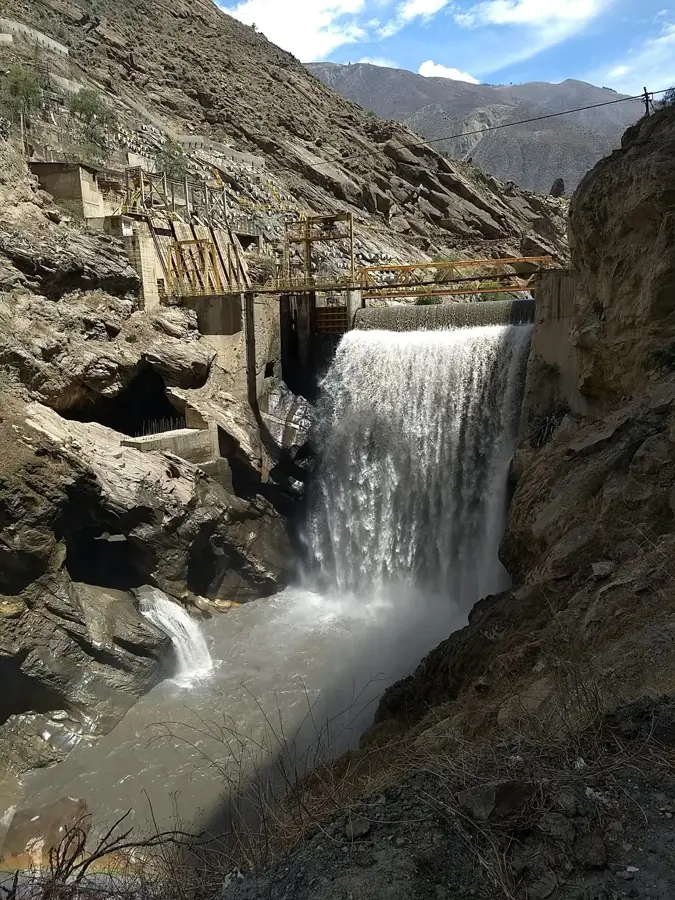
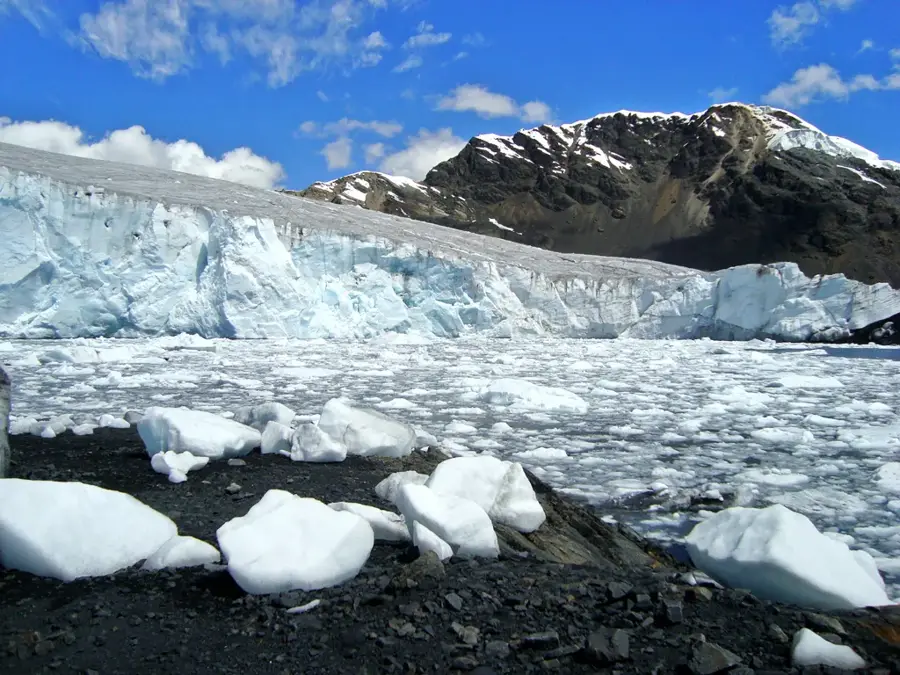
  • Vital for the water supply of the Santa Valley through its melting ice.

Explore nearby

Notable places around
Route planner — Car & Motorhome

Where do you start? We build the route here, with stops and country notes along the way.

Vehicle
Only stops with (optional):

© OpenStreetMap contributors · OpenRouteService

Sights in the town Chopicalqui (1)

Chopicalqui🌿 nature

A towering, glaciated mountain peak often climbed in the Cordillera Blanca.

Sights nearby

Frequently asked questions

Is Chopicalqui used as a practice mountain?
Yes, it is often considered a preparation for even higher peaks like Huascarán.
How demanding is the climb?
It requires good physical condition and basic technical climbing skills.
Which season is best?
The dry season from June to August is convenient for mountain stability.
Do you need a guide for the ascent?
Yes, for safety, a local mountain guide is highly recommended.
Is the mountain part of a national park?
Yes, it is located in the Huascarán National Park.
Chopicalqui: where is it located?
Chopicalqui is located in Peru.
Chopicalqui: when is the best time to visit?
The most pleasant time to visit is Aug, Oct.
Chopicalqui: why is it worth visiting?
Chopicalqui is one of the most popular 6,000-meter peaks in the Cordillera Blanca, often described as the 'easy' six-thousander, though it still requires significant technical skill and stamina.
View on map → The Top 50 Attractions → OpenStreetMap →
South America
Explore with Plizio Discover more places in South America
More places in Peru →

Nearby cities

History & landmarks

Nature

More places