Plizio Visual Lab

Huascarán
Plizio editorial teamData Sources
Mountain
—°1
Huascarán (Peru)

Weather…

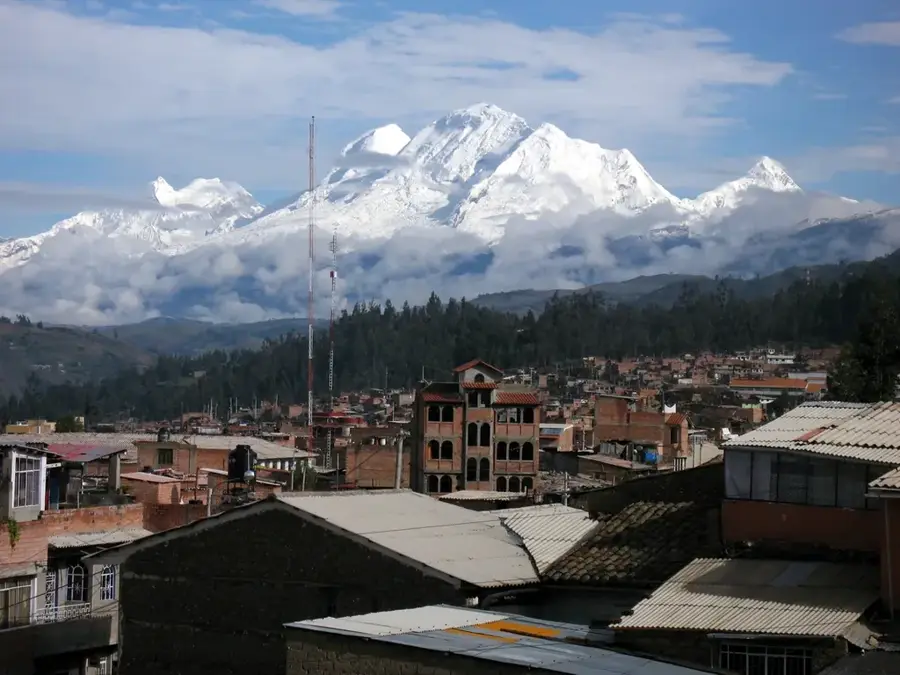
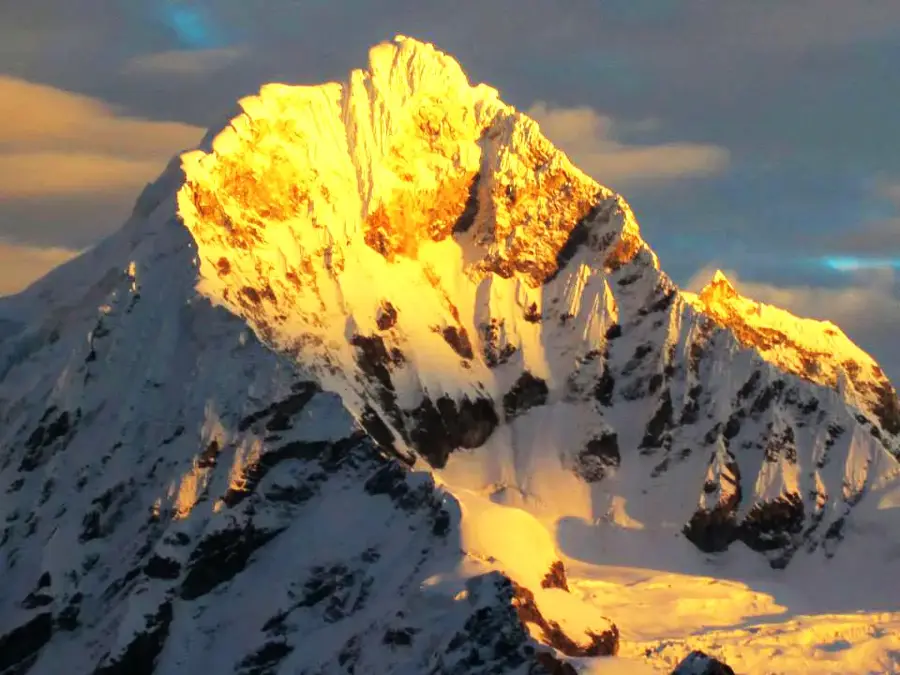
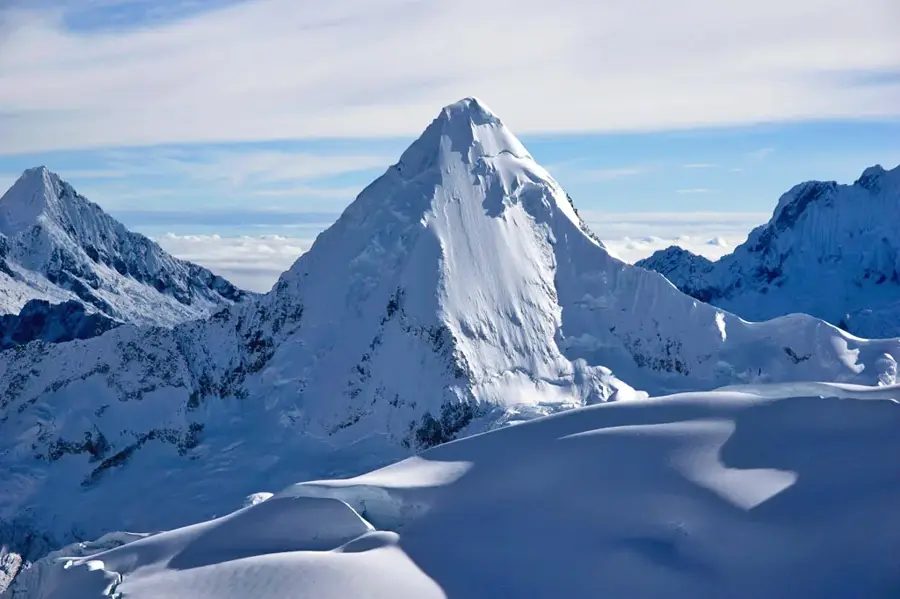
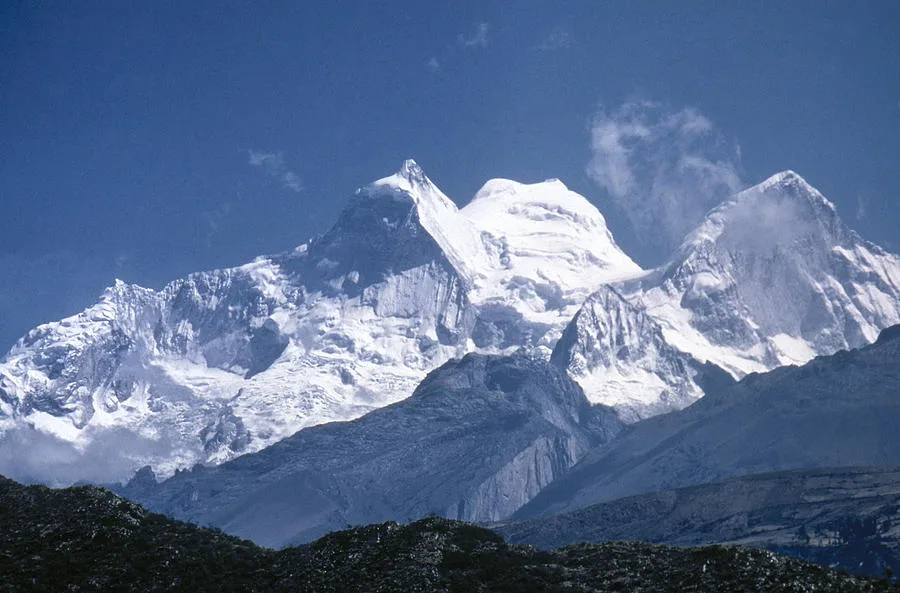
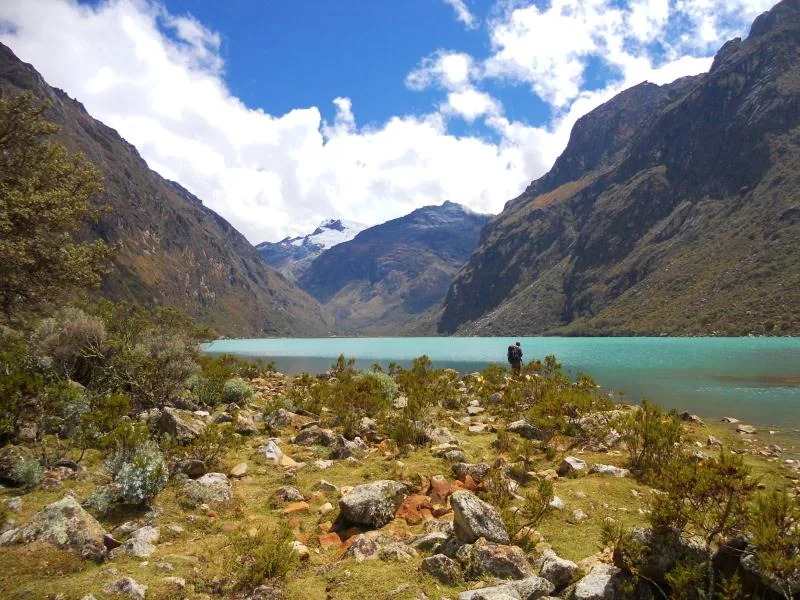
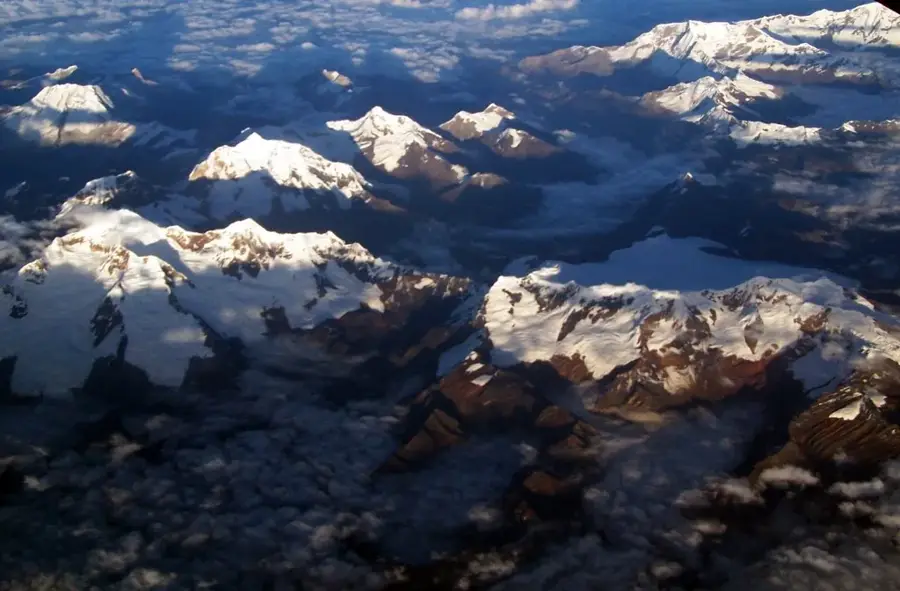
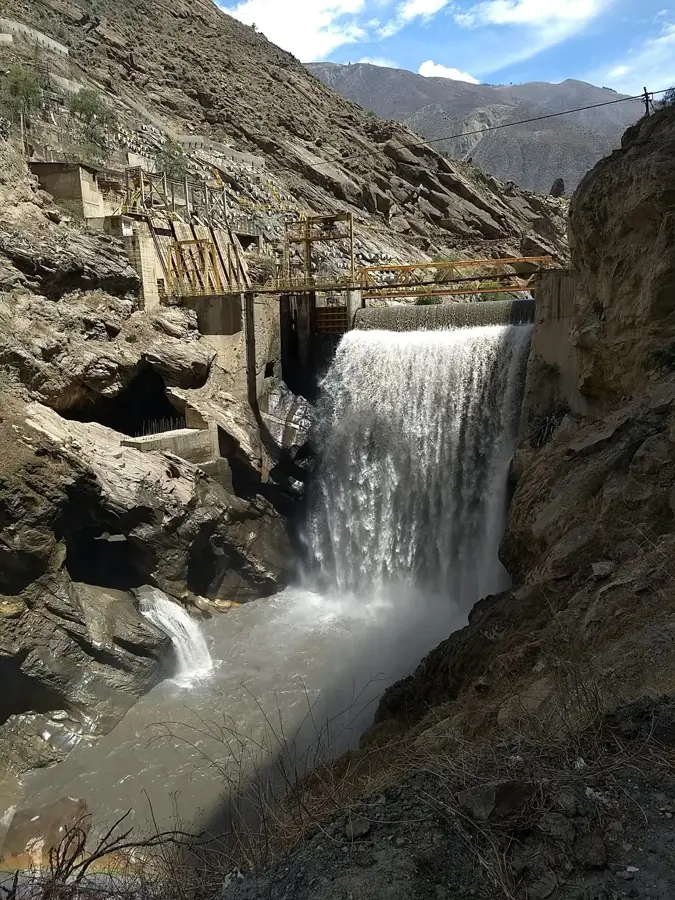
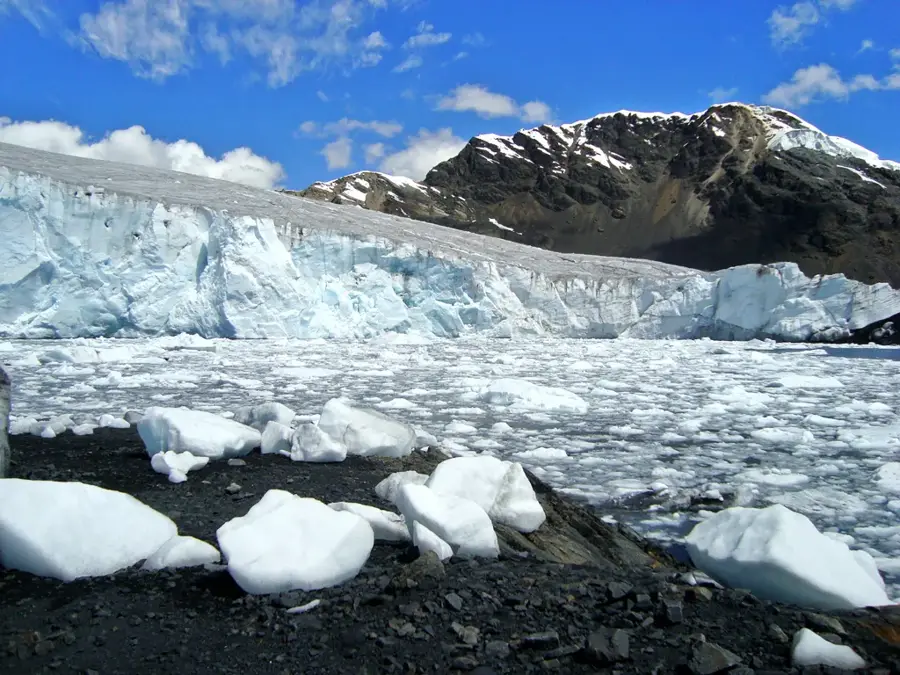
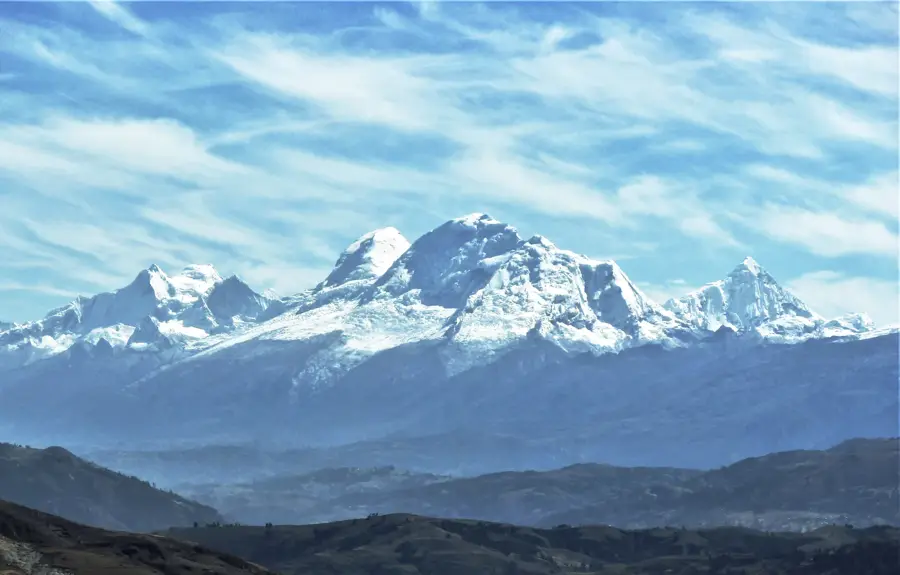
Nevado Huascarán is the highest mountain in Peru and the fourth highest peak in the Andes, reaching an elevation of 6,768 meters above sea level. Located in the Cordillera Blanca range within the Ancash region, the massif features two prominent peaks, with the southern one being the highest point. It serves as the centerpiece of Huascarán National Park, which was designated a UNESCO World Heritage site in 1985 to protect its unique tropical glaciers, turquoise lagoons, and endemic biodiversity. Geologically, the mountain is composed primarily of tertiary granite formed through tectonic uplift. Historically, Huascarán is remembered for the 1970 Ancash earthquake, which triggered a catastrophic debris avalanche that completely buried the town of Yungay. Today, it is a premier destination for high-altitude mountaineering and a critical water source for the arid valleys below, which rely on its glacial meltwater for agriculture and consumption.

Best time to visit & climate

The most pleasant time to visit is Aug–Oct.

JanFebMarAprMayJunJulAugSepOctNovDec
Avg °C998987789999
Rain mm505762403314151216334965

📋 Practical info

🧭
Getting there
Expeditions to the highest peak in the tropics usually start from the town of Musho, accessible by a scenic road trip from Huaraz. From Musho, heavily laden teams, often assisted by donkeys, begin the long, grueling approach hike towards the mountain's base camp.
📅
Best season
June through August marks the standard and most realistic climbing season, offering the lowest precipitation rates in the region. Stable weather during this narrow window is critical for safely navigating the complex ice falls and minimizing objective avalanche dangers.
⛰️
Terrain & paths
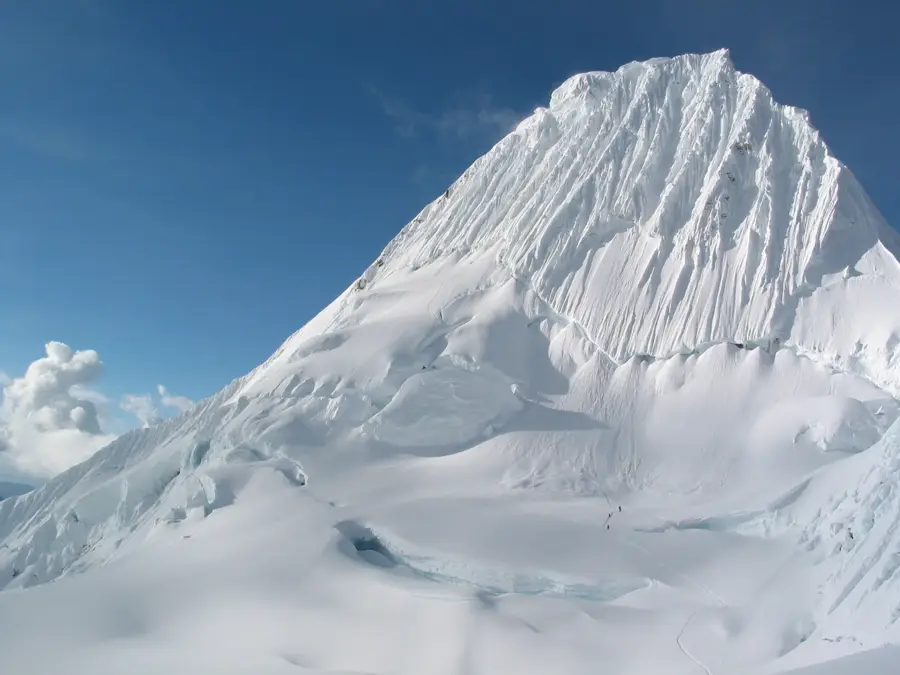
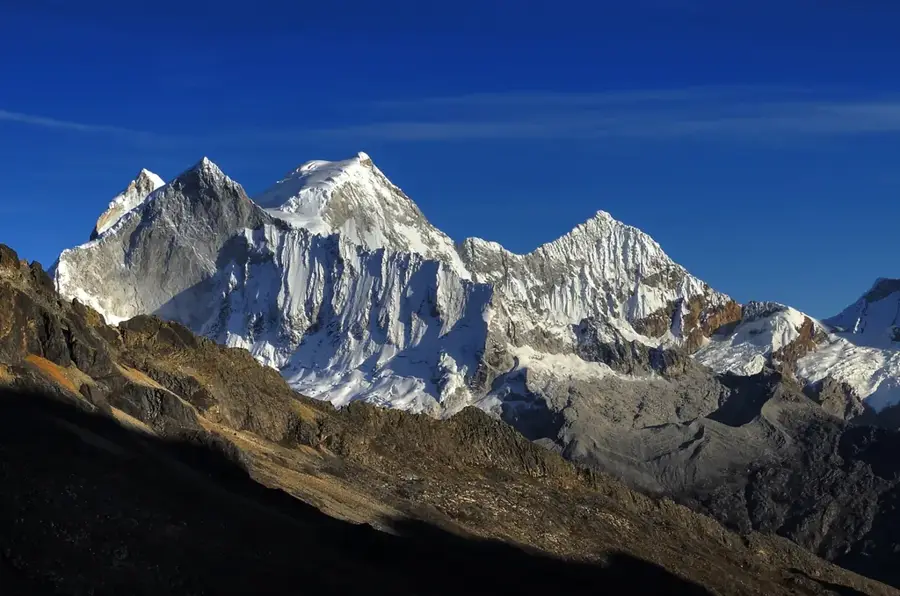
The route traverses extreme high-altitude alpine terrain featuring massive, shifting glaciers, intricate crevasse fields, and towering ice walls. The infamous 'Canaleta' section demands technical ice climbing skills while exposed to significant objective hazards from falling ice above.
🎒
What to bring
Comprehensive high-altitude mountaineering equipment, avalanche rescue transceivers, and extreme cold-weather apparel are absolutely critical. Specialized gear for surviving well above 6000 meters, including heavily insulated double boots and expedition-grade tents, cannot be compromised.
🅿️
Parking
Climbers generally leave any private vehicles securely in Musho or rely entirely on organized transport services hired in Huaraz. The logistics of a multi-day high-altitude expedition mean that parking is handled by the outfitter at the very start of the trailhead.
⚠️
Safety
Immense, unpredictable serac falls, massive avalanches, and extreme altitude sickness pose constant, life-threatening risks on this giant peak. It demands elite physical fitness, immense mental resilience, expert guidance, and total adherence to safety protocols in the high camps.
⏱️
Time needed
A typical successful expedition requires approximately seven to ten gruelling days on the mountain to safely manage the massive elevation gain. This extended duration allows for necessary load carries, establishing multiple high camps, and waiting for the optimal summit weather window.

Geography

Coordinates
-9.12200, -77.60500

Facts

  • The southern summit stands at an exact elevation of 6,768 meters.
  • Huascarán National Park was established on July 1, 1975.
  • The 1970 earthquake-triggered avalanche moved approximately 50 million cubic meters of ice and rock.
  • The first successful climb of the higher South Peak occurred in 1932.
  • The mountain is located within the administrative province of Yungay in Ancash.
  • It is the highest point in the Earth's tropical zone.

Explore nearby

Notable places around
Route planner — Car & Motorhome

Where do you start? We build the route here, with stops and country notes along the way.

Vehicle
Only stops with (optional):

© OpenStreetMap contributors · OpenRouteService

Sights in the town Huascarán (1)

Huascarán Sur🌿 nature

The highest mountain peak in Peru, located within the spectacular Cordillera Blanca.

Sights nearby

Frequently asked questions

What is the difficulty of climbing Huascarán?
It is a challenging high-altitude climb that requires significant experience and preparation.
How do you prepare for the altitude?
Spend several days in lower-lying places nearby to acclimatize.
When is the best season for Huascarán?
The dry season from May to September provides the most stable weather conditions.
Are there easy hikes around Huascarán?
Yes, there are beautiful, less demanding hiking trails in Huascarán National Park.
Do you need an entrance fee to visit?
Yes, you must purchase a national park pass that allows access.
Huascarán: where is it located?
Huascarán is located in Peru.
Huascarán: when is the best time to visit?
The most pleasant time to visit is Aug, Oct.
Huascarán: why is it worth visiting?
Nevado Huascarán is the highest mountain in Peru and the fourth highest peak in the Andes, reaching an elevation of 6,768 meters above sea level.
View on map → The Top 50 Attractions → OpenStreetMap →
South America
Explore with Plizio Discover more places in South America
More places in Peru →

Nearby cities

History & landmarks

Nature

More places