Plizio Visual Lab

Yerupajá
Plizio editorial teamData Sources
Mountain
—°3
Yerupajá (Peru)

Weather…

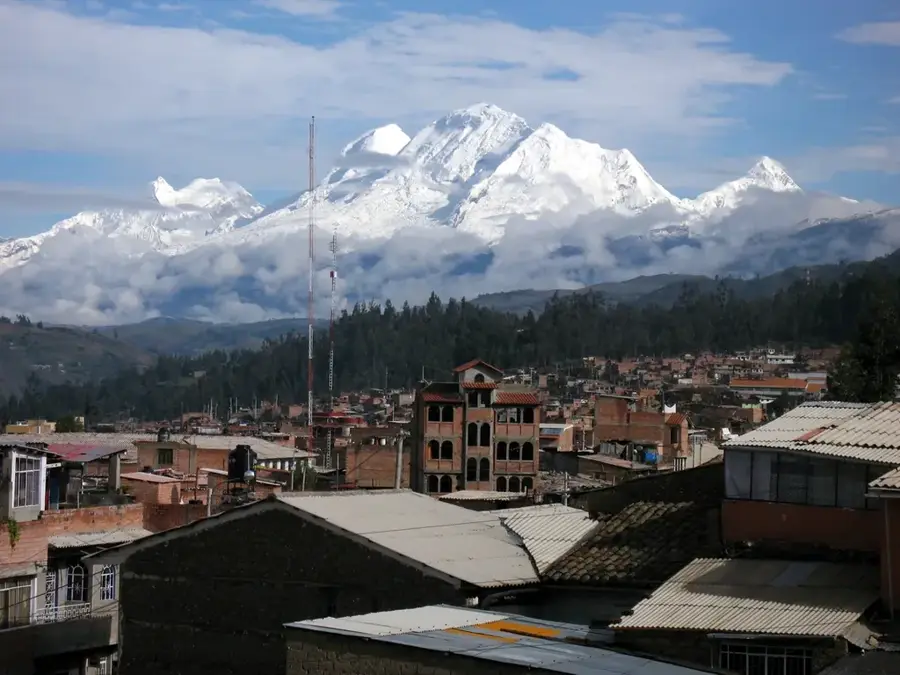
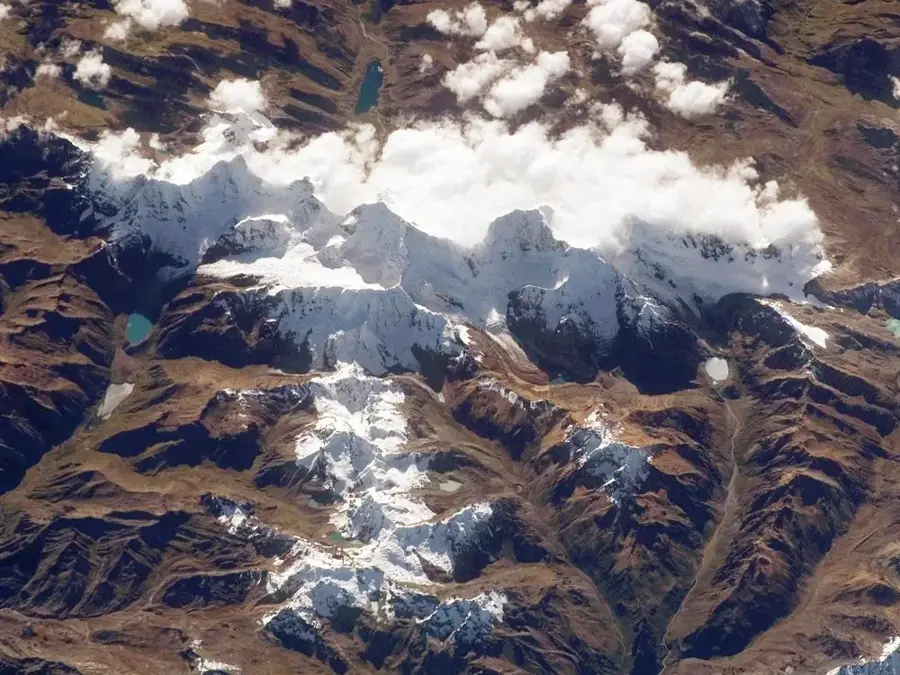
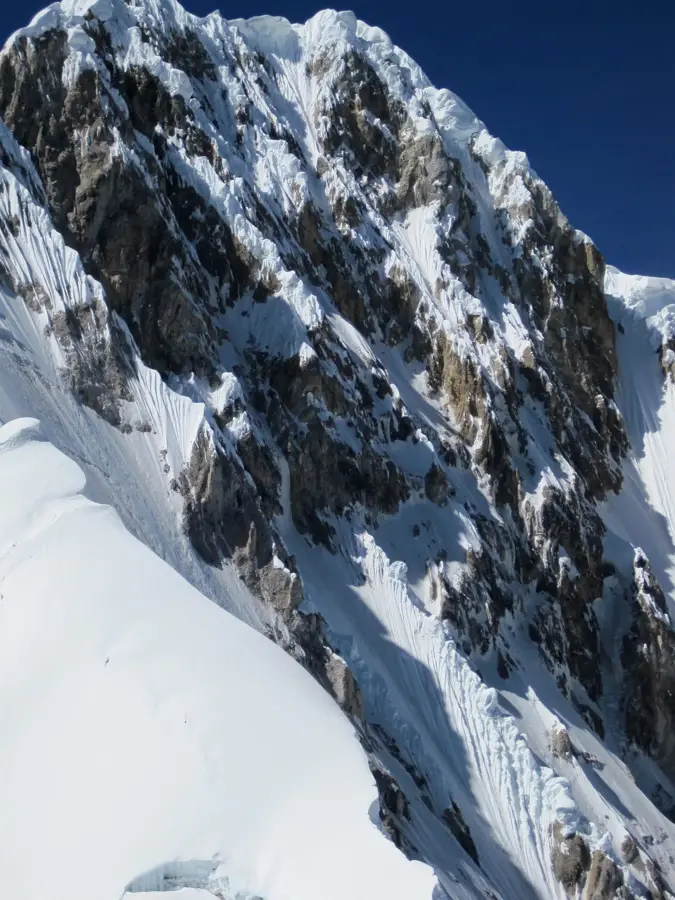
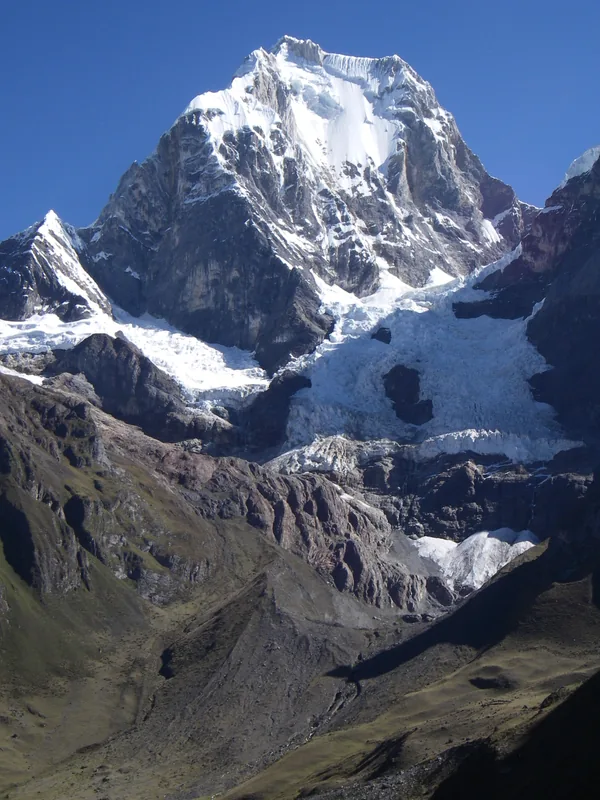
Yerupajá is a titan of the Andes, the highest peak in the Cordillera Huayhuash and the second tallest mountain in Peru at 6,634 meters. Its name in Quechua means 'White Sunrise,' a fitting tribute to its massive, jagged ice walls that glow brilliantly in the morning light. Yerupajá is considered one of the most difficult and dangerous peaks in the world to climb, earning it the nickname 'The Butcher.' Its extreme technical challenges, including vertical ice and unpredictable weather, mean that its summit is reached only by the most experienced mountaineers. The mountain dominates the Huayhuash range, a compact but incredibly dramatic cluster of peaks that offer some of the most spectacular trekking scenery on Earth. Yerupajá remains a powerful symbol of the untamed majesty of the high Andes.

Best time to visit & climate

The most pleasant time to visit is Aug–Oct.

JanFebMarAprMayJunJulAugSepOctNovDec
Avg °C99999888910109
Rain mm34393719168878212944

📋 Practical info

🧭
Getting there
Reaching the basecamps is a major logistical undertaking, requiring a long overland drive from Lima or Huaraz to remote trailhead villages like Chiquián or Llamac, followed by multiple days of trekking.
📅
Best season
The climbing and trekking season is strictly limited to the absolute driest months of June, July, and August, providing the most stable weather patterns needed to safely navigate the hazardous glaciers.
⛰️
Terrain & paths
Trekking routes circle through rugged, isolated valleys featuring demanding high-altitude passes, while any attempt to climb the mountain itself involves near-vertical ice walls and extremely perilous corniced ridges.
🎒
What to bring
General trekkers need standard, robust expedition gear for freezing conditions, whereas technical climbers require highly advanced, professional-grade ice climbing equipment to tackle the incredibly steep technical faces.
🅿️
Parking
Vehicles are generally left parked securely at guesthouses or designated transport hubs in the larger gateway towns like Huaraz or Chiquián, as the inner mountain trails are strictly accessible only by foot or pack animal.
⚠️
Safety
This is an inherently dangerous environment suitable only for highly experienced mountaineers; the risks of massive avalanches, treacherous hidden crevasses, and lethal altitude sickness are constant, objective hazards.
⏱️
Time needed
Completing a scenic trekking circuit around the base of the peak typically takes at least eight to twelve days, while planning a complex technical climbing expedition demands several weeks of commitment.

Geography

Coordinates
-10.26000, -76.90000

Facts

  • The second-highest peak in Peru (6,634m) and the highest in the Amazon basin watershed.
  • Known for its extreme climbing difficulty and its terrifying, vertical ice faces.
  • The name comes from the Quechua 'yuraq' (white) and 'pajay' (to dawn).
  • Its first successful ascent was in 1950 by Jim Maxwell and Dave Harrah.
  • The mountain is the focal point of the world-famous Huayhuash Trek.
  • Yerupajá Chico is its slightly smaller sister peak (6,121m) located nearby.
  • The surrounding Cordillera Huayhuash was the setting for the famous survival story 'Touching the Void'.
  • Essential for the water supply of the Marañón and Santa river systems.

Explore nearby

Notable places around
Route planner — Car & Motorhome

Where do you start? We build the route here, with stops and country notes along the way.

Vehicle
Only stops with (optional):

© OpenStreetMap contributors · OpenRouteService

Sights in the town Yerupajá (3)

Yerupajá Chico🌿 nature

This imposing peak in the Cordillera Huayhuash features challenging glaciated faces popular with experienced mountaineers.

Rasac🌿 nature

An imposing mountain in the Cordillera Huayhuash known for its heavily glaciated slopes and technical climbing routes.

Yerupajá🌿 nature

Dominating the skyline, this is the highest point of the Cordillera Huayhuash and features treacherous ice flutings.

Sights nearby

Frequently asked questions

Is the Yerupajá easily accessible?
No, it is located in the very remote Huayhuash mountain range.
What is the challenge with this peak?
It is considered one of the most difficult Andean peaks due to its dangerous ridge climbs.
Are there trekking alternatives?
The Huayhuash trekking circuit has spectacular views of the mountain without summiting.
Do you need a tent for this region?
Yes, camping is the only accommodation option on the trekking route.
What is the weather like at this altitude?
Very unpredictable, often well below freezing at night.
Yerupajá: where is it located?
Yerupajá is located in Peru.
Yerupajá: what is there to see?
Highlights include Yerupajá Chico, Rasac, Yerupajá.
Yerupajá: when is the best time to visit?
The most pleasant time to visit is Aug, Oct.
Yerupajá: why is it worth visiting?
Yerupajá is a titan of the Andes, the highest peak in the Cordillera Huayhuash and the second tallest mountain in Peru at 6,634 meters.
View on map → The Top 50 Attractions → OpenStreetMap →
South America
Explore with Plizio Discover more places in South America
More places in Peru →

Nearby cities

History & landmarks
More places