Plizio Visual Lab
Huascarán National Park (Flora & Fauna)
Weather…
Water temperature…
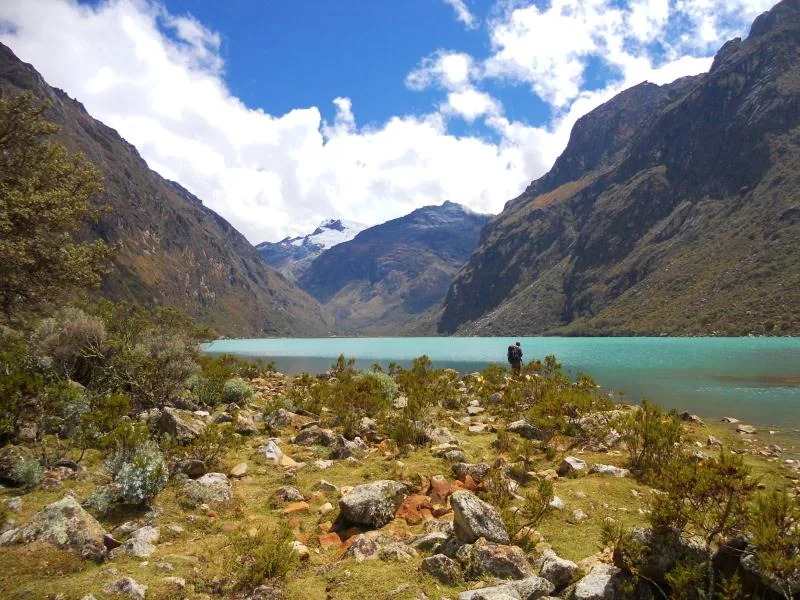
The flora and fauna of Huascarán National Park represent some of the most resilient and spectacular life forms in the high Andes. In the shadow of Peru's highest peaks, one can find the extraordinary Puya Raimondii, a giant bromeliad that can reach heights of 12 meters and only blooms once after nearly a century of life. The park's varied ecosystems, ranging from lush glacial valleys to stark high-altitude puna, are home to iconic Andean wildlife like the spectacled bear, the elusive North Andean deer (taruca), and the majestic Andean condor. Many of these species are endangered and find a vital refuge within the park's protected borders. The park's biological diversity is a testament to the ability of life to adapt to extreme altitudes, cold temperatures, and intense solar radiation.
- Location: Peru
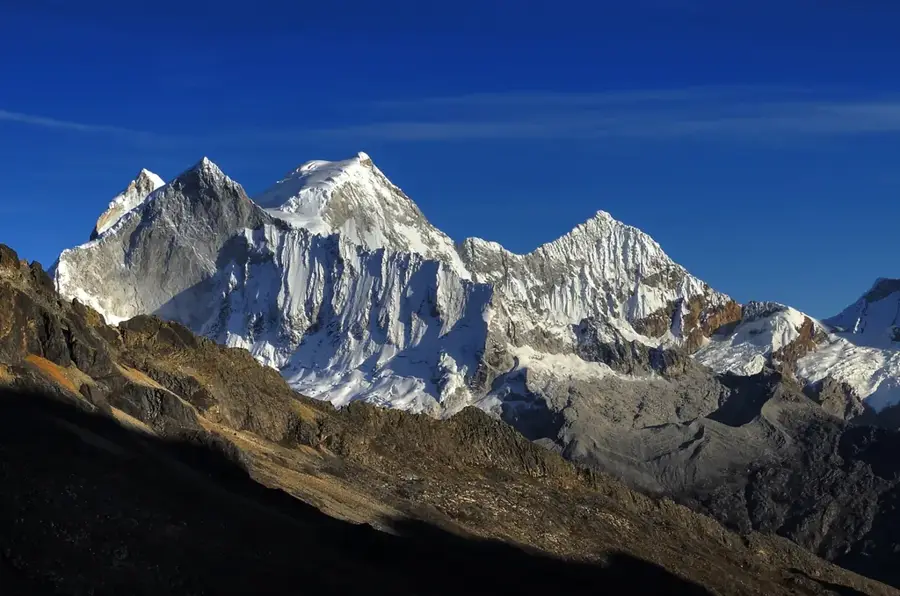
- Top sights: Chequiaraju · Hualcán · Huacramarca
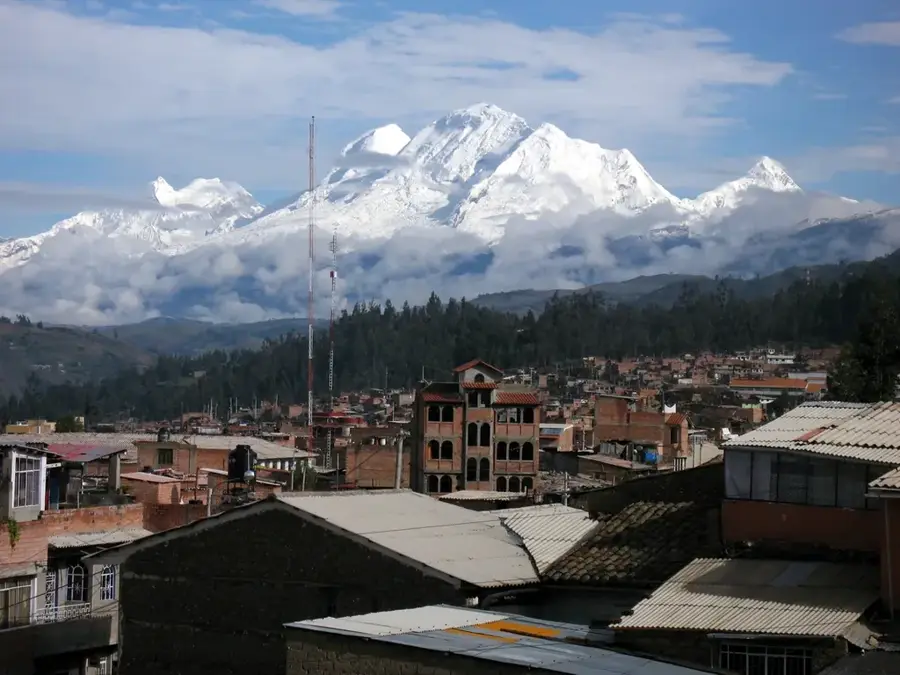
- Nearby: Huaraz (9 km)
Best time to visit & climate
The most pleasant time to visit is Aug–Oct.
| Jan | Feb | Mar | Apr | May | Jun | Jul | Aug | Sep | Oct | Nov | Dec | |
|---|---|---|---|---|---|---|---|---|---|---|---|---|
| Avg °C | 9 | 9 | 8 | 9 | 8 | 7 | 7 | 8 | 9 | 9 | 9 | 9 |
| Rain mm | 50 | 57 | 62 | 40 | 33 | 14 | 15 | 12 | 16 | 33 | 49 | 65 |
📋 Practical info
Geography
Facts
- Home to the Puya Raimondii, the world's largest bromeliad, which can live for 100 years.
- Protects the North Andean deer (taruca), a species that appears on Peru's 20-sol banknote.
- The spectacled bear (Tremarctos ornatus), South America's only bear species, inhabits the park's forests.
- Features over 120 species of birds, including the giant hummingbird and the Andean condor.
- The park contains diverse 'Polylepis' forests, some of the highest-growing trees in the world.
- More than 700 species of high Andean plants have been identified within the park.
- Vital habitat for the vicuña, known for its fine and valuable wool.
- The biodiversity is spread across a range of altitudes from 2,500 to over 6,700 meters.
Explore nearby
Notable places around
Route planner — Car & Motorhome
Where do you start? We build the route here, with stops and country notes along the way.
© OpenStreetMap contributors · OpenRouteService
Sights in the town Huascarán National Park (Flora & Fauna) (5)
Sights nearby
Frequently asked questions
What makes Huascarán so special?
Is the park demanding?
What to consider for clothing?
Do I need a park entrance fee?
What is the infrastructure like?
Huascarán National Park (Flora & Fauna): where is it located?
Huascarán National Park (Flora & Fauna): what is there to see?
Huascarán National Park (Flora & Fauna): when is the best time to visit?
Huascarán National Park (Flora & Fauna): why is it worth visiting?

Nearby cities

History & landmarks
Nature
More places