Plizio Visual Lab

Vardar Valley
Plizio editorial teamData Sources
valley
—°1
Vardar Valley (North Macedonia)

Weather…

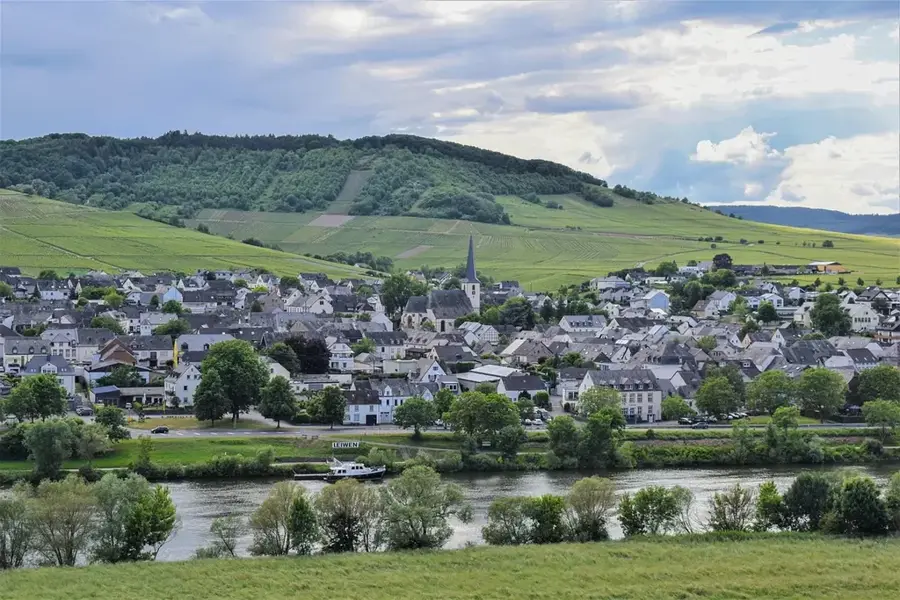
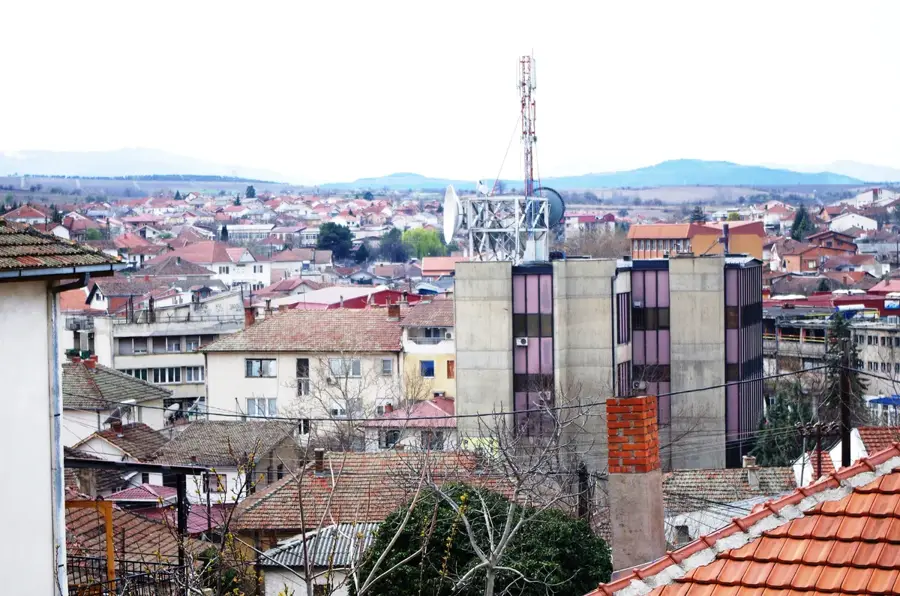
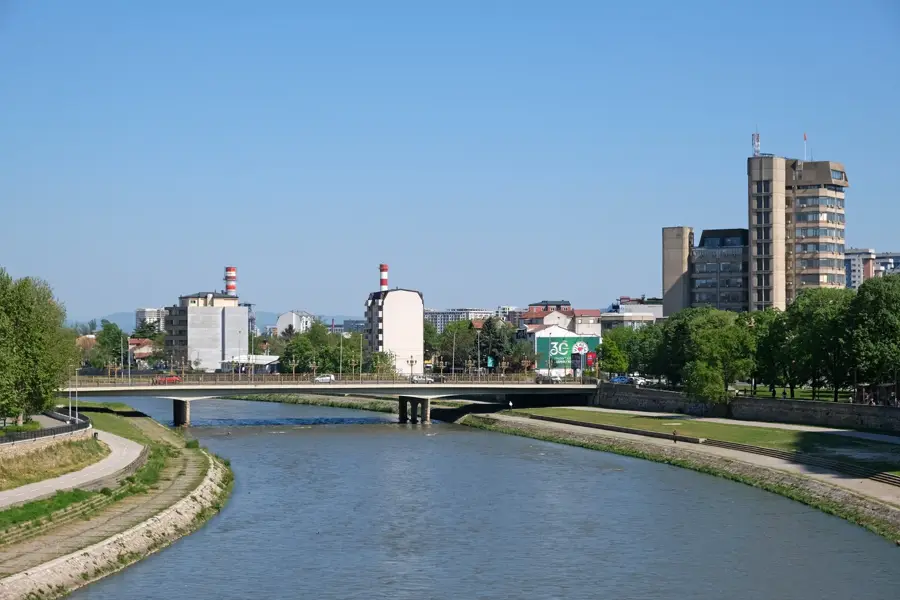
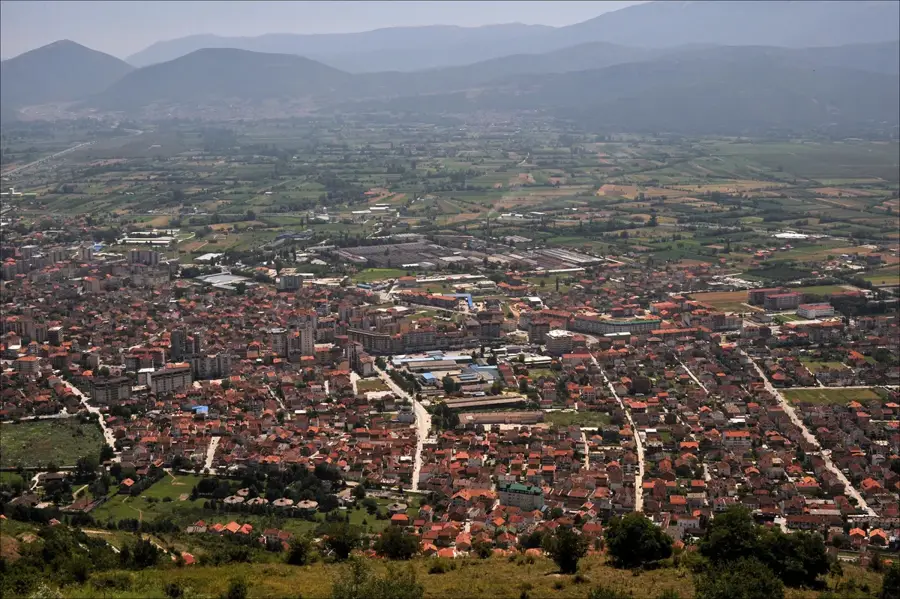
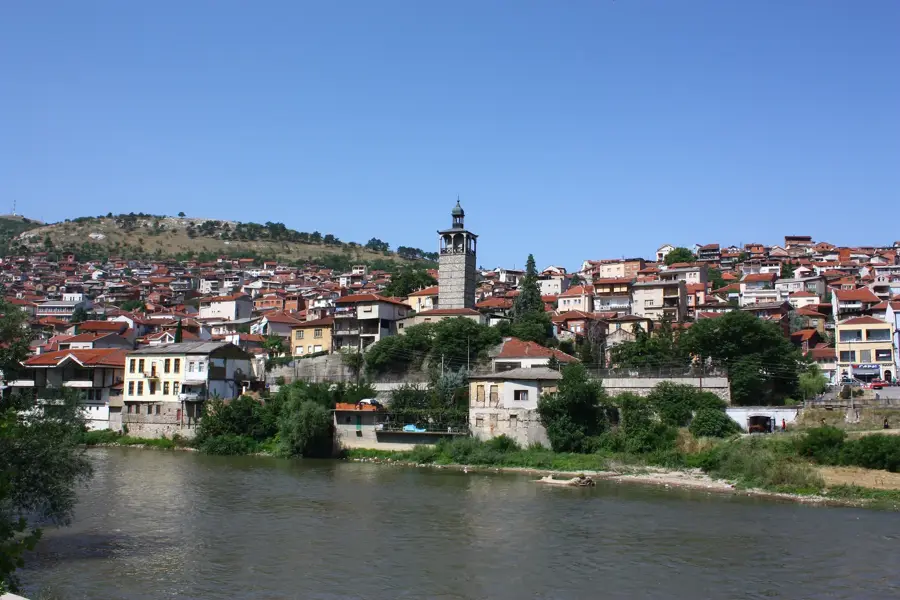
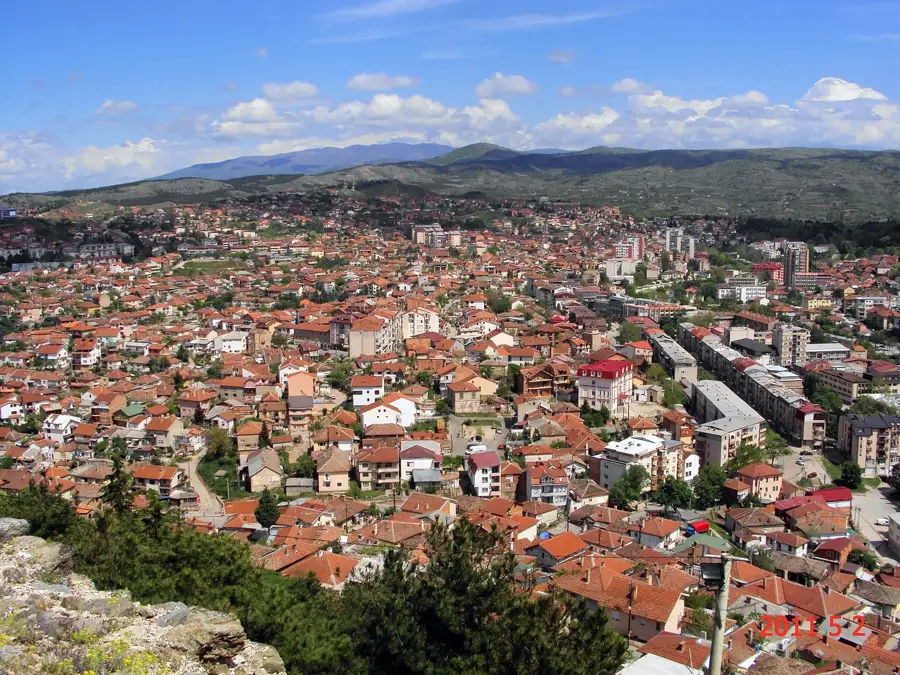
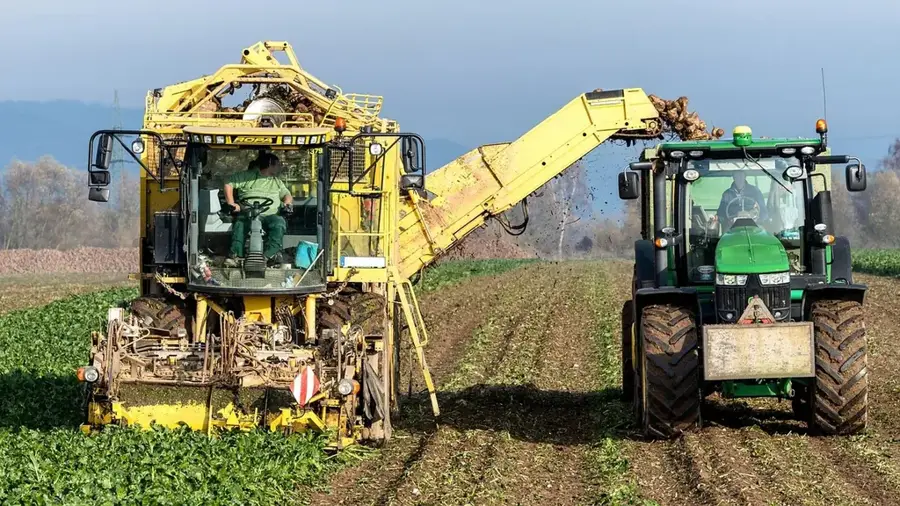
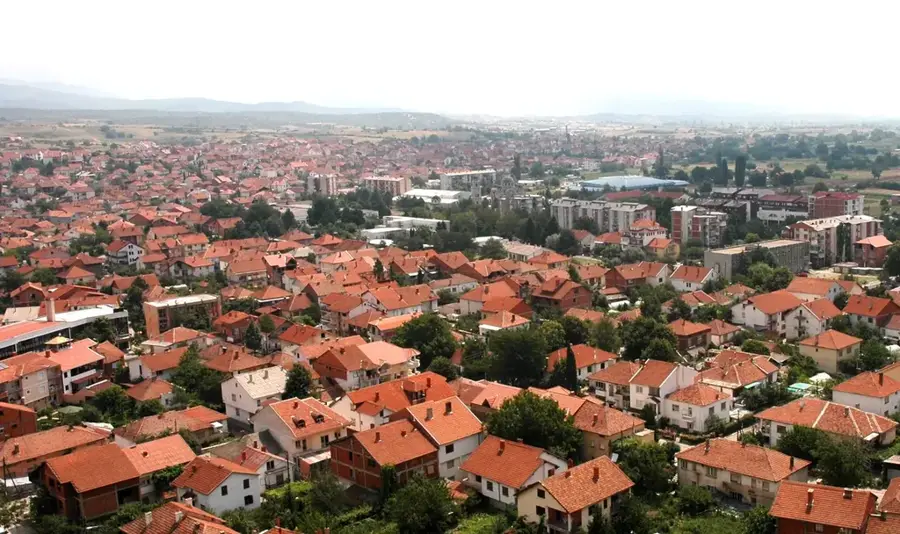
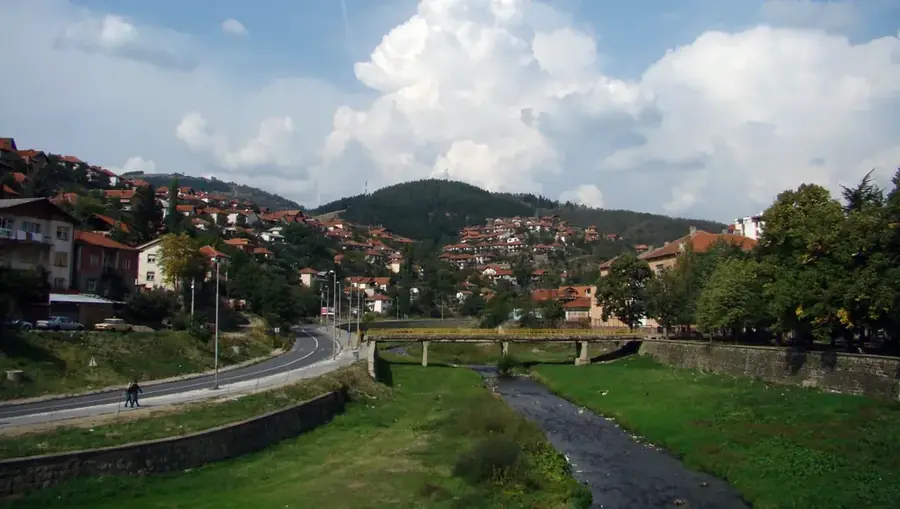
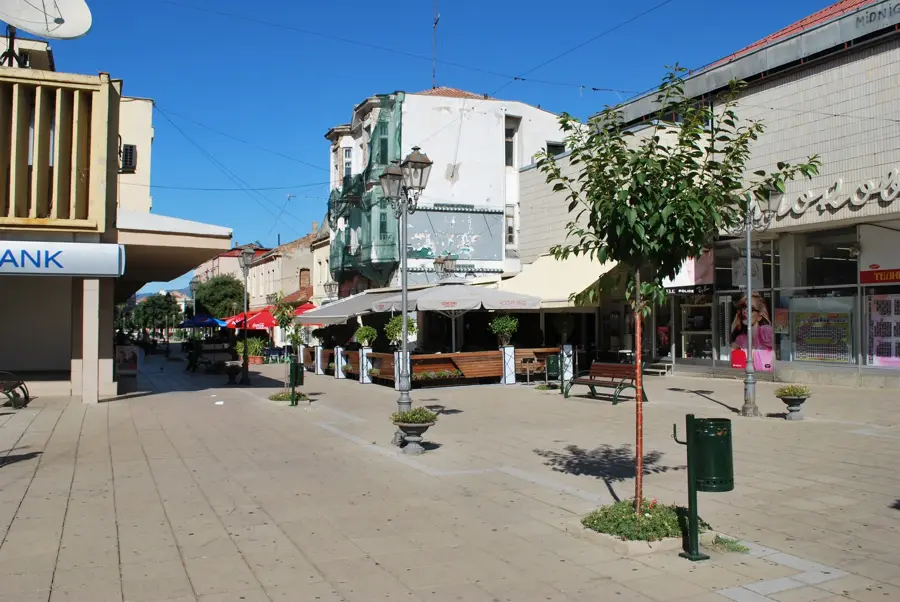
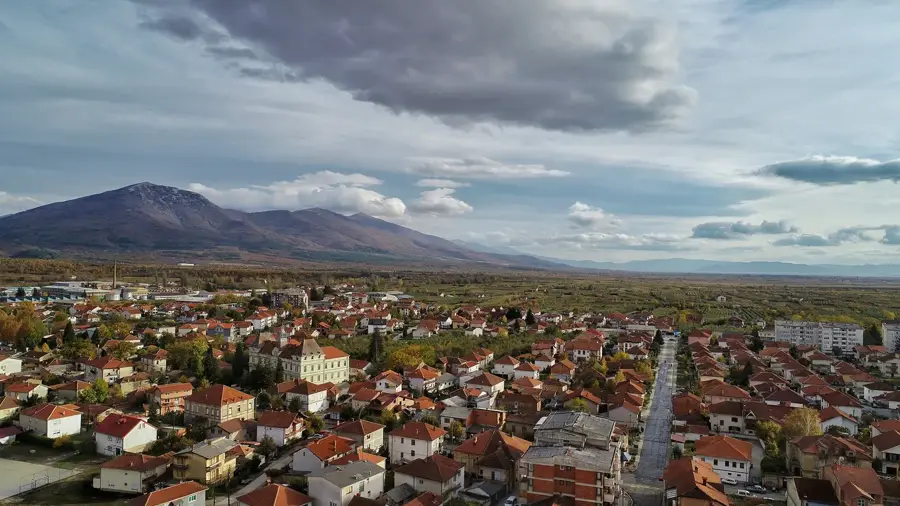
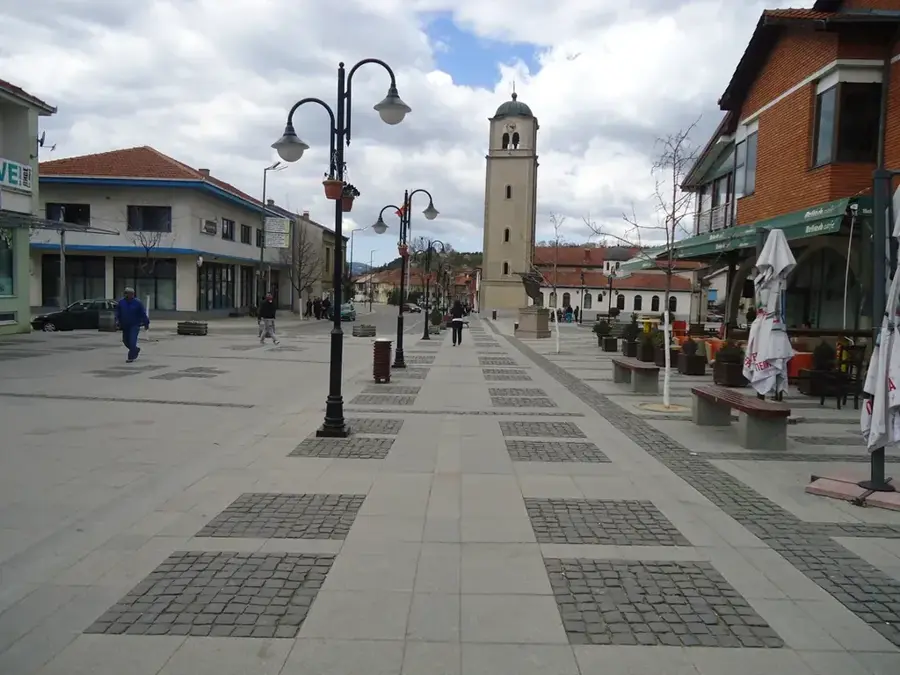
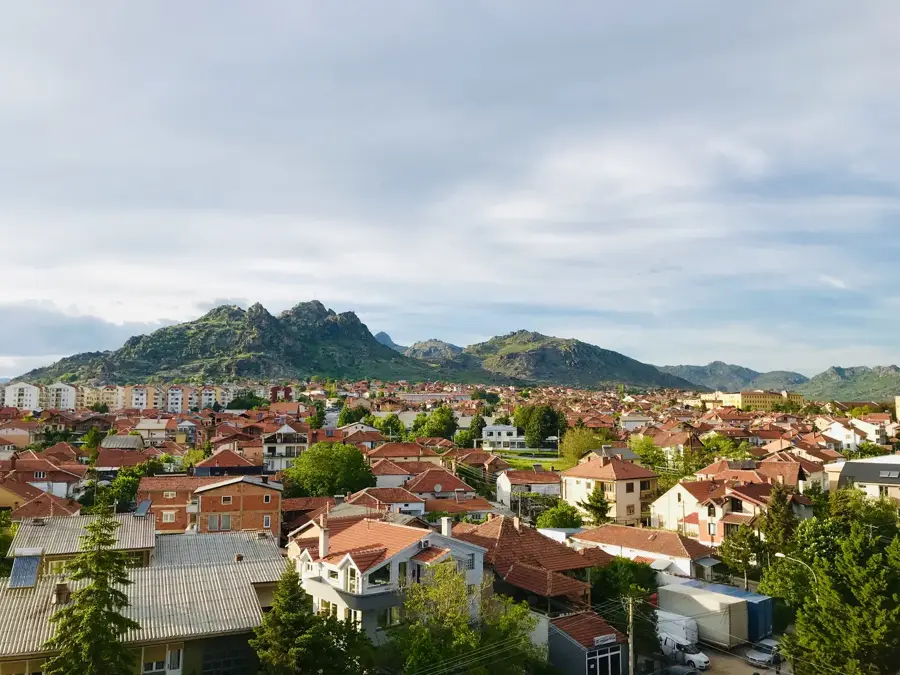
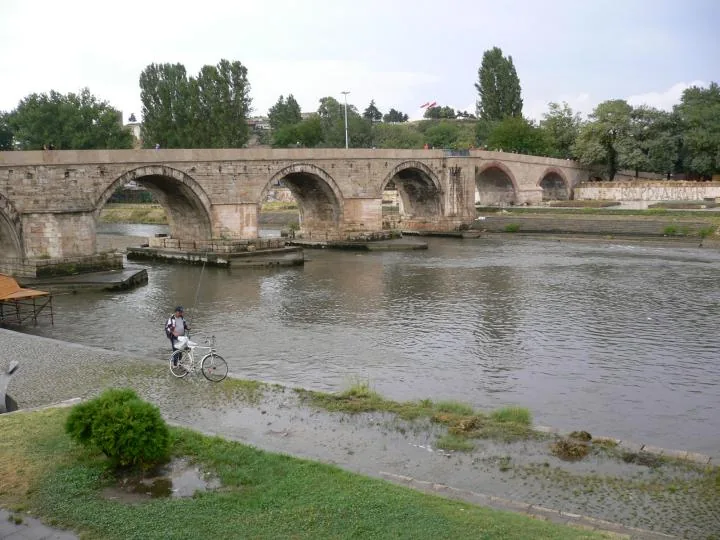
The Vardar Valley forms the geographic backbone of North Macedonia, serving as the primary river valley and transport corridor of the central Balkans. The Vardar River, the longest in the country, has carved a broad tectonic depression that links Central Europe with the Aegean Sea. The valley is characterized by a sequence of fertile basins, such as those of Skopje, Veles, and Gevgelija, separated by dramatic limestone gorges. These basins are the agricultural heartland of North Macedonia, producing significant quantities of grapes, tobacco, and early-season vegetables due to the favorable climate. Historically, the valley was known to the Romans as the Via Axia and has been a strategic route for armies and traders for millennia. The climate shifts from continental in the north to a semi-Mediterranean influence in the south, creating diverse ecological zones along the riverbanks. Today, the Vardar Valley hosts the nation's most vital infrastructure, including major highways and railways that form part of the Pan-European Corridor X.

Best time to visit & climate

The most pleasant time to visit is Jun, Jul, Sep.

JanFebMarAprMayJunJulAugSepOctNovDec
Avg °C0261116212424191371
Rain mm534652576759414554615760

📋 Practical info

🧭
Getting there
As the country's central transport artery, the valley is exceptionally easy to reach via the main north-south highway and parallel railway lines. Travelers can stop at numerous towns, historical sites, and agricultural areas that dot the length of this expansive geographic feature.
📅
Best season
The valley is accessible and active year-round, with spring and early summer offering the most pretty views of the surrounding green landscapes. High summer can be extremely hot in the valley floor, while winter may bring localized fog and cooler, damp conditions.
⛰️
Terrain & paths
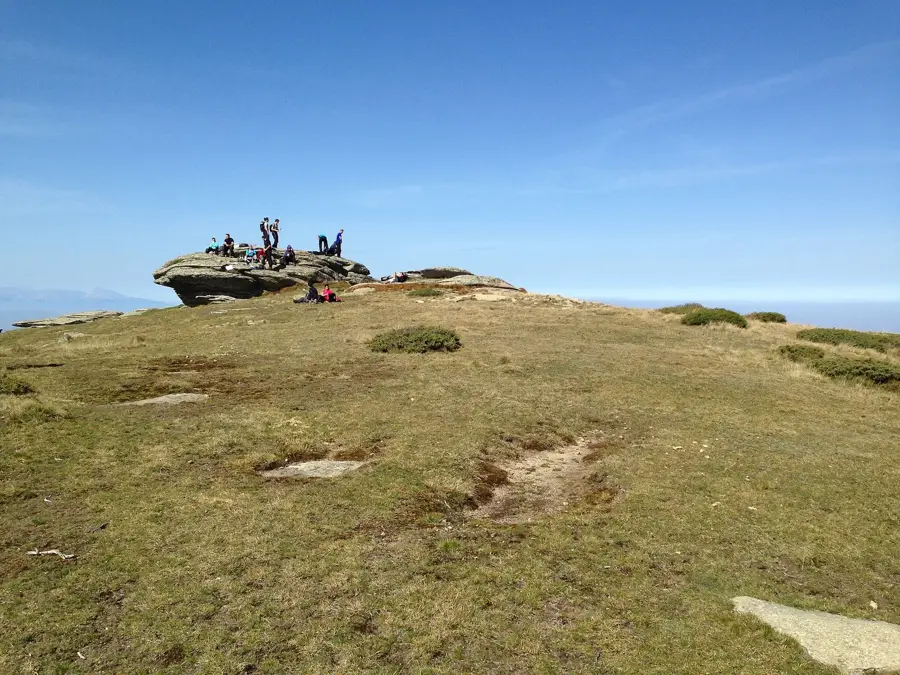
The terrain within the valley bottom is predominantly flat and highly cultivated, characterized by agricultural fields, urban areas, and the wide riverbed. Surrounding hills and terraced slopes offer gentle gradients, making walks in the immediate vicinity mostly easy and accessible.
🎒
What to bring
Casual, comfortable clothing and standard walking shoes are generally sufficient for exploring the valley's settlements and easily accessible viewpoints. If planning to hike the bordering hills for better vistas, standard day-hiking equipment and plenty of hydration are recommended.
🅿️
Parking
Extensive parking options are available in the numerous towns, commercial zones, and rest stops that line the main transportation routes. When stopping in rural sections, look for designated laybys to ensure safety away from fast-moving highway traffic on the main road.
⚠️
Safety
The primary hazards in this region are related to the heavy vehicular traffic along the main transport corridors; always exercise caution near roads. During the peak of summer, the intense heat requires adequate sun protection and continuous hydration to avoid heat exhaustion.
⏱️
Time needed
The valley is typically experienced as part of a broader journey, with most visitors spending a few hours stopping at points of interest along the route. However, dedicating a full day allows for a deeper exploration of the local communities and agricultural heritage along the river.

Geography

Coordinates
41.50000, 22.00000

Facts

  • The Vardar River flows for 301 kilometers within North Macedonian borders.
  • The valley hosts the Pan-European Corridor X, a vital trade route.
  • It accounts for nearly 80% of the country's total wine production.
  • The valley's elevation drops from 683m at its start to 44m at the Greek border.
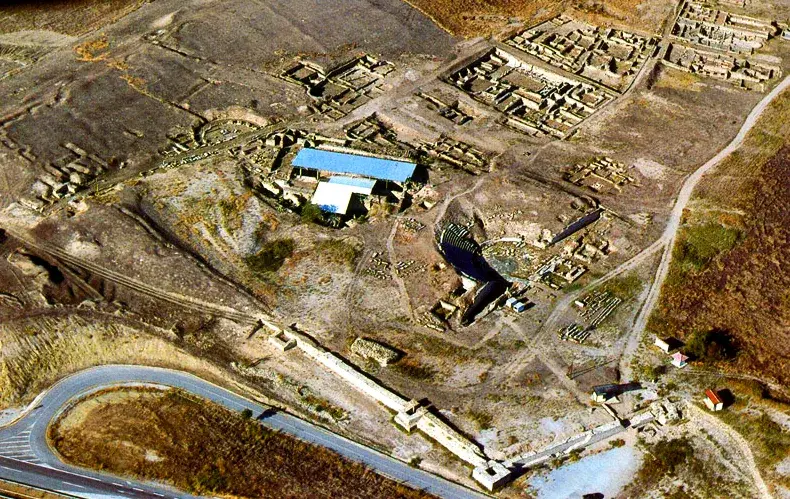
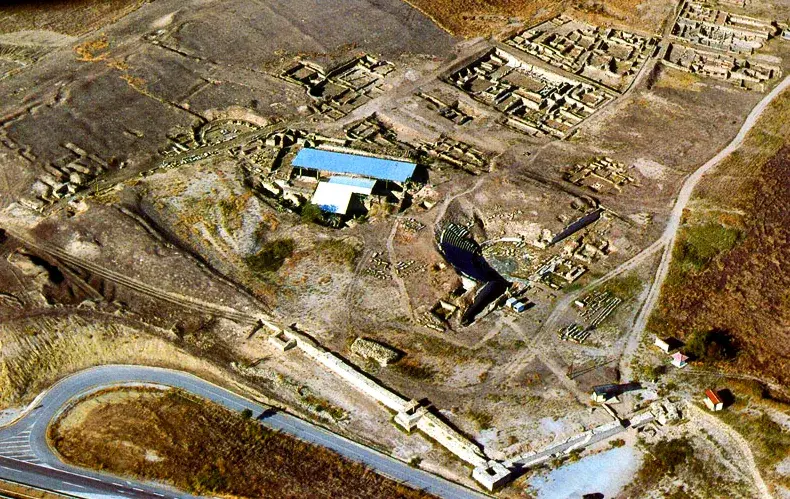
  • Archaeological sites like Stobi are located directly within the valley.
  • The Vardar Valley is the only natural passage through the Balkan mountains.

Explore nearby

Notable places around
Route planner — Car & Motorhome

Where do you start? We build the route here, with stops and country notes along the way.

Vehicle
Only stops with (optional):

© OpenStreetMap contributors · OpenRouteService

Sights in the town Vardar Valley (1)

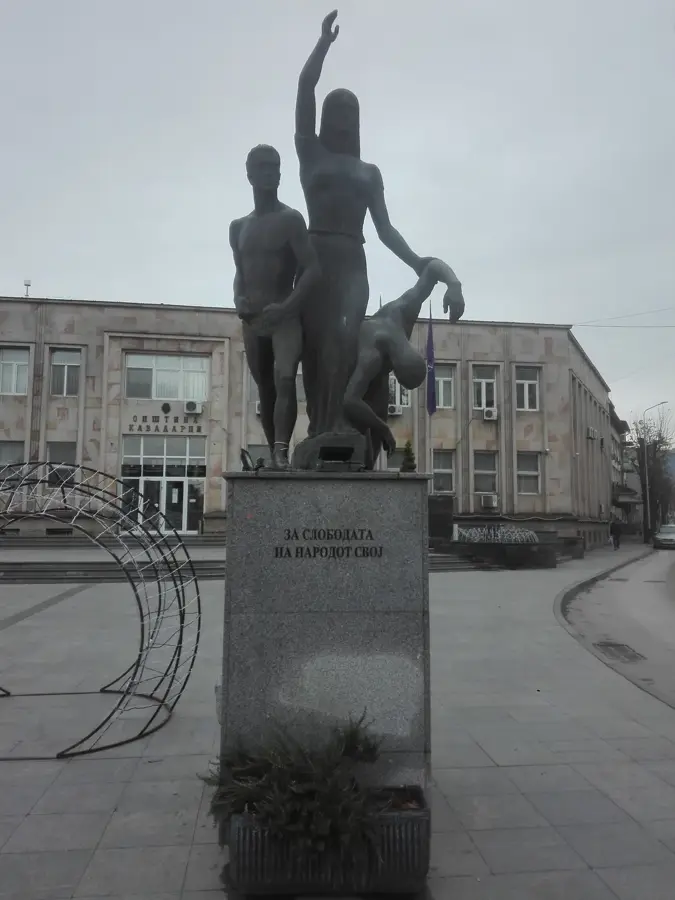
Sopot, Kavadarci📍 landmark

Sopot near Kavadarci is located in the Vardar Valley, known for vineyards and river proximity.

Sights nearby

Frequently asked questions

How important is the Vardar valley?
It is the most important transport and economic artery of North Macedonia.
What kind of agriculture is practiced here?
The valley is famous for viticulture, fruit, and tobacco.
What is Demir Kapija?
A spectacular gorge in the Vardar valley, known for wine and climbing.
Are there ancient cities in the valley?
Yes, the ruins of Stobi are located right in the Vardar valley.
What is the climate like in the Vardar valley?
It is Mediterranean-influenced, with very hot summers.
Vardar Valley: where is it located?
Vardar Valley is located in North Macedonia.
Vardar Valley: when is the best time to visit?
The most pleasant time to visit is Jun, Jul, Sep.
Vardar Valley: why is it worth visiting?

The Vardar Valley forms the geographic backbone of North Macedonia, serving as the primary river valley and transport corridor of the central Balkans.
View on map → The Top 50 Attractions → OpenStreetMap →
Europe
Explore with Plizio Discover more places in Europe
More places in North Macedonia →

Nearby cities

History & landmarks