Plizio Visual Lab

Dojran Wetland
Plizio editorial teamData Sources
Lake
—°4
Dojran Wetland (North Macedonia)

Weather…

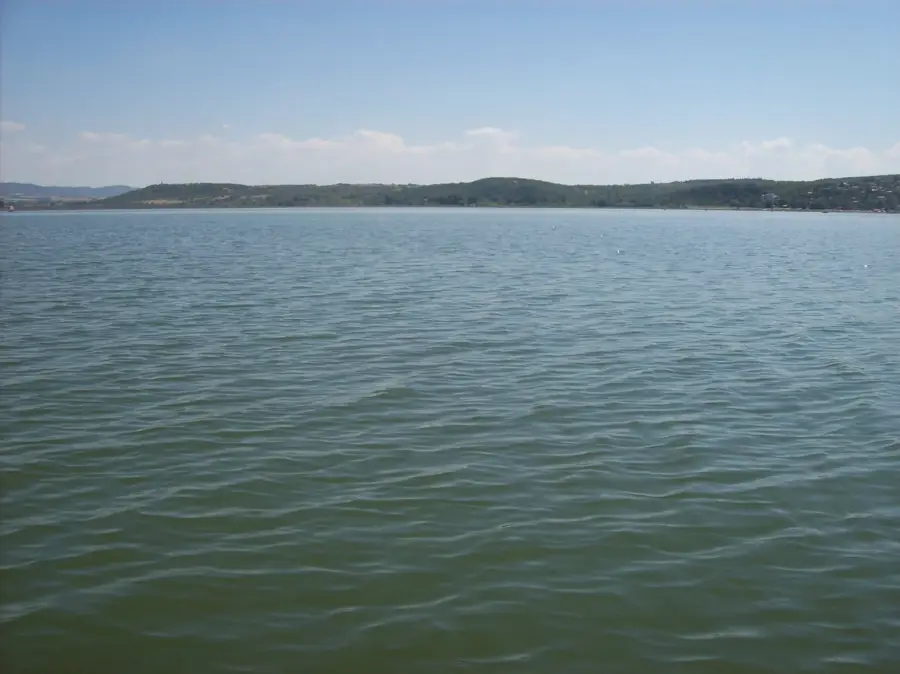
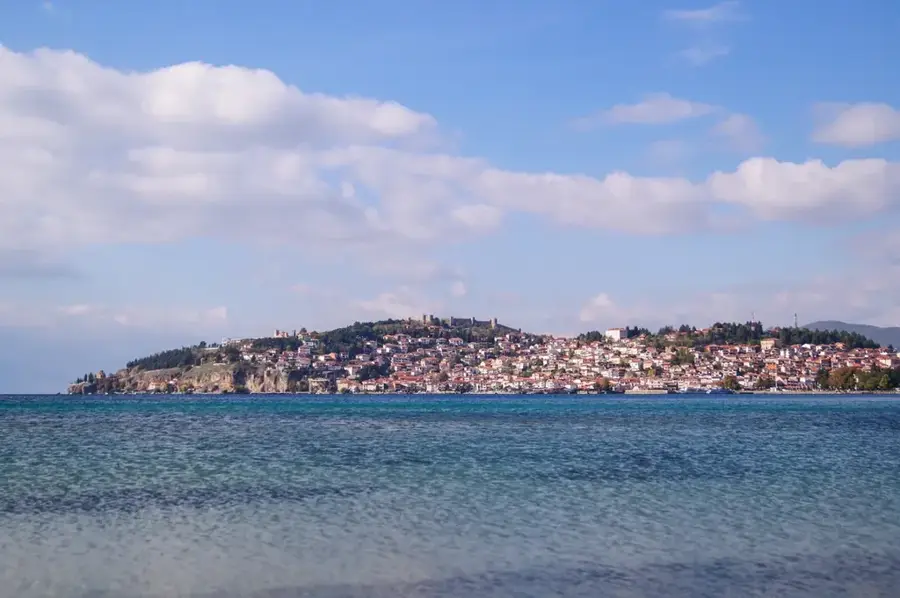
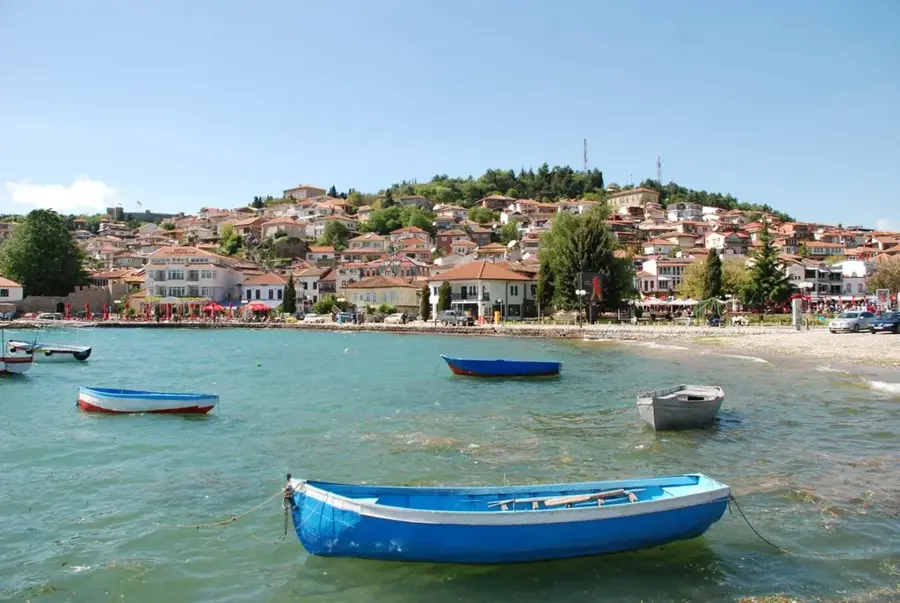
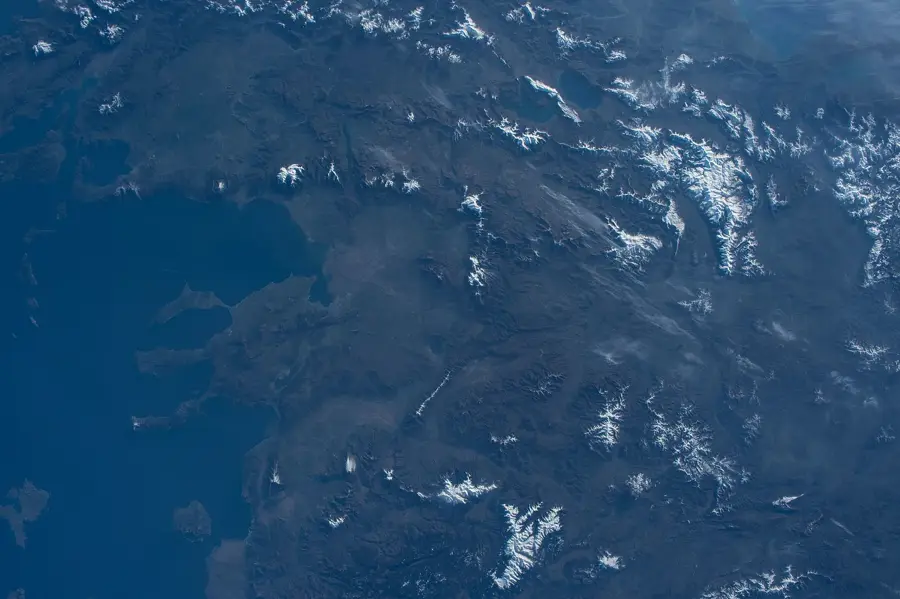
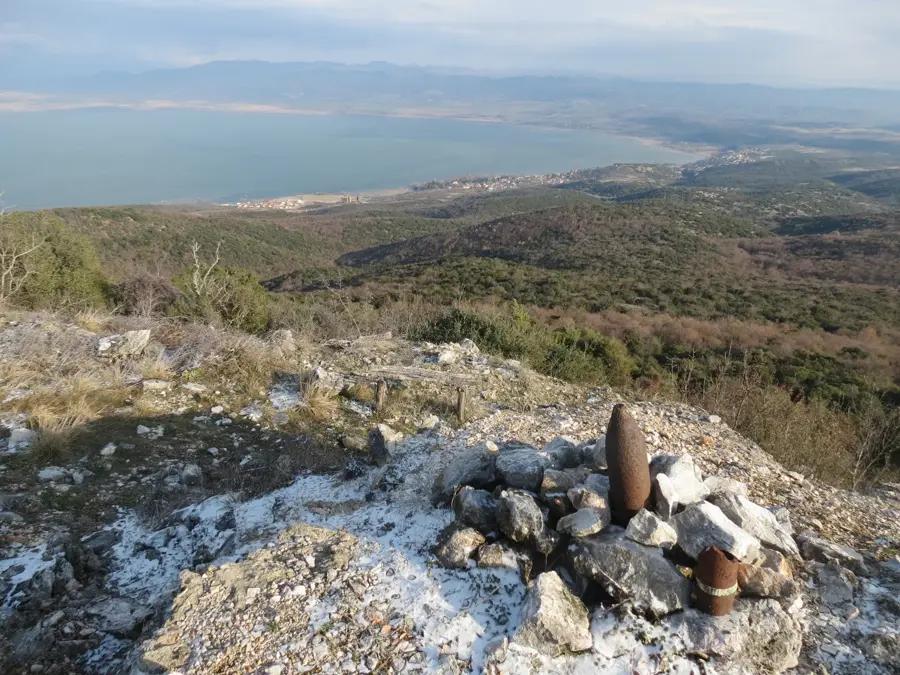
Dojran Wetland, situated on the border between North Macedonia and Greece, centers on Lake Dojran, a tectonic lake at 148 m elevation. The wetland covers approximately 30 km² of marshes, reed beds, and open water. It is a crucial stopover for migratory birds on the Adriatic Flyway, hosting over 200 species such as the Dalmatian pelican and the pygmy cormorant. The lake's fish fauna includes the endemic Dojran carp (Cyprinus carpio dojranensis). Historically, the lake supported a thriving fishing industry, but over-extraction for agriculture in the 20th century caused severe water level drops, reducing its area by half. Since the 1990s, restoration efforts including water diversion from the Crna River have stabilized the ecosystem. The wetland is a Ramsar site (designated 2007) and a Natura 2000 area, attracting eco-tourists. Its unique position in the Balkan Peninsula makes it a biodiversity hotspot for both aquatic and terrestrial species.

Best time to visit & climate

The most pleasant time to visit is May, Jun, Sep.

JanFebMarAprMayJunJulAugSepOctNovDec
Avg °C2481318242727211594
Rain mm524553515953383752595366

📋 Practical info

🧭
Getting there
The Dojran Wetland is very easily accessible as it borders the well-known Lake Dojran area in the country's southeast. Visitors generally travel by car or local bus to the lakeside towns, from where the wetland fringes can be explored on foot.
📅
Best season
Spring is a fantastic time for birdwatching and seeing the flora bloom, while autumn provides beautiful colors and migrating species. Summers in this region can be exceedingly hot, making early mornings the best time for comfortable exploration.
⛰️
Terrain & paths
The terrain is largely flat, comprising soft, muddy marshlands, reed beds, and gentle lakeside paths. Walking conditions are generally easy, though paths can become quite slippery or waterlogged following periods of heavy rain.
🎒
What to bring
Comfortable, water-resistant footwear is highly recommended to handle damp patches near the water's edge. A good pair of binoculars is essential for observing the diverse wildlife, alongside insect repellent to ward off mosquitoes in the warmer months.
🅿️
Parking
Visitors will find ample public parking spaces in the adjacent towns of Star Dojran or Nov Dojran. These lots are generally a short walk from the most scenic and accessible parts of the wetland shores.
⚠️
Safety
While the area is extremely safe for leisurely walks, visitors should stay on marked pathways to avoid sinking into deep mud or disturbing sensitive habitats. Be mindful of sudden summer storms and protect yourself adequately against the strong sun.
⏱️
Time needed
A relaxing stroll along the wetland perimeter typically takes around one to two hours. Dedicated nature enthusiasts and birdwatchers may easily choose to spend an entire morning or afternoon observing the lively ecosystem in detail.

Geography

Coordinates
41.20000, 22.70000

Facts

  • Total lake area: 43.1 km², with 27.3 km² in North Macedonia.
  • Maximum depth: 10 m.
  • Elevation: 148 m above sea level.
  • Designated a Ramsar site in 2007.
  • Over 200 bird species recorded.
  • Water level dropped by 5 m in the 1980s due to over-extraction.

Explore nearby

Notable places around
Route planner — Car & Motorhome

Where do you start? We build the route here, with stops and country notes along the way.

Vehicle
Only stops with (optional):

© OpenStreetMap contributors · OpenRouteService

Sights in the town Dojran Wetland (4)

Kale Tepe📍 landmark

A prominent peak in the Dojran region offering expansive views of the wetland.

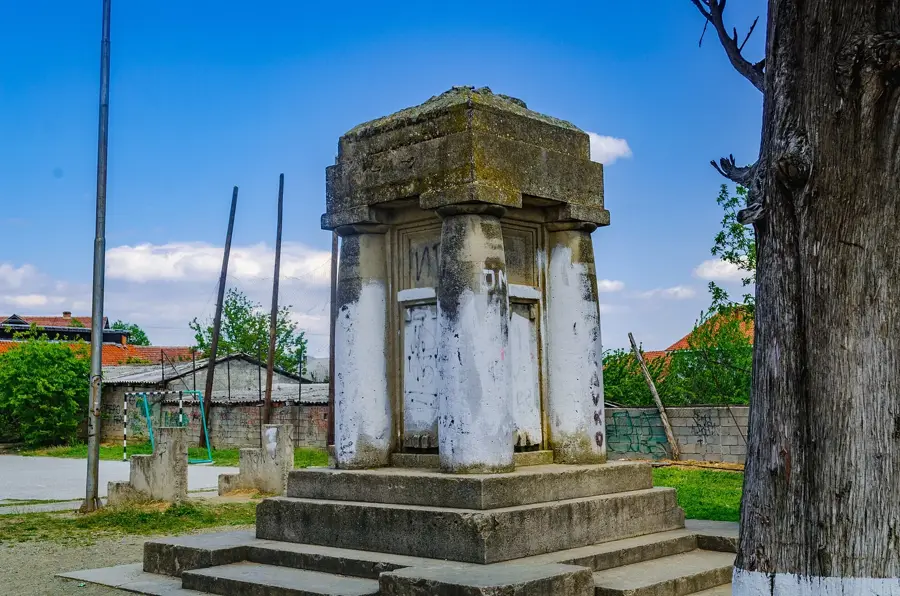
World War I Salonica Front memorial🏺 historical

A monument commemorating the events of the Salonica Front during World War I.

Alex-Beach🎡 recreation

A resort area at Lake Dojran with beach access and tourist infrastructure.

💶

Bazen Istatov🎡 recreation

A swimming pool located at the edge of the Dojran Wetland.

Sights nearby

Frequently asked questions

What makes the Dojran wetland special?
It is an important ecosystem for many bird species and famous for traditional fishing.
What healing properties does Lake Dojran have?
The lake's algae and mud are considered healing for rheumatism and skin diseases.
Are there bird-watching observation decks?
Yes, there are marked points and boardwalks to observe the rich birdlife.
What is the climate in Dojran like?
It has a mild, Mediterranean climate with hot summers.
Is the wetland protected?
Yes, parts of the area are under nature protection to preserve biodiversity.
Dojran Wetland: where is it located?
Dojran Wetland is located in North Macedonia.
Dojran Wetland: what is there to see?
Highlights include Kale Tepe, World War I Salonica Front memorial, Alex-Beach.
Dojran Wetland: when is the best time to visit?
The most pleasant time to visit is May, Jun, Sep.
Dojran Wetland: why is it worth visiting?

Dojran Wetland, situated on the border between North Macedonia and Greece, centers on Lake Dojran, a tectonic lake at 148 m elevation.
View on map → The Top 50 Attractions → OpenStreetMap →
Europe
Explore with Plizio Discover more places in Europe
More places in North Macedonia →

Nearby cities

History & landmarks

More places