Plizio Visual Lab

Iférouane Massif Rise
Plizio editorial teamData Sources
Mountain
—°2
Iférouane Massif Rise (Niger)

Weather…

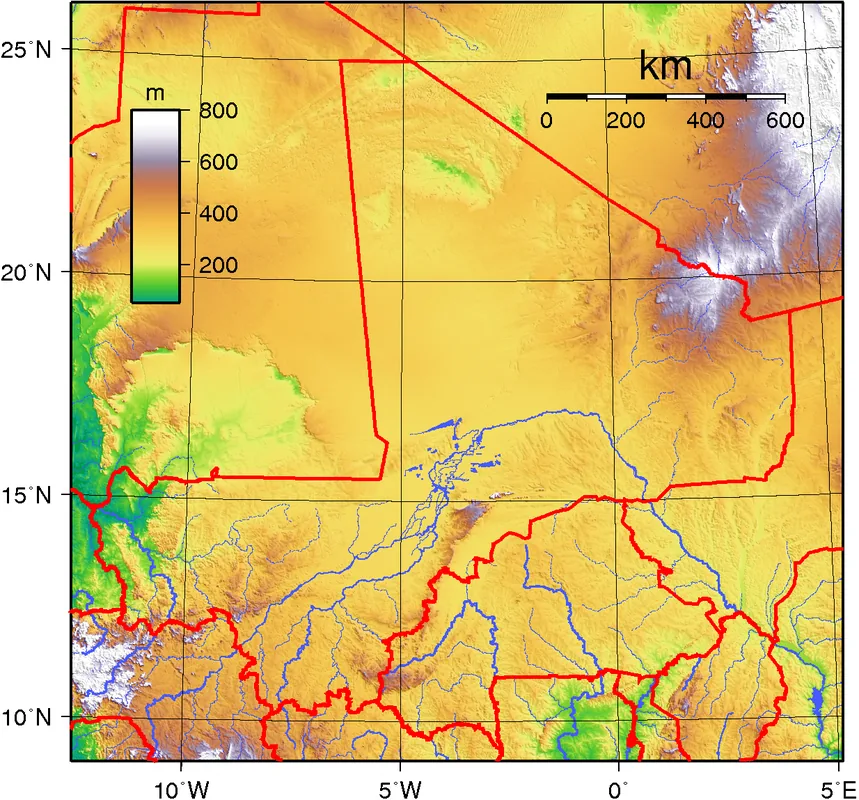
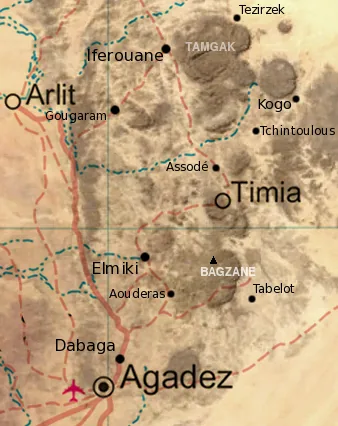
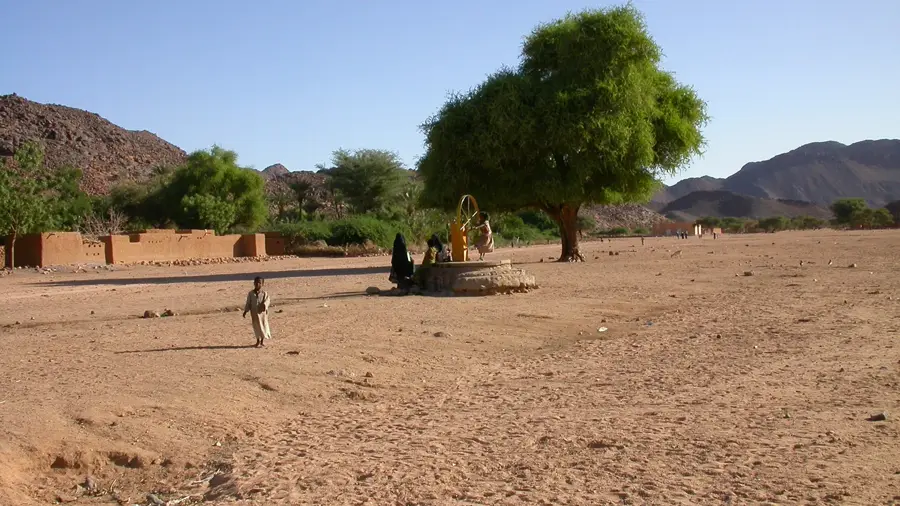
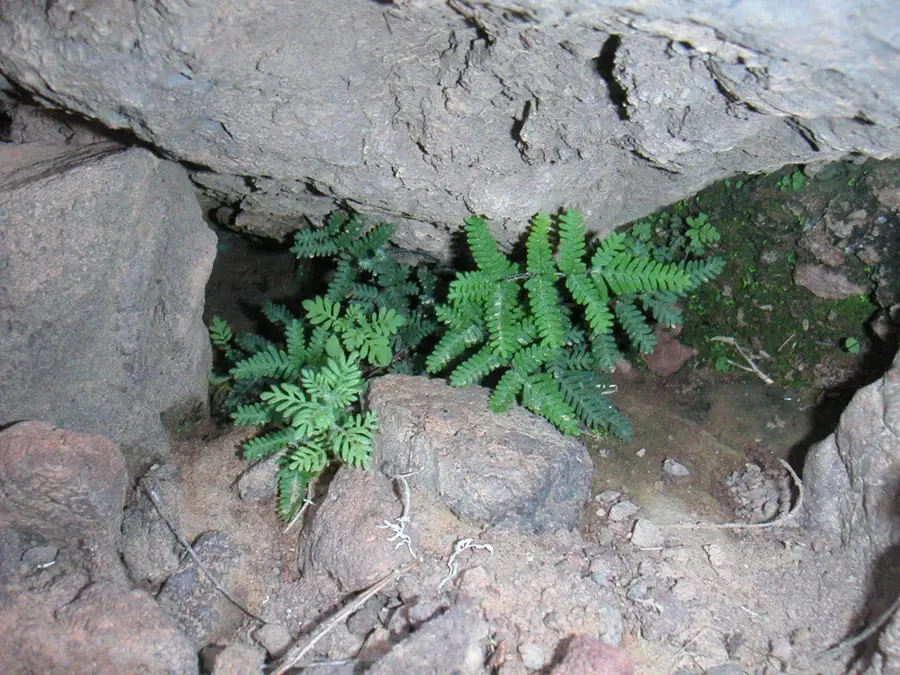
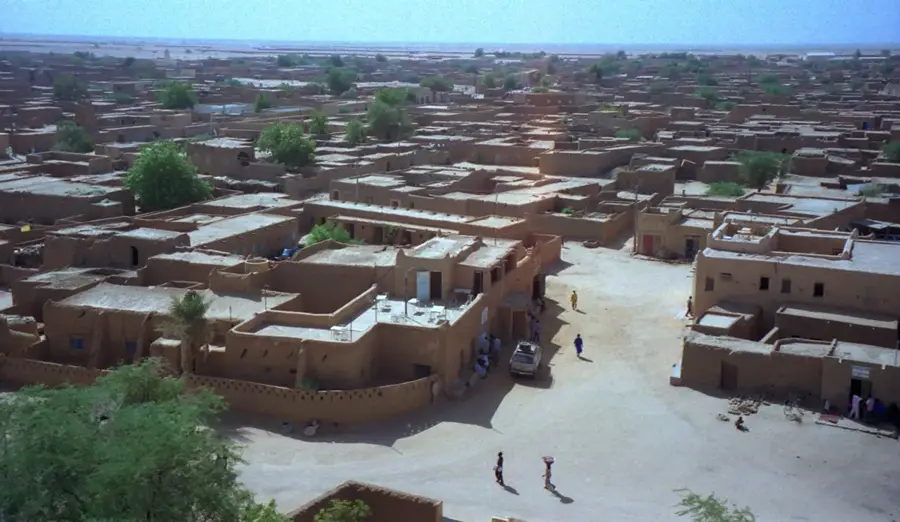
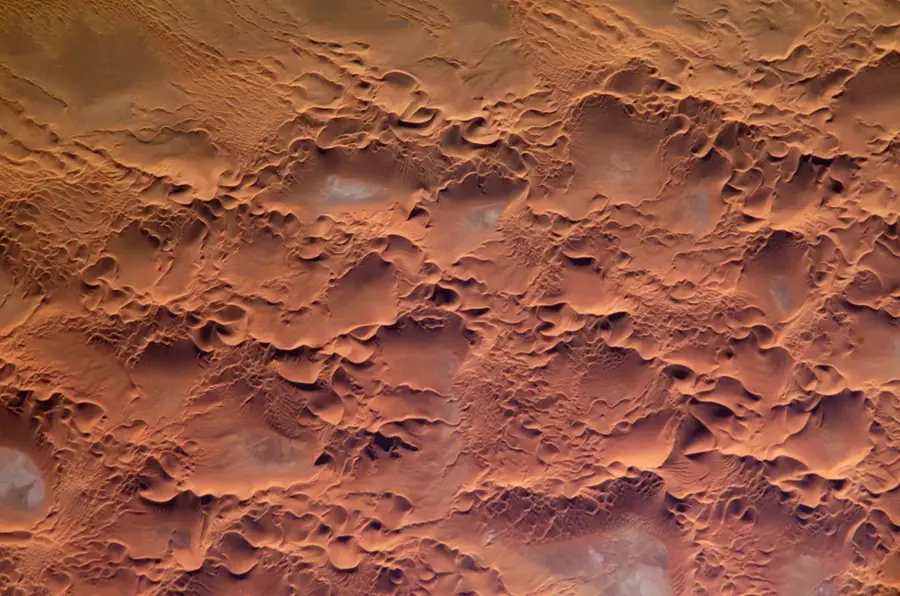
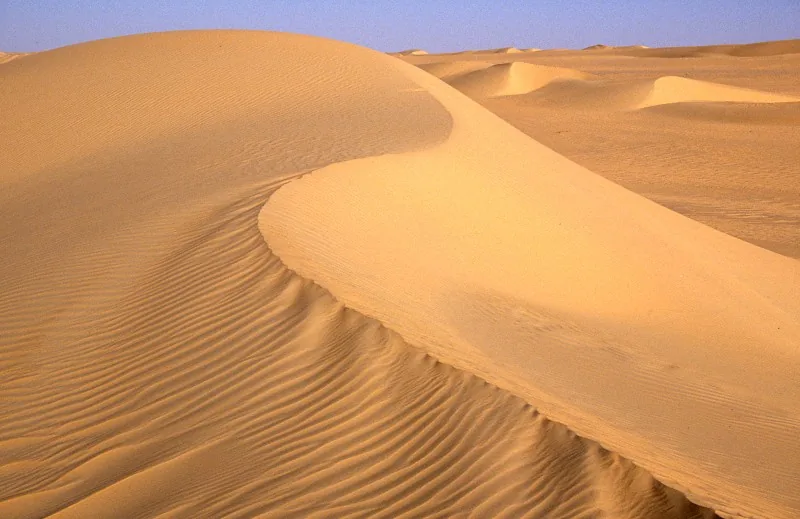
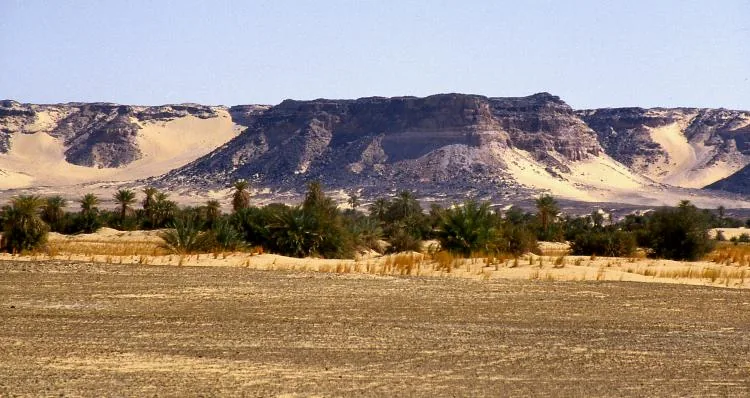
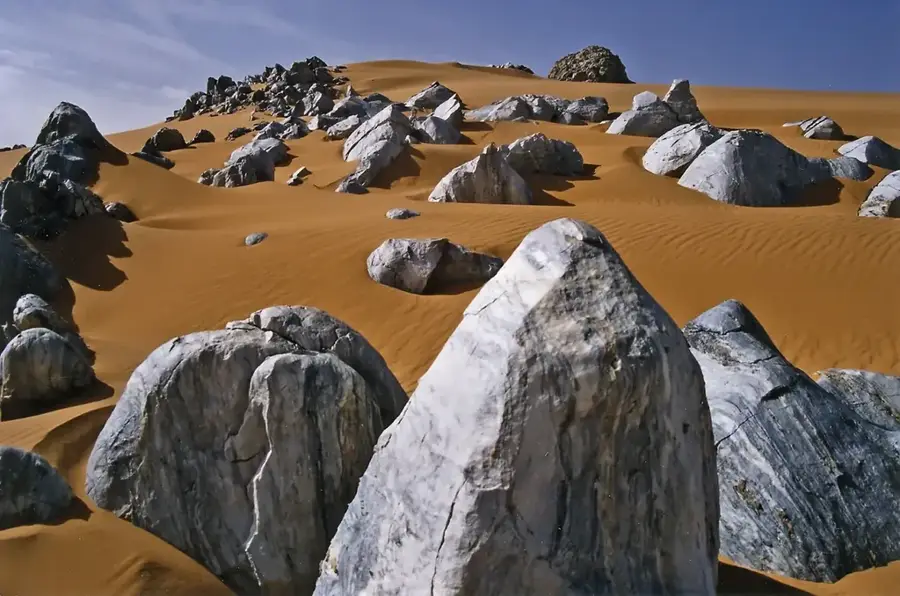
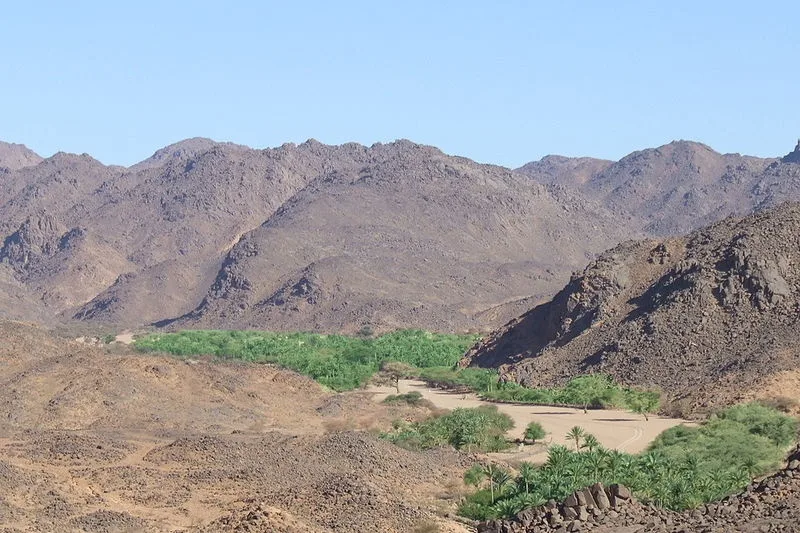
The Iférouane Massif Rise is a significant geological formation situated in the northern part of the Aïr Mountains in Niger. At an average elevation of 800 meters, this rugged landscape is deeply intertwined with the ancient Tuareg culture that has thrived here for generations. The region is renowned for its prehistoric rock art, which includes thousands of engravings depicting a once-greener Sahara with diverse wildlife. As part of a UNESCO World Heritage site, the massif is recognized for its unique biodiversity and geological importance. The climate is extremely arid, with annual rainfall typically measuring less than 50 millimeters. Despite these harsh conditions, the area remains a vital cultural landmark and a testimony to human adaptation in the desert.

Best time to visit & climate

The most pleasant time to visit is Feb, Mar, Nov.

JanFebMarAprMayJunJulAugSepOctNovDec
Avg °C151923273031302929252116
Rain mm0001101220508200

📋 Practical info

🧭
Getting there
Reaching this mountainous section of the Aïr massif typically requires a reliable 4x4 vehicle and a local guide who knows the desert tracks. The nearest starting point is usually the oasis town of Iférouane.
📅
Best season
The most favorable conditions for exploration are usually found between November and February, when the intense Saharan heat is more manageable. Traveling during the peak summer months is typically avoided due to extreme temperatures.
⛰️
Terrain & paths
The environment is characterized by rocky slopes, barren peaks, and loose scree, making navigation challenging for inexperienced hikers. There are generally no marked trails, requiring careful route finding among the rocky outcrops.
🎒
What to bring
High-quality, supportive hiking boots are absolutely necessary for the rocky and uneven ground. Visitors must carry abundant water supplies, comprehensive sun protection, and warm clothing for the drastically colder desert nights.
🅿️
Parking
Formal parking infrastructure does not exist in this remote rugged landscape; vehicles are typically left at designated base camps or with expedition teams in Iférouane. Security of the vehicle is usually managed by your local guides.
⚠️
Safety
Traveling in this remote Saharan region demands strict adherence to safety protocols and the presence of experienced local guides. Heat exhaustion, dehydration, and the extreme isolation are the primary objective hazards to prepare for.
⏱️
Time needed
Exploring the massif and its immediate surroundings usually takes at least a full day, though many multi-day trekking or 4x4 expeditions are organized to fully experience the remote landscape.

Geography

Coordinates
18.20000, 8.50000

Facts

  • The massif reaches a typical elevation of 800 meters above sea level.
  • It was included in the UNESCO World Heritage list in 1991.
  • Archaeologists have documented rock art dating back 6,000 years.
  • Average annual rainfall in the region is less than 50 millimeters.
  • The area serves as a traditional northern base for Tuareg clans.
  • Granite and metamorphic rocks form the core of the massif's geology.

Explore nearby

Notable places around
Route planner — Car & Motorhome

Where do you start? We build the route here, with stops and country notes along the way.

Vehicle
Only stops with (optional):

© OpenStreetMap contributors · OpenRouteService

Sights in the town Iférouane Massif Rise (2)

Mont Tchimourou🌿 nature

A prominent mountain located in the Ifé Massif.

Tagha🌿 nature

A distinct peak in the relief of the Ifé Massif.

Sights nearby

Frequently asked questions

How difficult is the hike in the Iférouane-Massif?
The terrain is demanding and requires good fitness as well as a local mountain guide.
What is the best time of year to visit?
The cooler period from November to February is most suitable.
Are there any sanitary facilities nearby?
No, there is no infrastructure; travelers must camp self-sufficiently.
Is special equipment required?
Yes, sturdy hiking boots, sun protection, and sufficient water supplies are mandatory.
Is there a high risk during bad weather?
Yes, sandstorms or sudden flash floods can jeopardize safety.
Iférouane Massif Rise: where is it located?
Iférouane Massif Rise is located in Niger.
Iférouane Massif Rise: what is there to see?
Highlights include Mont Tchimourou, Tagha.
Iférouane Massif Rise: when is the best time to visit?
The most pleasant time to visit is Feb, Mar, Nov.
Iférouane Massif Rise: why is it worth visiting?

The Iférouane Massif Rise is a significant geological formation situated in the northern part of the Aïr Mountains in Niger.
View on map → The Top 50 Attractions → OpenStreetMap →
Africa
Explore with Plizio Discover more places in Africa
More places in Niger →

Nearby cities

History & landmarks

Nature

More places