Plizio Visual Lab

Middle Atlas
Plizio editorial teamData Sources
Mountain
—°
Middle Atlas (Morocco)

Weather…

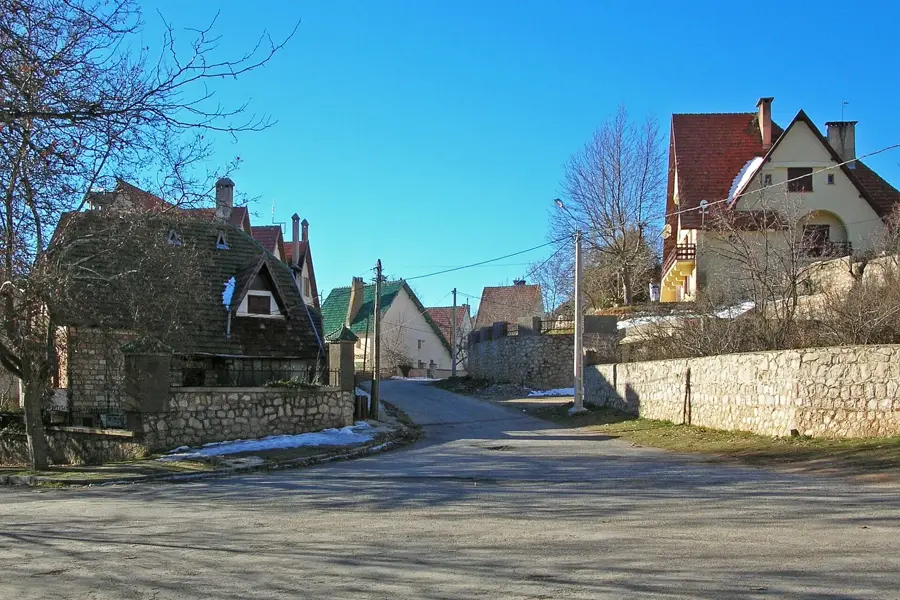
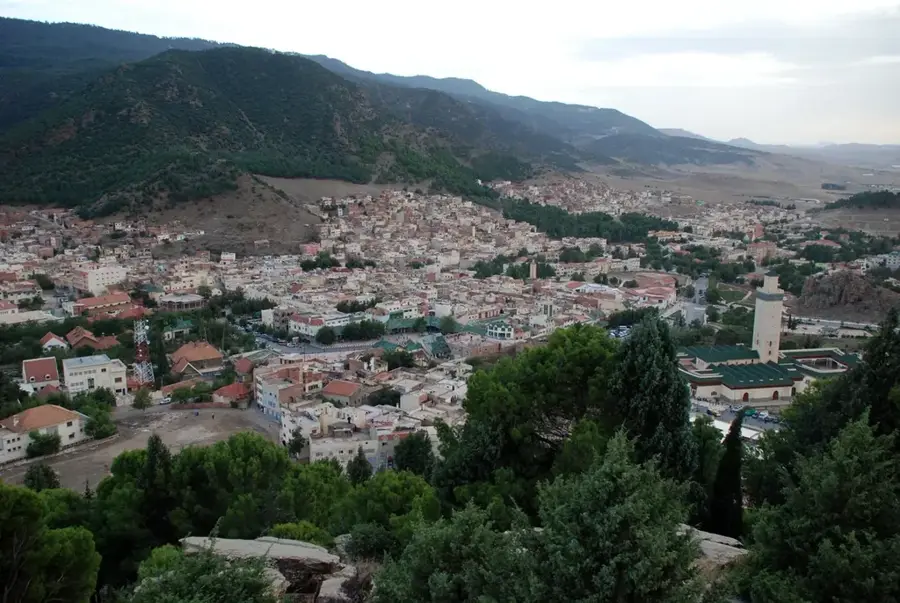
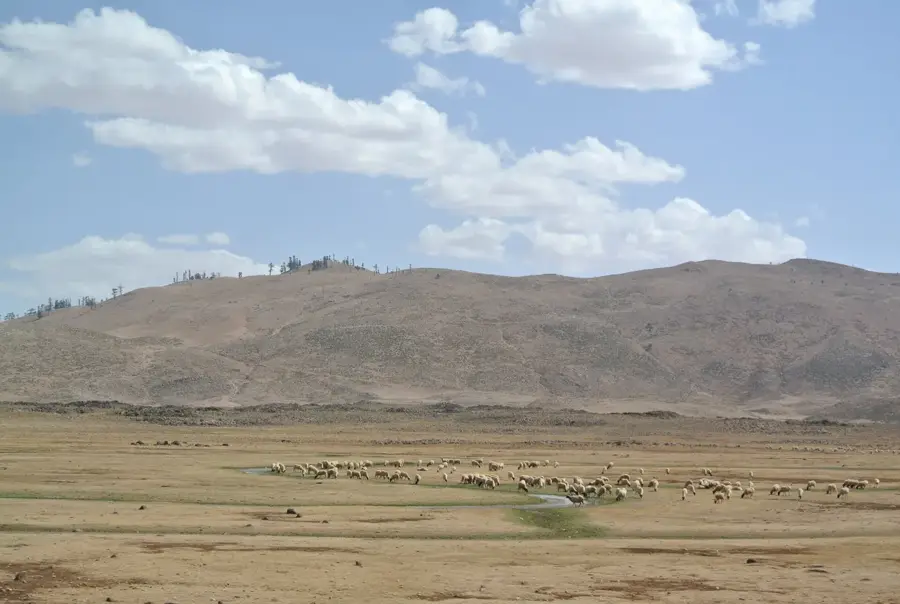
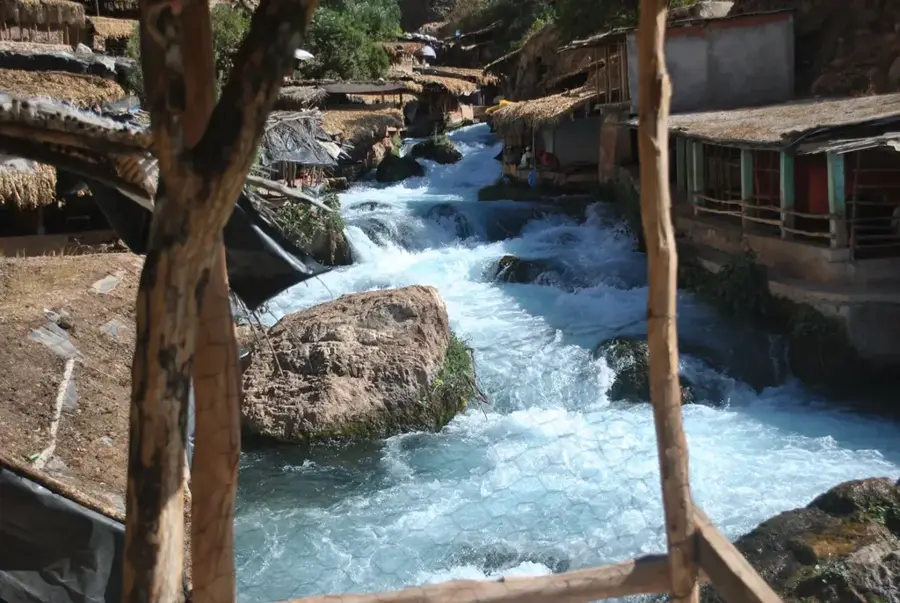
The Middle Atlas is the northernmost of the three major Moroccan Atlas ranges, distinguished by its exceptional biodiversity and vital water resources. Extending over 350 kilometers, the range functions as the country's primary 'water tower,' providing the source for major rivers such as the Sebou and the Oum Er-Rbia. Its landscape differs markedly from the southern ranges, featuring vast forests of the endemic Atlas Cedar (Cedrus atlantica) and numerous karst lakes like Aguelmame Azigza. The highest point is Jbel Bou Naceur, reaching an elevation of 3,340 meters in the eastern section. Geologically, the range is dominated by limestone plateaus that have been eroded over millennia into spectacular cave systems and canyons. The city of Ifrane, often referred to as the 'Switzerland of Morocco,' is located in the heart of this region, famous for its alpine architecture and the Michlifen ski resort. Furthermore, the Middle Atlas is the most critical habitat for the endangered Barbary macaque, Africa's only macaque species.

Best time to visit & climate

The most pleasant time to visit is Jun, Jul, Sep.

JanFebMarAprMayJunJulAugSepOctNovDec
Avg °C5691216212526211697
Rain mm908292754713617337110787

📋 Practical info

🧭
Getting there
The mountain region is most commonly accessed via well-maintained national highways driving south from Fes or Meknes towards towns like Ifrane or Azrou. From these hub towns, a network of smaller paved roads and dirt tracks branch out directly into the expansive cedar forests and higher peaks.
📅
Best season
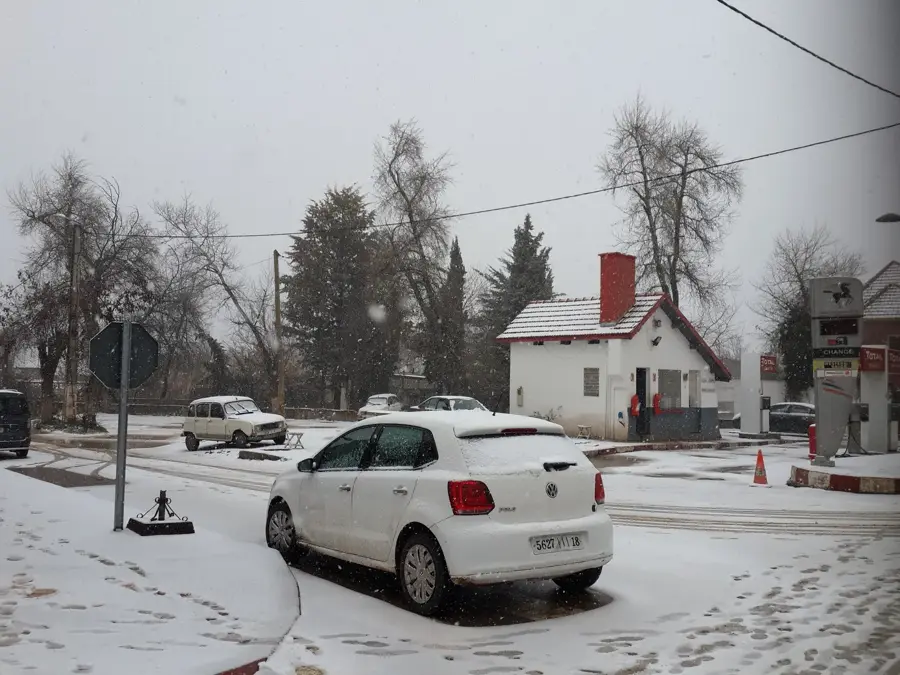
Spring and autumn provide beautifully mild hiking weather, offering lush green landscapes and comfortable daytime temperatures handy for outdoor exploration. Winter transforms the region into a snowy wonderland, attracting local visitors but making some higher secondary roads entirely impassable.
⛰️
Terrain & paths
The landscape features a diverse mix of gently rolling plateaus, deep shaded valleys, and rugged limestone outcrops interspersed with majestic old-growth trees. Treks can easily range from leisurely forest strolls on mostly flat trails to strenuous multi-day hikes ascending steep rocky ridges.
🎒
What to bring
Layered clothing is strictly essential, as temperatures can drop rapidly when clouds roll in or once the sun begins to set behind the high peaks. Sturdy hiking boots, reliable navigation tools or offline maps, and ample wind protection should be in every traveler's backpack regardless of the season.
🅿️
Parking
Large, designated parking lots are usually available at popular forest trailheads and just outside main tourist towns where day-trippers gather. When venturing further off the beaten path, travelers generally park safely on the widened shoulders of rural roads or near small local cafes.
⚠️
Safety
While the famous Barbary macaques are fascinating to watch, tourists must refrain from feeding them, as this encourages aggressive behavior toward humans. The high altitude means that unpredictable weather systems can move in swiftly, making a warm jacket necessary even on seemingly clear summer days.
⏱️
Time needed
Visitors driving through on a road trip typically spend two to four hours stopping for short walks and taking photographs of the sprawling cedar groves. Serious hikers and nature lovers often dedicate several days to explore the wider region, staying overnight in cozy mountain lodges or auberges.

Geography

Coordinates
33.50000, -5.00000

Facts

  • The Middle Atlas range spans a length of approximately 350 kilometers.
  • Jbel Bou Naceur is the highest peak in the range at 3,340 meters.
  • The region contains the world's largest continuous Atlas Cedar forests.
  • Ifrane National Park protects a significant portion of the local flora.
  • The Sebou and Oum Er-Rbia rivers both originate in these mountains.
  • Ifrane holds the record for Africa's lowest temperature at -23.9 °C.

Explore nearby

Notable places around
Route planner — Car & Motorhome

Where do you start? We build the route here, with stops and country notes along the way.

Vehicle
Only stops with (optional):

© OpenStreetMap contributors · OpenRouteService

Sights nearby

Frequently asked questions

What is the highlight in the Middle Atlas?
The cedar forests and the native Barbary macaques are particularly worth seeing.
Are there good hiking opportunities?
Yes, the Middle Atlas has gentle hills and is handy for hiking and cycling tours.
What is the infrastructure like?
The roads are well-developed and there are many villages with basic facilities.
Is it very hot there?
No, due to the altitude, the climate is significantly milder in summer than in the desert regions.
Can you ski there?
Near Ifrane, there are actually opportunities for skiing in winter.
Middle Atlas: where is it located?
Middle Atlas is located in Morocco.
Middle Atlas: when is the best time to visit?
The most pleasant time to visit is Jun, Jul, Sep.
Middle Atlas: why is it worth visiting?

The Middle Atlas is the northernmost of the three major Moroccan Atlas ranges, distinguished by its exceptional biodiversity and vital water resources.
View on map → The Top 50 Attractions → OpenStreetMap →
Africa
Explore with Plizio Discover more places in Africa
More places in Morocco →

Nearby cities

Nature

More places