Plizio Visual Lab
Ulaanbaatar
ℹ️Practical info — Ulaanbaatar
▾
🌤 Weather — 5 days
📍 Nearby
Sights nearby
💡 Tips
- The traffic jams are legendary. Walk when possible in the city center, and allow plenty of time if taking a bus or taxi.
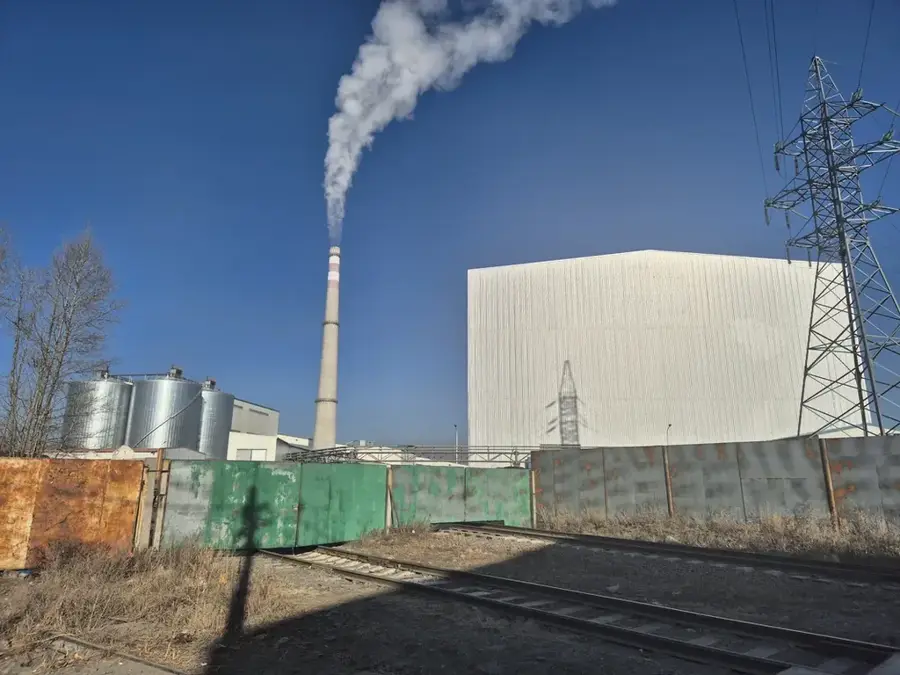
- In winter, the air quality can be severe due to coal burning in the ger districts. Wear a good pollution mask if visiting then.
- Cards are widely accepted in the center, but carry tugriks for small shops, markets, and taxis.
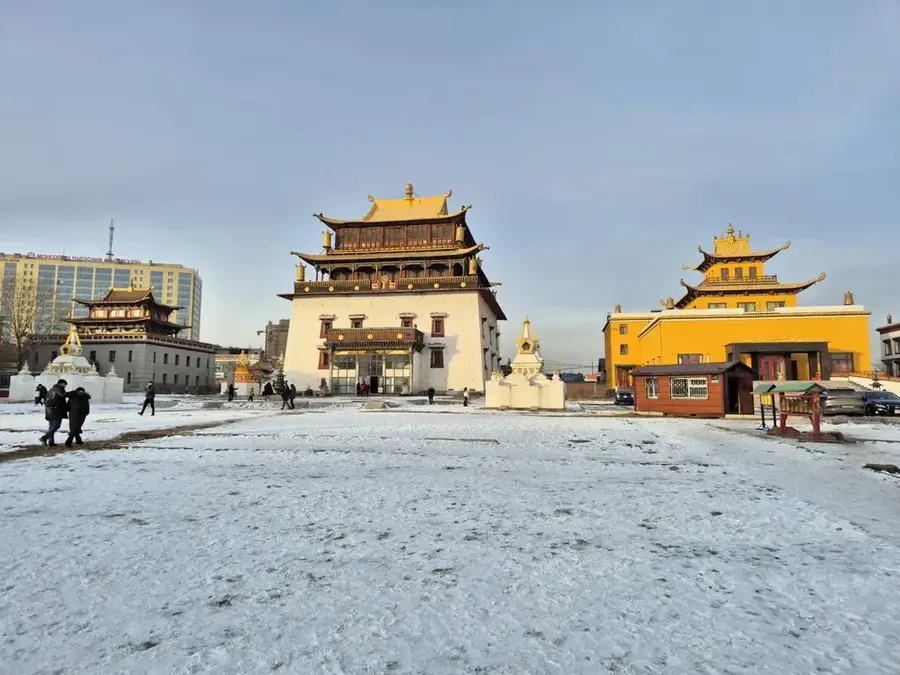
- Visit Gandantegchinlen Monastery early in the morning to observe the monks chanting in a serene atmosphere.
- It's the world's coldest capital; even in summer, pack a warm jacket as evenings can be remarkably chilly.
🍽 Food
Meat and vegetables cooked with hot stones, found in traditional restaurants in the city center.
A staple of nomadic life, often served in hearty soups at local diners.
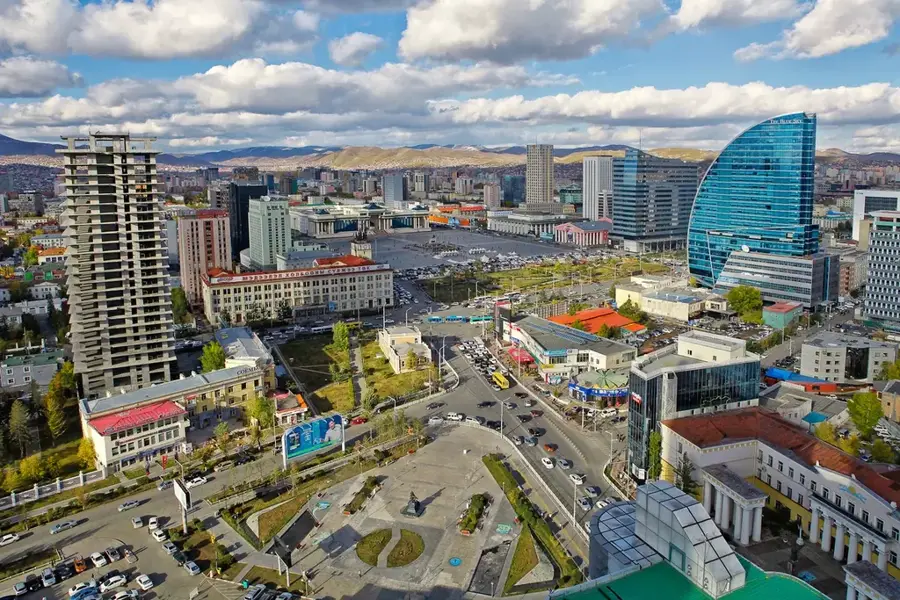
Try upscale Mongolian fusion at the contemporary restaurants near Sukhbaatar Square.
🛍 Shopping · 🧘 Quiet spots
A massive open-air market selling traditional clothing and riding gear. Beware of pickpockets.
Reliable for a wide variety of souvenirs, cashmere, and a large supermarket on the ground floor.
Ulaanbaatar is the best place to buy high-quality, relatively affordable cashmere garments directly from local brands.
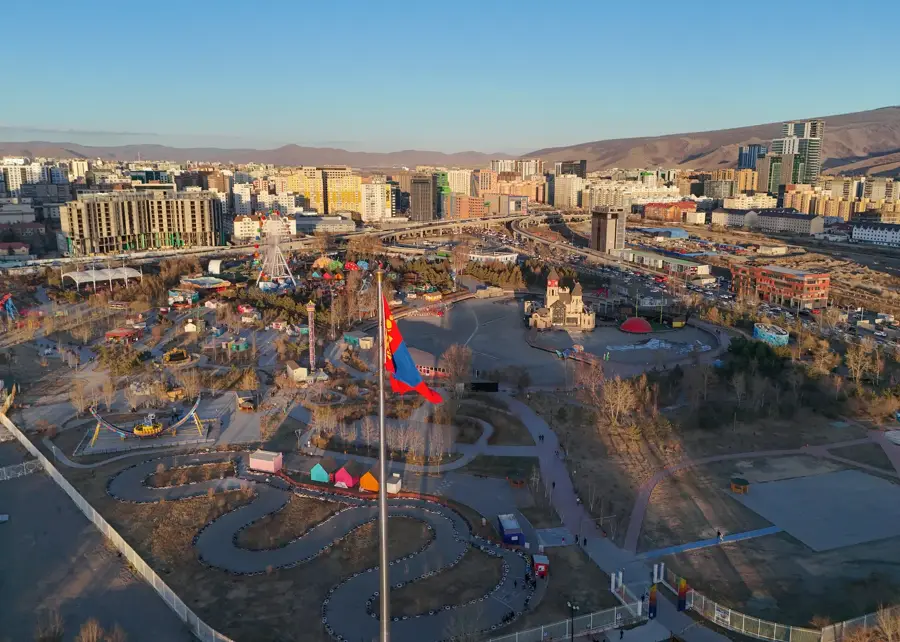
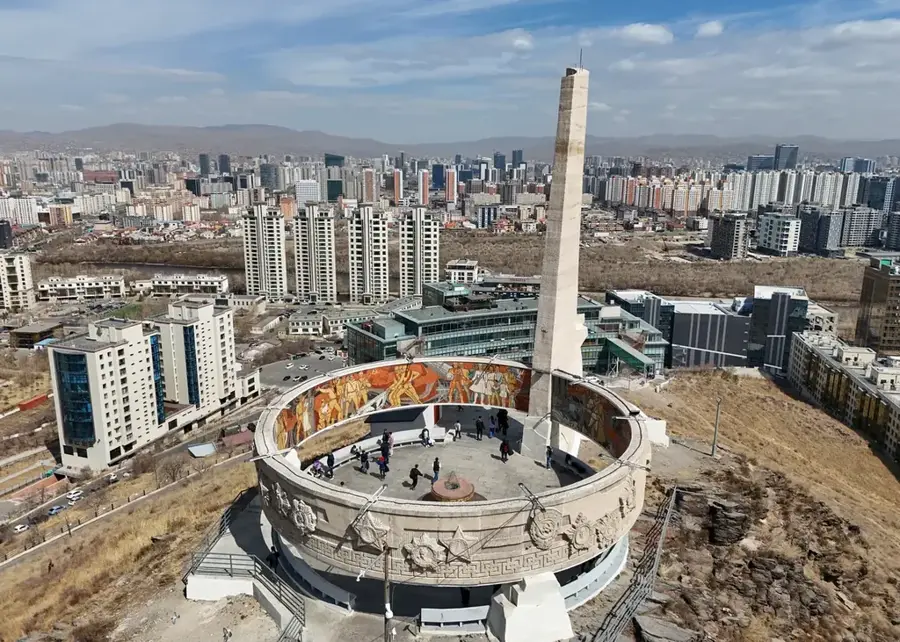
Climb the stairs for a panoramic view of the city, especially striking at sunset.
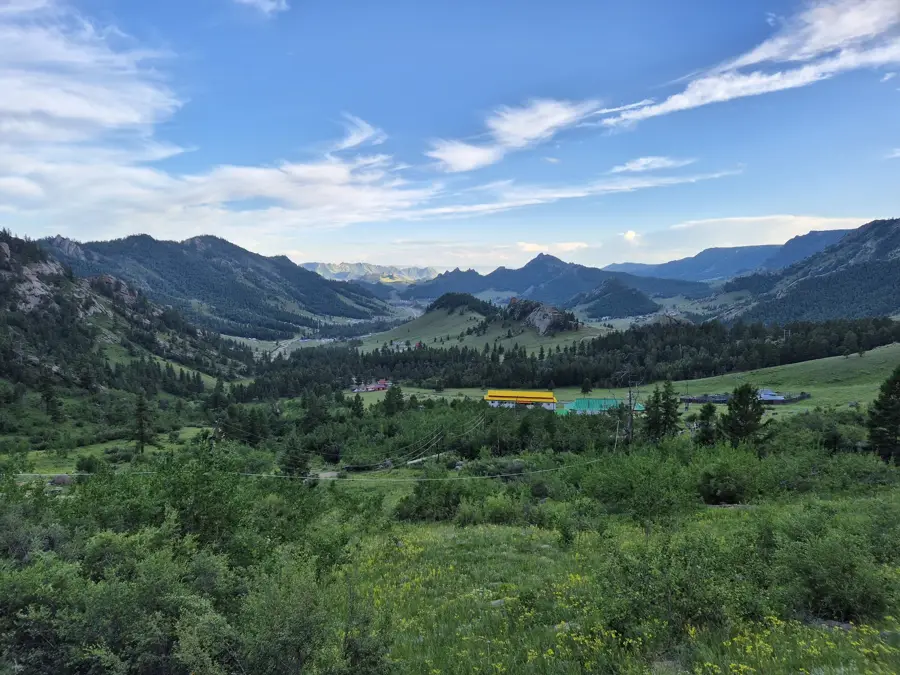
Just south of the city, offering pine forests and peaceful hiking trails away from the smog.
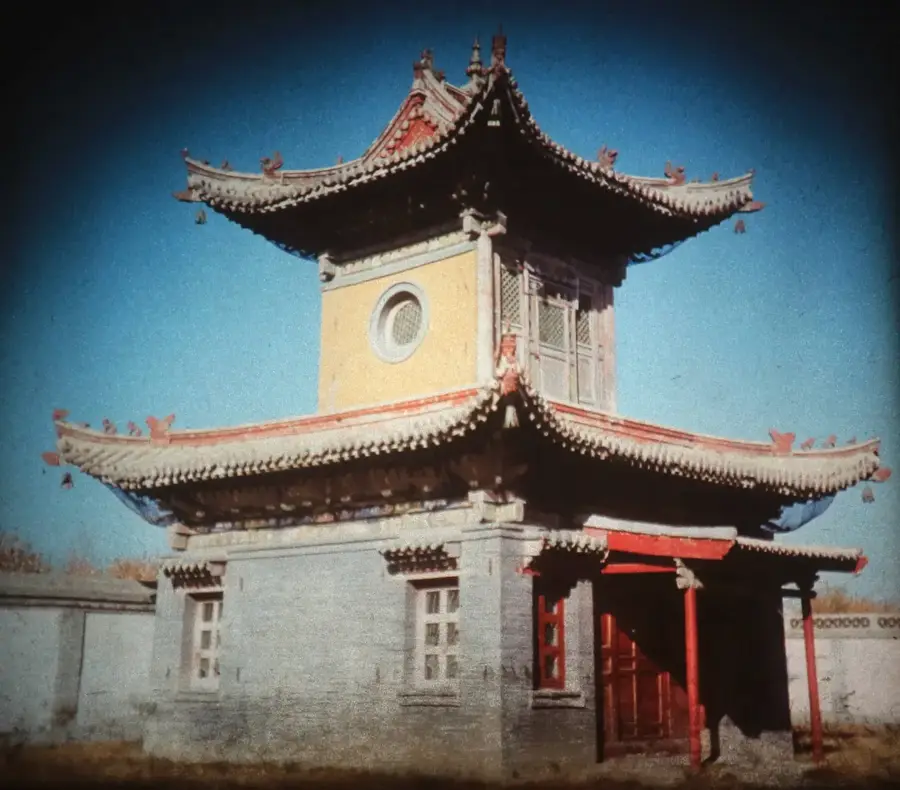
A tranquil oasis of traditional architecture right in the middle of the bustling downtown.
Water temperature…
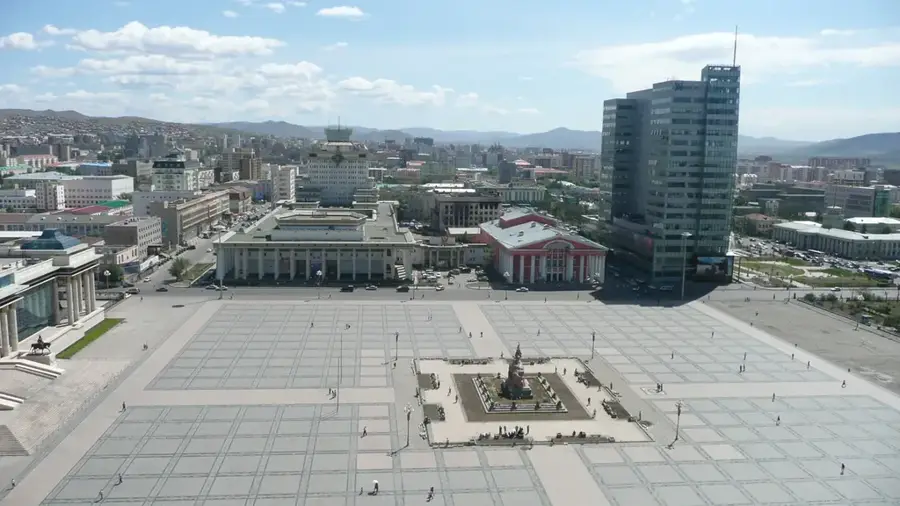
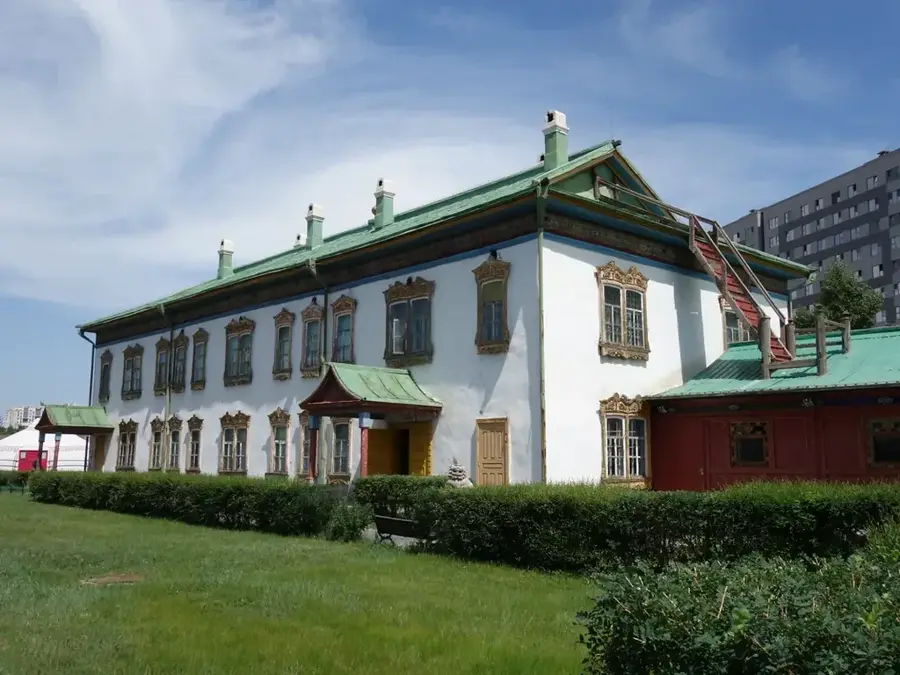
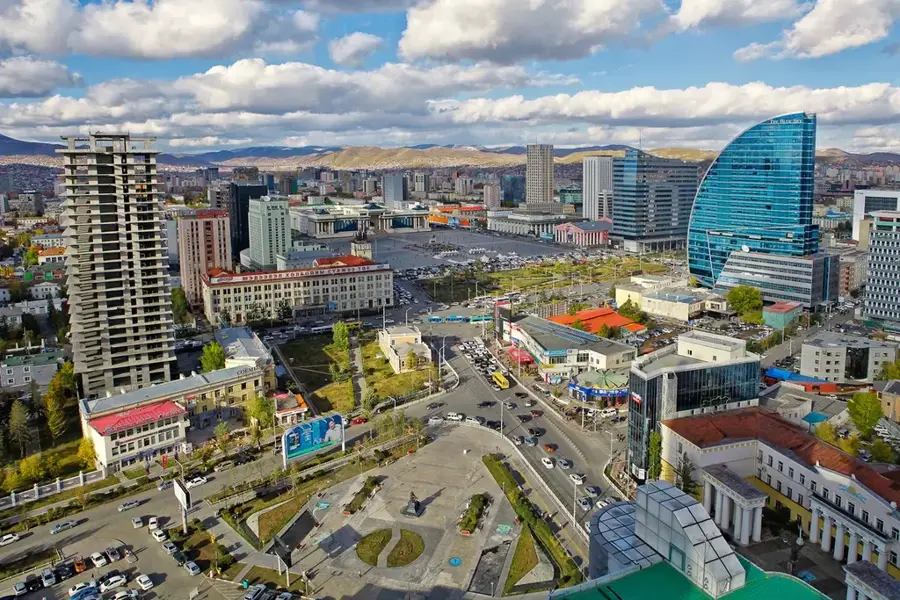
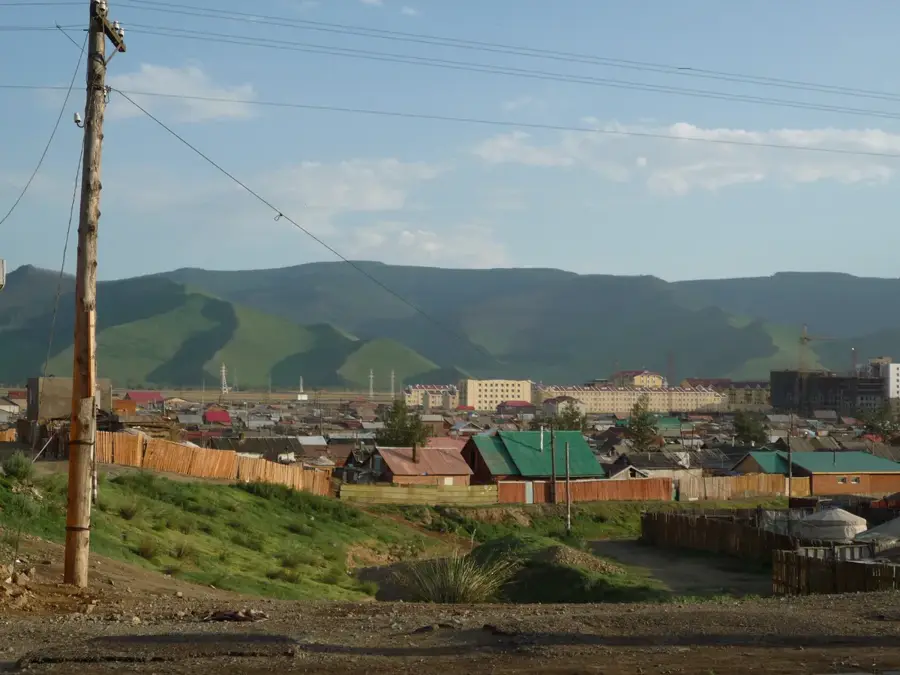
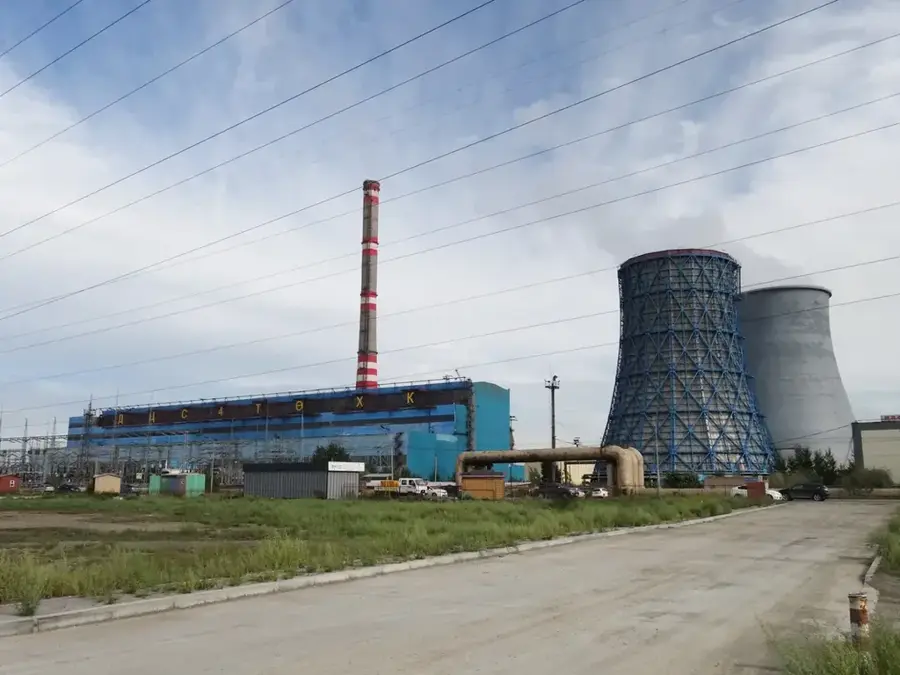
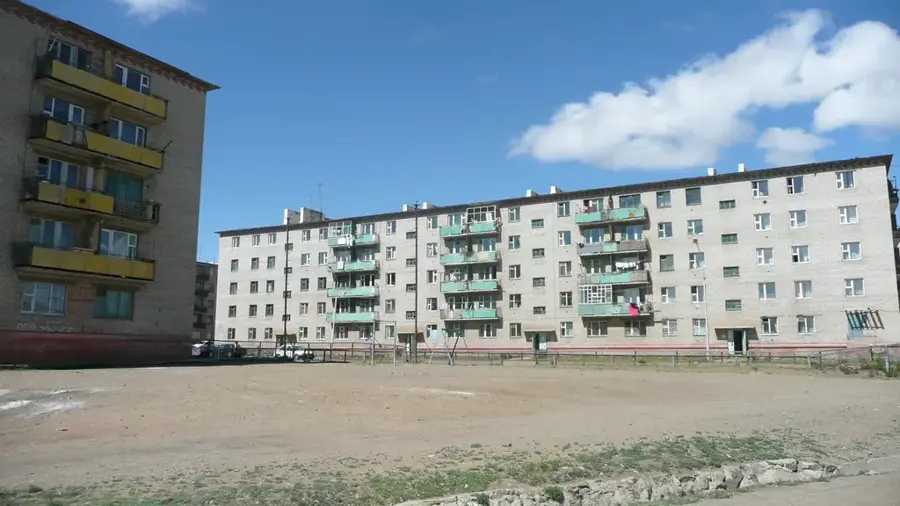
Ulaanbaatar, the capital of Mongolia, stands as a sprawling testament to the country's unique trajectory from a nomadic empire to a modern democratic state. Founded in 1639 as a mobile monastic center, it was known by several names, including Urga, before being renamed Ulaanbaatar in 1924 to honor the revolutionary hero Damdin Sükhbaatar. The city is situated at an elevation of 1,350 meters in the Tuul River valley, making it the highest and coldest capital city in the world. Its geography is defined by the surrounding four sacred peaks: Tsetsee Gun, Chingeltei, Songino Khairkhan, and Bayanzurkh. Economically, the city accounts for over 60% of Mongolia's GDP, serving as the primary hub for finance, manufacturing, and the country's vital mining export industry. The urban landscape is a study in contrasts, featuring Stalinist-era architecture alongside sleek, contemporary towers and vast 'ger' districts where residents live in traditional felt tents. Despite the environmental challenges posed by winter smog and rapid urbanization, the city remains the cultural heart of the nation. It houses the Gandantegchinlen Monastery, one of the few religious institutions to survive the socialist purges, and the Bogd Khan Winter Palace, which showcases the residence of the last Mongolian monarch. The demographic profile is notably young, with a large student population attending institutions like the National University of Mongolia. Today, Ulaanbaatar is positioning itself as a key player in Northeast Asia, balancing its strategic relationships with Russia and China while fostering an animated independent identity through its thriving arts, music, and technology sectors.
- Location: Mongolia
- Top sights: Ulaanbaatar Chuulga · MONTSAME News Agency · Mongolian National Modern Art Gallery
- Nearby: Züünmod (8 km)
- Population: ~844.818 (2025)
Best time to visit & climate
The most pleasant time to visit is Jun–Aug.
| Jan | Feb | Mar | Apr | May | Jun | Jul | Aug | Sep | Oct | Nov | Dec | |
|---|---|---|---|---|---|---|---|---|---|---|---|---|
| Avg °C | -21 | -18 | -9 | 1 | 7 | 15 | 17 | 15 | 8 | -1 | -11 | -19 |
| Rain mm | 3 | 4 | 6 | 10 | 29 | 48 | 68 | 61 | 25 | 11 | 8 | 4 |
Geography
Facts
- Established in 1639 as a nomadic Buddhist monastic center.
- World's coldest capital city by annual average temperature.
- Home to approximately 1.6 million people as of 2024.
- Situated at 1,350 meters (4,430 ft) above sea level.
- The city's name means 'Red Hero' in the Mongolian language.
- The urban area covers approximately 4,704 square kilometers.
- Host to the Naadam Festival, celebrating the 'Three Manly Games'.
- The Trans-Mongolian Railway connects the city to Moscow and Beijing.
Explore nearby
Notable places around
Route planner — Car & Motorhome
Where do you start? We build the route here, with stops and country notes along the way.
© OpenStreetMap contributors · OpenRouteService
Sights in the town Ulaanbaatar (16)
The Fine Arts Zanabazar Museum🏛 museum
The museum houses a world-renowned collection of Buddhist fine arts and sculptures by the master Zanabazar.
Frequently asked questions
How many days should you plan for Ulaanbaatar?
When is the best time to travel?
Is the city family friendly?
How do you get from the airport to the city?
What must you try culinarily?
Ulaanbaatar: where is it located?
Ulaanbaatar: what is there to see?
Ulaanbaatar: when is the best time to visit?
Ulaanbaatar: why is it worth visiting?

Nearby cities
Nature
More places