Plizio Visual Lab

Ulaanbaatar Thermal Power Plant No. 4
Plizio editorial teamData Sources
energy
—°11
Ulaanbaatar Thermal Power Plant No. 4 (Mongolia)

Weather…

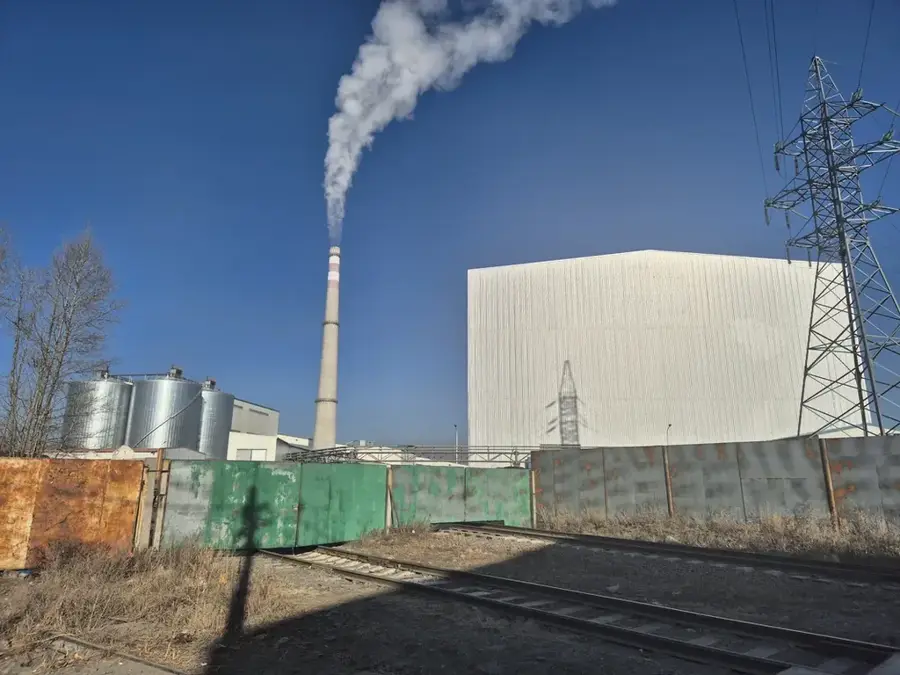
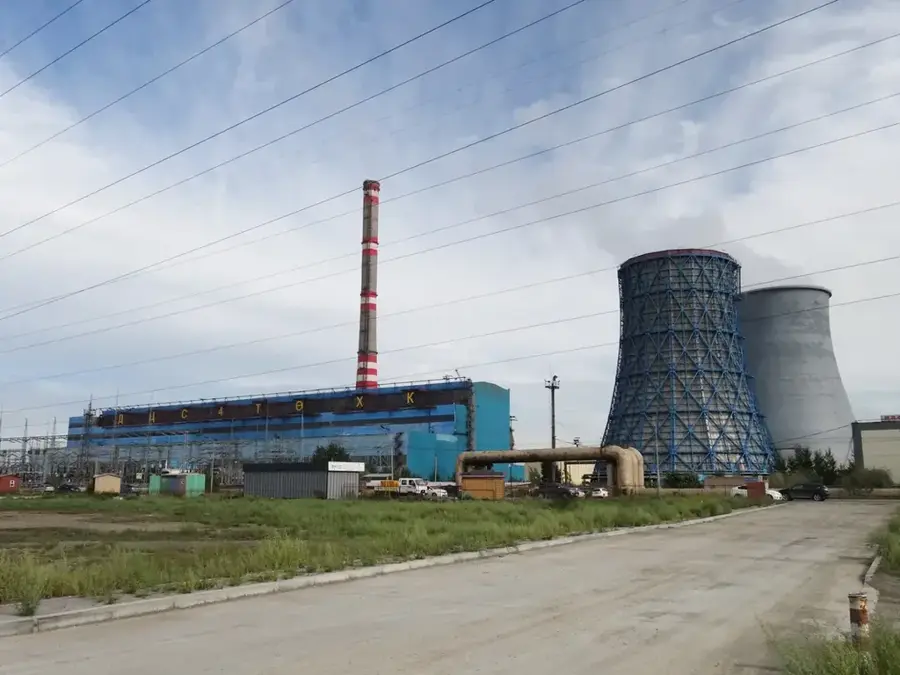
Ulaanbaatar Thermal Power Plant No. 4 is the largest and most critical power generation facility in Mongolia. Constructed using Soviet technology and commissioned in 1983, it currently provides approximately 70% of the electricity for the country's central power grid and over 60% of the district heating for the capital city. Given that Ulaanbaatar is the world's coldest capital, the plant's continuous operation during winter months is vital for the survival of its residents. Over the decades, significant modernization efforts have been undertaken with support from Japan and Russia to upgrade turbines and boilers, enhancing efficiency and extending the plant's operational life. The facility consumes millions of tons of lignite coal annually, primarily sourced from the Baganuur and Shivee Ovoo mines. Despite its environmental impact, it remains the backbone of Mongolia's energy security while the nation explores transition strategies.

Best time to visit & climate

The most pleasant time to visit is Jun–Aug.

JanFebMarAprMayJunJulAugSepOctNovDec
Avg °C-21-18-9171517158-1-11-19
Rain mm3461029486861251184

📋 Practical info

🏭
What is this place?
Ulaanbaatar Thermal Power Plant No. 4 stands as Mongolia's largest energy facility, providing the critical electricity and district heating for the capital. This industrial complex is a vital lifeline for the city's rapidly growing population.
🚪
Visiting
As a high-security critical infrastructure site, the power plant is typically strictly closed to the general public and casual tourists. Visitors must usually observe the sprawling facility and its towering smokestacks from a distance.
👀
Where to view it
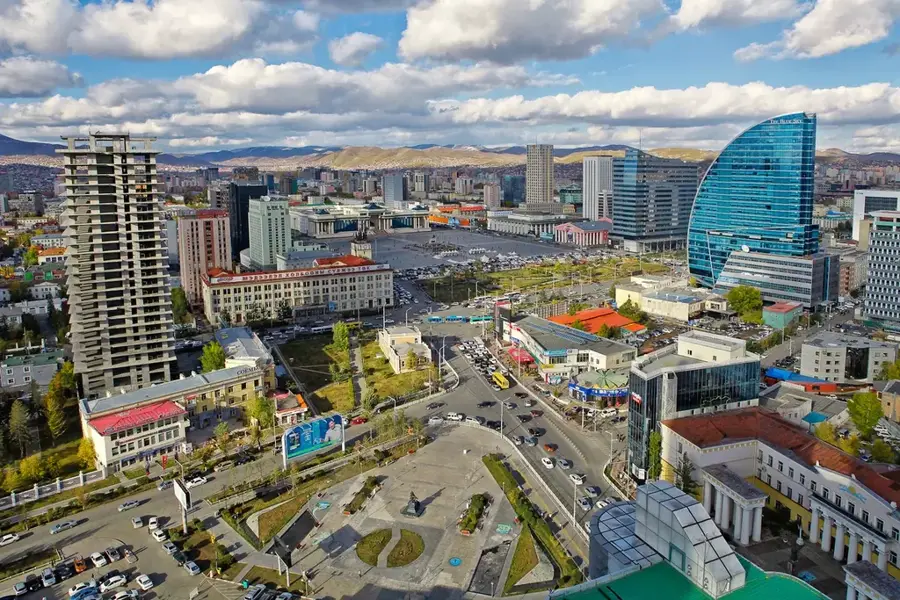
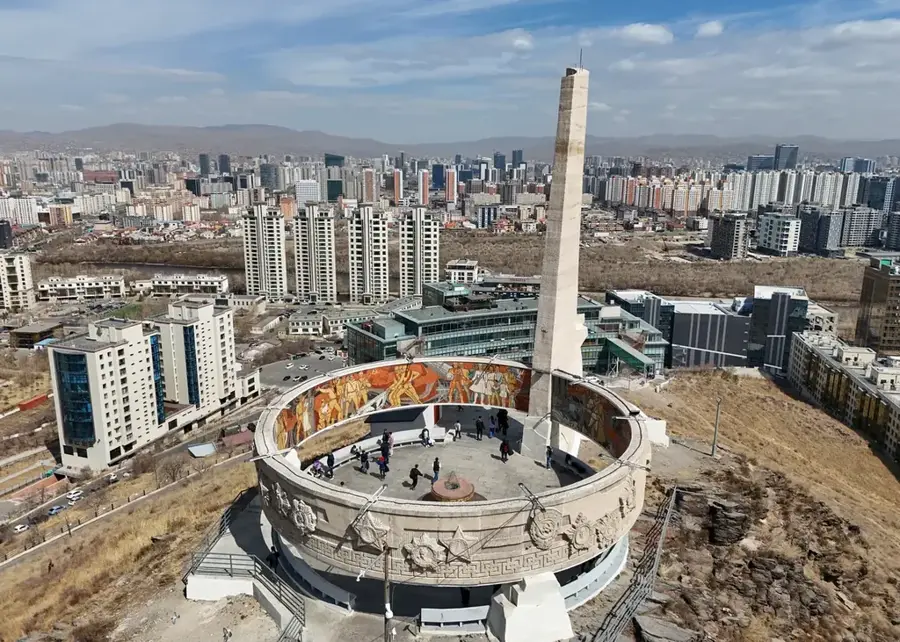
Excellent panoramic views of the plant's massive cooling towers can be seen from the Zaisan Memorial hill, overlooking the Tuul River valley. Another practical vantage point is along the main roads leading westward towards the industrial districts.
🧺
Local products
While the plant itself does not sell consumer goods, the surrounding urban districts feature local markets where travelers can purchase traditional Mongolian garments and cashmere. The economic output of the plant supports this bustling retail environment.
📆
Active season
The power plant operates relentlessly year-round, but its activity reaches peak intensity during the brutally cold Mongolian winter from November to March. During this season, immense plumes of steam rising from the facility dominate the cityscape.
Nearby
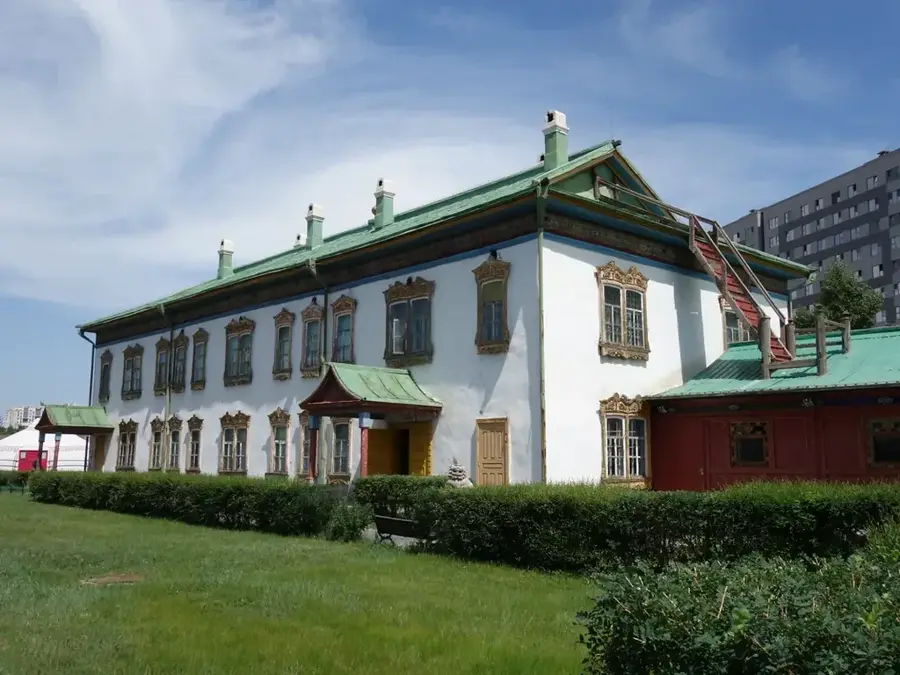
A trip to view the industrial fringes pairs perfectly with a visit to the Bogd Khan Palace Museum or a hike up to the Zaisan Memorial for historical context. Alternatively, head further out to explore the impressive natural landscapes of Bogd Khan Uul.

Geography

Coordinates
47.88670, 106.81220

Facts

  • The power plant was officially commissioned in the year 1983.
  • It generates about 70% of the electricity for Mongolia's central grid.
  • The total installed capacity exceeds 700 megawatts of electricity.
  • It provides over 60% of the district heating for Ulaanbaatar city.
  • The plant burns more than 3 million tons of coal on an annual basis.
  • Modernization has been supported by major loans from Japan and Russia.

Explore nearby

Notable places around

Route planner — Car & Motorhome

Where do you start? We build the route here, with stops and country notes along the way.

Vehicle
Only stops with (optional):

© OpenStreetMap contributors · OpenRouteService

Sights in the town Ulaanbaatar Thermal Power Plant No. 4 (11)

nukht🏰 castle

An exclusive residential area in a mountain valley known for its castle-like architecture.

Esus Khristiin Khozhmyn Ueiin Gegeentnuudiin Sum🏺 historical

Remains of a modern religious building located in the western industrial district of the city.

Temple⛪ religious

A quiet Buddhist temple featuring traditional prayer wheels and colorful decorations.

Buddhist Temple⛪ religious

A local sanctuary for Buddhist ceremonies featuring ornately decorated altars.

The Church of Jesus Christ of Latter-day Saints⛪ religious

A modern Mormon church building serving the community in western Ulaanbaatar.

Bars 2 khudaldaany tov🎭 culture

A busy wholesale market known for fresh produce and imported goods.

Kharkhorin zakh🎭 culture

A sprawling market in the west of the city selling traditional clothing and household items.

Eezhdee Khunsnii Delguur🎭 culture

A neighborhood grocery store in Songinokhairkhan providing daily essentials.

Chinggis Khan Portrait📍 landmark

An impressive portrait of Chinggis Khan that stands as a modern monument in this district.

Chinggis Khan Enclosure Complex📍 landmark

A spacious complex dedicated to the historical legacy of the Mongol Empire.

Ulaanbaatar center baptist church📍 landmark

A modern Baptist place of worship serving as a spiritual center for the local Christian community.

Sights nearby

Frequently asked questions

What is the thermal power plant No. 4?
The most important power producer for the capital.
Can one visit it?
No, closed area.
Why is it important?
Secures energy supply.
What can you see of it?
Large chimneys in the skyline.
Is it touristy?
Absolutely not.
Ulaanbaatar Thermal Power Plant No. 4: where is it located?
Ulaanbaatar Thermal Power Plant No. 4 is located in Mongolia.
Ulaanbaatar Thermal Power Plant No. 4: what is there to see?
Highlights include nukht, Esus Khristiin Khozhmyn Ueiin Gegeentnuudiin Sum, Temple.
Ulaanbaatar Thermal Power Plant No. 4: when is the best time to visit?

The most pleasant time to visit is Jun, Aug.
View on map → The Top 50 Attractions → OpenStreetMap →
Asia
Explore with Plizio Discover more places in Asia
More places in Mongolia →

Nearby cities

Nature

More places