Plizio Visual Lab
Khovd
ℹ️Practical info — Khovd
▾
🌤 Weather — 5 days
📍 Nearby
Sights nearby
💡 Tips
- Explore the ruins of the Sangui Kherem fortress, which date back to the city's Manchu history.
- Khovd is a multi-ethnic city; look for the various traditional costumes and customs at the local market.
- Take a walk along the Buyant River in the cool of the evening once the daytime heat fades.
- Visit the local museum to learn about the history of throat singing (Khoomei), which is deeply rooted here.
- Stick to bottled water, as the mineral content of the local water can be quite high.
🍽 Food
In Khovd, these fried meat pastries are often seasoned with unique wild herbs from the Altai Mountains.
Dried curds sold in many varieties by local nomads at the market; a quintessential Mongolian snack.
Try the mutton dishes in restaurants near the Buyant River, known for high quality due to local pastures.
🛍 Shopping · 🧘 Quiet spots
A great place to find felt goods and traditional Kazakh embroidery from the local minority groups.
Look for dried herbs gathered from the Altai Mountains, often used for traditional teas.
A peaceful area for walks under the trees, which is a rare treat in this arid region.
A small green sanctuary in the center with shaded spots to escape the midday sun.
Water temperature…
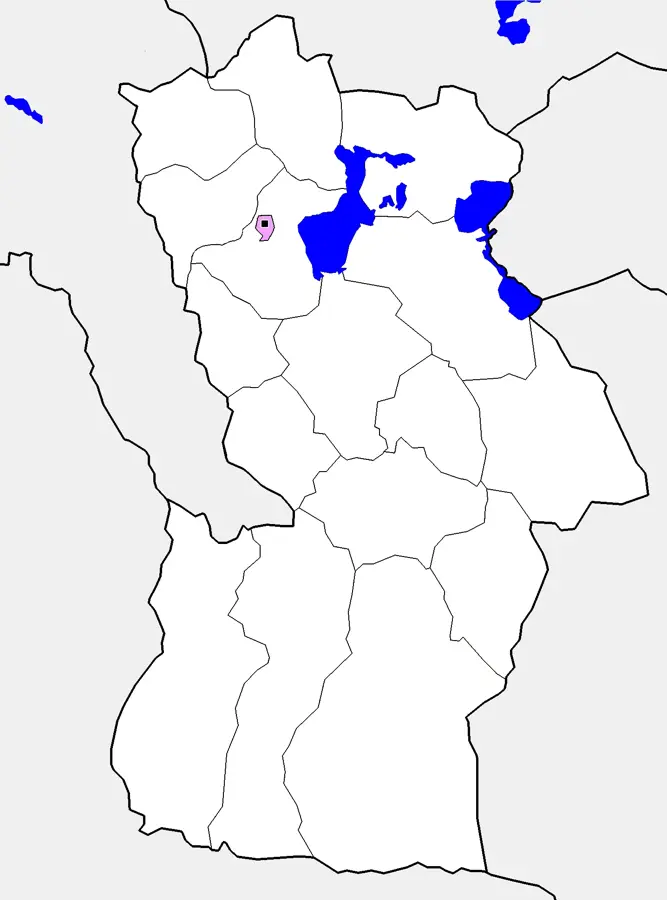
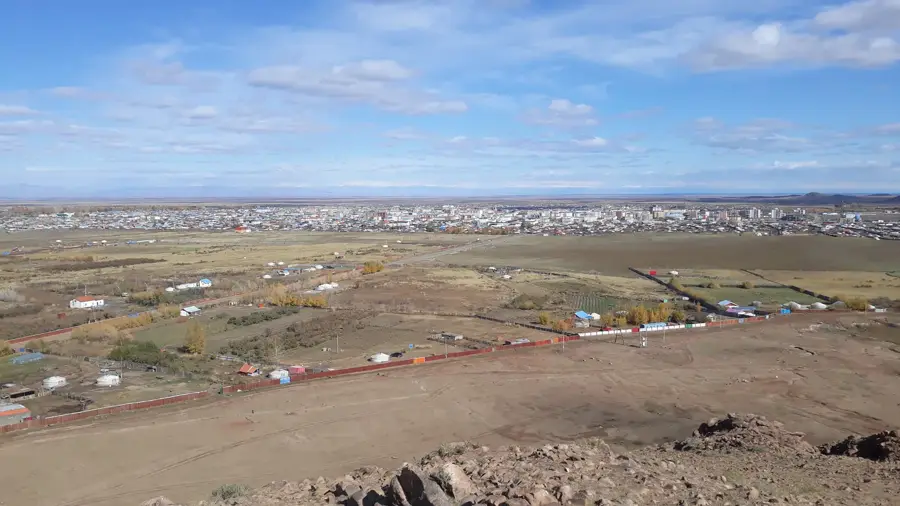
Khovd is one of the oldest cities in Mongolia, founded by the Manchus in 1685 as the fortress of Khovd to control the northwestern fringe of the Qing Empire. The city sits at 1,405 metres above sea level at the foot of the Altai Mountains on the Buyant River and serves as the capital of Khovd Province in western Mongolia. With about 30,000 inhabitants, it lies 1,580 kilometres from Ulaanbaatar. Khovd is unusually multi-ethnic, home to 17 different Mongolic and Turkic peoples, including Kazakhs, Khalkha, Dörvöd, Torguud and Uriankhai, each with their own traditions, costumes and dialects. In 1912 Khovd was liberated from its Chinese garrison by Mongolian troops under General Magsarjav, making it a symbolic city of national independence. Khovd University, founded in 1979, is now the intellectual centre of the western region. A local curiosity is the cultivation of watermelons in the nearby Buyant oasis, despite the otherwise extremely dry semi-desert climate.
- Location: Mongolia
- Top sights: Khovd central museaum · Khovd Park · Ard Ayuush Monument
- Nearby: Ulaangom (48 km)
- Population: ~29.800 (2026)
Best time to visit & climate
The most pleasant time to visit is Jun–Aug.
| Jan | Feb | Mar | Apr | May | Jun | Jul | Aug | Sep | Oct | Nov | Dec | |
|---|---|---|---|---|---|---|---|---|---|---|---|---|
| Avg °C | -18 | -15 | -8 | 1 | 6 | 13 | 15 | 12 | 6 | -1 | -9 | -16 |
| Rain mm | 3 | 4 | 7 | 11 | 22 | 39 | 40 | 32 | 14 | 7 | 6 | 4 |
Geography
Facts
- Gegründet 1685 als Mandschu-Festung
- Bevölkerung rund 30.000 Einwohner
- Auf 1.405 Metern Höhe am Buyant-Fluss
- 17 verschiedene Volksgruppen leben in der Provinz
- 1912 von Magsarjav von der Qing-Dynastie erobert
- Universität von Khovd seit 1979
- Bekannt für Wassermelonenanbau in der Buyant-Oase
- 1.580 Kilometer westlich von Ulaanbaatar
Explore nearby
Notable places around
Route planner — Car & Motorhome
Where do you start? We build the route here, with stops and country notes along the way.
© OpenStreetMap contributors · OpenRouteService
Sights in the town Khovd (4)
Frequently asked questions
What makes Chowd special?
How long should I stay?
Is Chowd suitable for hikers?
Is there a museum there?
When is the best time to visit?
Khovd: where is it located?
Khovd: what is there to see?
Khovd: when is the best time to visit?
Khovd: why is it worth visiting?
Nearby cities
Nature
More places