Plizio Visual Lab
Rudi Monastery
Weather…
Water temperature…
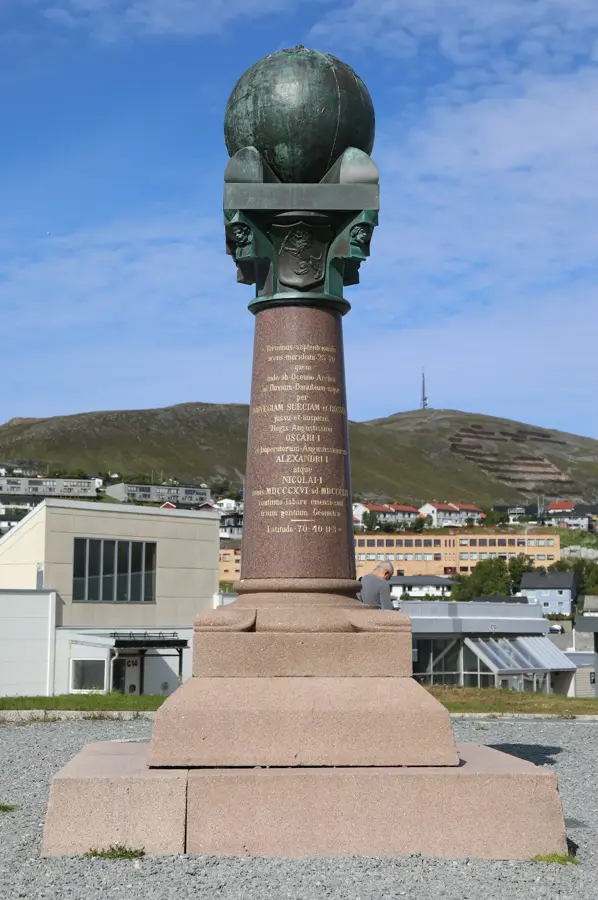
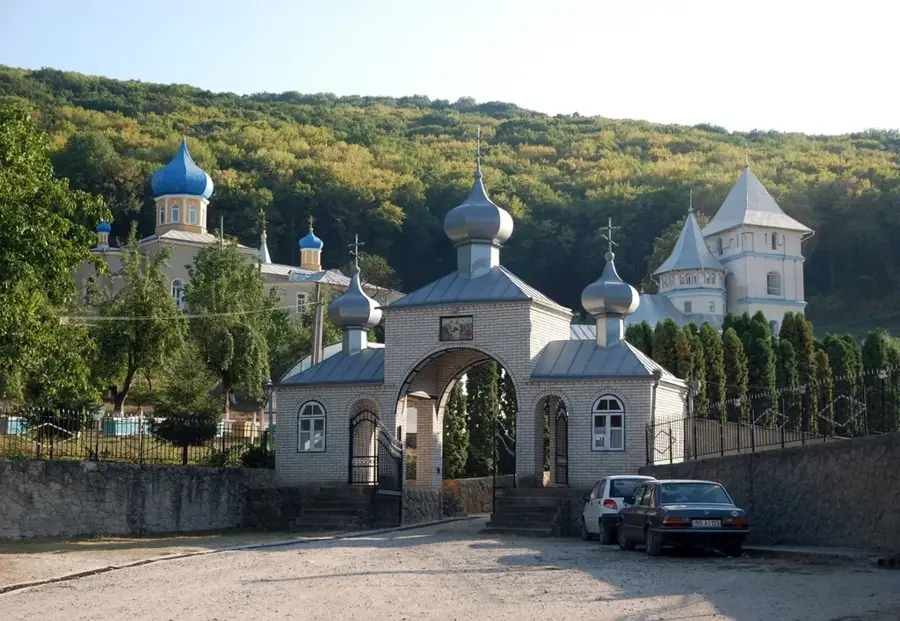
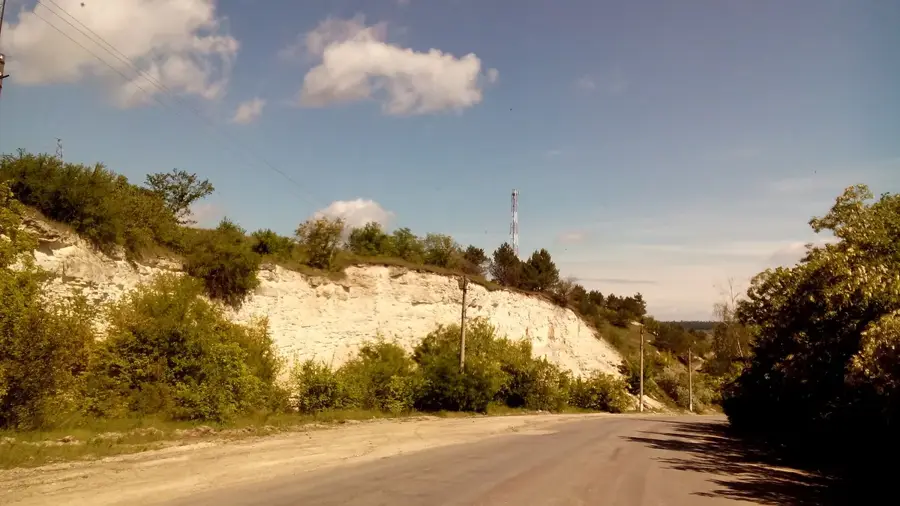
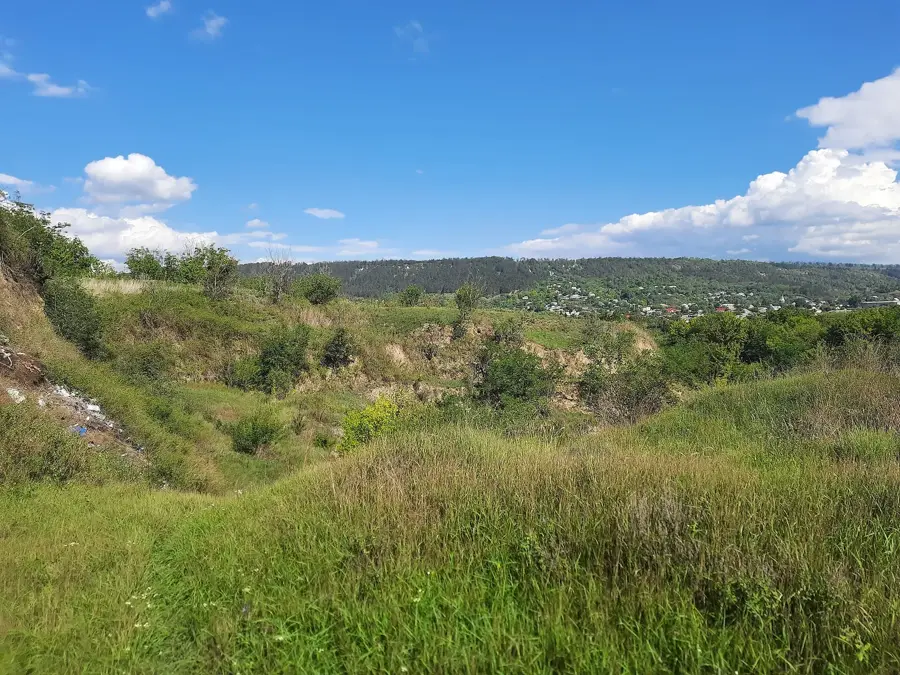
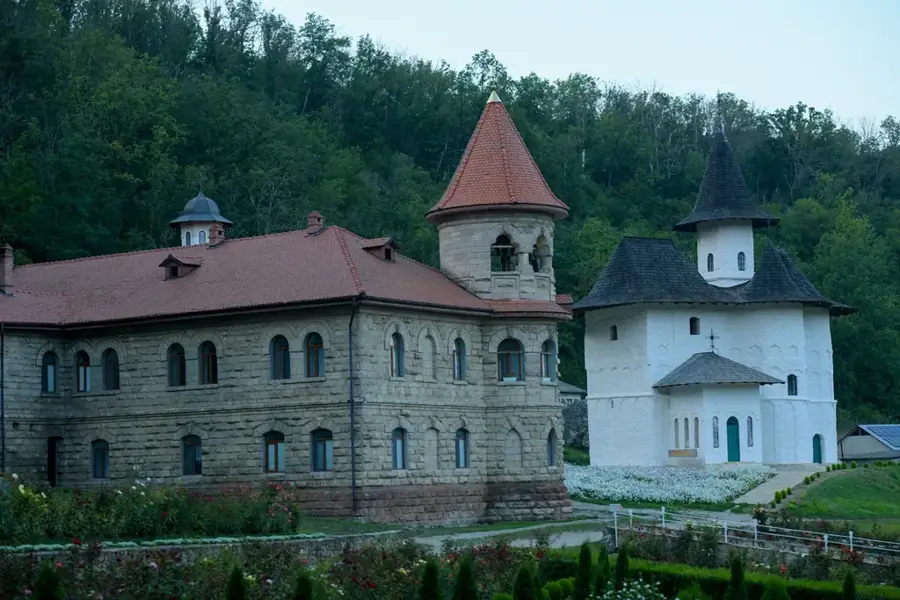
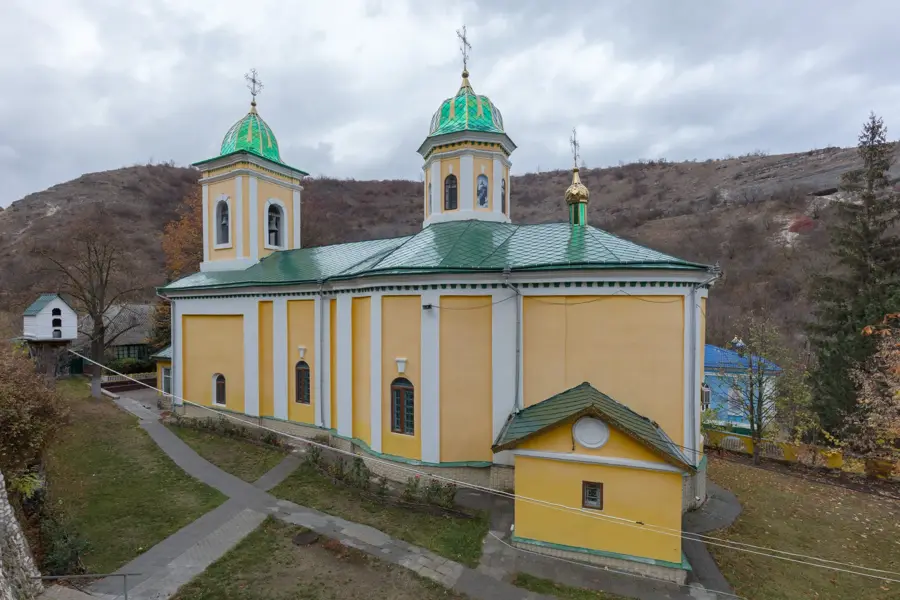
Rudi Monastery, located in a dense forest area near the Dniester River, is a jewel of Moldavian medieval architecture. The main church, dedicated to the Holy Trinity, was completed in 1777 and is an excellent example of the traditional Moldavian style with its characteristic round apses and high roofs. Historical sources indicate that religious activity at this site began much earlier, influenced by the monastic tradition of the Christian East. The monastery is situated within a nature reserve known for its limestone formations and its proximity to the Struve Geodetic Arc, making it attractive to both pilgrims and hikers. The interior frescoes and the quiet location far from urban centers contribute to the mystical aura of the place. Despite persecutions during the Soviet era, the monastery was revived in the 1990s and today serves as an active convent for nuns.
- Location: Moldova
- Nearby: Otaci (13 km)
Best time to visit & climate
The most pleasant time to visit is Jun–Aug.
| Jan | Feb | Mar | Apr | May | Jun | Jul | Aug | Sep | Oct | Nov | Dec | |
|---|---|---|---|---|---|---|---|---|---|---|---|---|
| Avg °C | -5 | -3 | 2 | 9 | 16 | 19 | 22 | 21 | 16 | 9 | 3 | -3 |
| Rain mm | 36 | 37 | 40 | 43 | 62 | 78 | 75 | 48 | 47 | 44 | 40 | 35 |
📋 Practical info
Geography
Facts
- The Holy Trinity Church was built in 1777 in the Moldavian style.
- The monastery is located in the heart of the Rudi-Arionești nature reserve.
- Nearby is the 'Cave of the Dead', a significant archaeological monument.
- It was repurposed as a children's home starting in 1948 under Soviet rule.
- The monastery was officially reopened as a religious institution in 1992.
- The church walls are over one meter thick for protection and stability.
Explore nearby
Notable places around

Route planner — Car & Motorhome
Where do you start? We build the route here, with stops and country notes along the way.
© OpenStreetMap contributors · OpenRouteService
Sights nearby
Frequently asked questions
What is the main attraction of Rudi Monastery?
Where is the monastery located?
What is the 'Cave of the Dead' nearby?
Can you visit the Struve Arc from the monastery?
Is the monastery for monks or nuns?
Rudi Monastery: where is it located?
Rudi Monastery: when is the best time to visit?
Rudi Monastery: why is it worth visiting?

Nearby cities
History & landmarks
Nature
More places