Plizio Visual Lab
Frunză Church

Weather…
Water temperature…
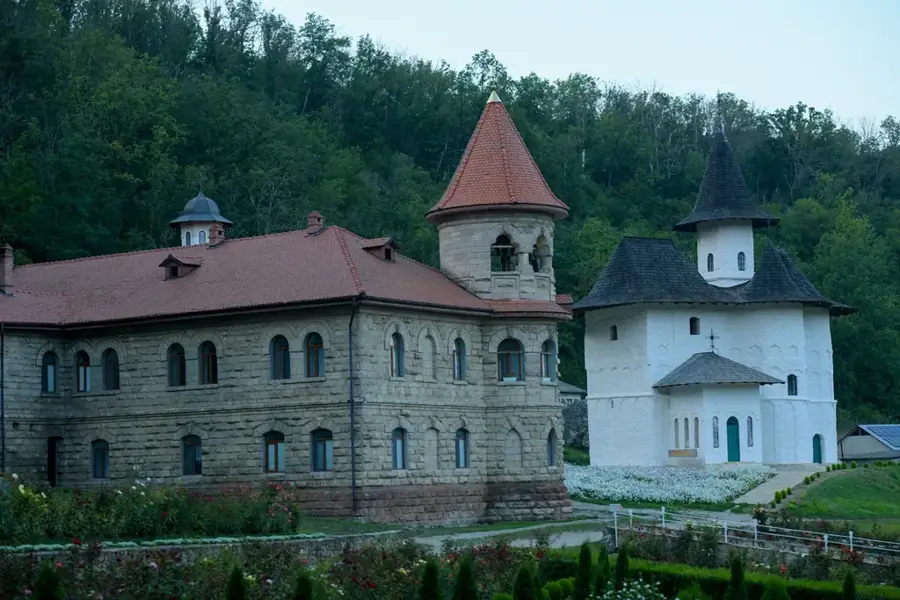
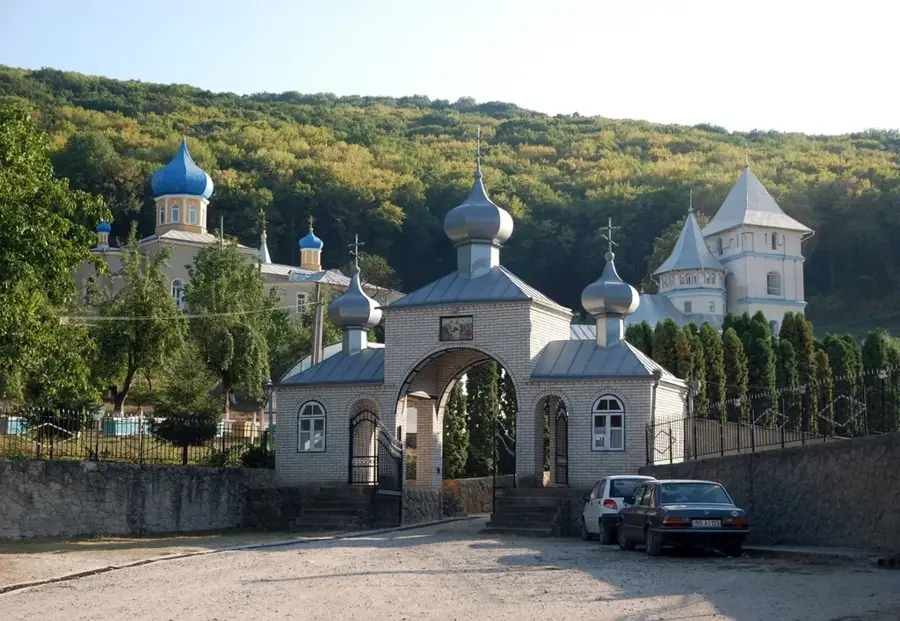
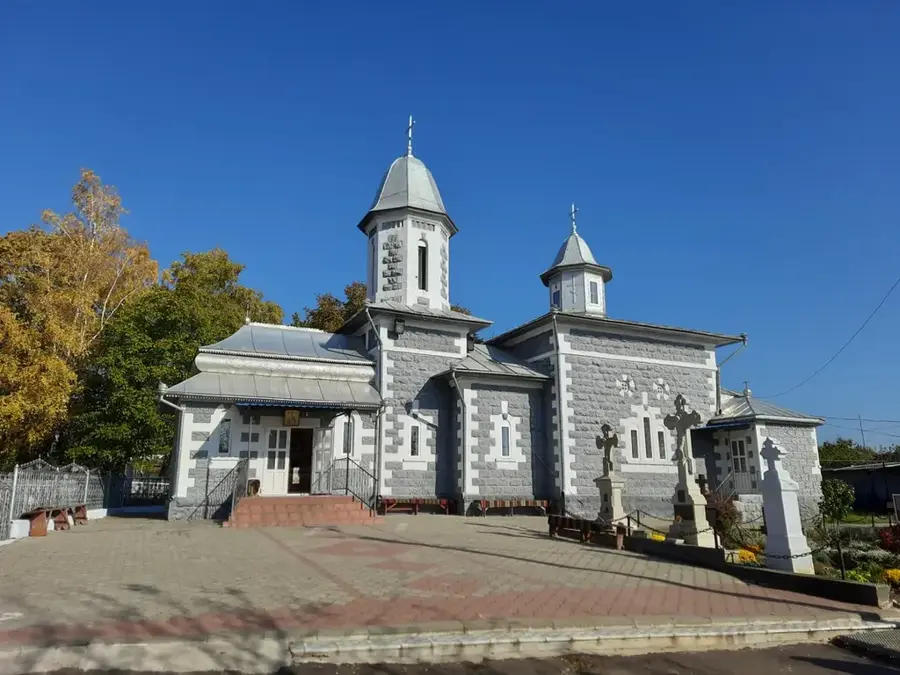
The church in Frunză, located in the Ocnița District in northern Moldova, is a characteristic example of late 19th-century sacred architecture. The construction is notable for its massive stone walls and the traditional Orthodox division into pronaos, naos, and altar. During the Soviet era, the building was repurposed and used as a storage facility, which led to significant damage to the interior furnishings and the original icons. After Moldova's independence, the church underwent extensive restoration, with local craftsmen faithfully restoring the woodwork and facade details. Today, the church plays a central role in the spiritual life of the small town and preserves the religious traditions of the region. The architecture reflects the influence of Russian Orthodox construction styles of that era, combined with local Moldovan decorative elements. Visitors can now admire the intricately designed iconostasis and the colorful murals that were renewed during the renovation phase.
- Location: Moldova
- Nearby: Dondușeni (4 km)
Best time to visit & climate
The most pleasant time to visit is Jun–Aug.
| Jan | Feb | Mar | Apr | May | Jun | Jul | Aug | Sep | Oct | Nov | Dec | |
|---|---|---|---|---|---|---|---|---|---|---|---|---|
| Avg °C | -5 | -3 | 3 | 9 | 16 | 19 | 22 | 21 | 16 | 9 | 3 | -3 |
| Rain mm | 35 | 37 | 41 | 46 | 63 | 81 | 80 | 52 | 46 | 46 | 40 | 35 |
📋 Practical info
Geography
Facts
- The church was built in the late 19th century as an Orthodox house of worship.
- The building served as a state grain warehouse between 1950 and 1989.
- The restoration of the iconostasis took over three years and was completed in 1995.
- The walls are made of local limestone with a thickness of up to 80 centimeters.
- The church bells were hidden during the world wars to save them from being melted down.
- Frunză is one of the northernmost parishes in the Diocese of Edineț and Ocnița.
Explore nearby
Notable places around


Route planner — Car & Motorhome
Where do you start? We build the route here, with stops and country notes along the way.
© OpenStreetMap contributors · OpenRouteService
Sights in the town Frunză Church (1)
Sights nearby
Frequently asked questions
Is there a church in Frunză?
What architectural style is the church?
When is the church open?
Can non-members enter?
Is it wheelchair accessible?
Frunză Church: where is it located?
Frunză Church: when is the best time to visit?
Frunză Church: why is it worth visiting?

Nearby cities
History & landmarks
Nature
More places