Plizio Visual Lab

Wadi al-Batin

Plizio editorial teamData Sources
valley
—°
Wadi al-Batin (Kuwait)

Weather…

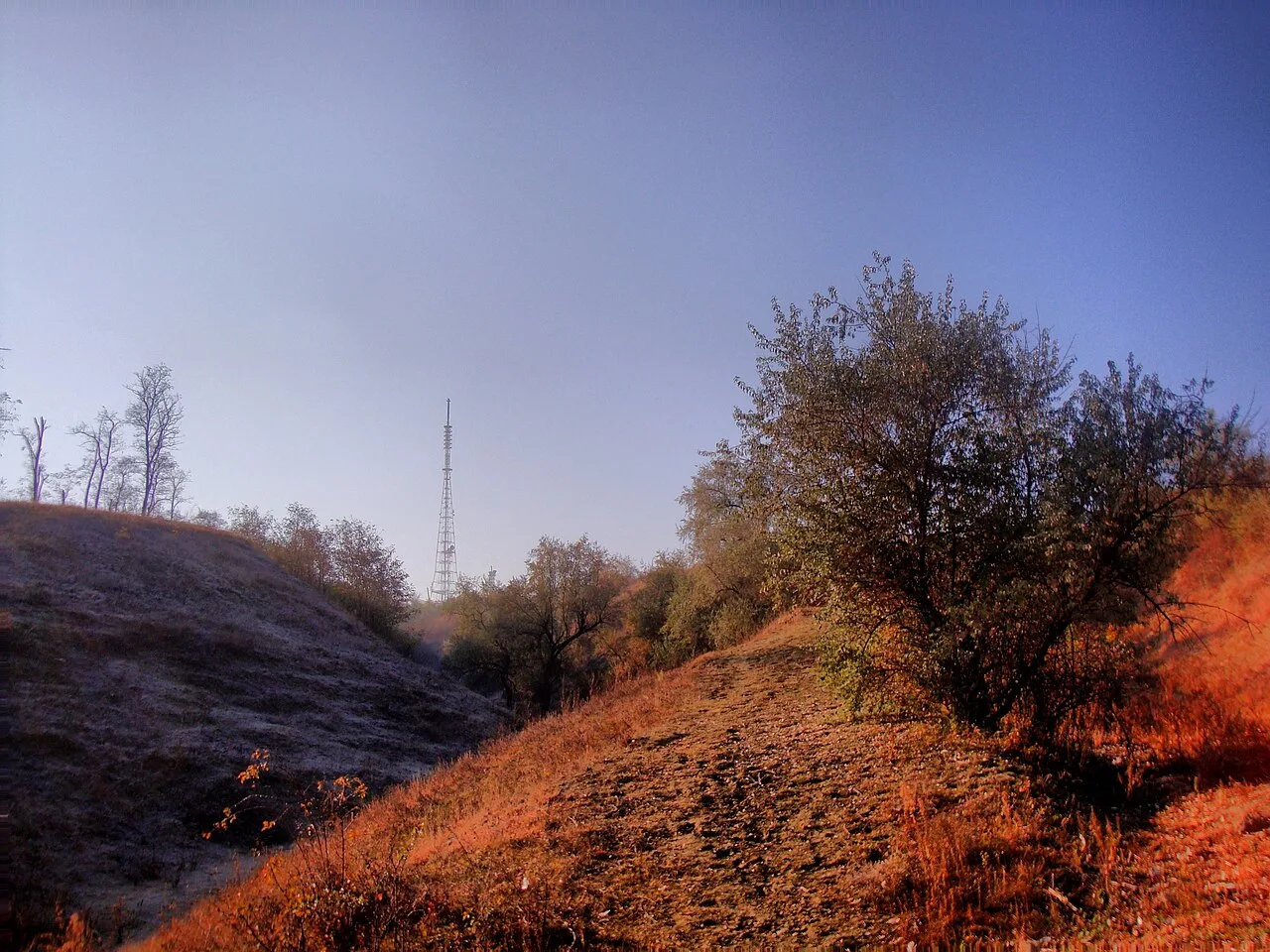
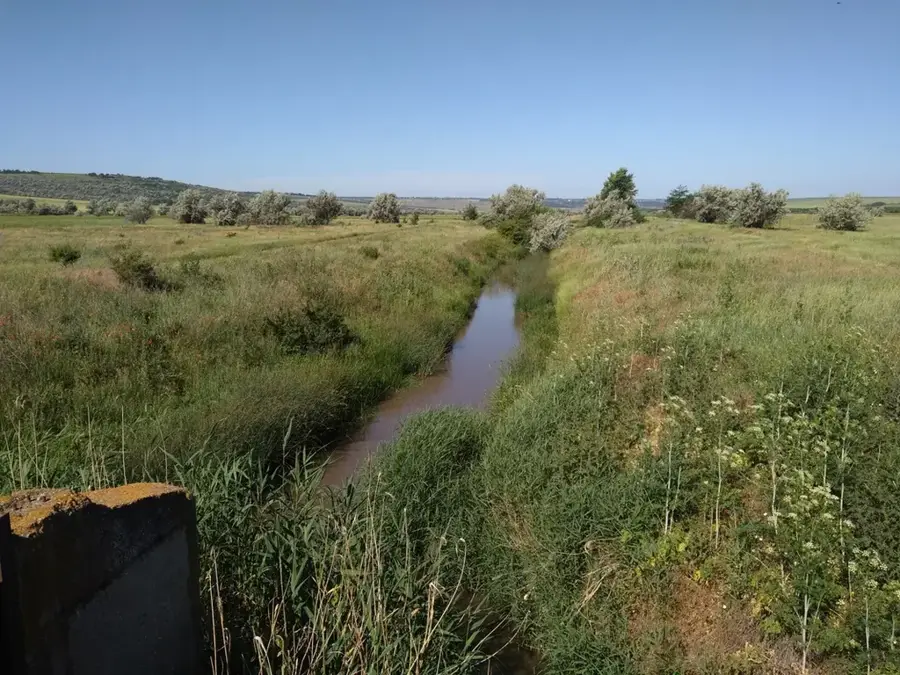
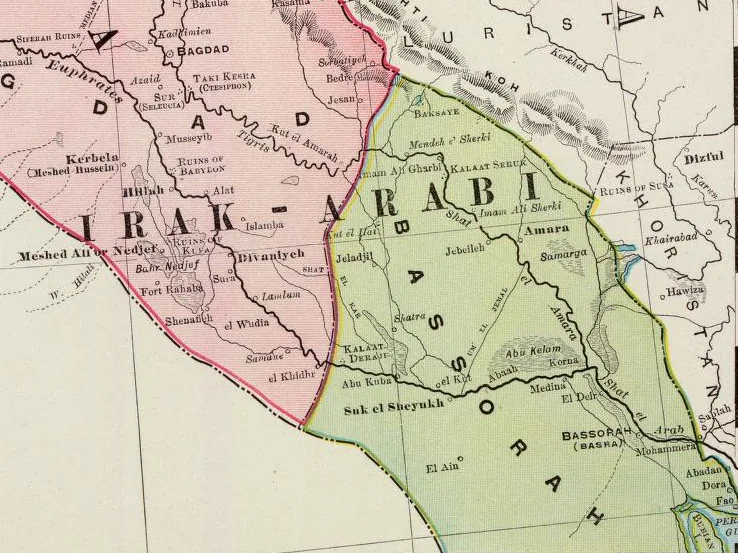
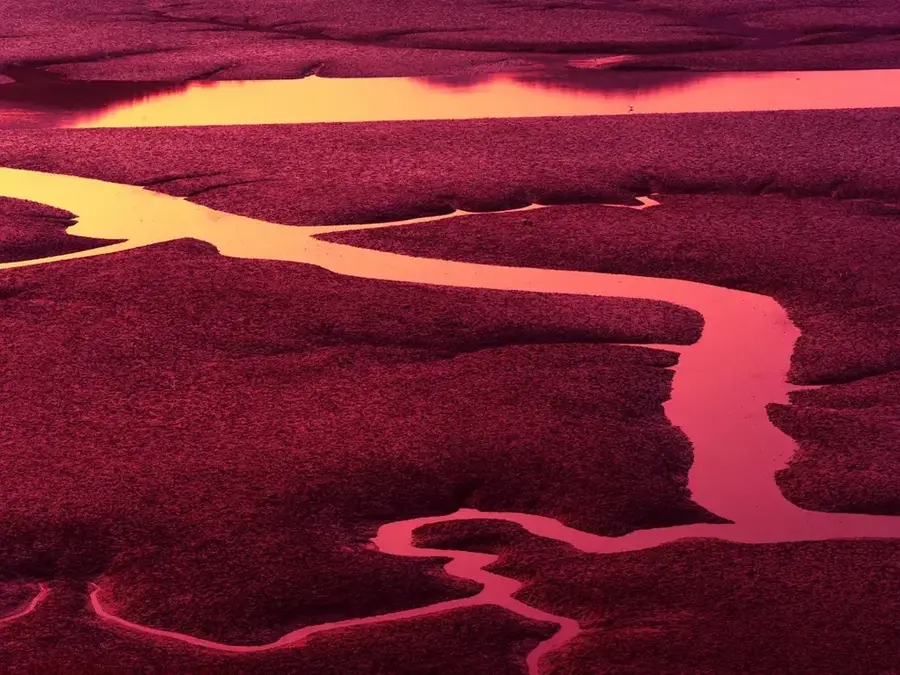
Wadi al-Batin is a dry river valley in northwestern Kuwait, forming part of the ancient Mesopotamian river system. It extends approximately 100 km along the Kuwait-Saudi Arabia border and serves as a natural boundary between the Arabian Peninsula and Mesopotamia. Geologically, the valley consists of Quaternary alluvial deposits shaped by episodic flash floods. Historically, it was a key trade route connecting the Persian Gulf to the interior. The area is rich in archaeological sites, including Bronze Age settlements and tools. Vegetation is sparse, dominated by drought-resistant acacia and shrubs. The wadi also acts as a drainage basin for sporadic rainfall, supporting limited agriculture and grazing.

Best time to visit & climate

The most pleasant time to visit is Mar, Apr, Nov.

JanFebMarAprMayJunJulAugSepOctNovDec
Avg °C111419253135373733271813
Rain mm523410000176

📋 Practical info

🧭
Getting there
Approaches are usually made via major western highways; however, due to the direct border proximity, specific routes may be strictly restricted or heavily controlled by authorities.
📅
Best season
Winter is by far the best time for visits, as the intense, scorching desert sun is tempered, making the exploration of the completely open, shadeless valley much more tolerable.
⛰️
Terrain & paths
A massive, remarkably wide geological fault line consisting of a completely dry, expansive sandy and gravel-strewn riverbed containing absolutely zero natural shade.
🎒
What to bring
You will need comprehensive desert survival gear, inherently including very abundant water reserves, dedicated GPS navigation, and highly effective heavy-duty sunblock.
🅿️
Parking
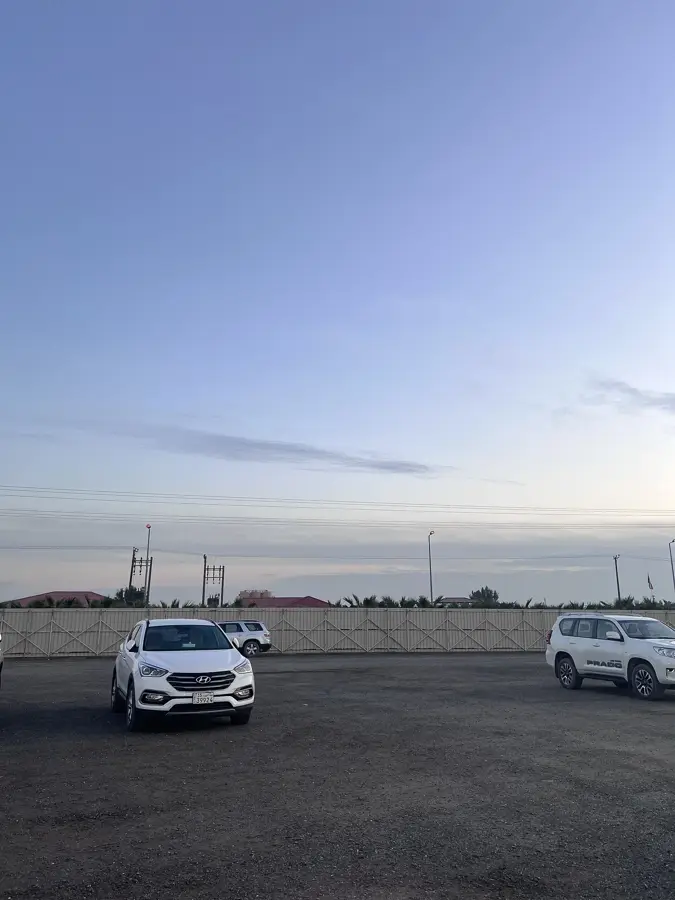
Safe parking spots are generally found exclusively on firmly packed ground near the established highway checkpoints or within officially authorized and monitored desert camps.
⚠️
Safety
Always stay strictly within officially permitted zones and carefully heed all military warnings, as this vast wadi system physically marks a highly sensitive international boundary.
⏱️
Time needed
A detailed exploration of the legally accessible parts of this vast wadi takes at least three to four hours, often properly conducted as part of a larger, professionally guided desert tour.

Geography

Coordinates
29.10000, 46.55000

Facts

  • Length: approximately 100 km
  • Maximum width: 15 km
  • Highest elevation: 200 m above sea level
  • Average annual rainfall: less than 100 mm
  • Bronze Age archaeological sites: over 20
  • Distance from Kuwait City: 80 km

Explore nearby

Notable places around

Route planner — Car & Motorhome

Where do you start? We build the route here, with stops and country notes along the way.

Vehicle
Only stops with (optional):

© OpenStreetMap contributors · OpenRouteService

Sights nearby

Frequently asked questions

What is Wadi al-Batin?
A huge dry river valley on the western border of Kuwait.
Can you visit the Wadi?
It is in a remote border region; caution is advised.
What is the weather like there?
Extremely hot in summer, cool and windy in winter.
Is there any vegetation?
After rains, grasses and small shrubs sprout up.
Is the Wadi suitable for off-roading?
Yes, but only for experienced drivers with proper equipment.
Wadi al-Batin: where is it located?
Wadi al-Batin is located in Kuwait.
Wadi al-Batin: when is the best time to visit?
The most pleasant time to visit is Mar, Apr, Nov.
Wadi al-Batin: why is it worth visiting?

Wadi al-Batin is a dry river valley in northwestern Kuwait, forming part of the ancient Mesopotamian river system.
View on map → The Top 50 Attractions → OpenStreetMap →
Asia
Explore with Plizio Discover more places in Asia
More places in Kuwait →

History & landmarks

Nature

More places