Plizio Visual Lab
Tula de Allende
ℹ️Practical info — Tula de Allende
▾
🌤 Weather — 5 days
📍 Nearby
Sights nearby
💡 Tips
- Visit the Tollan archaeological site right at 9:00 AM opening to avoid the intense midday heat.
- Bring a sun hat and plenty of water, as there is very little shade around the Atlantean statues.
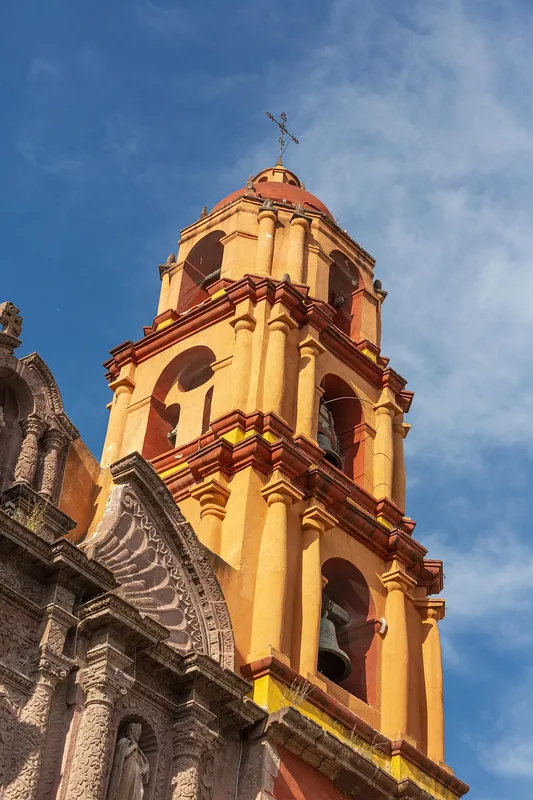
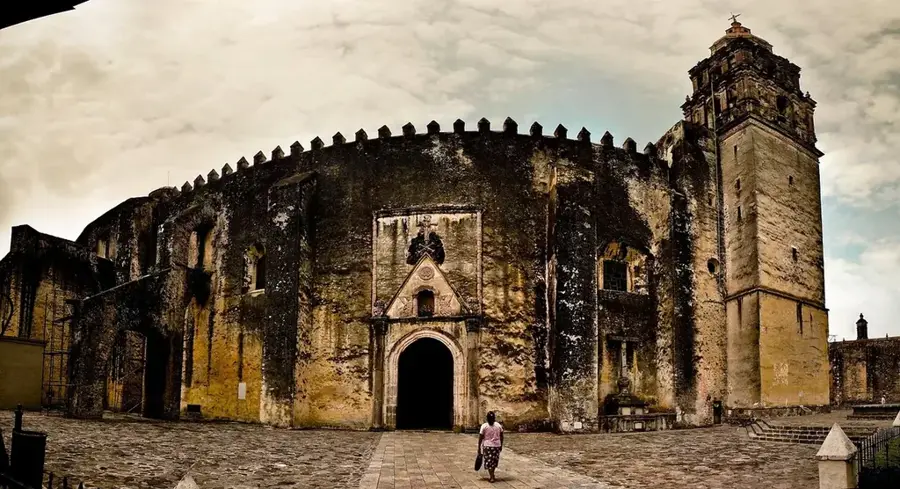
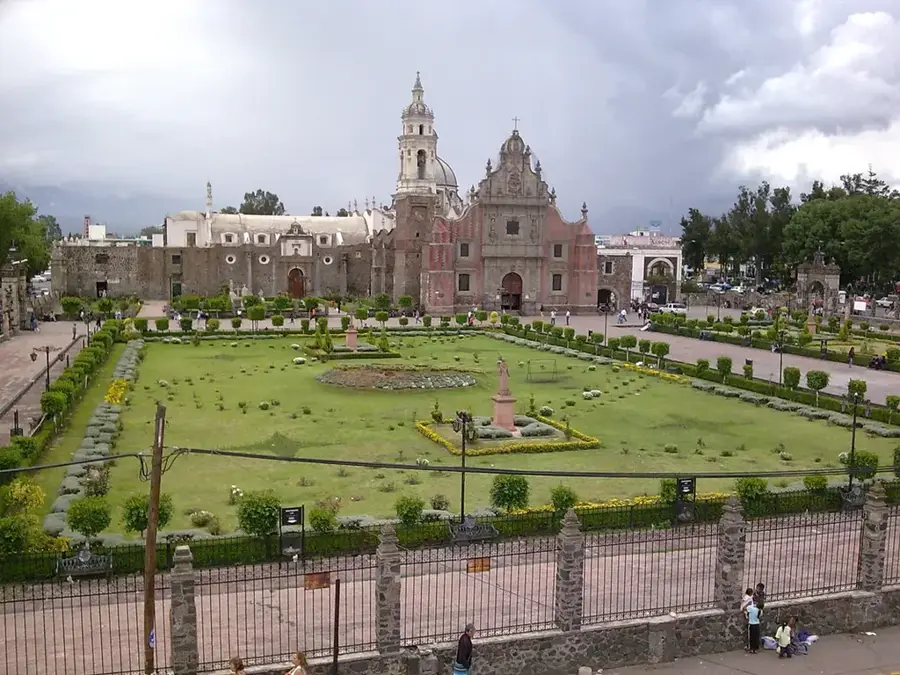
- Explore the Cathedral of San José in the city center, which was originally built as a fortress church.
- Visit on a Sunday to experience the large and lively local market in the heart of the city.
- Consider combining your trip with a visit to one of the nearby thermal water parks in the region.
🍽 Food
Slow-cooked lamb, a specialty of Hidalgo state; it’s best enjoyed at the Sunday market stalls.
Seasonal ant larvae (known as Mexican caviar), typically sautéed in butter and herbs.
Spiced meat steamed in parchment paper, a regional classic found in traditional eateries.
🛍 Shopping · 🧘 Quiet spots
Small replicas of the Atlantean statues made from local stone are popular souvenirs near the site.
The open-air market where you can find fresh produce, traditional clothing, and household goods.
The courtyard of the San José Cathedral features a peaceful spot in the heart of the city.
Quiet sections along the river provide shaded paths for a calming natural walk.
Water temperature…
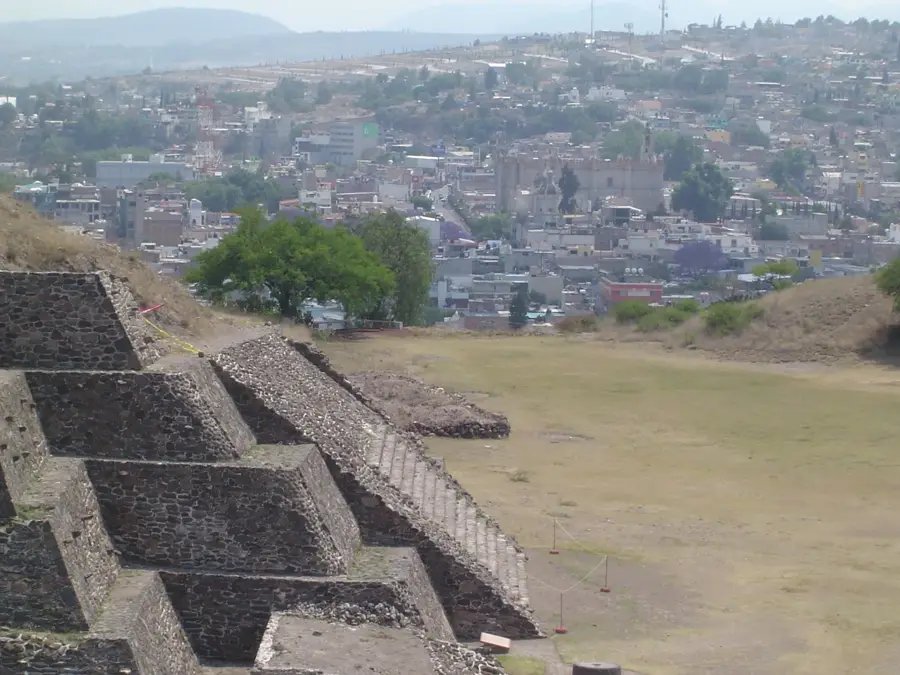
Tula de Allende, located in the state of Hidalgo, is globally recognized for its significant archaeological site, which once served as the capital of the Toltec Empire. Between 900 and 1150 AD, Tollan-Xicocotitlan was one of Mesoamerica most powerful urban centers, exerting a profound cultural influence on later civilizations like the Aztecs. The most striking feature of the ruins are the Atlanteans of Tula, four-meter-tall basaltic statues representing Toltec warriors that once supported the roof of the Temple of Tlahuizcalpantecuhtli. The modern city of Tula was established during the colonial era, with the 16th-century Cathedral of San José standing as a prime example of early missionary architecture. Today, Tula is a major industrial hub, home to one of Mexico largest oil refineries, while also acting as a gateway to exploring central Mexico pre-Hispanic history. The region is also famous for its traditional gastronomy, particularly dishes featuring edible insects like escamoles and chinicuiles.
- Location: Mexico
- Top sights: Parque Nacional Tula · Teatro al Aire Libre · Tula Chico
- Nearby: Tlalnepantla de Baz (19 km)
- Population: ~28.577 (2018)
Best time to visit & climate
The most pleasant time to visit is Mar–May.
| Jan | Feb | Mar | Apr | May | Jun | Jul | Aug | Sep | Oct | Nov | Dec | |
|---|---|---|---|---|---|---|---|---|---|---|---|---|
| Avg °C | 12 | 14 | 16 | 18 | 19 | 18 | 17 | 16 | 16 | 14 | 13 | 12 |
| Rain mm | 11 | 14 | 17 | 24 | 48 | 115 | 133 | 127 | 134 | 65 | 22 | 7 |
Geography
Facts
- Served as the capital of the Toltec Empire between 900 and 1150 AD.
- The Atlanteans of Tula are 4.6-meter-tall warrior statues carved from basalt.
- The Cathedral of San José was constructed between 1543 and 1554.
- Home to the Miguel Hidalgo refinery, one of the largest in Mexico.
- The name Tula is derived from the Nahuatl 'Tollan,' meaning 'place of reeds.'
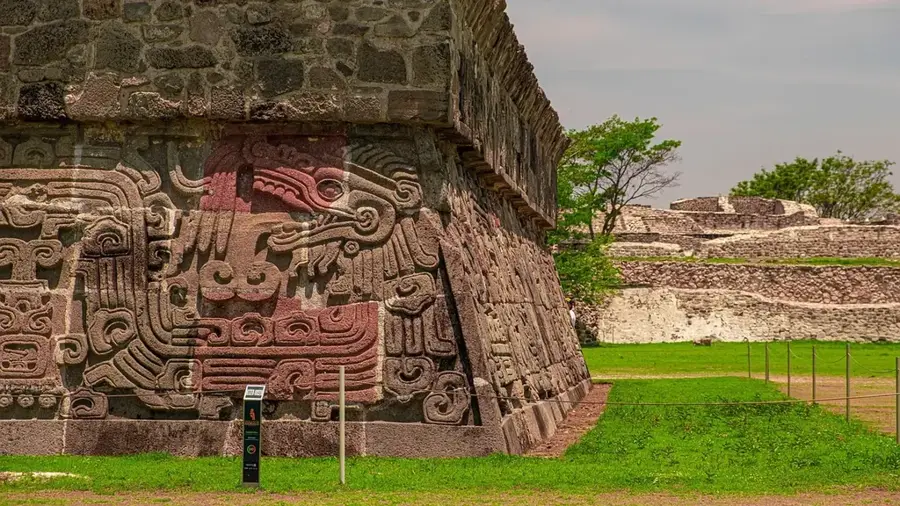
- The archaeological site features the Coatepantli, or Wall of Serpents, with intricate reliefs.
Explore nearby
Notable places around
Route planner — Car & Motorhome
Where do you start? We build the route here, with stops and country notes along the way.
© OpenStreetMap contributors · OpenRouteService
Sights in the town Tula de Allende (5)
Frequently asked questions
What is Tula de Allende known for?
How much time should you plan?
Is photography allowed?
Is it good for kids?
When is the site open?
Tula de Allende: where is it located?
Tula de Allende: what is there to see?
Tula de Allende: when is the best time to visit?
Tula de Allende: why is it worth visiting?

Nearby cities
More places