Plizio Visual Lab
Pachuca
ℹ️Practical info — Pachuca
▾
🌤 Weather — 5 days
📍 Nearby
Sights nearby
💡 Tips
- The city is known as 'La Bella Airosa' due to strong winds, so always pack a light jacket.
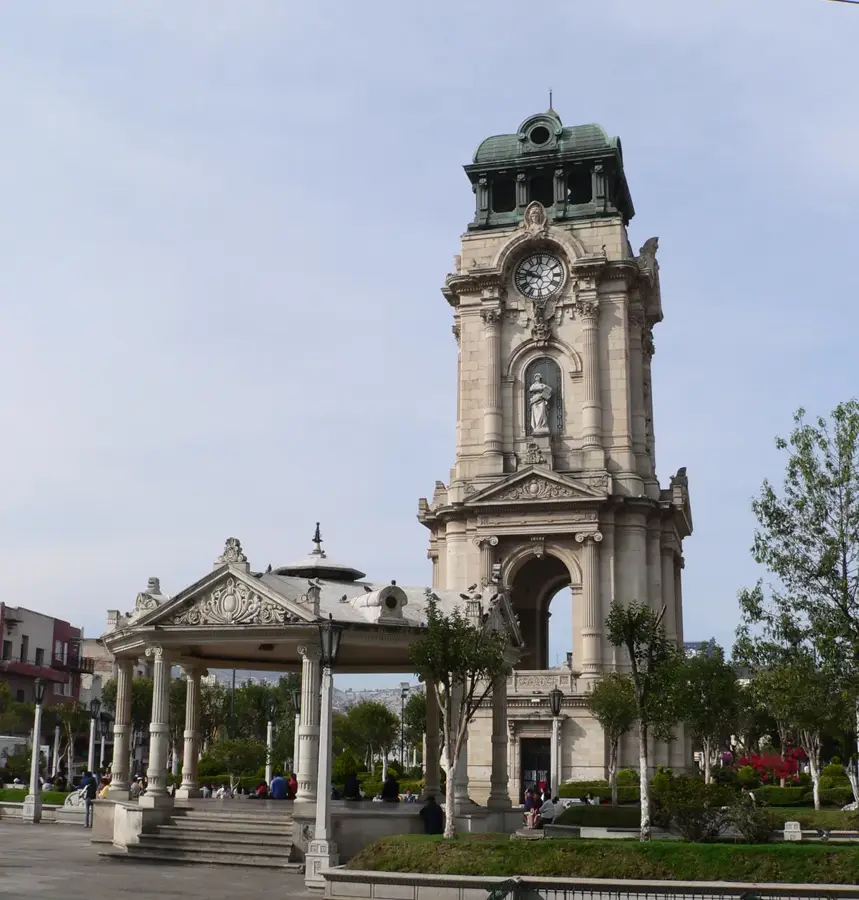
- The Reloj Monumental (Monumental Clock) plays different chimes depending on the time of day.
- Take a combi (shared minibus) to navigate the steep and winding streets of the mining neighborhoods.
- Use the city as a base to visit nearby Magic Towns (Pueblos Mágicos) like Real del Monte.
- Many local museums have reduced hours or close completely on Mondays.
🍽 Food
Countless paste shops around the main square and central streets.
Local markets on weekend mornings.
Traditional pulquerías in the downtown area.
🛍 Shopping · 🧘 Quiet spots
Artisan shops reflecting the city's rich mining heritage.
Fresh produce, traditional sweets, and everyday local items.
A large open space featuring a memorable, massive mosaic tile floor.
Features panoramic views of the city from Santa Apolonia hill.
Water temperature…
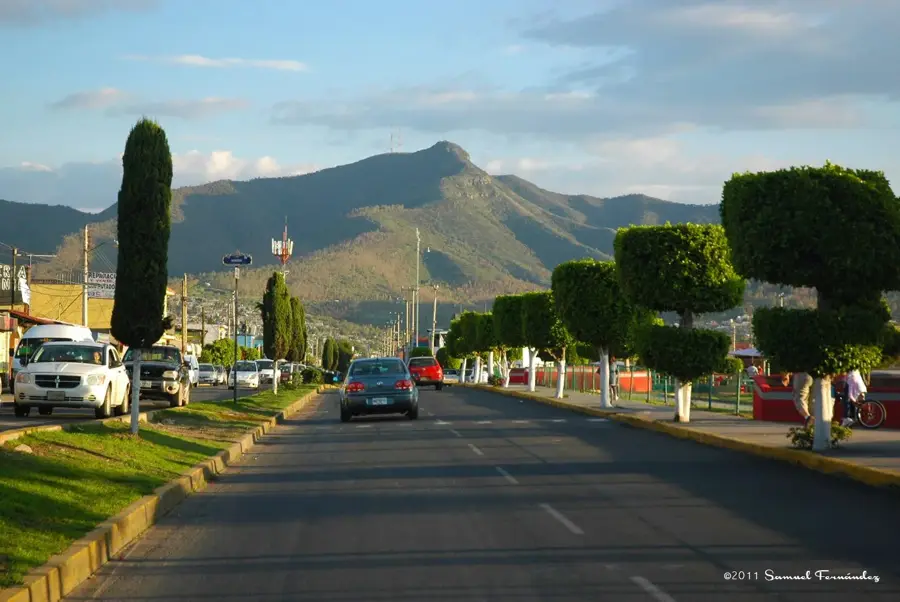
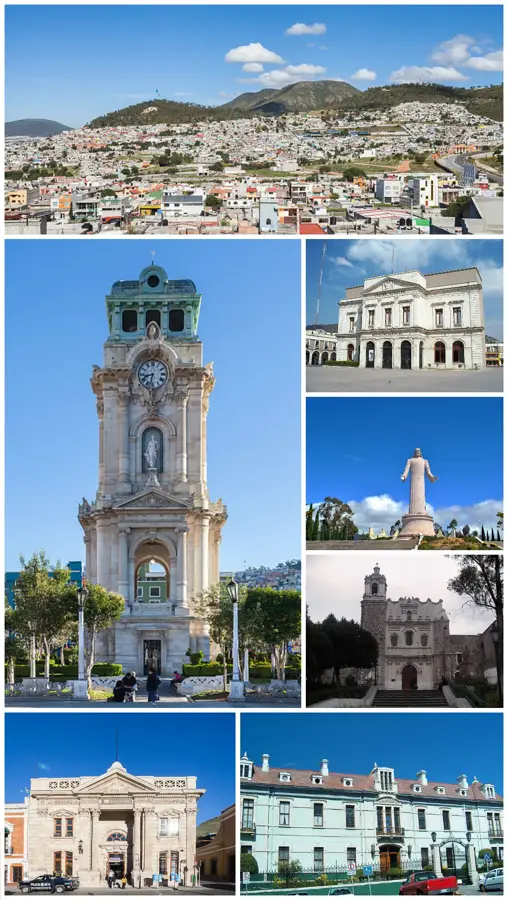
Pachuca de Soto, the capital of Hidalgo, is a city defined by its winds, its mines, and its surprising English legacy. Known as 'La Bella Airosa' (The Beautiful Windy City) due to the strong breezes that sweep through its high-altitude valley, Pachuca sits at an impressive 7,959 feet (2,426 meters) above sea level. The city's history is inextricably linked to silver mining, which flourished under Spanish rule and later saw a massive influx of Cornish miners in the 19th century. This unique heritage left a lasting mark, introducing football to Mexico and popularizing the 'paste' (a local version of the Cornish pasty). The city's most iconic landmark is the Reloj Monumental, a 131-foot neoclassical clock tower located in the main square, built to commemorate the centennial of Mexican independence. Pachuca's climate is cool and semi-arid, often with misty mornings and brisk evenings. In recent years, the city has transformed into a hub for sports and technology, housing the Football Hall of Fame and the interactive Mundo Fútbol museum. The David Ben Gurion Park features one of the world's largest floor mosaics, a spirited 80,000-square-foot piece of art. The local economy has shifted from mining toward manufacturing, logistics, and higher education, benefiting from its proximity to Mexico City. Pachuca serves as a gateway to the impressive 'Mountain Corridor' of Hidalgo, offering access to high-altitude forests and historic mining towns like Real del Monte. Its blend of industrial grit, cultural innovation, and sporting passion makes Pachuca a distinctive destination in central Mexico.
- Location: Mexico
- Top sights: Ajolotario Miquiztli Xolotl · Centro Cultural del Ferrocarril · Macromural Palmitas
- Nearby: Pachuca (4 km)
- Population: ~256.584 (2026)
Best time to visit & climate
The most pleasant time to visit is Mar–May.
| Jan | Feb | Mar | Apr | May | Jun | Jul | Aug | Sep | Oct | Nov | Dec | |
|---|---|---|---|---|---|---|---|---|---|---|---|---|
| Avg °C | 11 | 13 | 15 | 17 | 18 | 17 | 16 | 16 | 15 | 14 | 12 | 11 |
| Rain mm | 22 | 20 | 28 | 37 | 60 | 150 | 159 | 166 | 200 | 118 | 45 | 19 |
Geography
Facts
- Pachuca's Reloj Monumental was designed by the same company that built the Big Ben in London.
- The city's football stadium, Estadio Hidalgo, is nicknamed 'El Huracán' (The Hurricane).
- The first football match in Mexico was played by Cornish miners in Pachuca in the late 1800s.
- Pachuca is located just 56 miles (90 km) from Mexico City's northern edge.
- The mining district of Pachuca-Real del Monte was active for more than 450 years.
- Pachuca's climate is classified as subtropical highland (Cwb).
- The city was named a 'Heroic City' due to its role in the Mexican Revolution.
- The macro-mural in the Palmitas neighborhood covers 20,000 square meters of hillside houses.
Explore nearby
Notable places around
Route planner — Car & Motorhome
Where do you start? We build the route here, with stops and country notes along the way.
© OpenStreetMap contributors · OpenRouteService
Start your day at Plaza Juárez and take a stroll through the historic downtown. Afterwards, immerse yourself in the local cultural scene at the Teatro Jardín del Arte. In the afternoon, discover fascinating railway history at the Centro Cultural del Ferrocarril. In the evening, admire unique axolotls at the Ajolotario.
Plaza Juárez
Teatro Jardín del Arte
Cuartel del Arte
Galería de Arte Contemporáneo de Hidalgo
Centro Cultural del Ferrocarril
Ajolotario Miquiztli Xolotl
Start your day at Plaza Juárez, where the surrounding arches provide shelter from the morning drizzle. At noon, the cozy galleries of Cuartel del Arte invite you into dry indoor spaces. In the afternoon, explore under the covered platforms of the railway center. Spend the evening safe and dry among the axolotls while the rain drums against the windows outside.
Plaza Juárez
Teatro Jardín del Arte
Cuartel del Arte
Galería de Arte Contemporáneo de Hidalgo
Centro Cultural del Ferrocarril
Ajolotario Miquiztli Xolotl
The cool morning air at Plaza Juárez freshens you up for the start of the day. At noon, the cultural centers offer a welcome warmth and fascinating exhibitions. Use the light hours for gallery visits, as the sun already sets around 5:00 PM. It's best to end the frosty evening in the heated Ajolotario.
Plaza Juárez
Teatro Jardín del Arte
Cuartel del Arte
Galería de Arte Contemporáneo de Hidalgo
Centro Cultural del Ferrocarril
Ajolotario Miquiztli Xolotl
Your bike tour starts smoothly in the center, taking you to the impressive railway museum. At midday, pedal on to explore the local wildlife and flora at the Ecoparque. The afternoon gets colorful with the giant Macromural Palmitas. Spend your evening in the spacious Parque Ecológico Cubitos.
Plaza Juárez
Centro Cultural del Ferrocarril
Ajolotario Miquiztli Xolotl
Ecoparque
Macromural Palmitas
Parque Ecológico Cubitos
Cycling in the rain requires full concentration on the slippery roads of Pachuca. Start cautiously at Plaza Juárez and use the museums for longer breaks to dry off. Ecoparque can be muddy, stay on the paved paths. End the tour early before visibility drops too much in heavy rain.
Plaza Juárez
Centro Cultural del Ferrocarril
Ajolotario Miquiztli Xolotl
Ecoparque
Macromural Palmitas
Parque Ecológico Cubitos
Pack warm, the wind chill in Pachuca is icy in winter. Start with the morning sun at Plaza Juárez and use the climbs to stay warm. The view from the Macromural is fantastic in the clear winter air. Watch the time, dusk sets in early and temperatures drop rapidly then.
Plaza Juárez
Centro Cultural del Ferrocarril
Ajolotario Miquiztli Xolotl
Ecoparque
Macromural Palmitas
Parque Ecológico Cubitos
By car, first explore the historic railway museum and the art at the Cuartel del Arte. Next, drive to the colorful Macromural Palmitas for fantastic photo opportunities. In the afternoon, Museo El Rehilete offers exciting exhibits for the whole family. The evening concludes at the lively fairgrounds.
Centro Cultural del Ferrocarril
Cuartel del Arte
Macromural Palmitas
Parque Ecológico Cubitos
Museo El Rehilete
Plaza de toros - Vicente Segura
Feria de Pachuca Hidalgo
By car, Pachuca is a comfortable experience in the rain. Use the vehicle as a mobile base to commute between cultural highlights. The parking lots at Rehilete are close to the entrance, so you'll hardly get wet. The evening at the Feria offers plenty of covered fun for the whole family despite the rain.
Centro Cultural del Ferrocarril
Cuartel del Arte
Macromural Palmitas
Parque Ecológico Cubitos
Museo El Rehilete
Plaza de toros - Vicente Segura
Feria de Pachuca Hidalgo
Winter in Pachuca means clear visibility but also biting cold outside the car. Start comfortably at the railway center and enjoy the seat heating on the way to Cuartel del Arte. The afternoon in Cubitos Park offers great photo opportunities in the low sunlight. End the day at the Feria when the colorful lights shine in the early darkness.
Centro Cultural del Ferrocarril
Cuartel del Arte
Macromural Palmitas
Parque Ecológico Cubitos
Museo El Rehilete
Plaza de toros - Vicente Segura
Feria de Pachuca Hidalgo
Sights in the town Pachuca (12)
Frequently asked questions
What makes Pachuca interesting?
How is the climate?
How long to stay?
What must you try?
Are there activities?
Pachuca: where is it located?
Pachuca: what is there to see?
Pachuca: when is the best time to visit?
Pachuca: why is it worth visiting?

Nearby cities
More places