Plizio Visual Lab

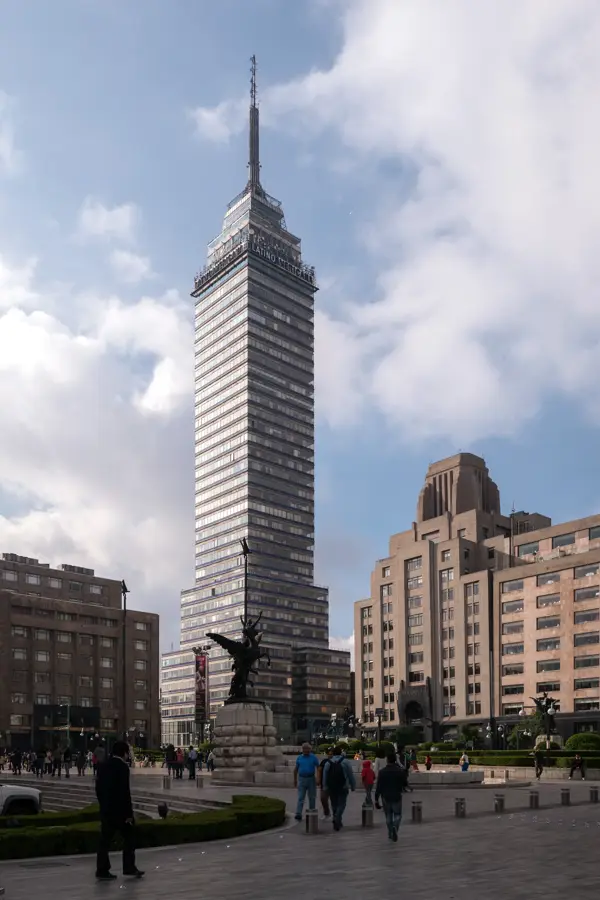
Torre Latinoamericana
Plizio editorial teamData Sources
tower
—°11
Torre Latinoamericana (Mexico)

Weather…

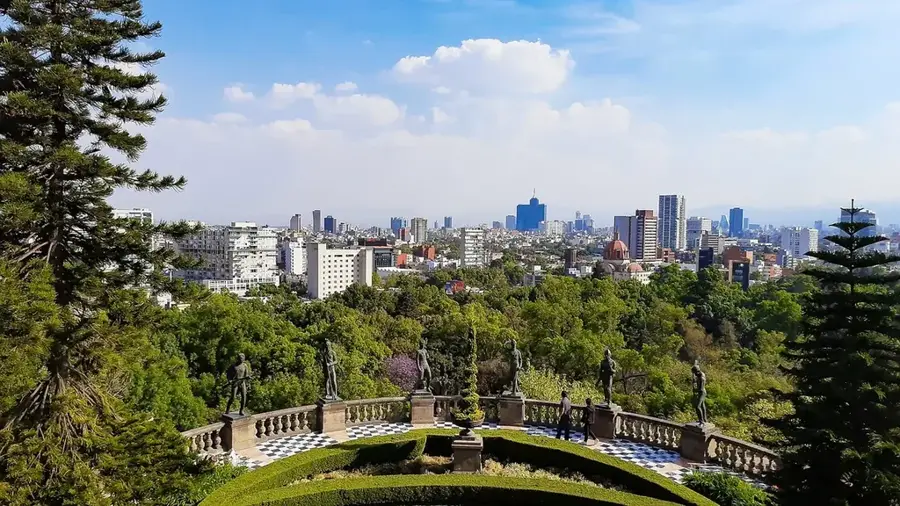
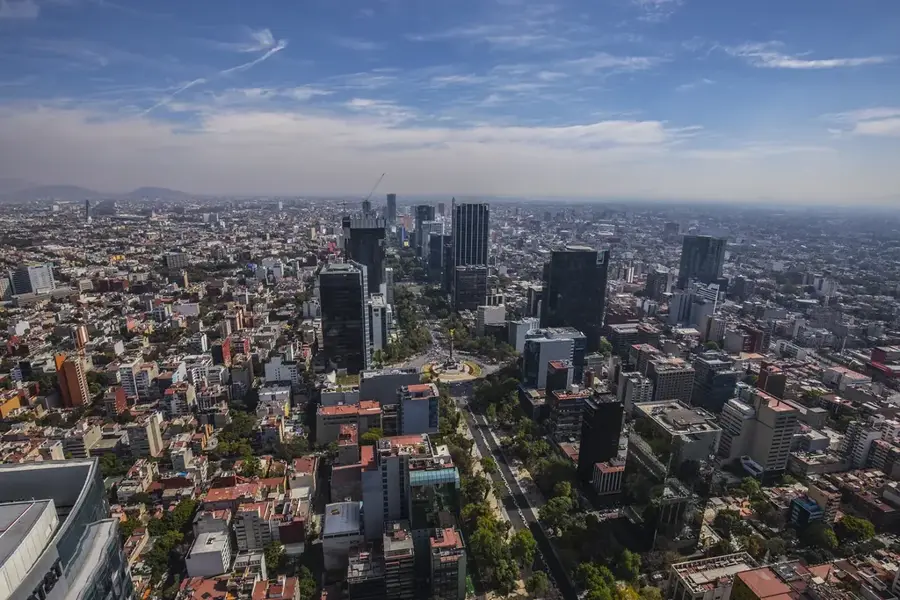
The Torre Latinoamericana is a definitive landmark of Mexico City’s skyline, located at the busy intersection of Madero and Eje Central. Standing 182 meters tall, it was the city's tallest building from its completion in 1956 until 1972. What makes it world-famous is its pioneering earthquake-resistant design. Designed by architect Augusto H. Álvarez, the skyscraper utilizes a sophisticated system of steel piles driven deep into the lakebed clay, which allows the tower to remain stable during seismic events. This was proven during the catastrophic 1985 earthquake, which the tower survived completely intact. Tourists flock to the observation deck on the 44th floor for an unparalleled 360-degree view of the capital, stretching from the Zócalo to the distant volcanoes. The building also houses a fascinating museum detailing the engineering challenges of its construction and the history of Mexico City, making it for architecture and history enthusiasts.

Best time to visit & climate

The most pleasant time to visit is Mar–May.

JanFebMarAprMayJunJulAugSepOctNovDec
Avg °C101214161716151514131111
Rain mm1414213161148150157171883012

📋 Practical info

🚪
Visiting
You can visit the public observation deck near the top of the tower, which features spectacular panoramic views of the entire sprawling metropolis. The lower levels also house a small museum detailing the building's impressive engineering history.
🕒
Typical hours
The observation deck is typically open daily from mid-morning until late in the evening. This extended schedule allows visitors to easily choose between viewing the city under the midday sun or enjoying the glittering night lights.
📷
Photography
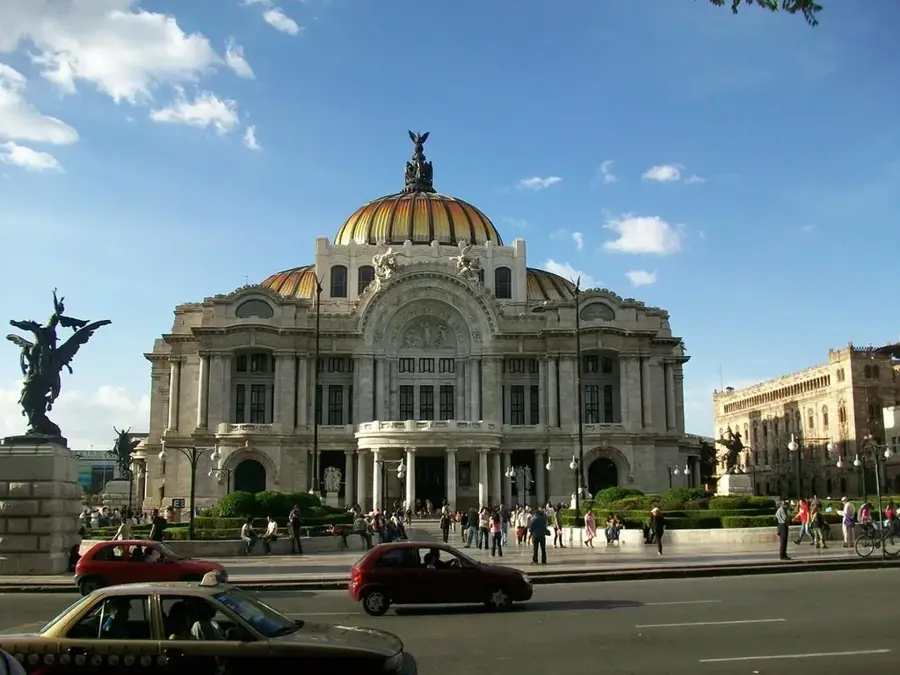
The outdoor terrace level is excellent for photography because you can shoot over the city without any glass barriers causing reflections. Zoom lenses are highly recommended for capturing distant landmarks like the Palace of Fine Arts below.
⏱️
Time needed
Most guests spend around an hour to an hour and a half at the top, depending on how long they linger at the various viewing angles and the museum. Waiting for the elevator during peak tourist hours might add some extra time to your visit.
Combine with
As it stands in the very heart of the city, you can easily walk to the adjacent Palace of Fine Arts, the central Zócalo, and numerous historic churches. The lively pedestrian streets surrounding the base are filled with excellent cafes.
🧭
Getting there
The skyscraper is extremely well-connected by public transport, with the Bellas Artes metro station located just a short walk away. Its immense height serves as an easy visual reference point from almost anywhere in the historic center.
💡
Insider tip
Try to time your ascent for just before sunset so you can witness the sprawling urban landscape transform as the millions of city lights gradually turn on. It is advisable to buy your tickets online in advance to bypass the sometimes lengthy queues.

Geography

Coordinates
19.43390, -99.14060

Facts

  • The building has 44 floors and three basement levels.
  • It was designed by the architect Augusto H. Álvarez.
  • The structure rests on 361 concrete piles driven 34 meters deep.
  • It survived the severe 1985 earthquake without any structural damage.
  • The building houses a museum dedicated to the city's history.
  • It was the first skyscraper in the world with a glass and aluminum facade.

Explore nearby

Notable places around
Route planner — Car & Motorhome

Where do you start? We build the route here, with stops and country notes along the way.

Vehicle
Only stops with (optional):

© OpenStreetMap contributors · OpenRouteService

Sights in the town Torre Latinoamericana (11)

The House of Tiles🏛 museum

18th-century mansion covered in blue Talavera tiles, adjacent to the Torre Latinoamericana.

Monumento a Francisco I. Madero🏺 historical

A monument to Francisco I. Madero, a leader of the Mexican Revolution.

Chinatown📍 landmark

A small neighborhood in Mexico City with Chinese cultural influence.

Museo del Calzado El Borceguí🏛 museum

Museum showcasing the history of footwear near the Torre Latinoamericana.

Mirador 360°🌿 nature

A 360° viewpoint at the Monument to the Revolution, built in 1938, designed by Carlos Obregón Santacilia.

Museo Mexicano del Diseño🏛 museum

Museum of industrial and graphic design close to the Torre Latinoamericana.

Alexander von Humboldt🏺 historical

A monument in Mexico City honoring the German naturalist Alexander von Humboldt.

Teatro Loteria Nacional🎭 culture

A theatre in Mexico City located in the National Lottery building.

Alameda Central🌳 park

Alameda Central in Mexico City, the oldest public park in the Americas, laid out in 1592.

Templo de Corpus Christi⛪ religious

A baroque church from 1721 with a green tiled dome near the Torre Latinoamericana in Mexico City.

Mercado de Artesanías de La Ciudadela📍 landmark

Mercado de Artesanías de La Ciudadela in Mexico City, a craft market since 1965.

🕒 Mo-Sa 09:00-19:00; Su 09:00-18:00

Sights nearby

Frequently asked questions

Is it worth visiting the observation deck?
Absolutely, the view over Mexico City is spectacular, especially at sunset.
Is there a restaurant in the tower?
Yes, there is a restaurant and bar on the upper floors.
What are the wait times at the ticket office?
On weekends, you may encounter longer wait times.
Is the tower wheelchair accessible?
Yes, elevators go up to the observation level.
What are the opening hours?
The deck is accessible daily from 9 am to 10 pm.
Torre Latinoamericana: where is it located?
Torre Latinoamericana is located in Mexico.
Torre Latinoamericana: what is there to see?
Highlights include The House of Tiles, Monumento a Francisco I. Madero, Chinatown.
Torre Latinoamericana: when is the best time to visit?
The most pleasant time to visit is Mar, May.
Torre Latinoamericana: why is it worth visiting?

The Torre Latinoamericana is a definitive landmark of Mexico City’s skyline, located at the busy intersection of Madero and Eje Central.
View on map → The Top 50 Attractions → OpenStreetMap →
North America
Explore with Plizio Discover more places in North America
More places in Mexico →

History & landmarks

More places