Plizio Visual Lab
Pachuca
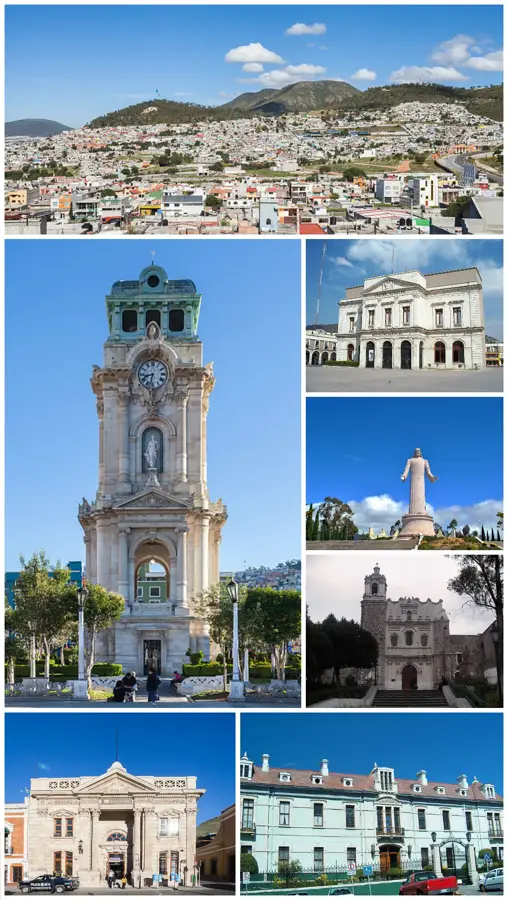
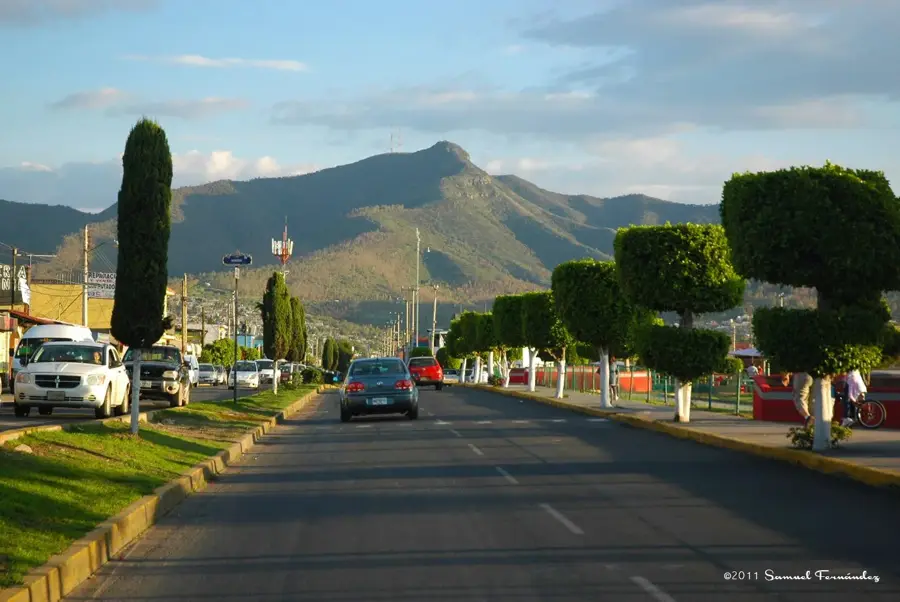
Pachuca, the capital of Hidalgo, is inextricably linked to mining and 19th-century English influence. Its most distinctive landmark is the Monumental Clock (Reloj Monumental) in the center, which was manufactured in England. The city is also honored as the birthplace of Mexican soccer and the 'Pastes' (derived from the Cornish pasty). A modern highlight is the giant, colorful macromural in the Palmitas neighborhood, one of the largest street art projects in the world. The surrounding area provides rugged mountain landscapes and access to nearby national parks. Gastronomically, pastes and mixiotes are a must. Pachuca is reachable from Mexico City in less than two hours. The best time to visit is spring, when the weather is mild, though one should always be prepared for the constant winds.
- Location: Mexico
- Top sights: Auditorio Andrés Manuel del Río · Museo de miniaturas · Espacio Cultural (Huevo)
- Nearby: Mineral del Chico (6 km)
- Population: ~776 (2013)
Geography
Facts
- Nickname: La Bella Airosa (The Beautiful Windy City)
- Home to the Monumental Clock tower
- Cradle of Mexican soccer (football)
- Introduced Cornish-style 'pastes' to Mexico
- Features one of the world's largest macromurals
- Major silver and gold mining center
- Site of the National Photography Museum
- Located at an elevation of over 2,400 meters
Explore nearby
Notable places around
Route planner — Car & Motorhome
Where do you start? We build the route here, with stops and country notes along the way.
© OpenStreetMap contributors · OpenRouteService
Sights in the town Pachuca (4)
Frequently asked questions
Pachuca: where is it located?
Pachuca: what is there to see?
Pachuca: why is it worth visiting?

Nearby cities
More places