Plizio Visual Lab
Nahr al-Kalb Valley
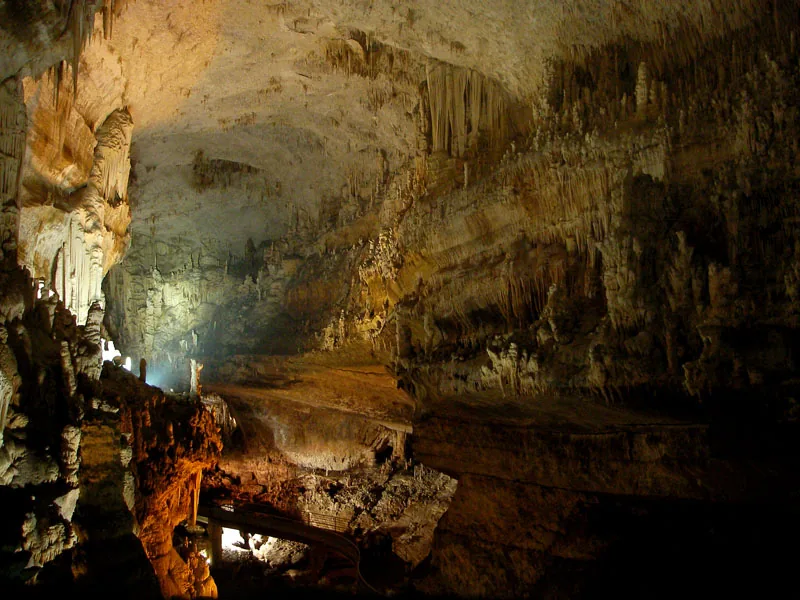
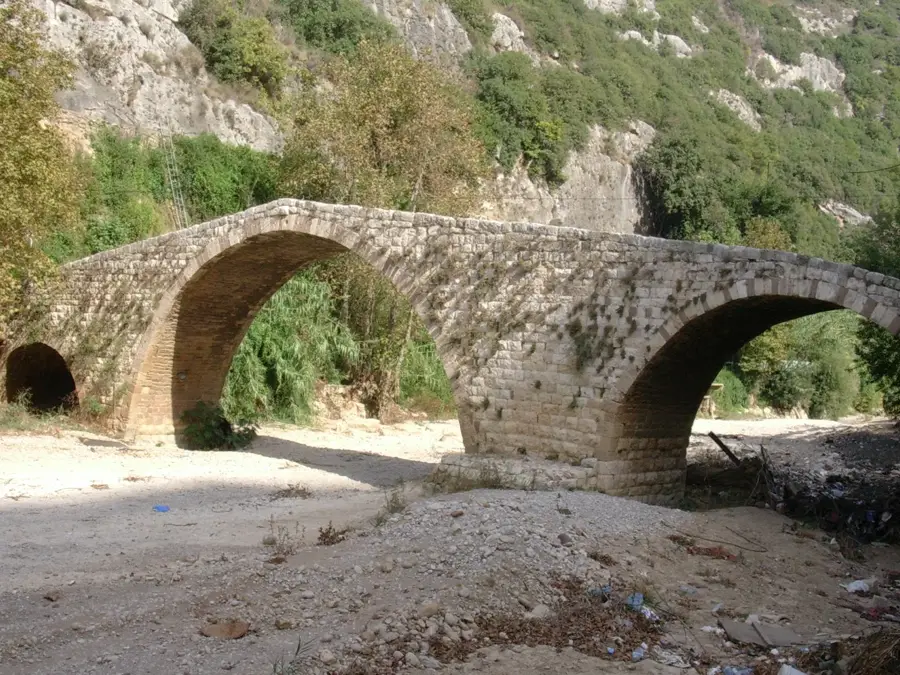
The Nahr al-Kalb Valley, also known as the Lycus River Valley, is one of Lebanon’s most significant historical sites, functioning as a monumental open-air archive. The river originates in the Mount Lebanon range and flows into the Mediterranean north of Beirut. The valley’s strategic location as a coastal bottleneck forced conquerors for millennia to pass through this narrow gap. To commemorate their passage, rulers from Ramses II of Egypt to Assyrian, Babylonian, Roman, and eventually French forces carved a total of 22 inscriptions and stelae directly into the limestone cliffs. These inscriptions document military victories and the construction of bridges and roads over a span of more than 3,000 years. Geologically, the valley features steep rock faces and lush riparian vegetation, with the river becoming quite powerful during the winter months. In addition to the ancient reliefs, the valley contains important hydraulic structures from the Ottoman era. Due to its historical uniqueness, the Nahr al-Kalb stelae were inscribed into the UNESCO Memory of the World Register. Today, the valley remains a vital destination for historians and tourists seeking to witness the stone-carved chronicle of the Middle East.
- Location: Lebanon
- Top sights: Saint Joseph Church · Water Gate Aqua Park · The Legend
- Nearby: Broummana (7 km)
Best time to visit & climate
The most pleasant time to visit is May, Jun, Oct.
| Jan | Feb | Mar | Apr | May | Jun | Jul | Aug | Sep | Oct | Nov | Dec | |
|---|---|---|---|---|---|---|---|---|---|---|---|---|
| Avg °C | 11 | 12 | 14 | 17 | 21 | 24 | 26 | 26 | 25 | 22 | 17 | 13 |
| Rain mm | 115 | 82 | 43 | 23 | 9 | 2 | 0 | 1 | 5 | 23 | 56 | 96 |
📋 Practical info
Geography
Facts
- Home to 22 inscriptions and stelae spanning several millennia.
- The oldest stela was carved by Pharaoh Ramses II in the 13th century BC.
- Added to the UNESCO Memory of the World Register in 2005.
- The name 'Nahr al-Kalb' translates to 'Dog River' in Arabic.
- Esarhaddon of Assyria left inscriptions here in the 7th century BC.
- The valley features a historic Ottoman-era stone bridge.
Explore nearby
Notable places around
Route planner — Car & Motorhome
Where do you start? We build the route here, with stops and country notes along the way.
© OpenStreetMap contributors · OpenRouteService
Sights in the town Nahr al-Kalb Valley (10)
Christ the King Convent
Convent in the Nahr al-Kalb valley, dedicated to Christ the King, a place of reflection.
Saint Georges Church
Church in the Nahr al-Kalb valley, dedicated to Saint George, a Christian worship site.
Rio Lento
Water park in the Nahr al-Kalb valley, offering water fun and relaxation.
NDU Chapel
Chapel of Notre Dame University in the Nahr al-Kalb valley, a place for prayer.
Dream Park
Theme park in the Nahr al-Kalb valley with rides and attractions.
Rimal
Sandy beach in the Nahr al-Kalb valley, located along the riverbank.
Sights nearby
Frequently asked questions
What are the historical inscriptions?
Is there an entrance fee to see the inscriptions?
How much time should I plan for the visit?
Is the site accessible for wheelchair users?
Is photography allowed at the inscriptions?
Nahr al-Kalb Valley: where is it located?
Nahr al-Kalb Valley: what is there to see?
Nahr al-Kalb Valley: when is the best time to visit?
Nahr al-Kalb Valley: why is it worth visiting?

Nearby cities
History & landmarks
Nature
More places