Plizio Visual Lab
Piltene
ℹ️Practical info — Piltene
▾
🌤 Weather — 5 days
📍 Nearby
Sights nearby
💡 Tips
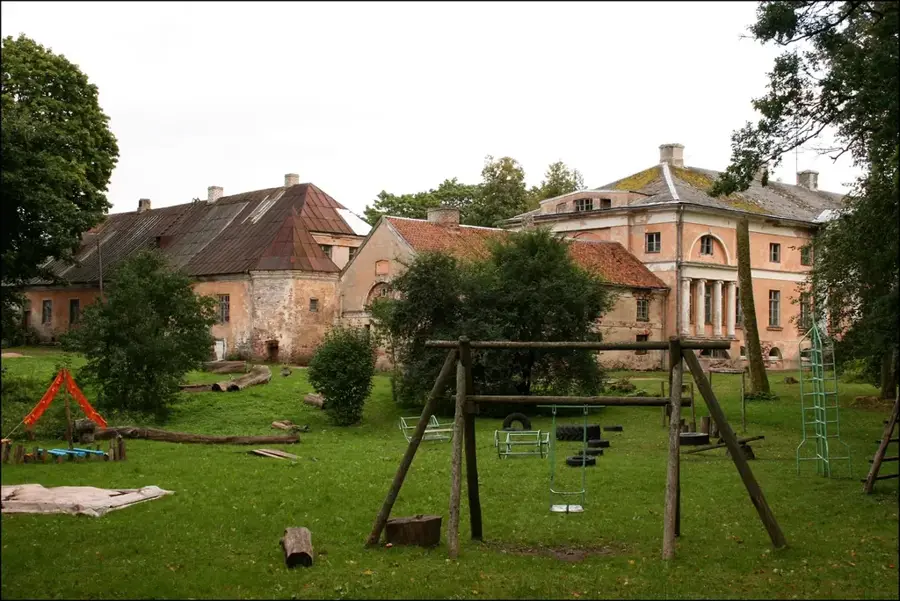
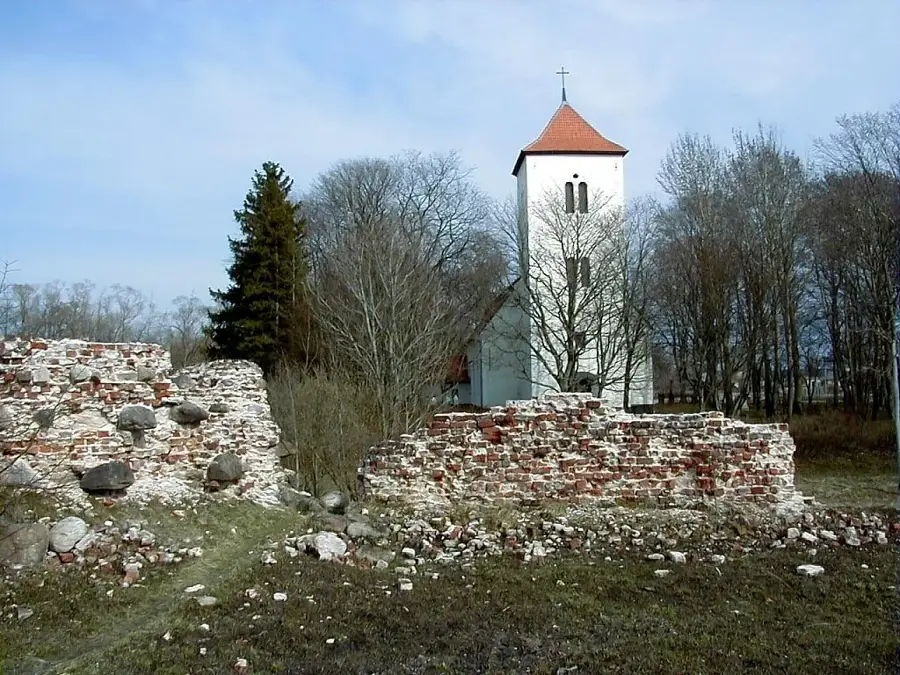
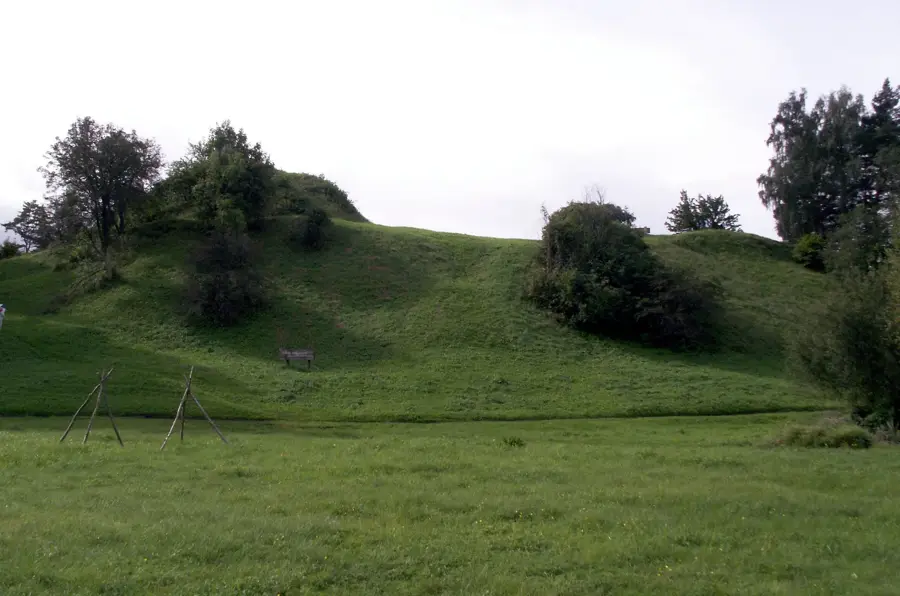
- The Piltene castle ruins can be explored freely and offer a fascinating glimpse into the history of the Bishopric of Courland.
- Bring a picnic, as the green area around the ruins is well-suited for an outdoor break.
- The town is very small and quiet; do not expect major tourist attractions, but rather authentic Latvian countryside.
- A walk to the old port area by the river reveals the former importance of the town.
🍽 Food
Ask in local taverns for fresh fish caught from the Venta river.
Look for simple local eateries (Ēdnīca) offering traditional Latvian dishes like roast pork with potatoes.
Try this traditional, slightly fermented bread drink, which is very refreshing on hot days.
🛍 Shopping · 🧘 Quiet spots
In the small village shops you will find authentic Latvian snacks and local dairy products.
Buy some fresh Rupjmaize (dark rye bread) in the local stores.
The historical ruins are uncrowded and offer a quiet atmosphere for history enthusiasts.
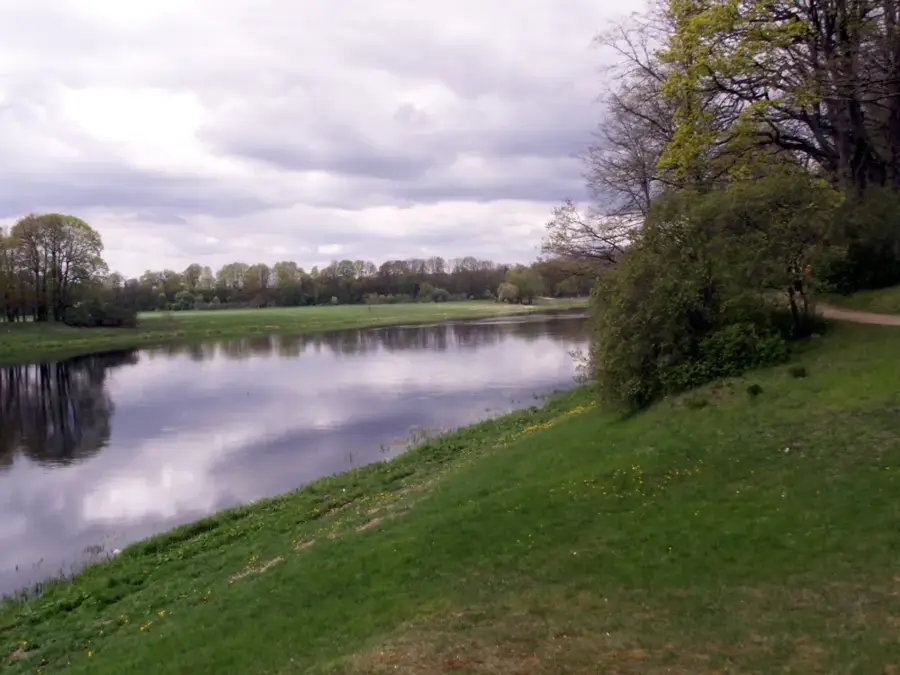
The banks of the Venta and the old Vecventa river branch are convenient for a peaceful walk in nature.
Water temperature…
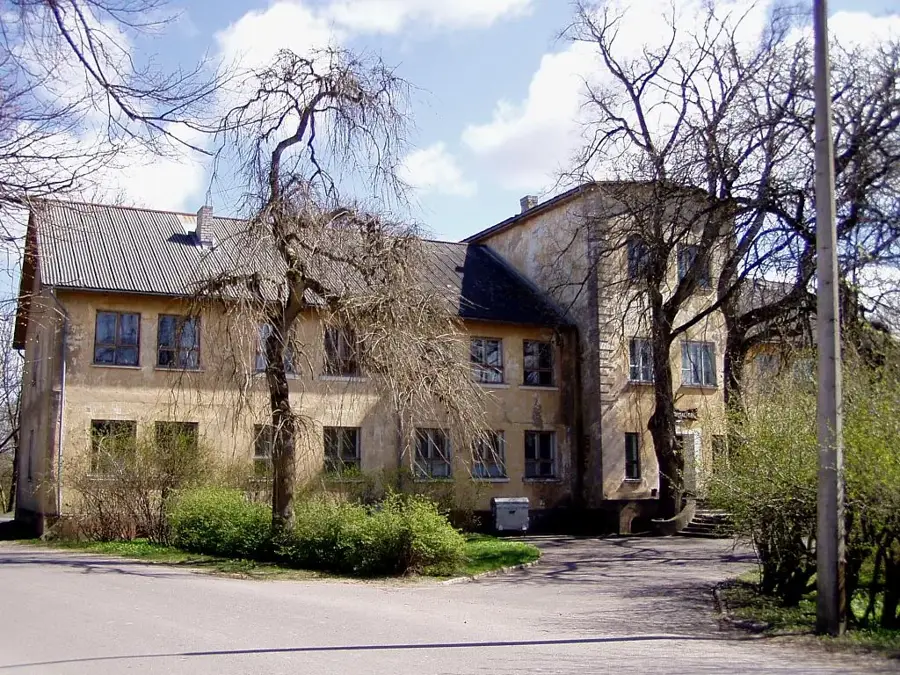
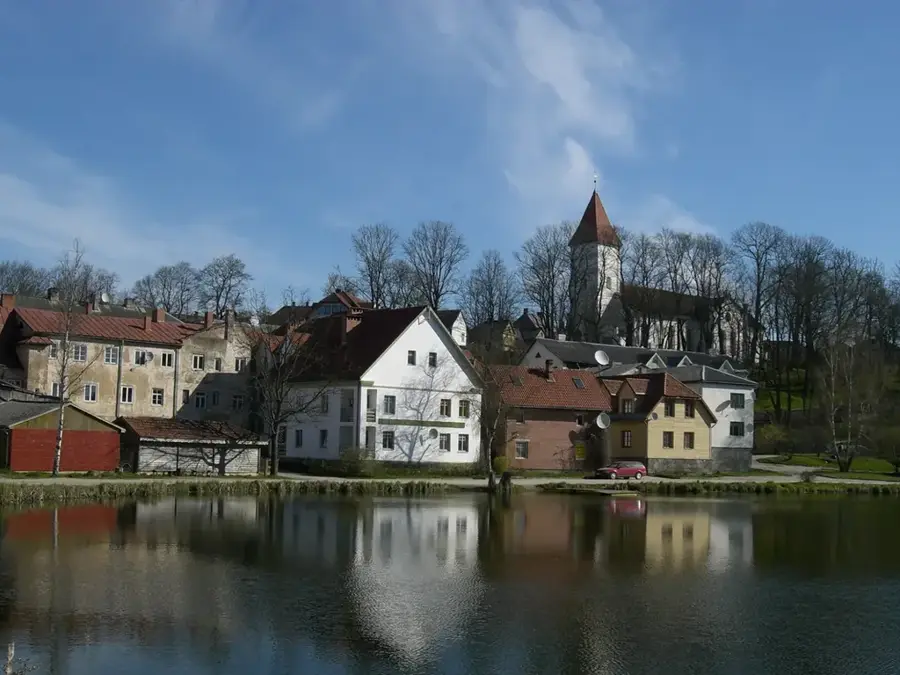
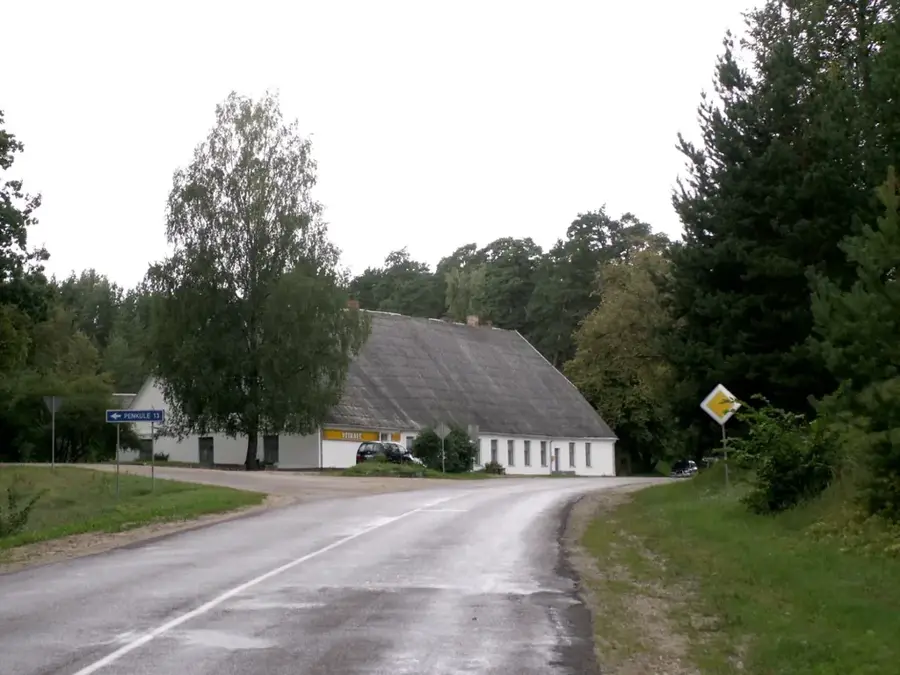
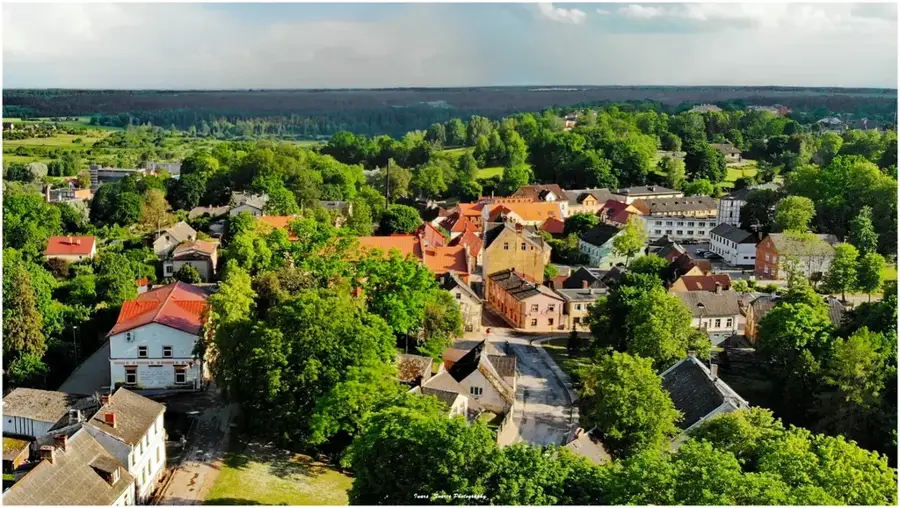
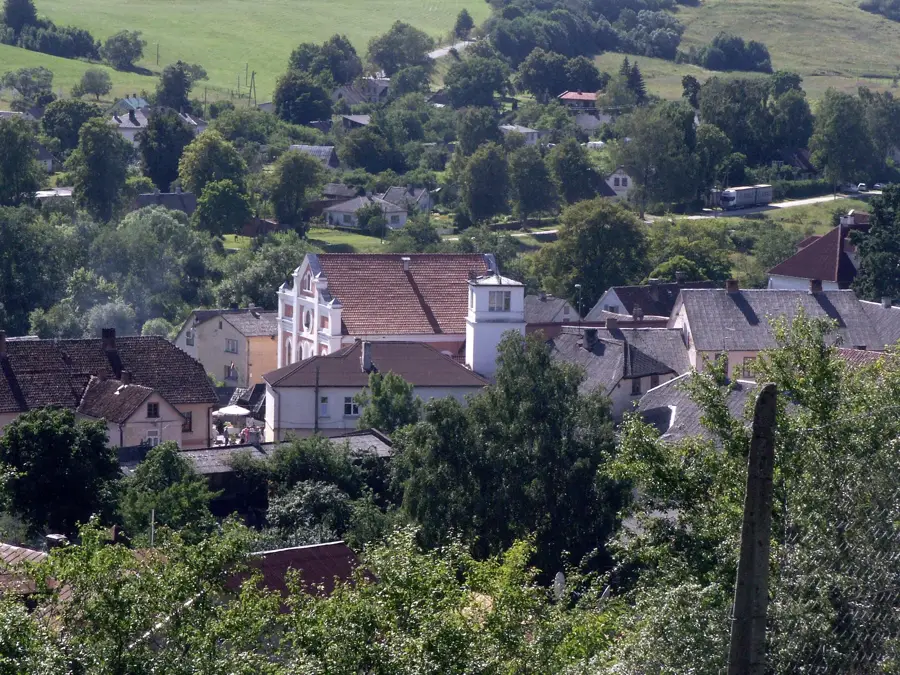
Piltene is a historic town located on the banks of the Venta River, formerly serving as the capital of the Bishopric of Courland and a major administrative hub. The town was granted city rights in 1557, marking its importance as a political and religious center during the era of the Livonian Order. The ruins of the Piltene Episcopal Castle, established in the late 13th century, stand as a testament to the town's medieval significance and defensive capabilities. Following the decline of the Bishopric and the regional shifts of power after the Livonian War, Piltene gradually lost its prominence to the growing port city of Ventspils. The local Evangelical Lutheran Church, built in the 18th century, houses several notable works of sacred art, including a historic organ. Situated on a fertile alluvial plain, the town's early development was closely tied to the navigational and agricultural benefits provided by the Venta River.
- Location: Latvia
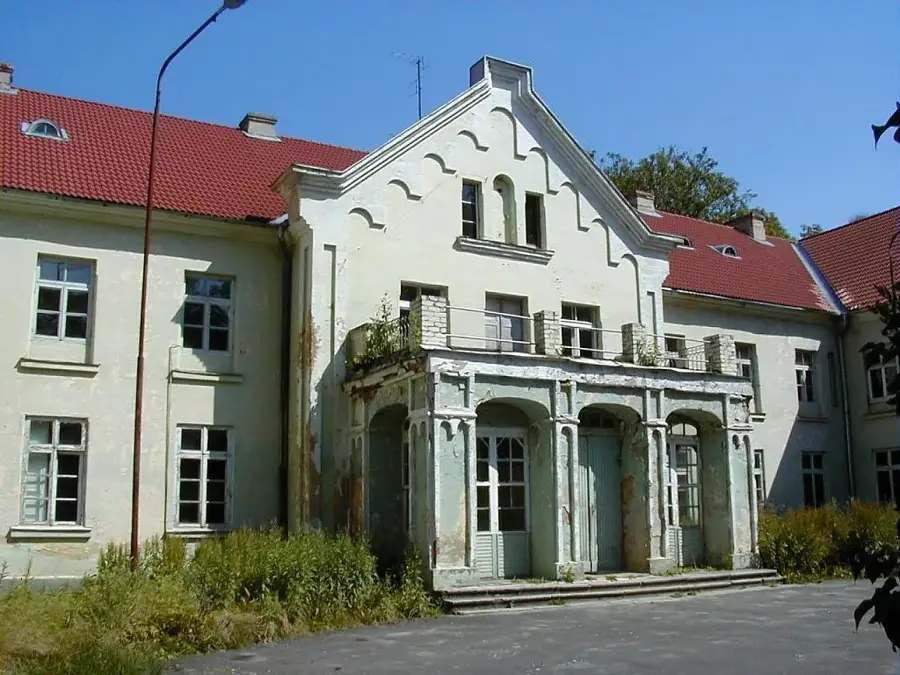
- Top sights: Piltenes pils · Piltenes evanģēliski luteriskā baznīca
- Nearby: Ugāle (6 km)
- Population: ~821
Best time to visit & climate
The most pleasant time to visit is Jun–Aug.
| Jan | Feb | Mar | Apr | May | Jun | Jul | Aug | Sep | Oct | Nov | Dec | |
|---|---|---|---|---|---|---|---|---|---|---|---|---|
| Avg °C | -1 | -1 | 1 | 5 | 10 | 14 | 18 | 18 | 14 | 9 | 5 | 2 |
| Rain mm | 59 | 43 | 40 | 33 | 37 | 53 | 70 | 74 | 58 | 74 | 72 | 68 |
Geography
Facts
- Served as the capital of the Bishopric of Courland.
- Granted city rights by Magnus of Livonia in 1557.
- The Episcopal Castle ruins date back to approximately 1295.
- The town was a Danish possession in the late 16th century.
- The current Lutheran church was erected in 1719.
- Located in the Ventspils Municipality in western Latvia.
Explore nearby
Notable places around
Route planner — Car & Motorhome
Where do you start? We build the route here, with stops and country notes along the way.
© OpenStreetMap contributors · OpenRouteService
Sights in the town Piltene (2)
Frequently asked questions
Why is Piltene historically significant?
What can be seen at the Piltene castle ruins?
Is Piltene a good destination for a family trip?
Are there dining options in Piltene?
When is the best time to visit Piltene?
Piltene: where is it located?
Piltene: what is there to see?
Piltene: when is the best time to visit?
Piltene: why is it worth visiting?

Nearby cities