Plizio Visual Lab

Daugava River Mouth
Plizio editorial teamData Sources
park
—°11
Daugava River Mouth (Latvia)

Weather…

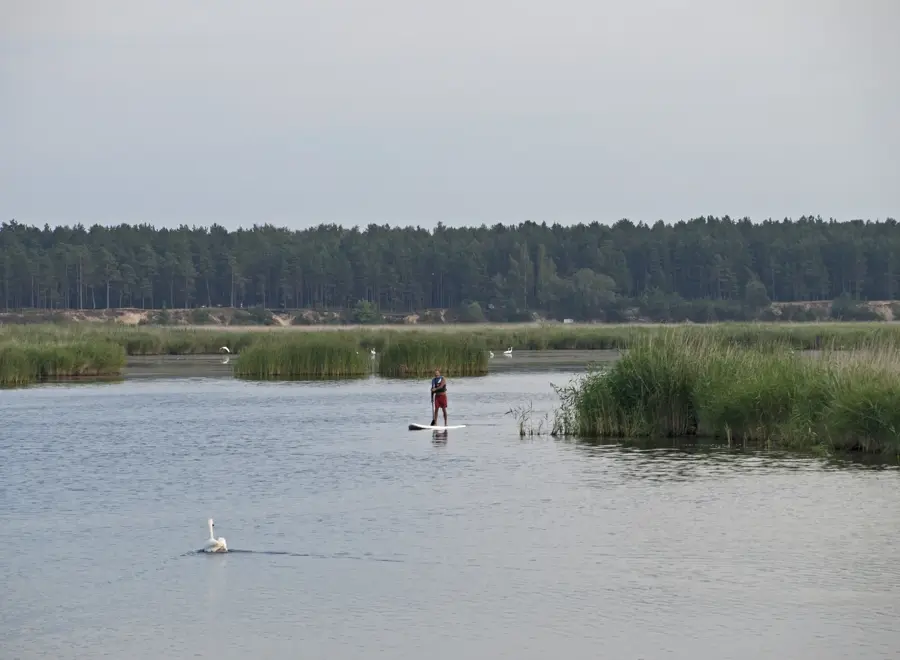
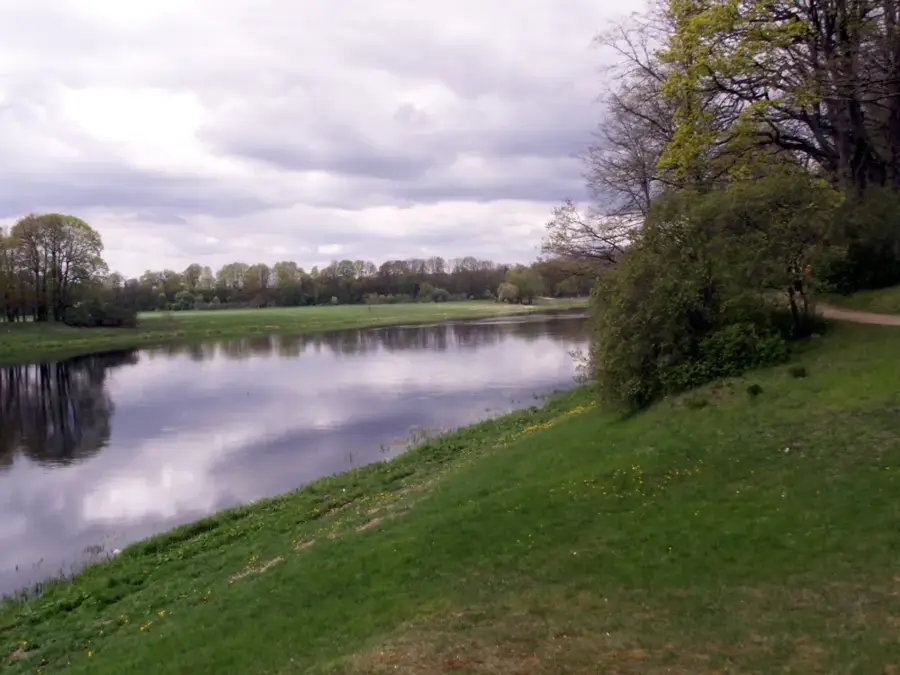
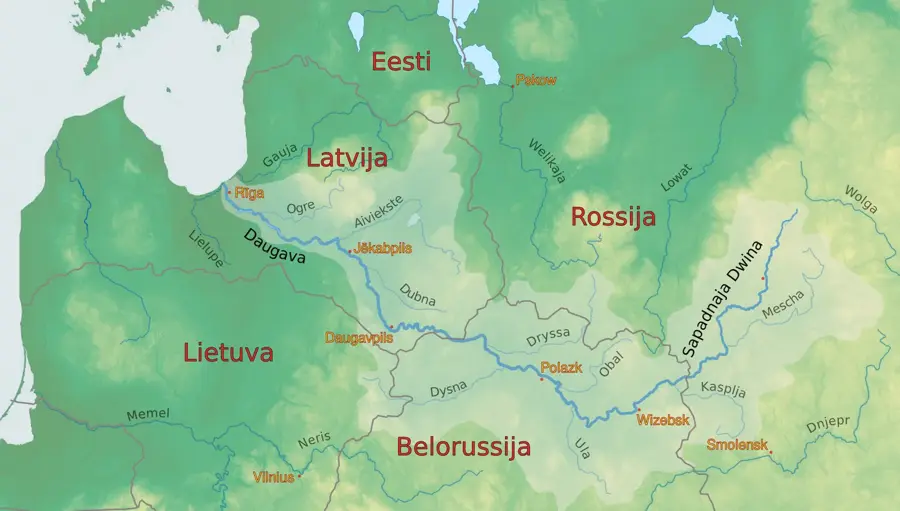
The Daugava river mouth near Riga is a geographically and ecologically sensitive area where Latvia's longest river enters the Baltic Sea. The delta includes extensive reed beds, sandbanks, and the historical Mangaļsala mole, constructed between 1850 and 1861. This region serves as a critical corridor for migratory fish species such as salmon and sea trout, which move upstream to spawn. Botanically, the delta is known for its halophilic plant communities adapted to fluctuating salinity levels. Historically, the mouth was the strategic gateway to the Port of Riga and was secured by fortifications like the Daugavgrīva Fortress. Today, the area is a popular destination for ornithologists as it lies on the Baltic flyway for millions of migratory birds. Monitoring sediment dynamics is of central importance for shipping and coastal protection.

Best time to visit & climate

The most pleasant time to visit is Jun–Aug.

JanFebMarAprMayJunJulAugSepOctNovDec
Avg °C-4-405111518181483-1
Rain mm524341434469727355716857

📋 Practical info

🧭
Getting there
The point where the river meets the Gulf of Riga is accessible via the northern districts of the capital city, using public transport or cars. Walking paths and local roads usually lead directly towards the coastal and ecological boundaries.
📅
Best season
Summer provides the most pleasant coastal breezes and optimal conditions for observing the ecological transition from river to sea. Spring and autumn are excellent for birdwatching as many species use this estuary during their migration routes.
⛰️
Terrain & paths
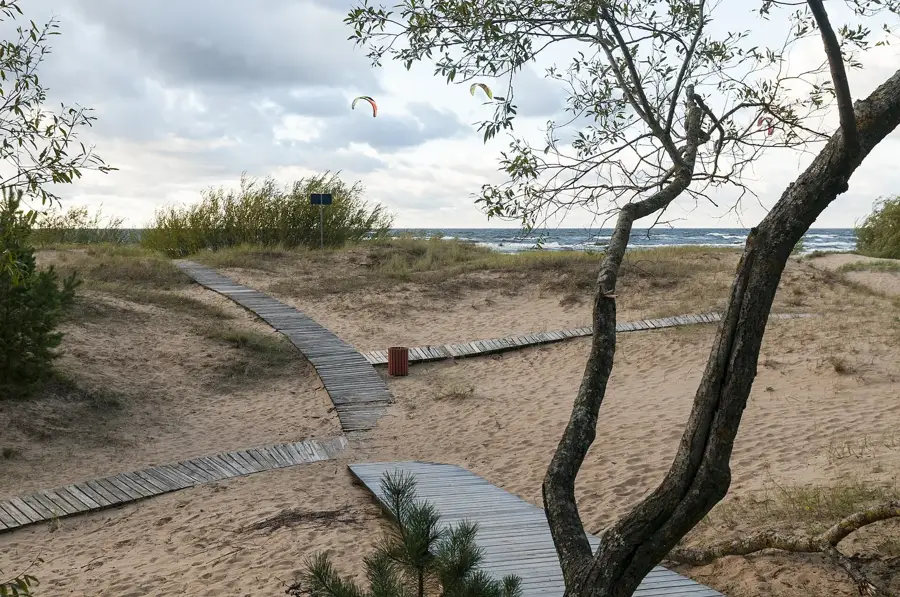
The landscape is characterized by sandy riverbanks, coastal dunes, and flat riverside pathways mixed with urban edge infrastructure. Navigating this area involves walking on loose sand near the water and paved or unpaved paths further inland.
🎒
What to bring
Comfortable walking shoes suitable for both sandy beaches and hard paths are the most practical choice for this varied environment. A windbreaker is generally necessary, as the open expanse where the river meets the sea can be quite windy.
🅿️
Parking
Parking is typically available in the nearby urban neighborhoods or designated lots associated with coastal recreation areas. During warm weekends, finding a spot might require parking further inland and walking towards the river mouth.
⚠️
Safety
Strong water currents are typical where the large river empties into the gulf, making swimming dangerous outside of officially designated zones. Visitors should also respect the delicate ecological zones by staying off protected dune areas.
⏱️
Time needed
Visitors generally spend two to three hours walking along the estuary, watching ships pass, and enjoying the expansive views. A leisurely walk combined with wildlife observation can easily extend the visit to a pleasant half-day outing.

Geography

Coordinates
57.06250, 24.03810

Facts

  • The Mangaļsala mole was constructed between 1850 and 1861.
  • The Daugava is the largest river in the delta, with a total length of 1,020 km.
  • The area is located on the main Baltic bird migration route.
  • Salmon use the mouth annually as a passage to their spawning grounds.
  • The historical Daugavgrīva Fortress guarded the entrance for centuries.
  • Halophilic plants thrive here despite the proximity to the freshwater river.

Explore nearby

Notable places around
Route planner — Car & Motorhome

Where do you start? We build the route here, with stops and country notes along the way.

Vehicle
Only stops with (optional):

© OpenStreetMap contributors · OpenRouteService

Sights in the town Daugava River Mouth (11)

Mangaļsalas pludmale🎡 recreation

Mangaļsalas pludmale, a sandy beach at the Daugava Delta, well-suited for sunbathing.

Zirgu peldvieta🎡 recreation

Zirgu peldvieta, a spot in the Daugava Delta where horses are bathed.

Vecāķu pludmale🎡 recreation

Vecāķi beach is located in the Daugava Delta near Riga.

Daugavgrīvas cietoksnis🛡️ fortress

A historical fortress at the mouth of the Daugava River, originally used to defend Riga.

🕒 Sa-Su 10:00-16:00

Daugavgriva lighthouse📍 landmark

A lighthouse at the mouth of the Daugava River marking the entrance to the port of Riga.

dabas liegums „Vecdaugava”🌿 nature

A nature reserve in the area of the old bed of the Daugava River.

Rietumu mola navigācijas zīme📍 landmark

A navigational beacon on the western pier at the mouth of the Daugava River.

Daugavgrīvas klostera drupas🏺 historical

Archaeological remains of the former Cistercian monastery at the Daugava mouth.

Komētas Forts🛡️ fortress

A historical fort part of the defense system at the Daugava River mouth.

Baznīcas kalns - viduslaiku kapsēta🏺 historical

Archaeological site of a medieval cemetery located on the "Church Hill".

Daugavas grīvas krastu fortifikācijas būvju komplekss🏺 historical

A complex of historical fortifications along the banks of the Daugava estuary.

Sights nearby

Frequently asked questions

Where is the delta?
Where the Daugava flows into the Baltic Sea at Riga.
What can you see in Mangaļsala?
The long pier (mole) and historical fortifications.
Are there beaches there?
Yes, Mangaļsala has wide, quiet sandy beaches.
Are you allowed to walk on the pier?
Yes, it is a popular spot for seaside walks.
What birds live here?
Coastal birds like gulls, terns, and waders.
Daugava River Mouth: where is it located?
Daugava River Mouth is located in Latvia.
Daugava River Mouth: what is there to see?
Highlights include Mangaļsalas pludmale, Zirgu peldvieta, Vecāķu pludmale.
Daugava River Mouth: when is the best time to visit?
The most pleasant time to visit is Jun, Aug.
Daugava River Mouth: why is it worth visiting?

The Daugava river mouth near Riga is a geographically and ecologically sensitive area where Latvia's longest river enters the Baltic Sea.
View on map → The Top 50 Attractions → OpenStreetMap →
Europe
Explore with Plizio Discover more places in Europe
More places in Latvia →

Nearby cities

History & landmarks

More places