Plizio Visual Lab
Plain of Jars
Weather…
Water temperature…
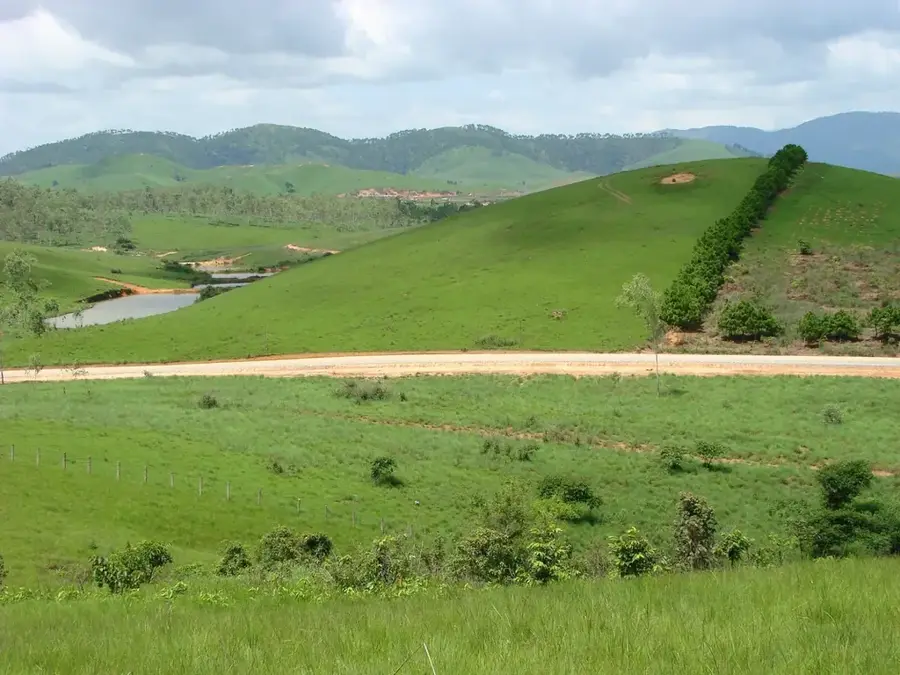
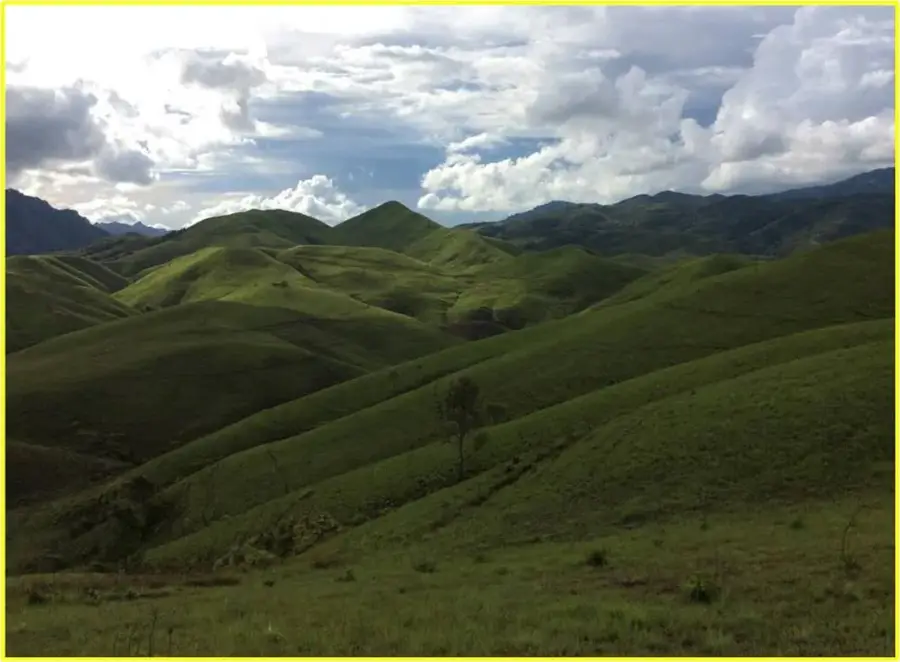
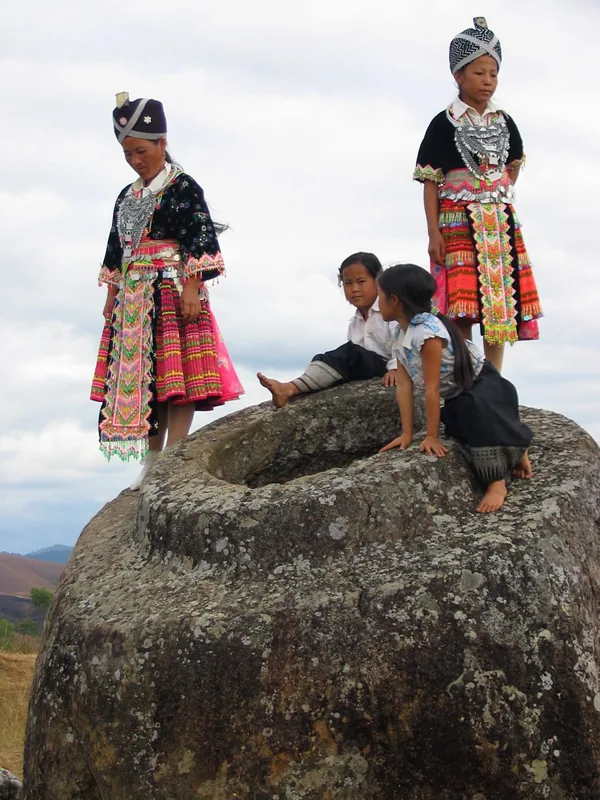
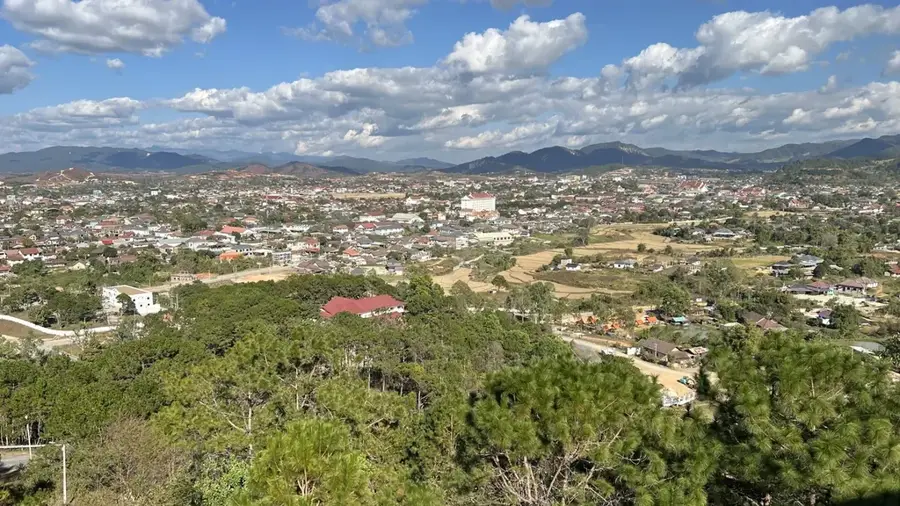
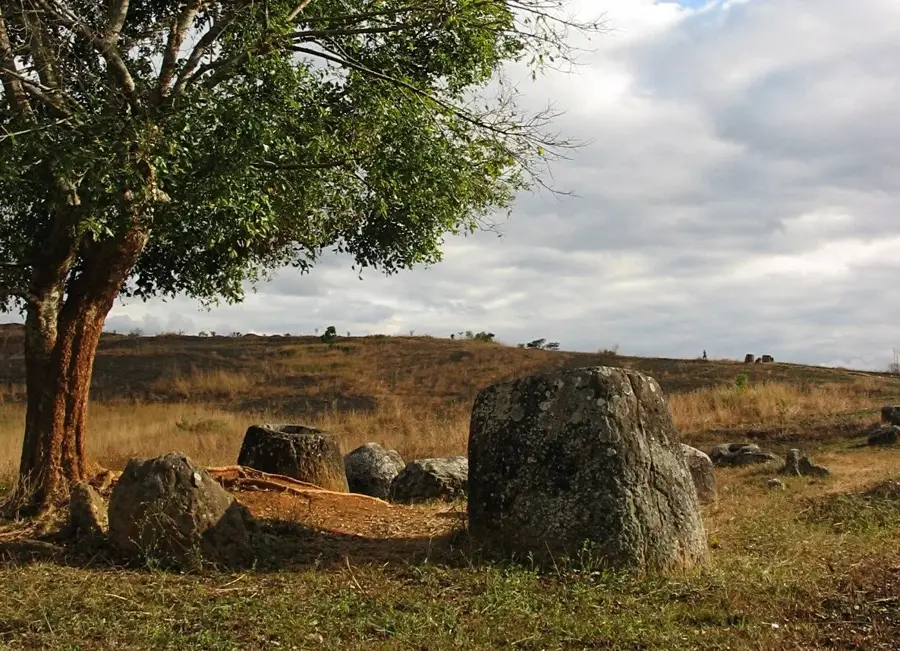
The Plain of Jars is one of Southeast Asia's most significant and enigmatic archaeological sites, located on the central Xiangkhoang Plateau in northern Laos. This UNESCO World Heritage Site comprises thousands of massive stone jars scattered across vast fields and hills, with some specimens reaching up to three meters in height and weighing several tons. Archaeological research suggests that these megalithic structures were created during the Iron Age between 500 BCE and 500 CE, likely used in the context of complex burial rituals. The geographic location on the plateau offered ancient civilizations a temperate climate and strategic control over trade routes. During the Vietnam War, the plain was the most heavily bombed area in the world, resulting in massive contamination with unexploded ordnance that still hampers research and tourism today. Despite this tragic modern history, the landscape with its grassy hills and weathered stone jars emanates a timeless tranquility. Visitors today can tour three main sites that have been painstakingly cleared of mines, offering deep insights into the mortuary practices of a long-vanished culture. The plain remains a central symbol of Laotian cultural identity and a magnet for researchers from around the world.
- Location: Laos
- Nearby: Xaisomboun (20 km)
Best time to visit & climate
The most pleasant time to visit is Feb, Mar, Nov.
| Jan | Feb | Mar | Apr | May | Jun | Jul | Aug | Sep | Oct | Nov | Dec | |
|---|---|---|---|---|---|---|---|---|---|---|---|---|
| Avg °C | 17 | 19 | 21 | 24 | 24 | 24 | 23 | 23 | 22 | 21 | 19 | 16 |
| Rain mm | 11 | 7 | 30 | 59 | 129 | 119 | 191 | 221 | 137 | 63 | 22 | 9 |
📋 Practical info
Geography
Facts
- The plain was officially inscribed on the UNESCO World Heritage List in 2019.
- There are over 90 registered archaeological sites throughout the province.
- The largest stone container is estimated to weigh approximately 14 tons.
- The jars were mostly carved from sandstone, granite, or limestone.
- Grave goods such as ceramics and glass beads were often found near the jars.
- Military clearance teams have so far cleared only a fraction of the plain of mines.
Explore nearby
Notable places around
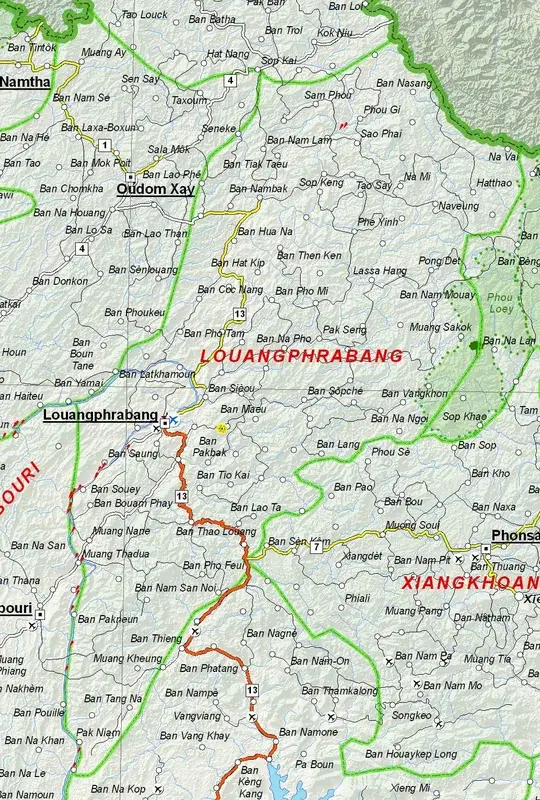
Route planner — Car & Motorhome
Where do you start? We build the route here, with stops and country notes along the way.
© OpenStreetMap contributors · OpenRouteService
Sights in the town Plain of Jars (1)
Sights nearby
Frequently asked questions
What is the Plain of Jars?
How many sites can be visited?
How old are the stone jars?
Is the visit safe?
How do you get to the Plain of Jars?
Plain of Jars: where is it located?
Plain of Jars: when is the best time to visit?
Plain of Jars: why is it worth visiting?
Nearby cities
History & landmarks
Nature
More places