Plizio Visual Lab
Plain of Jars
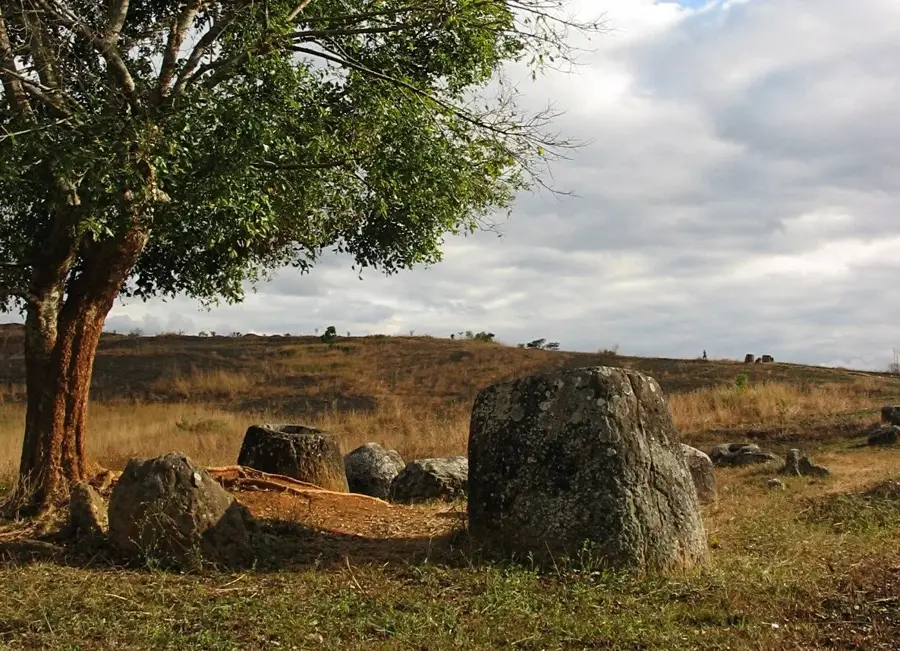
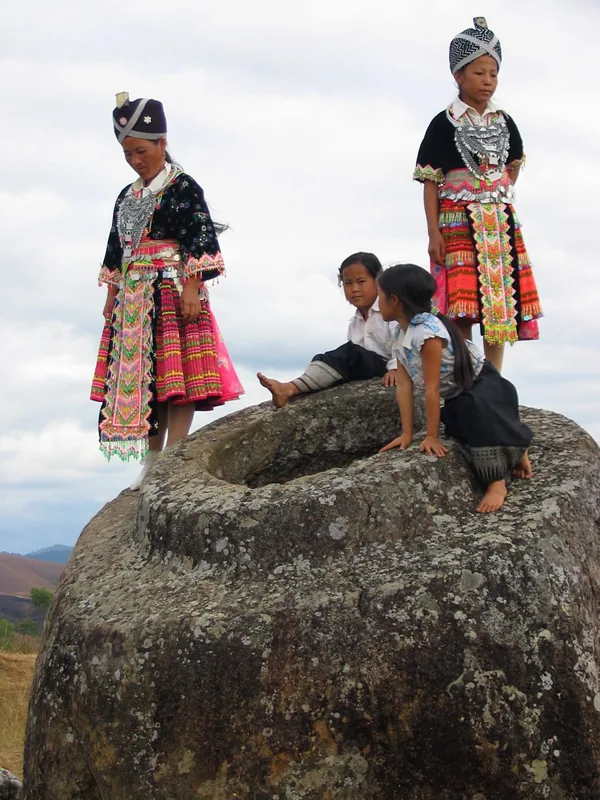
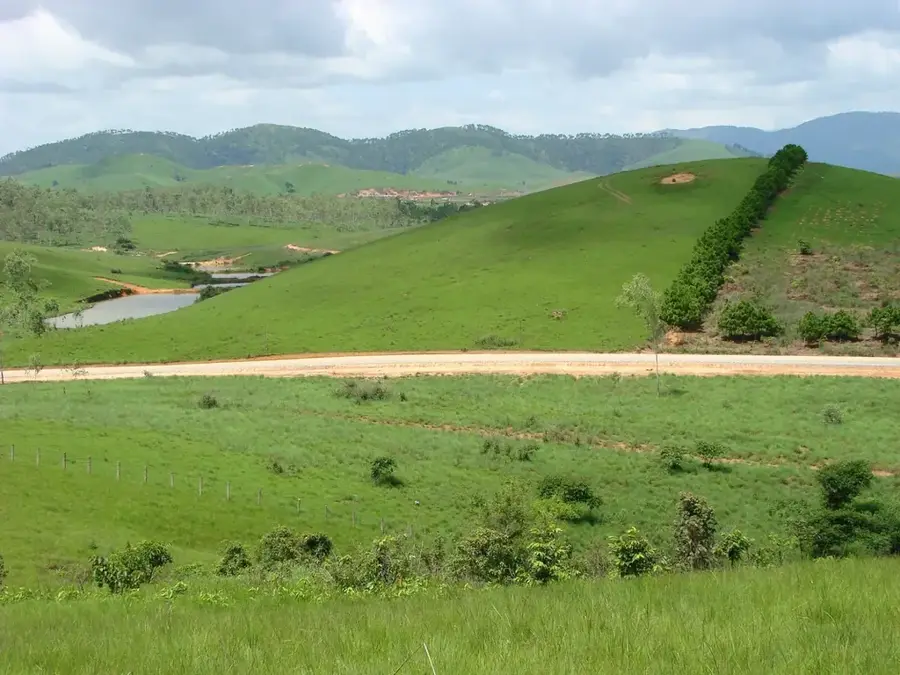
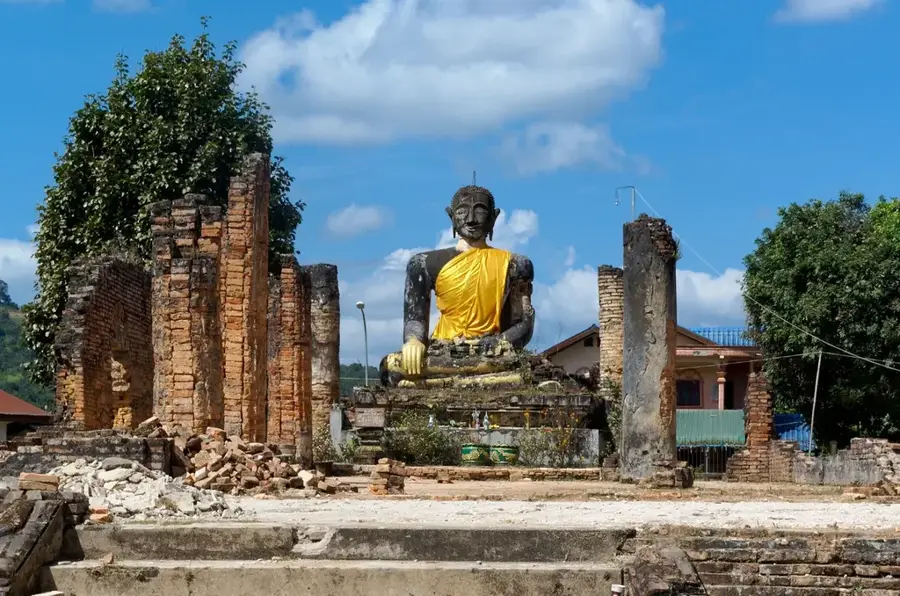
The Plain of Jars in Xiangkhouang Province is one of Southeast Asia's most enigmatic archaeological puzzles. Thousands of stone jars, ranging from one to three meters in height, are scattered across dozens of sites on a central plateau. Dated to the Iron Age (500 BCE to 500 CE), these megalithic structures are believed to have been used for ancient funerary practices, though many questions about their creators remain unanswered. Visitors typically explore the three most accessible locations: Site 1, 2, and 3. Site 1 is the largest, featuring hundreds of jars and a natural cave that may have served as a crematorium. The landscape is also a somber reminder of the 'Secret War,' with bomb craters still visible among the ancient artifacts. Travelers must strictly follow marked paths, as unexploded ordnance (UXO) remains a significant concern in the region. The town of Phonsavan acts as the main hub, offering local dishes and information about the ongoing UXO clearing efforts. The best time to visit is during the dry season from November to March when the hills are accessible and visibility is high. Reaching the Plain of Jars involves a flight to Phonsavan or a long, scenic road journey from Luang Prabang or Vientiane. Inscribed as a UNESCO World Heritage site in 2019, the Plain of Jars gives a powerful combination of ancient mystery and modern historical significance. Walking among these silent stone giants provides a unique perspective on the long and complex history of Laos. It is an essential destination for anyone fascinated by archaeology and the enduring mysteries of vanished civilizations.
- Location: Laos
- Top sights: Plain of Jars Site 1 · Plain of Jars Site 1 (Thong Hai Hin)
- Nearby: Xaisomboun (15 km)
- Population: ~37.507 (2026)
Best time to visit & climate
The most pleasant time to visit is Feb, Mar, Nov.
| Jan | Feb | Mar | Apr | May | Jun | Jul | Aug | Sep | Oct | Nov | Dec | |
|---|---|---|---|---|---|---|---|---|---|---|---|---|
| Avg °C | 17 | 19 | 21 | 24 | 24 | 24 | 23 | 23 | 22 | 21 | 19 | 16 |
| Rain mm | 11 | 7 | 30 | 59 | 129 | 119 | 191 | 221 | 137 | 63 | 22 | 9 |
📋 Practical info
Geography
Facts
- UNESCO World Heritage site
- Thousands of megalithic jars
- Dating to the Iron Age
- Ancient funerary use
- Heavily bombed landscape
- Site 1 is the largest area
- Phonsavan is the main hub
- Follow marked paths (UXO)
Explore nearby
Notable places around

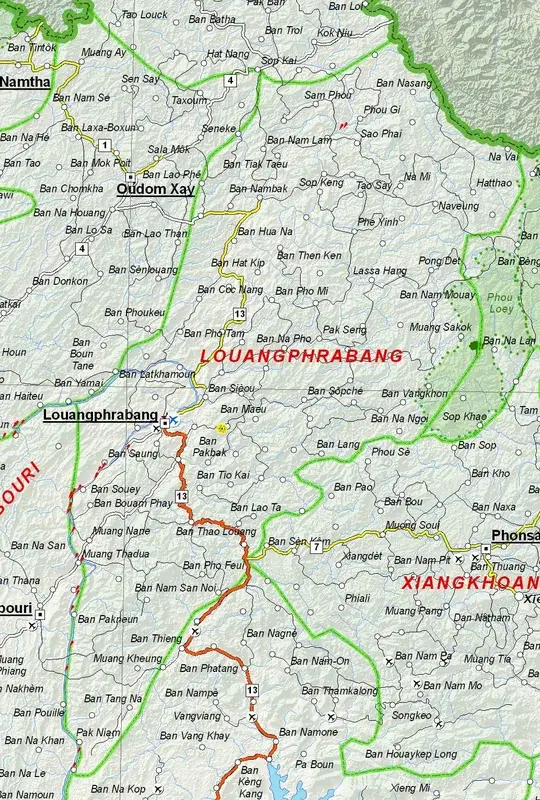
Route planner — Car & Motorhome
Where do you start? We build the route here, with stops and country notes along the way.
© OpenStreetMap contributors · OpenRouteService
Sights in the town Plain of Jars (2)
Sights nearby
Frequently asked questions
Plain of Jars: where is it located?
Plain of Jars: what is there to see?
Plain of Jars: when is the best time to visit?
Plain of Jars: why is it worth visiting?

Nearby cities

History & landmarks
Nature

More places