Plizio Visual Lab

Wat Phia Wat Ruins
Plizio editorial teamData Sources
ruin
—°1
Wat Phia Wat Ruins (Laos)

Weather…

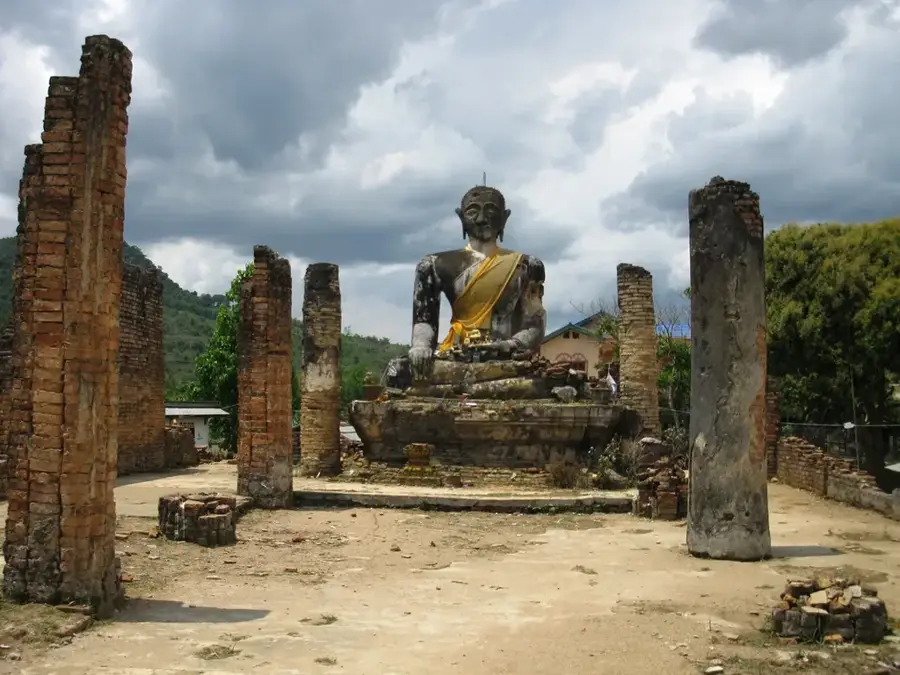
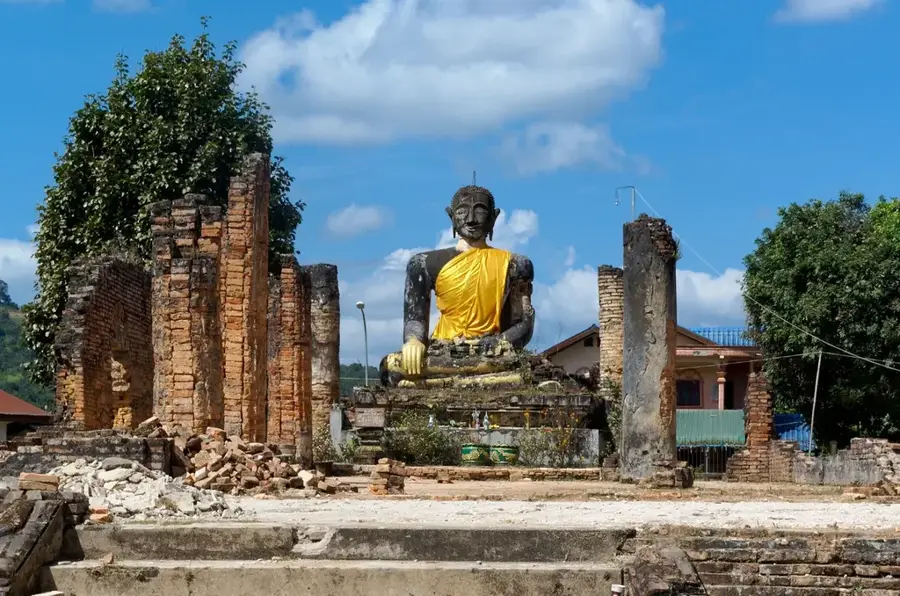
The ruins of Wat Phia Wat are located in the former provincial capital of Muang Khoun in Xieng Khouang Province, serving as a poignant reminder of the destruction during the Second Indochina War. Originally constructed in the 16th century during the Lan Xang era, the monastery was almost entirely leveled by heavy US aerial bombing in 1969. The most striking feature of the site is the monumental seated Buddha statue, which miraculously remained on its pedestal while the surrounding walls and columns of the viharn collapsed. The statue bears visible scars from fire and shrapnel, making it a powerful symbol of resilience and the enduring nature of faith. Today, the ruins are a significant historical landmark that draws visitors reflecting on Laos's 20th-century history. The surviving brick pillars standing against the open sky provide a hauntingly beautiful backdrop to the weathered Buddha figure.

Best time to visit & climate

The most pleasant time to visit is Feb, Mar, Nov.

JanFebMarAprMayJunJulAugSepOctNovDec
Avg °C151821232424232322201815
Rain mm1383157126108174219166983012

📋 Practical info

🚪
Visiting
Visitors can walk freely around the evocative remains of this historic site, which consist primarily of a striking, large seated Buddha statue. The surrounding temple walls have been entirely lost to past conflicts, leaving the impressive figure fully exposed to the elements.
🕒
Typical hours
The open nature of the ruins means they are typically accessible throughout the daylight hours without strict gating or official schedules. Visiting during the early morning or late afternoon often provides the best lighting and a deeply peaceful environment.
📷
Photography
The stark contrast between the serene, largely intact Buddha face and the heavily damaged brick body makes for profoundly striking photographs. Respectful photography is encouraged, especially capturing the statue framed by the natural landscape that now surrounds it.
⏱️
Time needed
A typical visit lasts around twenty to thirty minutes, which is usually sufficient to walk around the statue, take photographs, and read any available historical plaques. The site is relatively compact, focusing entirely on the main surviving central figure.
Combine with
A visit to this striking remnant is commonly combined with exploring other historical remnants in Muang Khoun, the former provincial capital. Nearby ancient stupas and colonial-era ruins provide a broader context of the region's rich and turbulent history.
🧭
Getting there
The ruins are situated in Muang Khoun, which is generally accessed by taking a bus, taxi, or rented motorbike from the nearby city of Phonsavan. The roads are mostly paved, but the final approach involves walking on uneven ground requiring comfortable walking shoes.
💡
Insider tip
Even though the original temple structure is gone, the Buddha remains deeply sacred to the local community, so conservative dress is highly recommended. It is considered deeply disrespectful to climb on the statue or the surviving base for any reason, including taking photographs.

Geography

Coordinates
19.32700, 103.36300

Facts

  • The temple was originally founded in 1564 during the reign of King Sayasetthathirath.
  • The destruction by US bombers occurred during intensified military operations in 1969.
  • The remaining large Buddha statue is approximately 10 meters tall and faces eastward.
  • Muang Khoun served as the historical capital of the Phuan Kingdom before its destruction.
  • Despite its ruined state, the site continues to be used actively for Buddhist prayers.
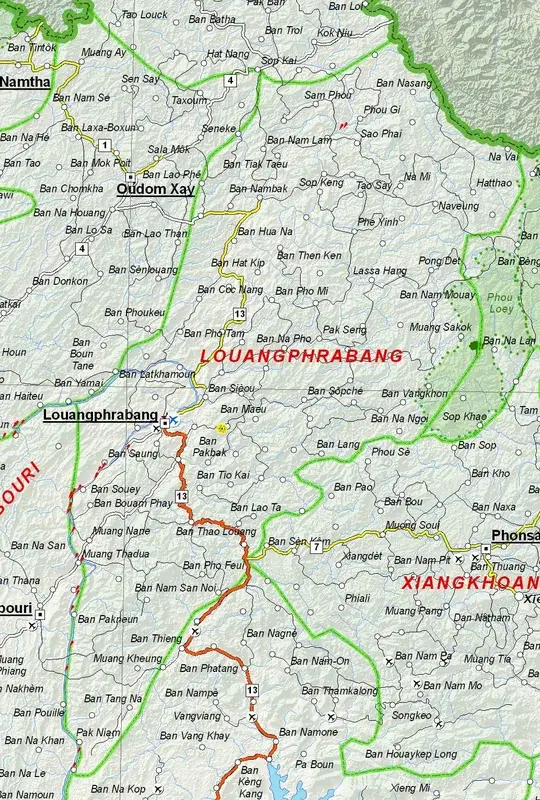
  • The ruins are situated about 30 kilometers southeast of the current provincial capital, Phonsavan.

Explore nearby

Notable places around
Route planner — Car & Motorhome

Where do you start? We build the route here, with stops and country notes along the way.

Vehicle
Only stops with (optional):

© OpenStreetMap contributors · OpenRouteService

Sights in the town Wat Phia Wat Ruins (1)

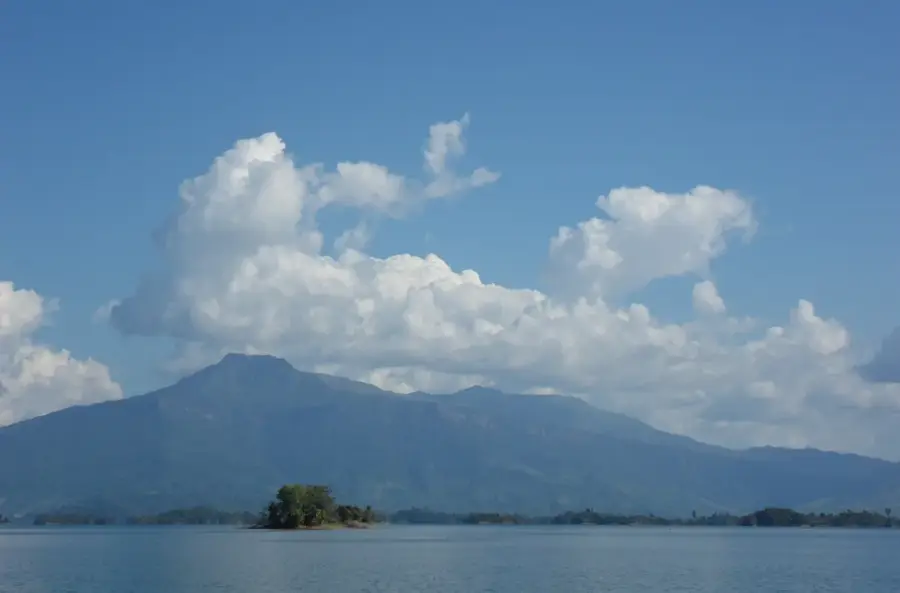
Phou Khè🌿 nature

A high mountain peak in the province known for its cool climate and forested slopes.

Sights nearby

Frequently asked questions

What makes Wat Phia Wat so special?
The ruin houses a massive Buddha statue that remained standing despite heavy US bombing raids.
What does the damaged Buddha statue symbolize?
It is seen as a symbol of the resilience of the Lao people and the devastating consequences of the war.
From what period does the temple originally date?
The history of the site dates back to the 14th century, when Muang Khoun was the center of the region.
Are there other structures preserved on site?
Besides the Buddha, only the stone pillars and foundations of the former prayer hall (Sim) are visible.
Are there entry fees for Wat Phia Wat?
A small fee of about 10,000 Kip is often collected, used for the preservation of the ruin.
Wat Phia Wat Ruins: where is it located?
Wat Phia Wat Ruins is located in Laos.
Wat Phia Wat Ruins: when is the best time to visit?
The most pleasant time to visit is Feb, Mar, Nov.
Wat Phia Wat Ruins: why is it worth visiting?

The ruins of Wat Phia Wat are located in the former provincial capital of Muang Khoun in Xieng Khouang Province, serving as a poignant reminder of the destruction during the Second Indochina War.
View on map → The Top 50 Attractions → OpenStreetMap →
Asia
Explore with Plizio Discover more places in Asia
More places in Laos →

Nearby cities

History & landmarks
Nature
More places