Plizio Visual Lab

Old Muang Khoun Ruins
Plizio editorial teamData Sources
ruin
—°1
Old Muang Khoun Ruins (Laos)

Weather…

Muang Khoun, once the gleaming capital of the ancient Phuan Kingdom, today harbors impressive ruins that reflect a turbulent history. The kingdom flourished in the 16th century and was renowned for its magnificent temples and the wealth generated through regional trade. In the late 19th century, the city was repeatedly plundered by marauding Haw rebels from China, who destroyed many of the shrines in search of hidden gold. The final devastation of the historic city occurred during the Second Indochina War, when American carpet bombing leveled the remaining structures. Today, only massive chedis, such as the weathered That Foun, rise into the sky, serving as silent memorials to the devastation.

Best time to visit & climate

The most pleasant time to visit is Feb, Mar, Nov.

JanFebMarAprMayJunJulAugSepOctNovDec
Avg °C151821232424232322201815
Rain mm1383157126108174219166983012

📋 Practical info

🚪
Visiting
Visitors can freely explore the atmospheric outdoor ruins of the old capital, which offer a somber yet fascinating glimpse into the past. The remains are scattered across the landscape, allowing for a quiet and contemplative walk among the historic structures.
🕒
Typical hours
The open-air sites are usually accessible throughout the daylight hours without formal restrictions, making them easy to visit at your convenience. Arriving in the late afternoon often provides softer light and a cooler, more comfortable environment for exploration.
📷
Photography
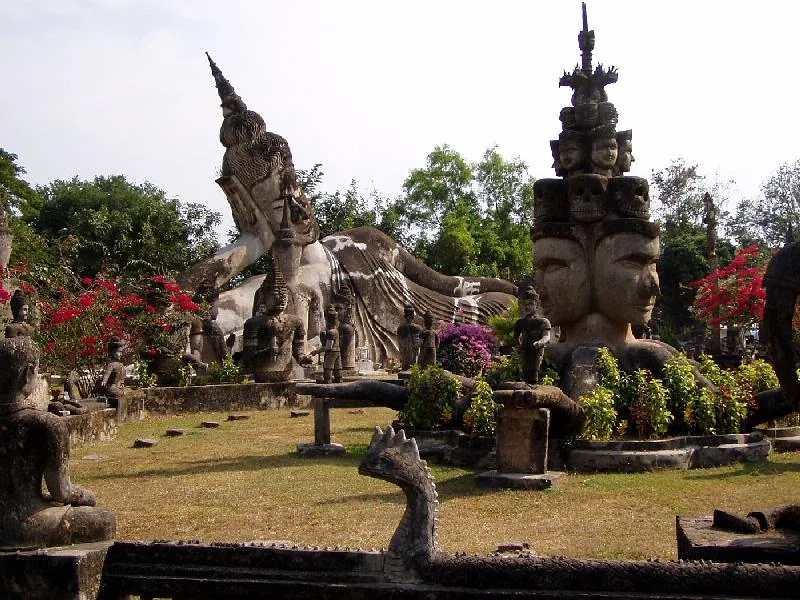
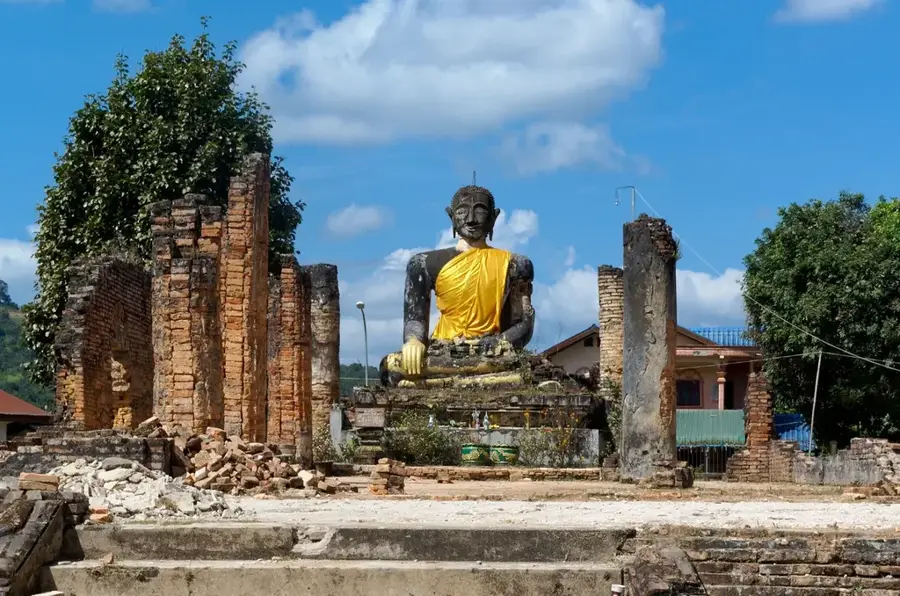
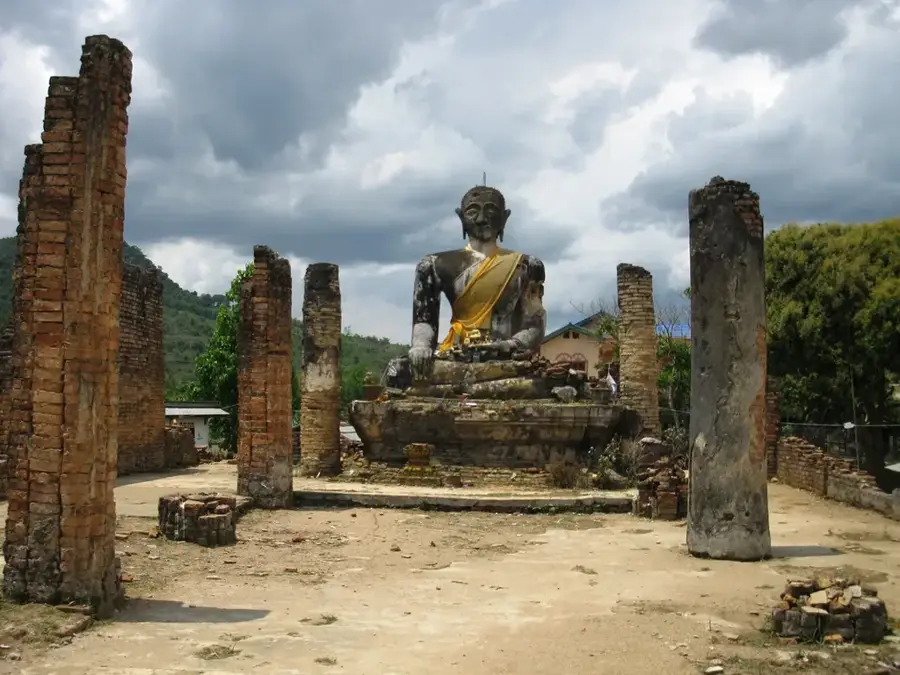
The contrast between the battle-scarred brickwork and the encroaching tropical nature makes for compelling and emotionally resonant photography. The iconic Buddha statue sitting among the ruined pillars is the most photographed spot and is particularly striking in the afternoon sun.
⏱️
Time needed
A comprehensive visit to the various scattered ruins typically takes around one to two hours, depending on your level of interest in the region's history. It is a compact but impactful site that can easily be slotted into a broader regional itinerary.
Combine with
These poignant ruins are frequently combined with a trip to the nearby Plain of Jars, providing a complete overview of the province's ancient and modern historical timelines. You can also explore the small modern town that has grown up around the remnants.
🧭
Getting there
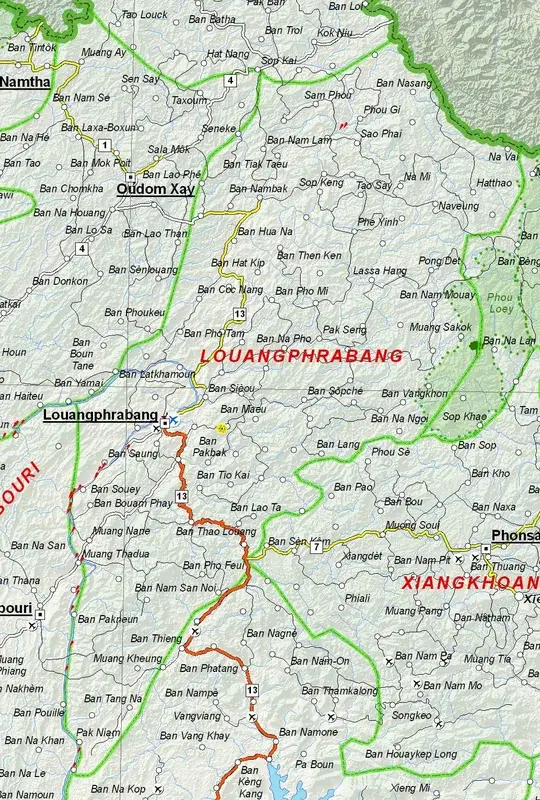
The ruins are located just a short distance from the provincial capital of Phonsavan, easily reachable by hiring a tuk-tuk, scooter, or private taxi for the brief journey. The roads are generally paved and offer a straightforward route to the historical site.
💡
Insider tip
While the main pathways are safe, it is strictly advised to stay on well-marked trails due to the tragic legacy of unexploded ordnance in the broader Xieng Khouang area. Taking a moment to read up on the Secret War beforehand will profoundly deepen your appreciation of the site.

Geography

Coordinates
19.32800, 103.36400

Facts

  • Former royal capital of the historic Phuan Kingdom
  • Experienced a golden age of cultural flourishing in the 16th century
  • Plundered by Chinese Haw bandits in the 19th century
  • Heavily bombed and leveled during the 'Secret War'
  • Home to the massive, partially ruined stupa That Foun
  • Largely abandoned by residents following the severe bombing raids

Explore nearby

Notable places around

Route planner — Car & Motorhome

Where do you start? We build the route here, with stops and country notes along the way.

Vehicle
Only stops with (optional):

© OpenStreetMap contributors · OpenRouteService

Sights in the town Old Muang Khoun Ruins (1)

Vat Phiavat📍 landmark

These temple ruins feature a striking, large sitting Buddha statue that remarkably survived extensive bombings during the Secret War.

Sights nearby

Frequently asked questions

What is the history of Muang Khoun?
It was the former capital of the Phuan kingdom before it was almost completely destroyed during the Indochina War.
What is the main attraction of the ruins?
The That Foun stupa and the remains of Wat Phia Wat with its impressive, damaged Buddha statue.
How old is the That Foun stupa?
The brick stupa likely dates back to the 16th century and is said to contain relics of Buddha brought from India.
Why was the city so heavily bombed?
Due to its strategic location and the presence of Pathet Lao troops during the conflict in the 1960s.
Can the site be visited from Phonsavan?
Yes, Muang Khoun is located only about 30 kilometers southeast of Phonsavan and is a popular day trip.
Old Muang Khoun Ruins: where is it located?
Old Muang Khoun Ruins is located in Laos.
Old Muang Khoun Ruins: when is the best time to visit?
The most pleasant time to visit is Feb, Mar, Nov.
Old Muang Khoun Ruins: why is it worth visiting?
Muang Khoun, once the gleaming capital of the ancient Phuan Kingdom, today harbors impressive ruins that reflect a turbulent history.
View on map → The Top 50 Attractions → OpenStreetMap →
Asia
Explore with Plizio Discover more places in Asia
More places in Laos →

Nearby cities

History & landmarks
Nature
More places