Plizio Visual Lab

Jal Al-Zor Escarpment
Plizio editorial teamData Sources
Mountain
—°3
Jal Al-Zor Escarpment (Kuwait)

Weather…

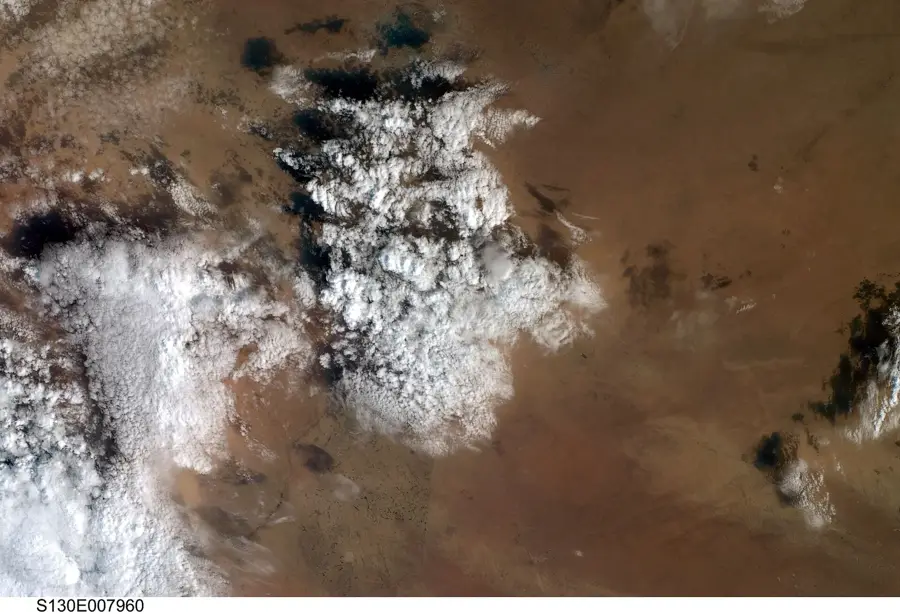
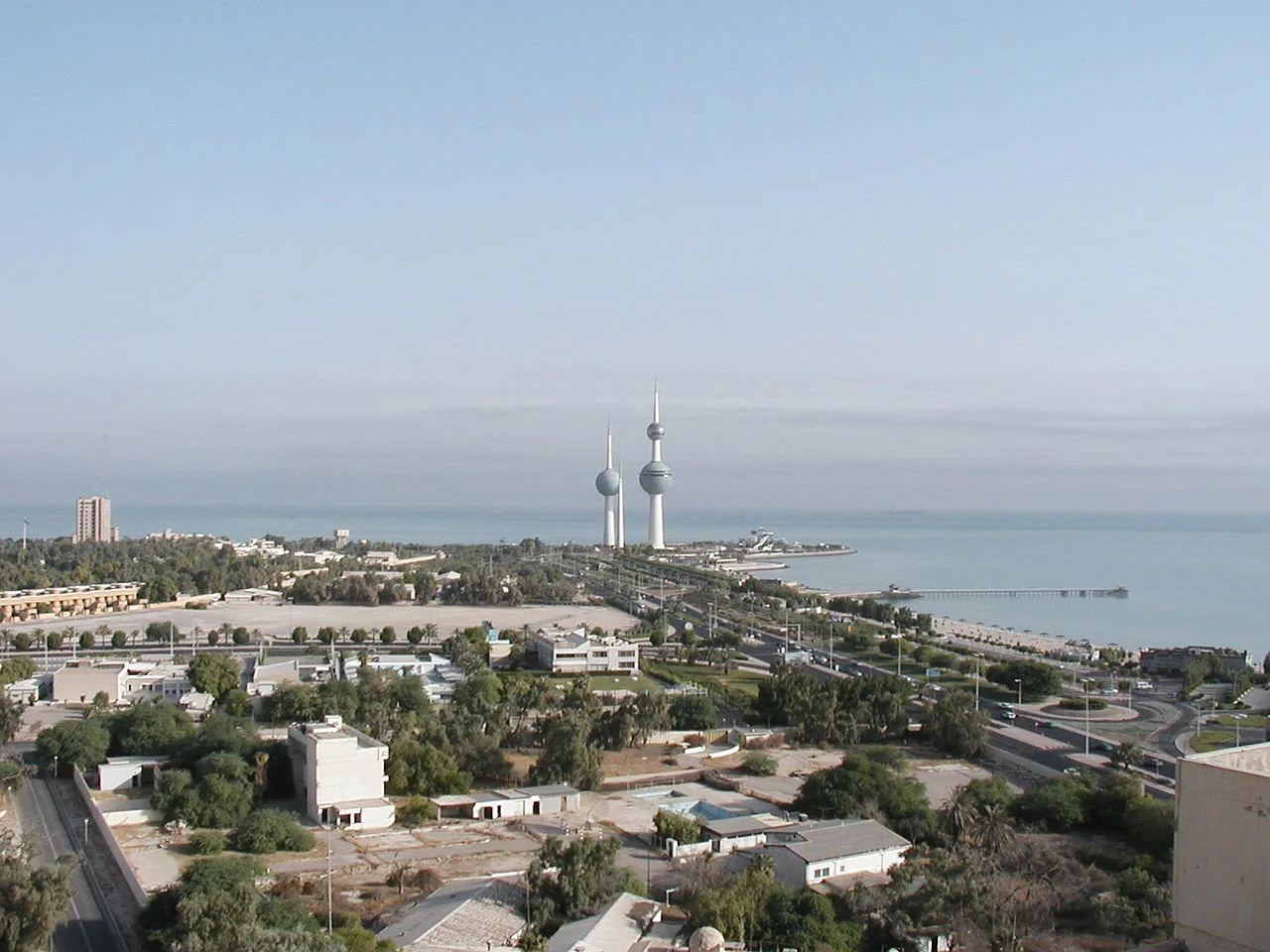
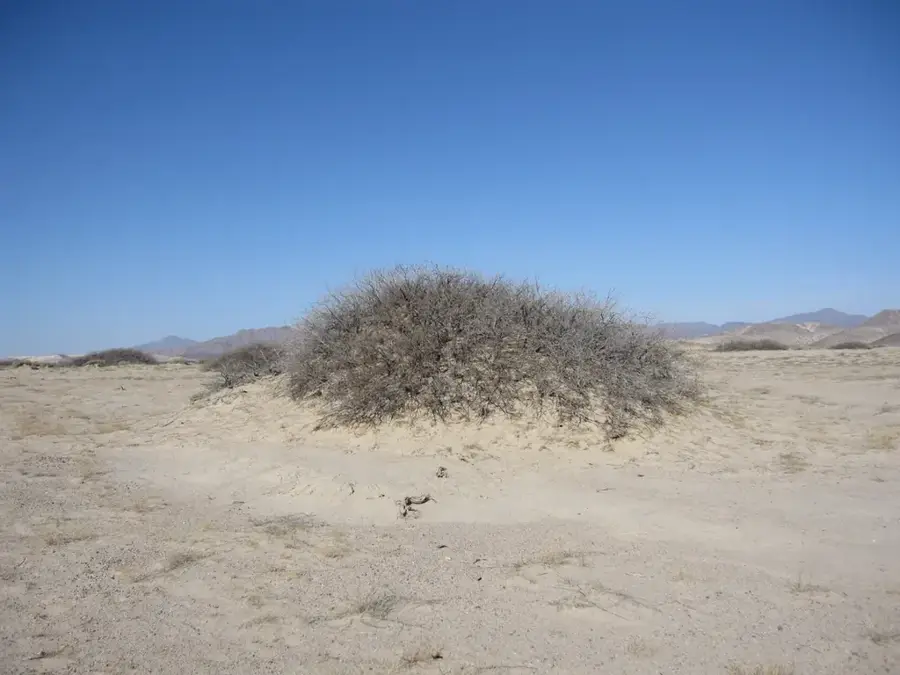
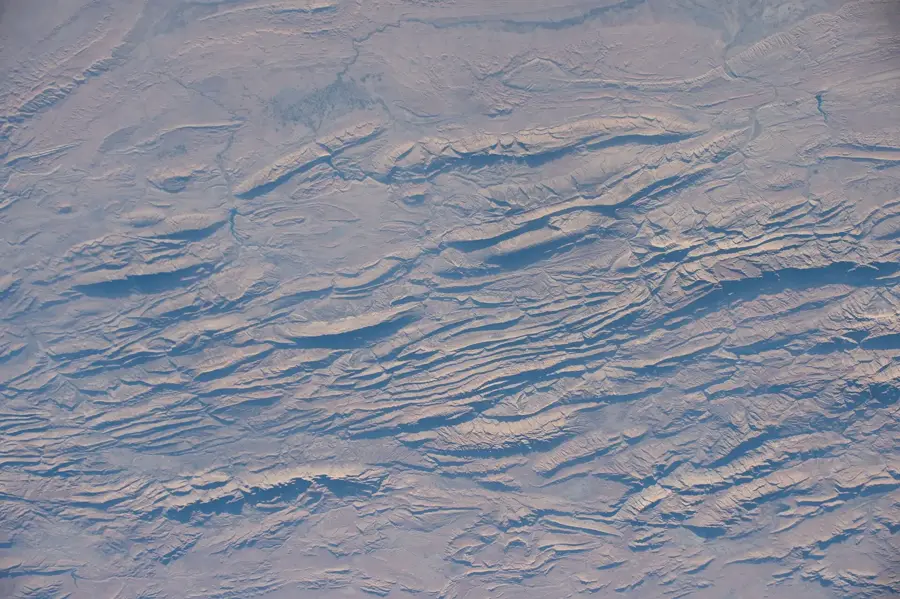
The Jal Al-Zor Escarpment is a defining geological feature of Kuwait, stretching as a formidable limestone ridge for approximately 60 kilometers along the northern fringes of Kuwait Bay. Reaching an elevation of up to 145 meters above sea level, it stands in stark contrast to the surrounding flat desert plains. Geologically, the escarpment is primarily composed of Eocene limestone and sandstone layers, showcasing millions of years of sedimentary history and wind erosion. The area is a vital ecological corridor, particularly for migratory birds of prey like eagles and falcons, which utilize the updrafts generated by the cliff face during their seasonal journeys. Beyond its biological significance, the ridge provides panoramic views of the bay and the distant skyline of Kuwait City. It is a favored destination for local naturalists and hikers during the cooler months, when the desert flora blooms briefly, transforming the arid landscape into a unique mosaic of life and stark geological beauty.

Best time to visit & climate

The most pleasant time to visit is Mar, Apr, Nov.

JanFebMarAprMayJunJulAugSepOctNovDec
Avg °C121520263236383834292014
Rain mm983510000146

📋 Practical info

🧭
Getting there
Reaching this extensive escarpment typically involves taking the main highways north from Kuwait City towards the coastal bay area. While paved roads bring you close, exploring the actual ridge usually requires navigating unpaved desert tracks with an appropriate vehicle.
📅
Best season
The winter months from November to March offer the most pleasant weather for exploring the area without the risk of extreme heat exhaustion. During the peak summer, the barren environment has no relief from the intense sun, making outdoor activities highly unadvisable.
⛰️
Terrain & paths
The escarpment is characterized by a long, prominent limestone ridge that rises sharply from the surrounding coastal plains up to 145 meters. The ground is dry, rocky, and steep in many places, meaning visitors should be prepared for uneven walking surfaces and loose gravel.
🎒
What to bring
Visitors should prioritize excellent sun protection, including long layers, sunglasses, and hats, as the exposed environment features zero natural shade. Solid footwear with good grip is necessary for the rocky paths, and carrying a very generous supply of drinking water is mandatory.
🅿️
Parking
Parking is typically informal, with most travelers stopping their vehicles on flat, stable patches of desert dirt near their chosen access points. Avoid driving onto the softer sand closer to the shore unless you possess specific off-road recovery equipment and experience.
⚠️
Safety
The combination of extreme sun exposure and isolation makes dehydration and heatstroke the primary safety risks for any visitor. Stay well back from the abrupt edges of the escarpment, as the rocks can be unstable, and remain vigilant for desert wildlife like scorpions.
⏱️
Time needed
Exploring a section of the lengthy 60-kilometer ridge typically takes two to four hours, depending on how far you wish to hike. A full day is usually needed if you plan to drive along the wider area and stop at various viewpoints overlooking Kuwait Bay.

Geography

Coordinates
29.45000, 47.70000

Facts

  • Escarpment height: 145 m (476 ft) above sea level at its highest point
  • Length: 80 km (50 mi) along the northeastern coast
  • Age: Miocene epoch, approximately 23–5 million years old
  • Distance from Kuwait City: 60 km (37 mi) northeast
  • Annual rainfall: less than 100 mm (3.9 in)
  • Oil fields nearby: Burgan field, one of the world's largest, located 20 km southwest

Explore nearby

Notable places around

Route planner — Car & Motorhome

Where do you start? We build the route here, with stops and country notes along the way.

Vehicle
Only stops with (optional):

© OpenStreetMap contributors · OpenRouteService

Sights in the town Jal Al-Zor Escarpment (3)

ROAD-U🌿 nature

An elevated spot on the Jal Al-Zor ridge providing a wide view across the desert landscape to the north.

ROAD-G🌿 nature

This roadside observation point has a clear view of the geological formations of the Jal Al-Zor escarpment.

ROAD-T🌿 nature

A high vantage point from which, on clear days, one can glimpse the silhouette of Kuwait City on the horizon.

Sights nearby

Frequently asked questions

What is Jal al-Zor?
It is an escarpment up to 145 meters high that provides an expansive view over Kuwait Bay.
Can you go hiking there?
Yes, it is one of the few places in Kuwait for light hiking and climbing, especially in the cooler winter months.
Are there wild animals there?
You can spot desert foxes, lizards, and various birds of prey nesting in the rocky crevices.
Is the drive up steep?
Some tracks are steep and rocky. A high-clearance vehicle is necessary for off-road exploration.
Do you need a permit to visit?
No permit is needed for most of the area, but parts belong to the national park and have access rules.
Jal Al-Zor Escarpment: where is it located?
Jal Al-Zor Escarpment is located in Kuwait.
Jal Al-Zor Escarpment: what is there to see?
Highlights include ROAD-U, ROAD-G, ROAD-T.
Jal Al-Zor Escarpment: when is the best time to visit?
The most pleasant time to visit is Mar, Apr, Nov.
Jal Al-Zor Escarpment: why is it worth visiting?

The Jal Al-Zor Escarpment is a defining geological feature of Kuwait, stretching as a formidable limestone ridge for approximately 60 kilometers along the northern fringes of Kuwait Bay.
View on map → The Top 50 Attractions → OpenStreetMap →
Asia
Explore with Plizio Discover more places in Asia
More places in Kuwait →

History & landmarks

Nature

More places