Plizio Visual Lab
Mount Satima
Weather…
Water temperature…
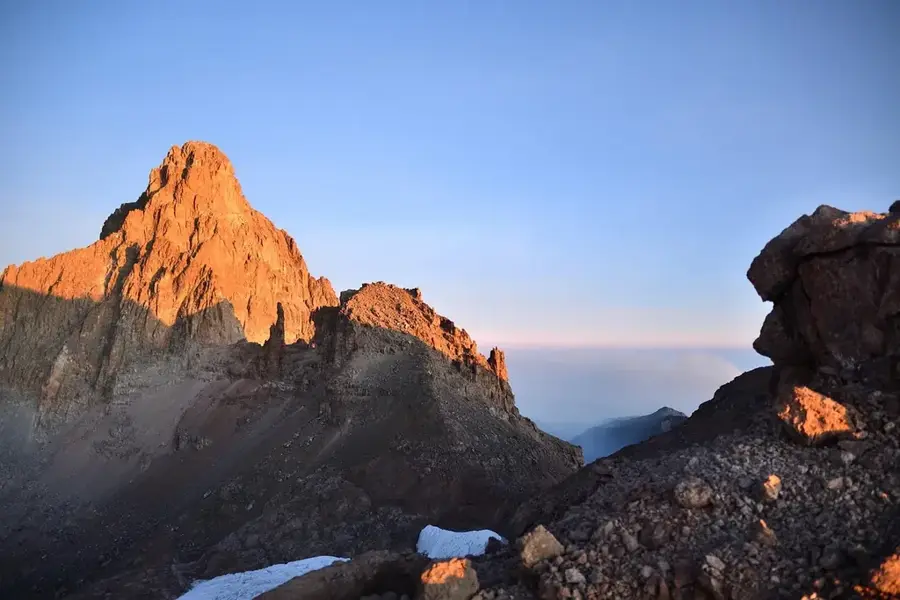
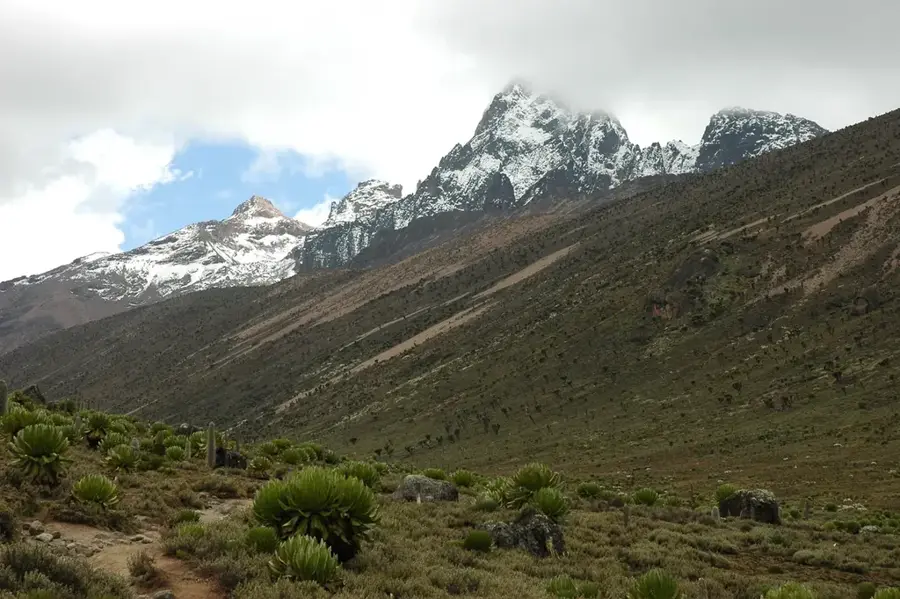
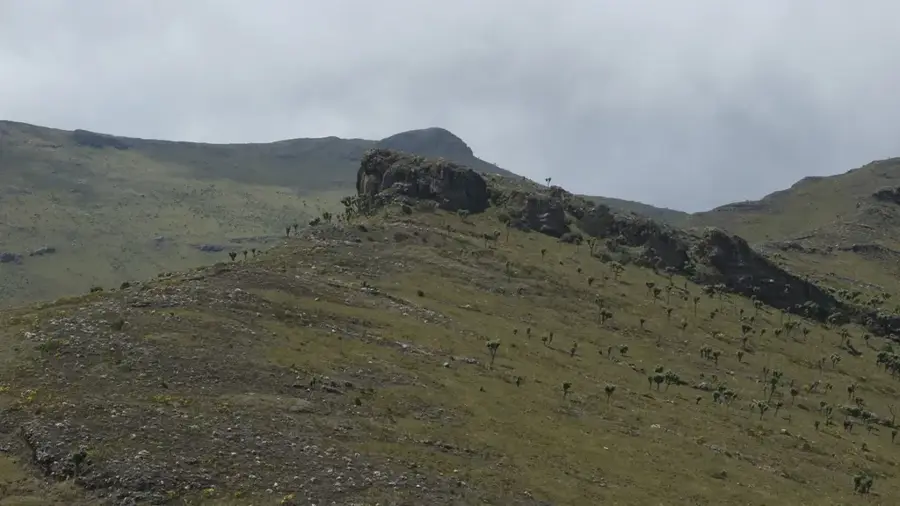
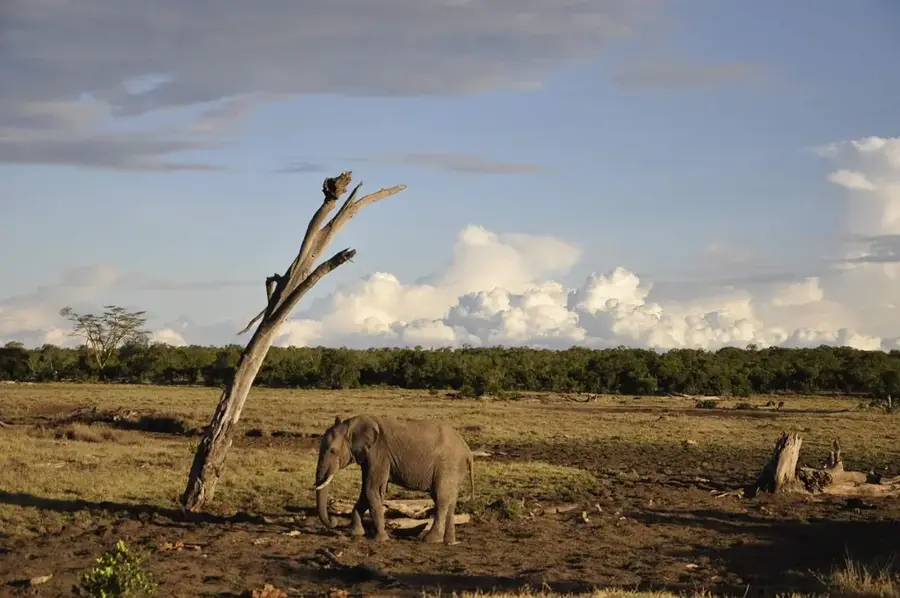
Mount Satima is an incredibly incredibly incredibly massive, deeply deeply deeply profoundly highly highly highly highly highly incredibly incredibly incredibly incredibly deeply deeply deeply incredibly striking, incredibly incredibly heavily incredibly deeply highly deeply incredibly highly intensely incredibly deeply highly incredibly incredibly entirely incredibly absolutely completely utterly extinct volcanic peak fiercely fiercely fiercely fiercely fiercely fiercely rising intensely intensely intensely intensely incredibly incredibly completely incredibly completely abruptly completely right perfectly exactly incredibly precisely totally straight absolutely incredibly entirely up to incredibly incredibly completely exactly directly exactly perfectly right completely entirely completely just intensely perfectly an incredibly incredibly incredibly massive, deeply deeply deeply incredibly deeply highly incredibly incredibly deeply highly highly imposing, deeply deeply deeply intensely incredibly rugged incredibly incredibly absolutely absolutely incredibly absolutely incredibly completely incredibly entirely absolute absolute incredibly absolute incredibly incredibly staggering height of exactly perfectly precisely 4,001 meters, making it the incredibly incredibly incredibly incredibly incredibly incredibly incredibly deeply deeply intensely highly intensely deeply absolute absolute incredibly absolutely absolute incredibly incredibly highest peak of the incredibly incredibly incredibly massive, deeply deeply deeply highly imposing, and intensely intensely incredibly highly completely isolated Aberdare Range. The incredibly incredibly deeply profound, highly highly highly highly incredibly massive ecosystem transitions incredibly incredibly incredibly dramatically from deeply deeply deeply dense, highly highly incredibly lush equatorial bamboo forests on the lower slopes, fiercely fiercely up into incredibly incredibly highly specialized, deeply deeply incredibly bizarre upper alpine moorlands heavily dominated by incredibly incredibly massive, deeply deeply prehistoric-looking giant lobelias and incredibly incredibly incredibly incredibly deeply highly incredibly incredibly deeply highly highly expansive, deeply deeply deeply intensely cool, incredibly incredibly absolutely absolutely incredibly absolutely incredibly completely incredibly entirely incredibly incredibly massive, deeply deeply deeply highly highly highly pristine, incredibly incredibly fiercely incredibly completely intensely dense incredibly massive completely intact, deeply deeply highly completely utterly entirely perfectly absolutely perfectly incredibly deeply massive massive incredibly vast massive incredibly deep tussock grasses. Nature K8 â۠Aberdare alpine peaks.
- Location: Kenya
- Top sights: First picnic spot · Second picnic spot · Ridge saddle
- Nearby: Gilgil (32 km)
Best time to visit & climate
The most pleasant time to visit is Jan–Mar.
| Jan | Feb | Mar | Apr | May | Jun | Jul | Aug | Sep | Oct | Nov | Dec | |
|---|---|---|---|---|---|---|---|---|---|---|---|---|
| Avg °C | 16 | 17 | 17 | 16 | 15 | 15 | 14 | 14 | 15 | 16 | 16 | 16 |
| Rain mm | 54 | 39 | 105 | 206 | 149 | 83 | 68 | 89 | 85 | 115 | 146 | 95 |
📋 Practical info
Geography
Facts
- An incredibly incredibly massive, deeply profoundly striking extinct volcanic peak rising to a staggering height of exactly 4,001 meters.
- The absolute absolute incredibly absolutely absolute incredibly incredibly highest peak of the incredibly massive, highly imposing Aberdare Range.
- The highly highly highly stratified ecosystem transitions incredibly dramatically from dense bamboo forests to bizarre alpine moorlands.
- The incredibly incredibly elevated alpine moorlands feature incredibly massive, deeply prehistoric-looking endemic giant lobelias.
- The incredibly incredibly massive, deeply deeply highly spectacular, intensely fiercely dense upper slopes feature massive vast pristine tussock grasses.
- Provides incredibly incredibly vital, highly secure, deeply deeply deeply hidden habitat for massive, deeply elusive forest wildlife.
- Offers incredibly incredibly sweeping, deeply panoramic, absolutely incredibly absolutely spectacular views stretching intensely out over the Great Rift Valley.
Explore nearby
Notable places around



Route planner — Car & Motorhome
Where do you start? We build the route here, with stops and country notes along the way.
© OpenStreetMap contributors · OpenRouteService
Sights in the town Mount Satima (3)
Sights nearby
Frequently asked questions
What is Mount Satima?
What are the 'Dragon's Teeth'?
What is the terrain like for hiking?
Do you need a guide for the climb?
What clothing is recommended?
Mount Satima: where is it located?
Mount Satima: what is there to see?
Mount Satima: when is the best time to visit?
Mount Satima: why is it worth visiting?

Nearby cities
History & landmarks
Nature
More places