Plizio Visual Lab
Mount Kenya Massif
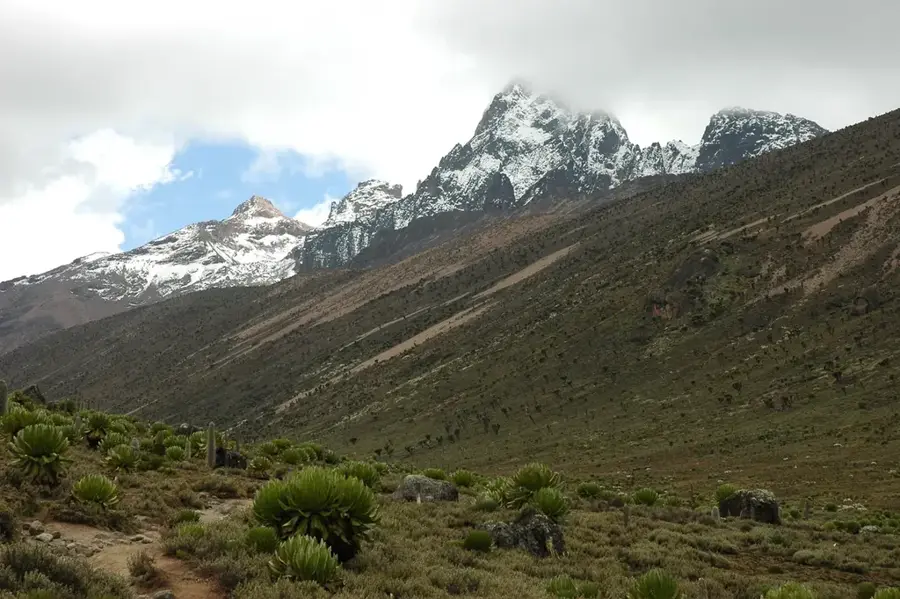
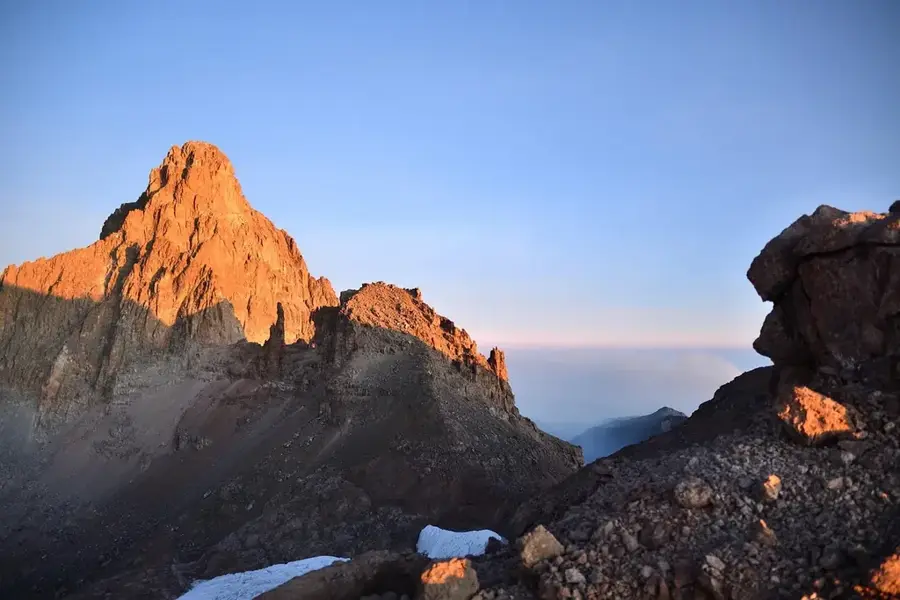
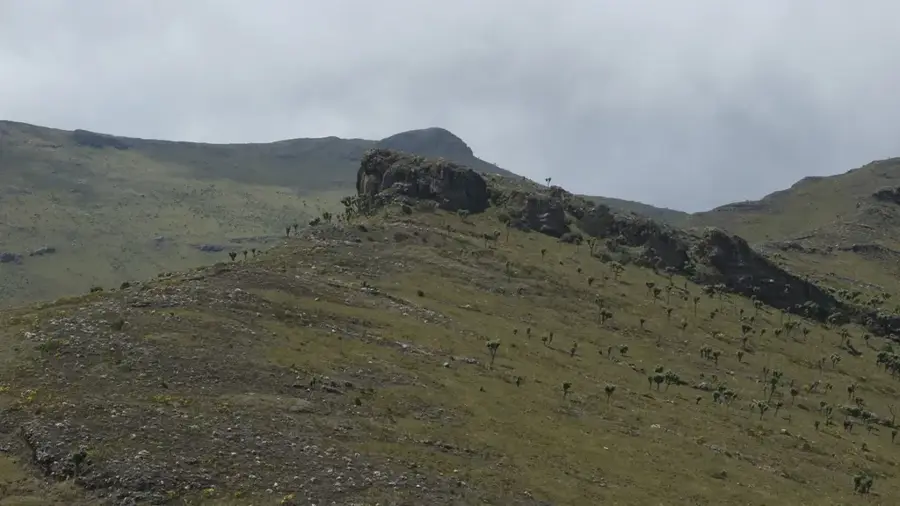
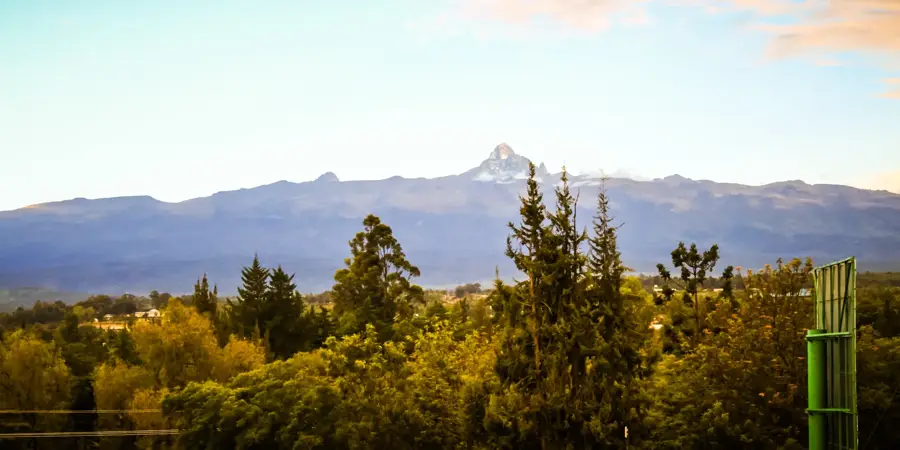
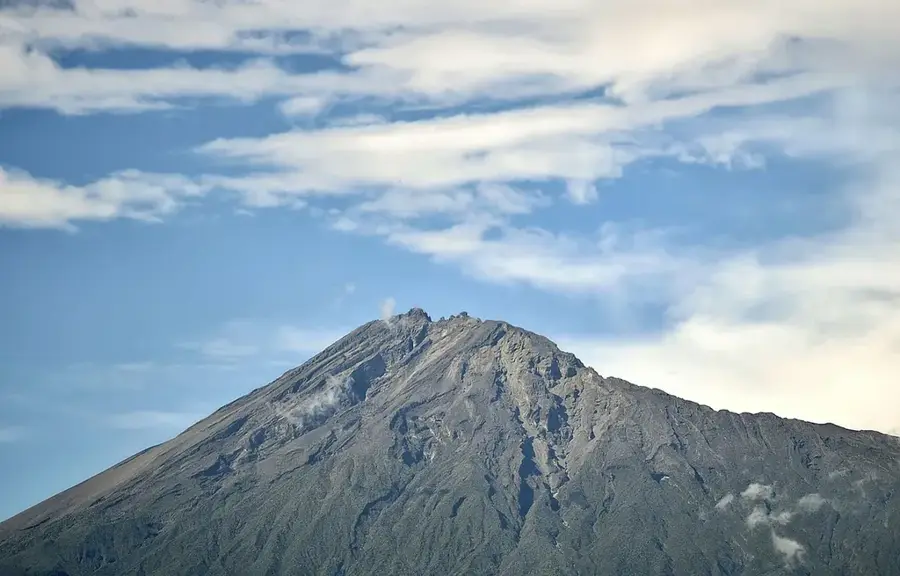
The Mount Kenya Massif, standing at 5,199 meters, is the highest mountain in Kenya and the second highest in Africa. This extinct stratovolcano formed approximately 3 million years ago and is distinguished by its rugged, glacier-clad peaks of Batian, Nelion, and Lenana. The massif is central to the country's identity and provided Kenya with its name. Vegetation is divided into vertical zones, ranging from dense bamboo and rainforests at the base to alpine heaths and snowfields in the summit regions. Protected as a UNESCO World Heritage site, it provides a habitat for rare animal species such as the hyrax and various birds of prey. The mountain's eleven glaciers are shrinking rapidly due to climate change, which has far-reaching consequences for the region's water supply, as the mountain is a vital reservoir for the Tana and Ewaso Ng'iro rivers. For the local Kikuyu and Meru communities, the mountain is traditionally considered the residence of the god Ngai. The climate on Mount Kenya is extremely variable, ranging from tropical heat at the foot to arctic cold at the summit.
- Location: Kenya
- Top sights: Point Melhuish · Point John · Midget Peak
- Nearby: Mount Kenya (4 km)
Best time to visit & climate
The most pleasant time to visit is Jan, Feb, Sep.
| Jan | Feb | Mar | Apr | May | Jun | Jul | Aug | Sep | Oct | Nov | Dec | |
|---|---|---|---|---|---|---|---|---|---|---|---|---|
| Avg °C | 17 | 18 | 19 | 19 | 18 | 17 | 17 | 17 | 18 | 18 | 17 | 17 |
| Rain mm | 44 | 30 | 80 | 206 | 114 | 58 | 62 | 71 | 56 | 117 | 152 | 86 |
📋 Practical info
Geography
Facts
- Batian is the highest point of the massif at 5,199 m.
- The mountain was designated a UNESCO World Heritage site in 1997.
- There are eleven remaining glaciers on Mount Kenya.
- The Equator passes only a few kilometers north of the peak.
- The first ascent of Batian was achieved in 1899 by Halford Mackinder.
- The massif is primarily composed of phonolite and kenyte rock.
Explore nearby
Notable places around
Route planner — Car & Motorhome
Where do you start? We build the route here, with stops and country notes along the way.
© OpenStreetMap contributors · OpenRouteService
Sights in the town Mount Kenya Massif (4)
Midget Peak
Mountain peak in Kenya, part of the Mount Kenya massif.
Sights nearby
Frequently asked questions
How high is Mount Kenya?
Which peak is accessible to hikers?
Are there glaciers there?
What routes lead to the summit?
What is the 'vertical bog'?
Mount Kenya Massif: where is it located?
Mount Kenya Massif: what is there to see?
Mount Kenya Massif: when is the best time to visit?
Mount Kenya Massif: why is it worth visiting?

Nearby cities




History & landmarks
Nature
More places