New Year Eve Celebration
End of the year with fireworks and musical events.
PlizioGo
A traditional fish and rice stew; best enjoyed at a specialized local arrocería.
Salt-baked sea bream, a highly recommended specialty found in most seafood restaurants.
Head to the Puerto Tomas Maestre marina for a great selection of lively tapas bars.
A well-known commercial center situated midway along the strip for souvenirs and beachwear.
During summer, look out for artisan stalls and jewelry vendors setting up along the promenades at dusk.
Located just to the south, this protected area features wild, undeveloped beaches and tranquil coastal trails.
Walk the scenic paths around the cliff tops near the lighthouse for peaceful, expansive sea views.
Water temperature…
End of the year with fireworks and musical events.
Tasting of local dishes and tapas in various restaurants.
Competitions and activities related to watersports.
Crafts and local products during the high season.
Traditional maritime procession in honor of the patron saint of fishermen.
Summer solstice celebrations with bonfires on the beach.
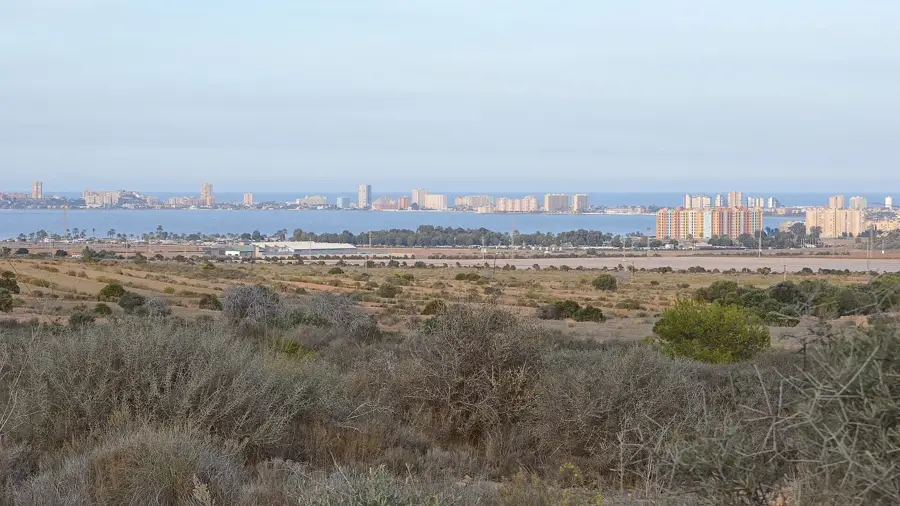
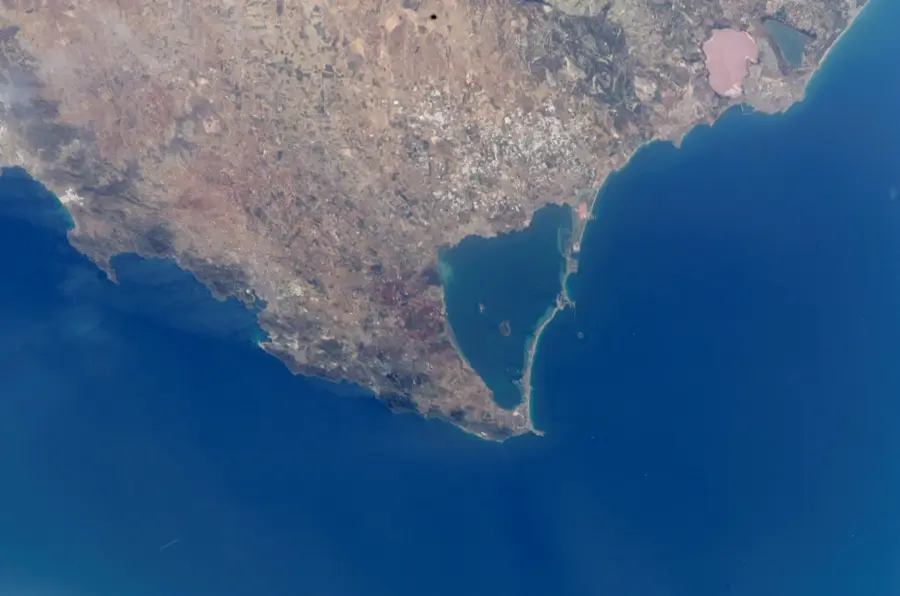
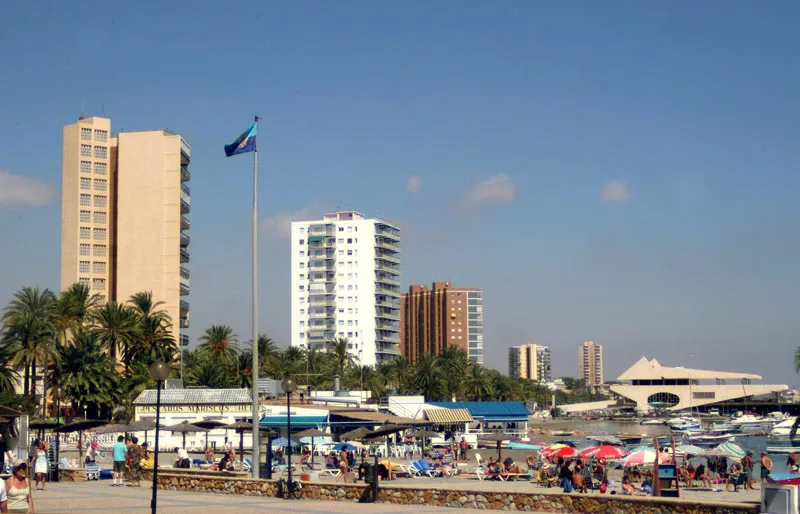
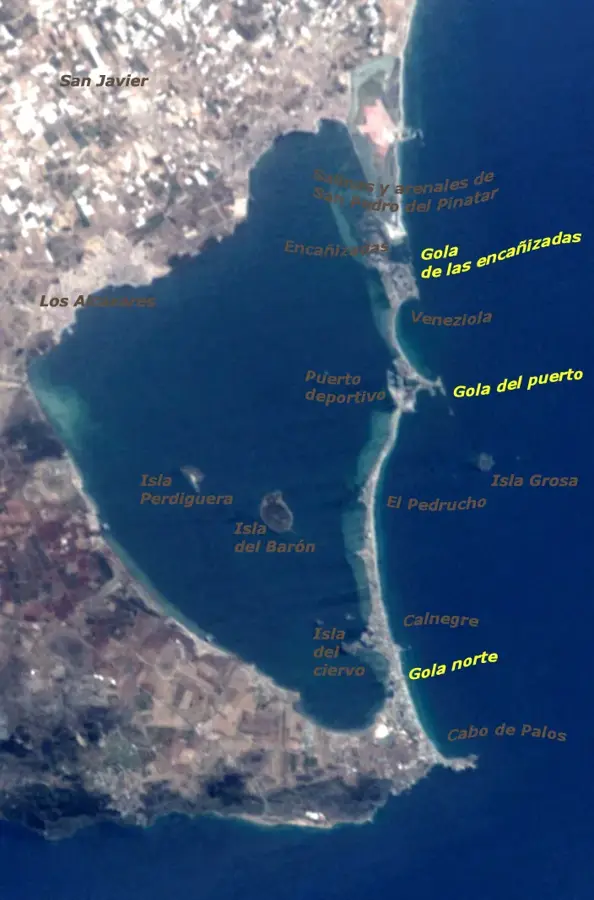
La Manga del Mar Menor is an extraordinary geological formation: a highly developed, 21-kilometer-long, very narrow sandspit that totally separates Europe's largest saltwater lagoon, the Mar Menor, from the open Mediterranean Sea. This unique geographical strip provides travelers a rare and remarkable experience, allowing you to swim in two entirely different seas on the very same day, often just a short walk apart. The Mar Menor side is famous for its warm, shallow, and incredibly calm waters, making it an exceptionally safe haven for families with young children and a world-class playground for windsurfing, kitesurfing, and sailing. In stark contrast, the eastern side faces the Mediterranean, featuring endless stretches of open, sandy beaches and rolling waves. The strip itself is heavily developed, packed with resort hotels, bustling marinas, and seafood restaurants where tasting the iconic local dish, the "Caldero del Mar Menor", a rich, intense rice stew cooked in a cast-iron cauldron with fresh local rockfish and dried peppers, is an absolute must. Just south of the strip lies the impressive Calblanque Regional Park, providing a dramatic natural contrast with its pristine, protected sand dunes, rugged cliffs, and wild, empty beaches, great for hikers and nature lovers seeking an escape.
The most pleasant time to visit is May, Jun, Oct.
| Jan | Feb | Mar | Apr | May | Jun | Jul | Aug | Sep | Oct | Nov | Dec | |
|---|---|---|---|---|---|---|---|---|---|---|---|---|
| Avg °C | 13 | 13 | 14 | 16 | 19 | 22 | 25 | 26 | 24 | 21 | 17 | 15 |
| Rain mm | 37 | 22 | 36 | 36 | 21 | 8 | 3 | 12 | 33 | 40 | 51 | 41 |
Notable places around
Where do you start? We build the route here, with stops and country notes along the way.
© OpenStreetMap contributors · OpenRouteService
We start the day at the iconic Cabo de Palos lighthouse with a broad view over the Mediterranean. A short walk leads us to nearby coves for a swim. We spend the afternoon in the fishing village before enjoying the calm side of Mar Menor in the late afternoon.
Start your day at the Cabo de Palos Lighthouse, where the crashing waves in the rain create a dramatic atmosphere. Seek shelter in the small cafes by the harbor while watching the stormy sea. At noon, Alemanes Beach offers a peaceful sight despite the rain. The colors of the water change fascinatingly under the gray sky. In the afternoon, take a stroll along the Mar Menor. The shallow lagoon remains calm, and the rain creates a gentle patter on the surface. In the evening, retreat to one of the cozy restaurants on the strip. The street lights reflect beautifully in the puddles on the asphalt.
Winter mornings in La Manga are refreshingly clear. At the Cabo de Palos Lighthouse, enjoy the silence away from summer crowds while watching the low sun over the horizon. At noon, the air at Alemanes Beach is mild, but the cool sea breeze reminds you of the season. It's the perfect time for a solitary meditation by the shore. In the afternoon, the soft winter light bathes the Mar Menor in golden hues. Since the sun sets around 17:30, you should spend this moment on the western shore. End the evening with a warm drink in a bar overlooking the lagoon. The cool nights invite you to admire the illuminated skyline of La Manga from a distance.
We cycle along the entire spit, from the pine forests in the south to the large marina in the north. The flat route offers constant views of Mar Menor on one side and the Mediterranean on the other. A highlight is crossing the Estacio drawbridge.
A bike ride in the rain requires caution on La Manga's main road. Start carefully towards Cala del Pino, where the pine trees provide some natural shelter. At noon, you reach the Tomas Maestre Marina. The slippery docks and gray water exude a maritime melancholy, best observed from a covered terrace. In the afternoon, cross the Estacio Bridge. The wind can be treacherous here in the rain, but the view of the channel is particularly powerful in this weather. In the evening, finish the tour and ensure your bike is stored in a dry place. The marina lights sparkle intensely through the veil of rain.
The winter sun makes cycling on La Manga a pleasure as long as you protect yourself from the wind. In Cala del Pino, mornings are calm and the air smells of resin. At noon, you reach the Tomas Maestre Marina. Without the summer heat, the ride along the water is refreshing and less tiring. In the afternoon, the Estacio Bridge offers a wide view over the deep blue winter sea. Watch the sun's position, which is now significantly lower and casts shadows over the path. In the evening, it cools down quickly as soon as the sun disappears behind the mountains on the other side of Mar Menor. The ride back in the dusk requires good lighting.
By car, we explore the full length of La Manga. We start at the southern end at the lighthouse and drive to the northernmost point to see the various beaches and settlements. The car allows us to flexibly explore the entire 20 km spit.
Rain in La Manga makes the car the best choice. Start comfortably at the Cabo de Palos Lighthouse while the windshield wipers accompany the rhythm of the waves. At noon, head for the Tomas Maestre Marina. Parking is easy here, and you can reach the marina's numerous restaurants with dry feet. In the afternoon, you can drive the entire length of the spit without getting wet. The view of the gray Mar Menor from the window looks almost like a painting. In the evening, the lights of the apartment towers reflect on the wet asphalt, turning La Manga into a glowing avenue.
In winter, the car offers the freedom to explore La Manga without heat and traffic jams. In the morning at the Cabo de Palos Lighthouse, the air is so clear you feel like you can almost see Africa. At noon in the Tomas Maestre Marina, it is pleasantly quiet. The sun warms the car's interior while you enjoy the view of the yachts. In the afternoon, a drive to the end of the spit at Veneciola is worthwhile. The wide, empty roads convey a sense of vastness and freedom. In the evening, the drive back along the Mar Menor at sunset offers spectacular photo opportunities right from the driver's seat.
The Mar Menor lagoon warms up earlier than the open sea, with 22C water normal by mid-May. July-August get overwhelming, with the single road along the sandbar gridlocked. October is wonderfully quiet, though many restaurants close from late November.
La Manga is generally safe, though the Mar Menor suffered algae blooms from 2016 to 2021, so check water quality. West winds bring jellyfish into the lagoon, with lifeguards posting daily notices. The single main road sees frequent accidents from inattentive rental drivers.
La Manga draws huge British and northern European crowds, so English works almost everywhere. Marina restaurants often have German menus too, while north toward Cabo de Palos Spanish takes over. Order 'caballa a la brasa' for the local grilled-mackerel speciality.
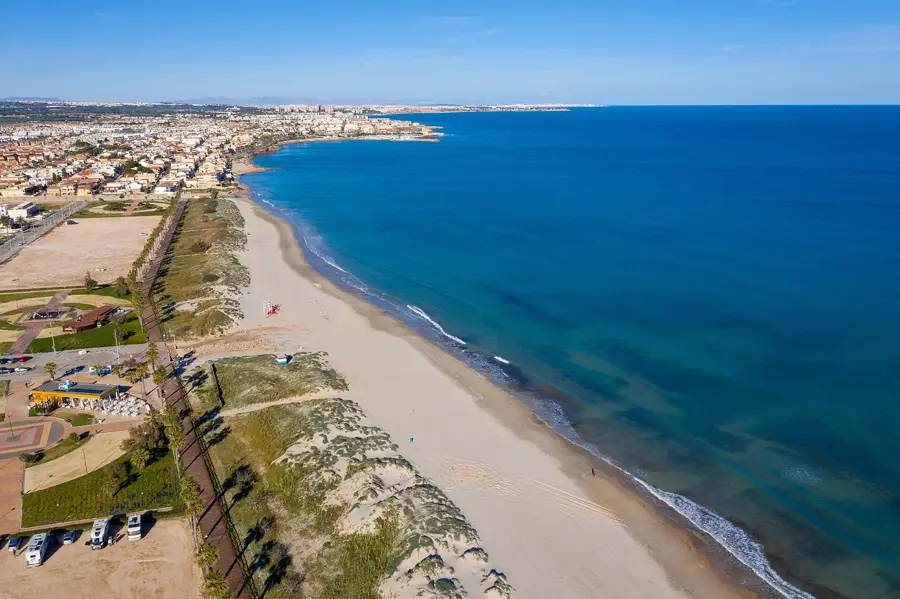
Playa de los Alemanes is one of the most popular destinations on the Mediterranean side of La Manga del Mar Menor. White sand and clear blue water lend this coastline a very relaxed, holiday-friendly atmosphere. Bathers enjoy refreshing swims in the open sea here, as well as extensive sunbathing on the soft beach. Especially during summer, it is highly recommended to arrive early to secure a beautiful spot near the waves.
Playa de Calblanque stretches out as a wild natural paradise just outside the bustling activity of La Manga. Framed by barren hills, this pristine natural beach has a magically secluded and peaceful atmosphere. Nature enthusiasts will find a fantastic place here to bathe in quiet waters and hike undisturbed along the unspoiled coastline. Be sure to bring enough water and provisions, as the beach operates completely without commercial facilities.