Plizio Visual Lab

Lake Ashinoko
Plizio editorial teamData Sources
Landmark
—°17
Lake Ashinoko (Japan)

Weather…

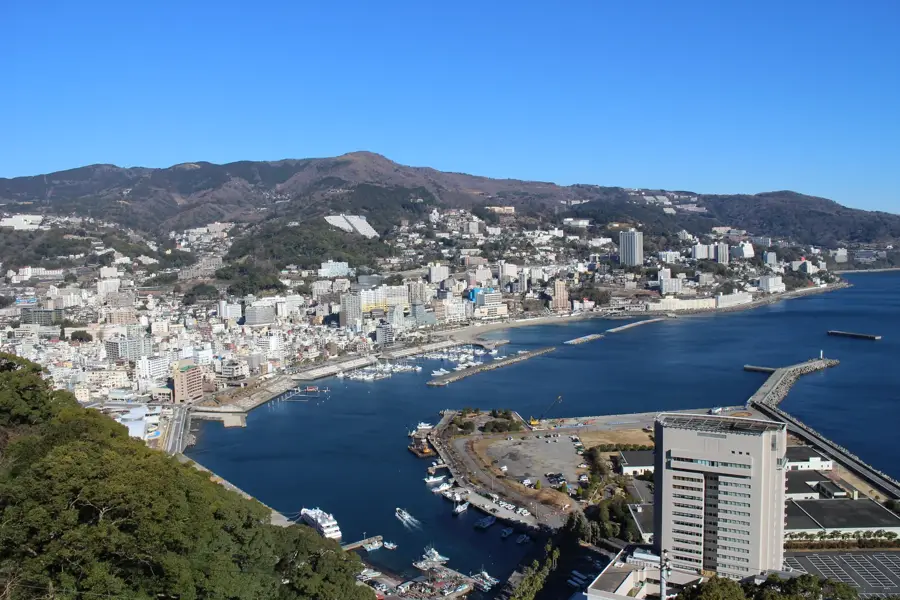
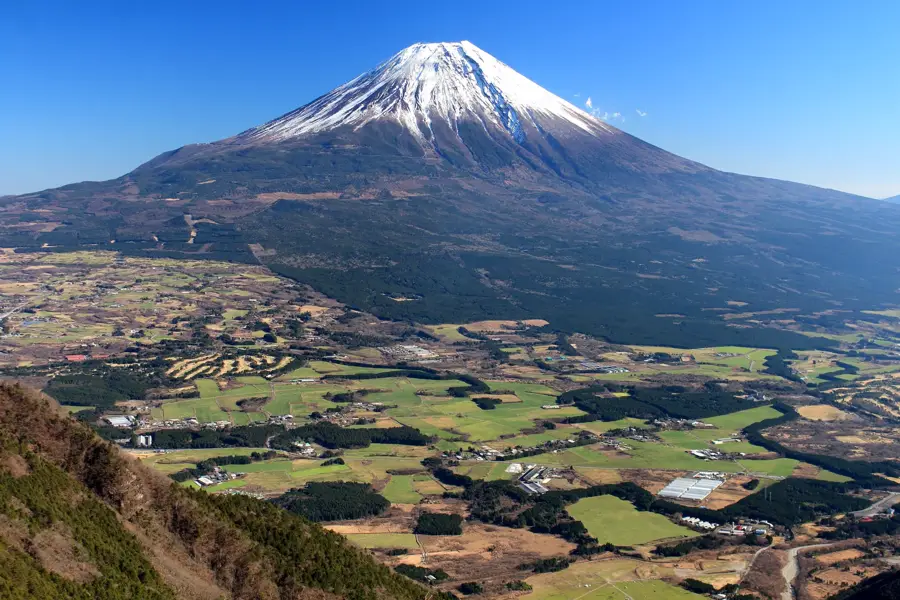
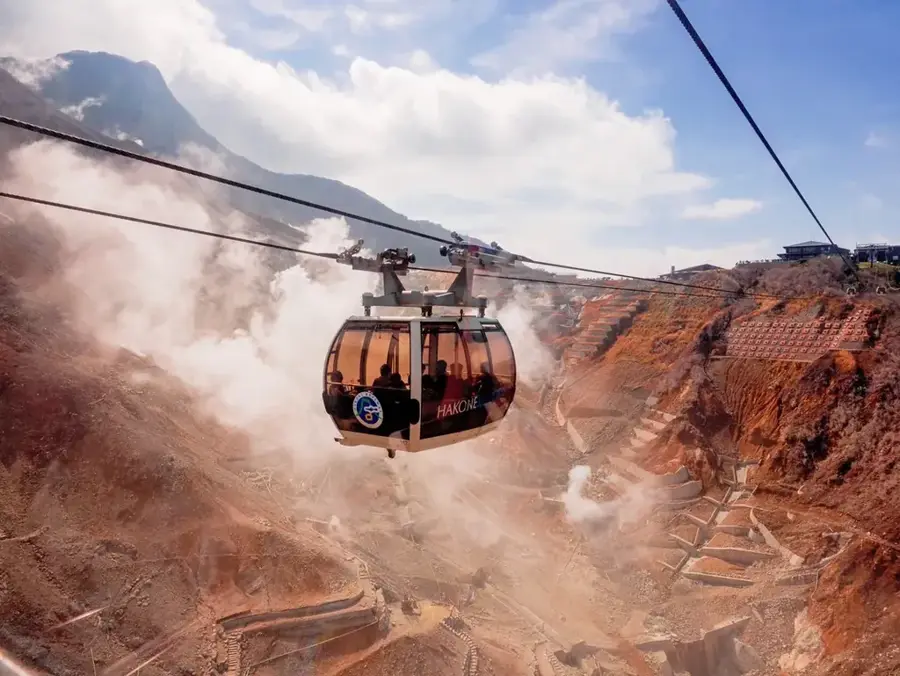
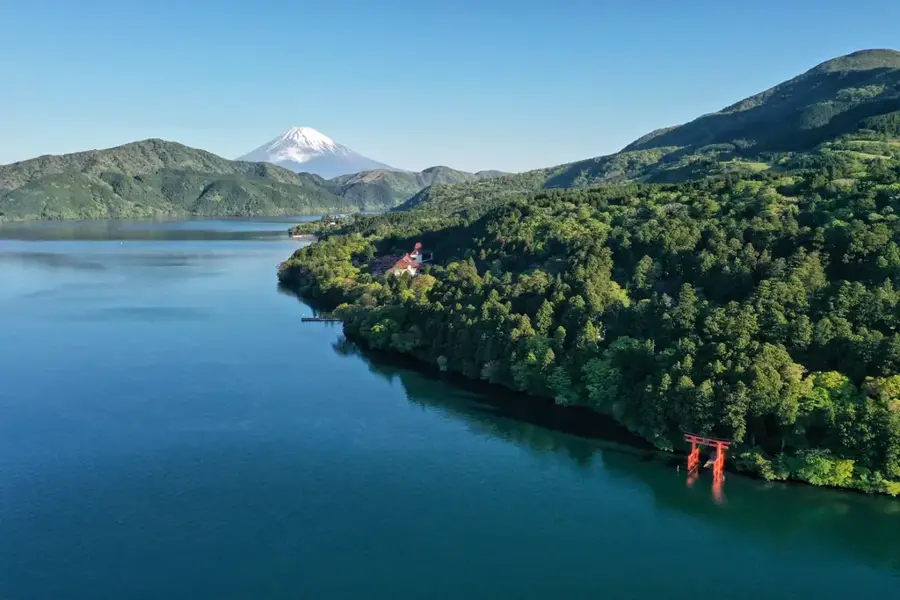
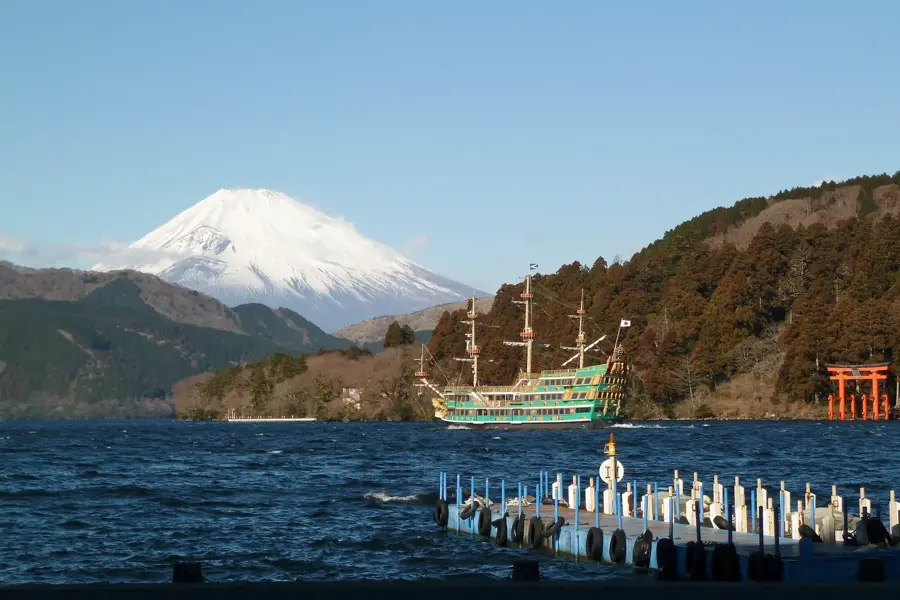
Lake Ashi (Ashinoko) is a scenic crater lake in the Hakone region, formed in the caldera of Mount Hakone approximately 3,000 years ago following a major volcanic eruption. Situated at an altitude of 723 meters, the lake is famous for its sweeping views of Mount Fuji, which reflects on the water's surface during clear conditions. The lake has a circumference of about 21 kilometers and is a popular destination for sightseeing cruises, famously featuring ships designed as pirate vessels. On the lake's shores sits the Hakone Shrine, known for its iconic red torii gate standing submerged in the water. The surrounding area remains geothermally active, characterized by the sulfuric vents of Owakudani and numerous hot spring (onsen) resorts. Historically, the region served as a critical checkpoint on the Tokaido road connecting Edo and Kyoto. Today, it is a centerpiece of the Fuji-Hakone-Izu National Park.

📋 Practical info

🚪
Visiting
Lake Ashinoko is a freely accessible crater lake in the Hakone area, explorable from various viewpoints. Visitors can also take a cruise on the famous pirate ships or walk along the shores.
🕒
Typical hours
The lake itself is accessible anytime, but the pirate ships and surrounding viewpoints typically have set hours, around 9 AM to 5 PM. Best views of Mount Fuji are on clear winter mornings or autumn.
📷
Photography
Photograph the lake and Fuji best from shoreline viewpoints or during the boat cruise. A polarizing filter helps reduce water reflections and intensify colors.
⏱️
Time needed
Allow at least two to three hours for a lake visit, including a boat ride and a walk to viewpoints. If you also want to see Hakone Shrine or the Open-Air Museum, plan for half a day.
Combine with
Combine the lake with Hakone Shrine on the shore, which features a famous red torii gate in the water. The Hakone Open-Air Museum with its sculptures and hot spring is also highly recommended.
🧭
Getting there
The lake is accessible from Tokyo by train to Hakone-Yumoto, then bus or cable car to the lake. The entire journey takes about two hours; a Hakone Free Pass simplifies travel.
💡
Insider tip
Travel on a weekday to avoid weekend crowds, especially if you want to see Mount Fuji. Sit on the left side of the bus for the best view during the approach.

Geography

Coordinates
35.21000, 139.02000

Facts

  • The lake was formed about 3,000 years ago after a volcanic eruption.
  • The lake's surface sits at an elevation of 723 meters above sea level.
  • The total circumference of Lake Ashi is approximately 21 kilometers.
  • The maximum depth of the lake reaches 43,5 meters.
  • The water rarely freezes in winter due to residual volcanic heat.
  • The lake features three distinct pirate-themed sightseeing ships.

Explore nearby

Notable places around
Route planner — Car & Motorhome

Where do you start? We build the route here, with stops and country notes along the way.

Vehicle
Only stops with (optional):

© OpenStreetMap contributors · OpenRouteService

Sights in the town Lake Ashinoko (17)

Yamanaka Fort Ruins🏰 castle

The Yamanaka Fort Ruins showcase the remains of a late Sengoku period castle near Lake Ashinoko, notable for its unique unlined moat structures known as shoji moats.

Hakone Ekiden museum🏛 museum

Located near Lake Ashinoko, the Hakone Ekiden Museum celebrates the grueling collegiate relay marathon with exhibits of historic uniforms and race memorabilia.

Hakone checkpoint🏛 museum

Recognized as a Grade 2 heritage site near Lake Ashinoko, the restored Hakone checkpoint features authentic Edo-period guardhouses and gates.

Narukawa Museum of Art🏛 museum

Opened in April 1988 near Lake Ashinoko, the Narukawa Museum of Art houses an extensive collection of modern Nihonga paintings and gives panoramic views of Mount Fuji.

🕒 Mo-Su 09:00-17:00

Hakone Shrine⛪ religious

Dating back to the year 757, Hakone Shrine is a significant Shinto sanctuary near Lake Ashinoko, famous for its grand torii gate standing partially submerged in the water.

Mt. Mikuni🌿 nature

Rising as part of the outer caldera near Lake Ashinoko, the peak of Mt. Mikuni gives hikers challenging trails and sweeping vistas of the surrounding volcanic landscape.

Izumi Park🌳 park

Izumi Park is a landscaped public green space near Lake Ashinoko, providing visitors with quiet walking paths among seasonal floral displays.

Onshi Hakone Park🌳 park

Situated on a peninsula jutting into Lake Ashinoko, Onshi Hakone Park is a former imperial summer retreat offering manicured gardens and striking views of Mount Fuji.

Manyo Park🌳 park

Located near Lake Ashinoko, Manyo Park features serene pathways alongside the Chitose River and literary monuments inscribed with classic Japanese poetry.

Totenji Temple⛪ religious

Totenji Temple serves as a Buddhist place of worship near Lake Ashinoko, offering a peaceful wooden sanctuary for spiritual retreat.

Komagata Swabe Shrine⛪ religious

Set in the region of Lake Ashinoko, Komagata Swabe Shrine is a traditional Shinto site where locals gather to pray for safety and prosperity.

Mishima Seika🎭 culture

A local marketplace offering regional produce and goods near Lake Ashi.

Sanbonmatsu Community Center📍 landmark

A local community gathering space situated in the scenic Lake Ashi region.

Kanon Bridge📍 landmark

An easy on the eye bridge spanning over the waterways of the Lake Ashi area.

Sasahara One Mile Mound📍 landmark

A historical one-mile mound marker indicating distance on traditional travel routes near Lake Ashi.

Mishima Sky Walk Observatory Deck🌿 nature

A high-elevation observation deck providing sweeping views of the pedestrian suspension bridge and Mount Fuji.

Saka Public Hall🌿 nature

A community hall offering elevated, panoramic vistas of the surrounding Lake Ashi landscape.

Sights nearby

Frequently asked questions

How was Lake Ashi formed?
It was formed about 3,000 years ago in the caldera of Mount Hakone after a volcanic eruption.
Can you see Mount Fuji from the lake?
Yes, on clear days, the lake provides one of the most iconic views of Mount Fuji.
What boat cruises are offered?
The 'pirate ship' cruises by Hakone Sightseeing Cruise between Moto-Hakone and Togendai are particularly popular.
What is the red gate in the water?
It is the 'Gate of Peace' (Heiwa-no-Torii) of the Hakone Shrine, a very popular photo spot.
What is the best way to reach the lake?
From Hakone-Yumoto by bus or via the Hakone Ropeway, which ends directly in Togendai.
Lake Ashinoko: where is it located?
Lake Ashinoko is located in Japan.
Lake Ashinoko: what is there to see?
Highlights include Yamanaka Fort Ruins, Hakone Ekiden museum, Hakone checkpoint.
Lake Ashinoko: why is it worth visiting?

Lake Ashi (Ashinoko) is a scenic crater lake in the Hakone region, formed in the caldera of Mount Hakone approximately 3,000 years ago following a major volcanic eruption.
View on map → The Top 50 Attractions → OpenStreetMap →
Asia
Explore with Plizio Discover more places in Asia
More places in Japan →

Nearby cities

History & landmarks
More places