Plizio Visual Lab

Fuji-Hakone-Izu National Park
Plizio editorial teamData Sources
national-park
—°5
Fuji-Hakone-Izu National Park (Japan)

Weather…

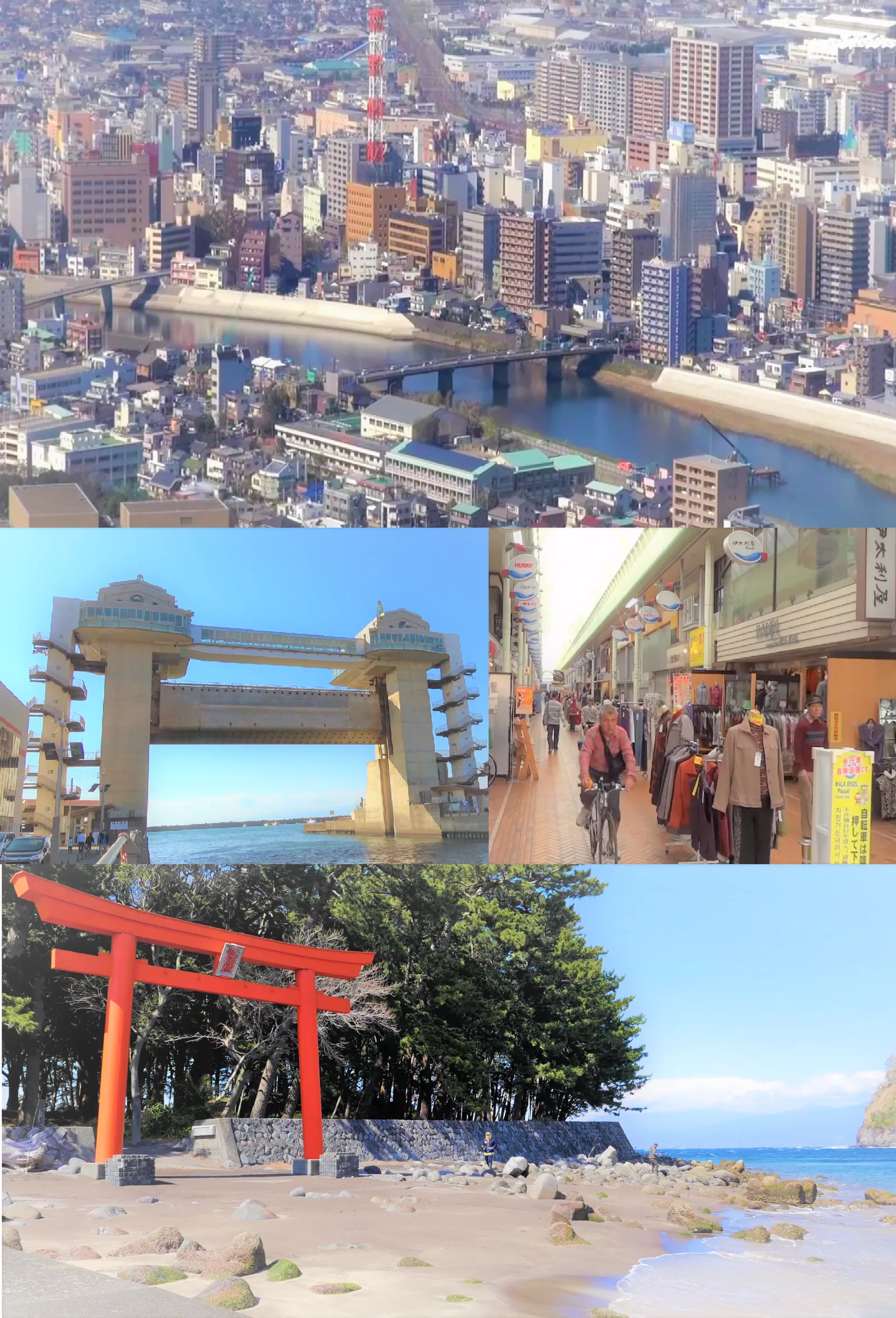
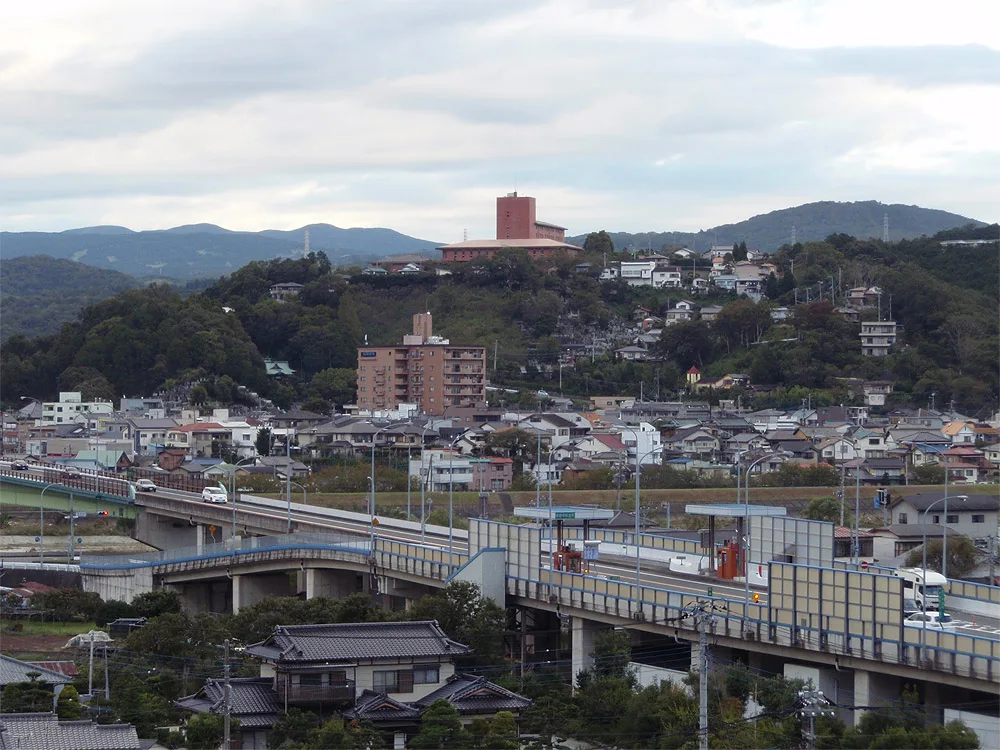
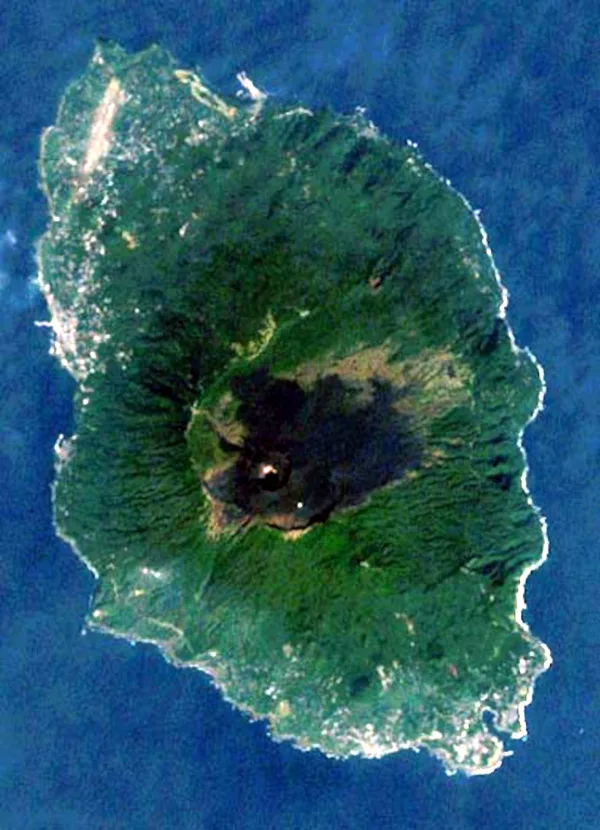
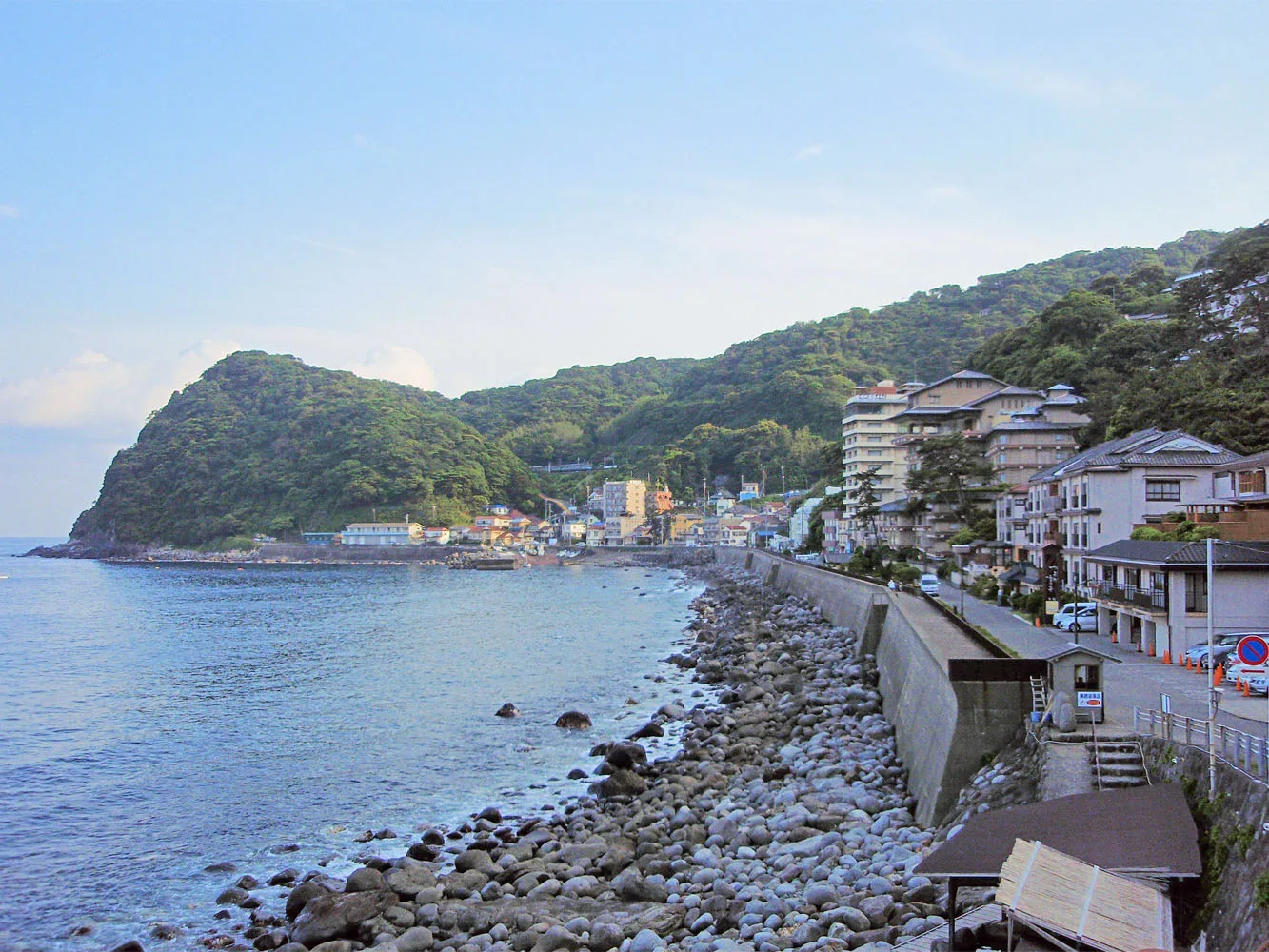
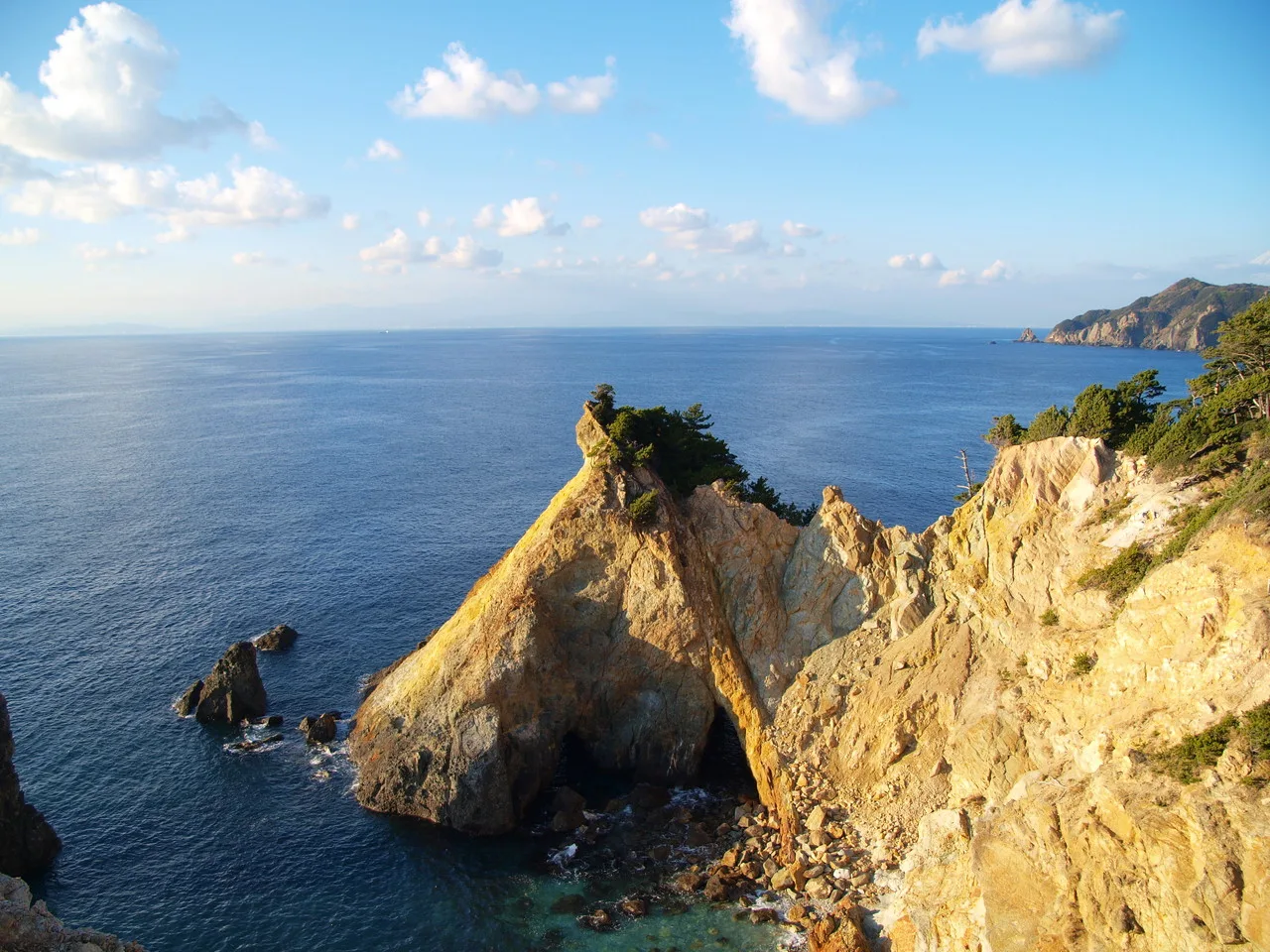
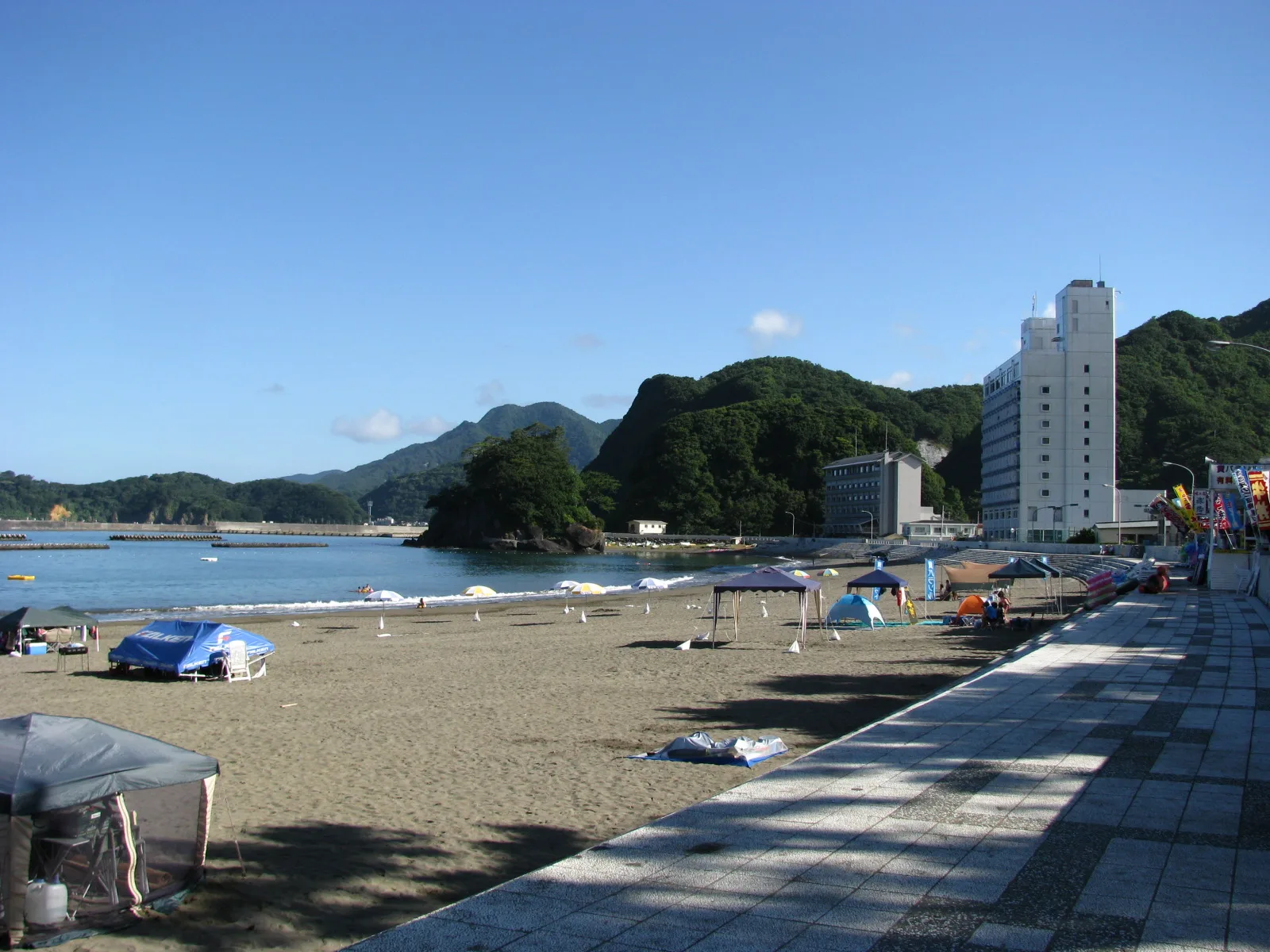
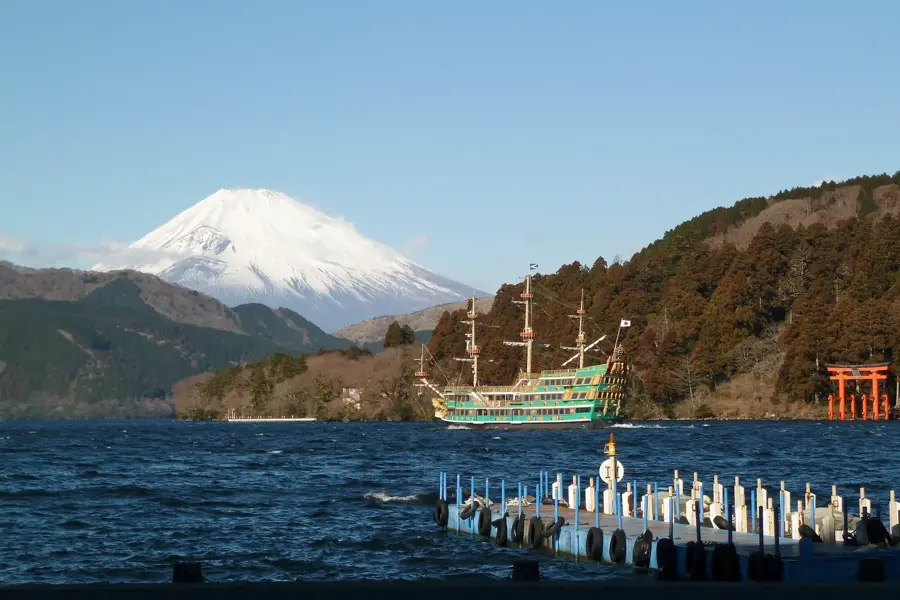
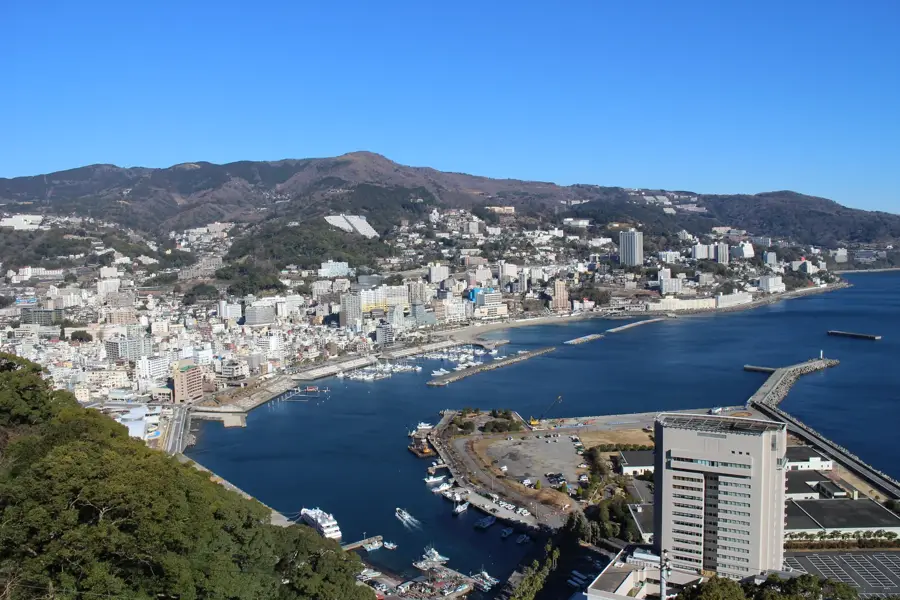
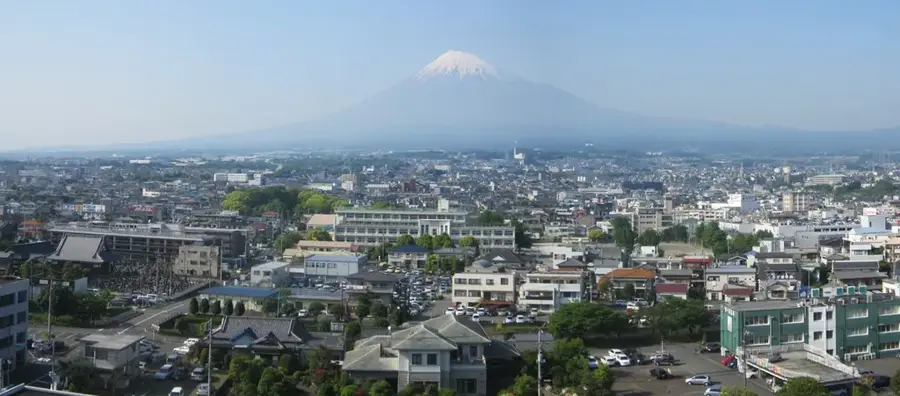
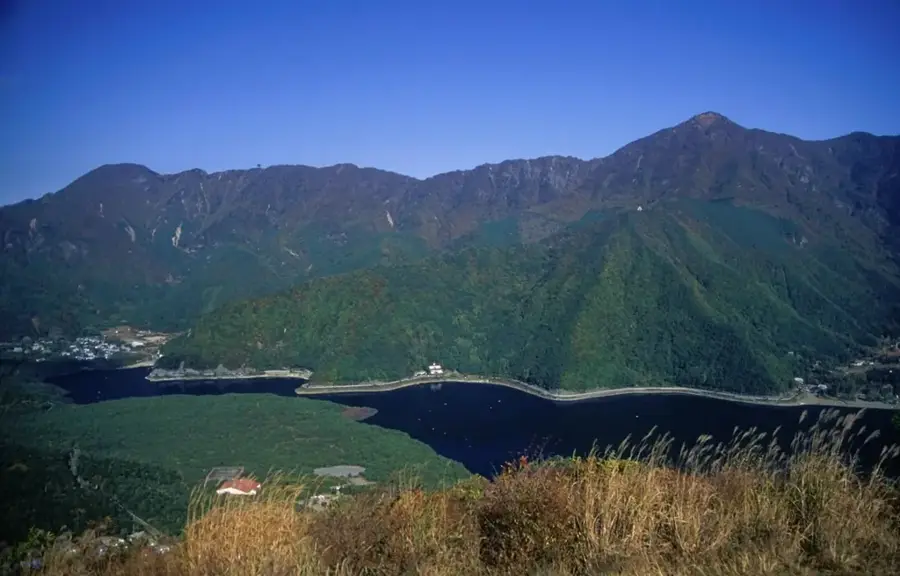
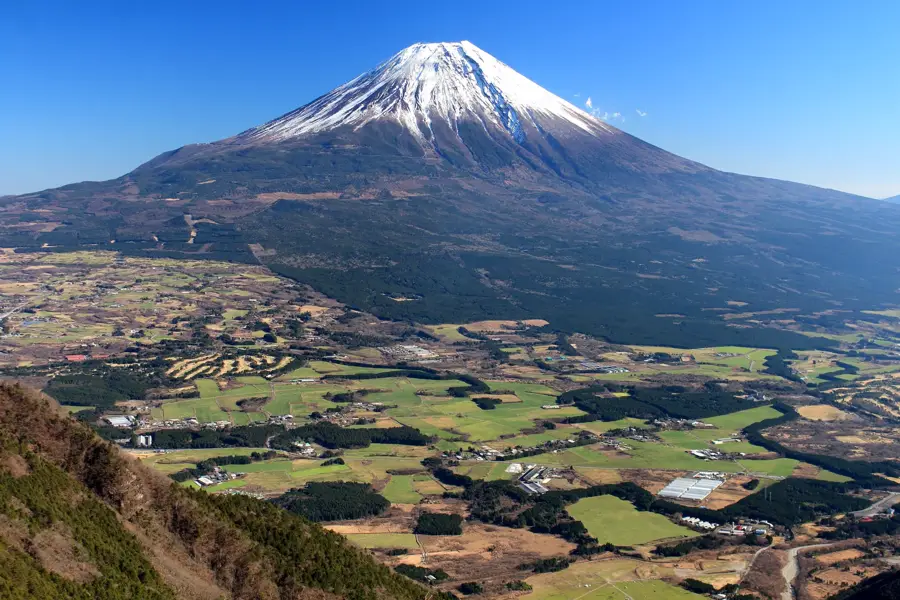
Fuji-Hakone-Izu National Park is a remarkable feature of the geography and culture of Japan. A national park that includes Mount Fuji, the Fuji Five Lakes, Hakone, the Izu Peninsula, and the Izu Islands. Includes the famous Mount Fuji. Gives hot springs and scenic views. This natural area reflects the scenic diversity of Japan, from Mount Fuji and the Inland Sea to the Pacific coasts and volcanic island arcs. Like many notable places in Japan, it combines regional character with the legacy of the samurai tradition, Shinto and Buddhist heritage, and the modern industrial nation. Thus, this place contributes to the diverse profile of Japan, from Mount Fuji and Tokyo to the volcanic island arc along the Pacific.

Best time to visit & climate

The most pleasant time to visit is Jun, Aug, Sep.

JanFebMarAprMayJunJulAugSepOctNovDec
Avg °C-114915192323201482
Rain mm61711151271401742091592011938564

📋 Practical info

🧭
Getting there
The region is excellently connected to Tokyo and can be comfortably reached by train (such as the Romancecar to Hakone) or express buses to the Fuji Five Lakes or the Izu Peninsula.
📅
Best season
The months of July and August are the official climbing season for Mount Fuji; spring features the best visibility of the mountain with cherry blossoms, while autumn brings colorful leaves to the lakes.
⛰️
Terrain & paths
The terrain is highly diverse, ranging from well-maintained walking paths by the lakes and in Hakone to steep, exhausting volcanic ash trails on the route to the summit of Mount Fuji.
🎒
What to bring
Comfortable shoes suffice for general sightseeing; for climbing Mount Fuji, actual hiking boots, warm layers for freezing nights, headlamps, and reliable rain gear are strictly necessary.
🅿️
Parking
There are numerous paid and some free parking lots around the Fuji Five Lakes and in Hakone, though they are often completely full during weekends and national holidays.
⚠️
Safety
When climbing the volcano, strict attention must be paid to altitude sickness; ascents during bad weather or outside the official season are extremely dangerous and often prohibited.
⏱️
Time needed
A visit to the sights at the foot of the mountain often takes one to two days, while the actual climb of Mount Fuji usually requires two days with an overnight stay in a mountain hut.

Geography

Coordinates
35.40500, 139.02400

Facts

  • A national park that includes Mount Fuji, the Fuji Five Lakes, Hakone, the Izu Peninsula, and the Izu Islands.
  • Located within the island nation of Japan in the North Pacific.
  • Plays a role in the local identity of the region.
  • Known for its scenic or cultural significance.
  • Documented in local and regional studies.

Explore nearby

Notable places around
Route planner — Car & Motorhome

Where do you start? We build the route here, with stops and country notes along the way.

Vehicle
Only stops with (optional):

© OpenStreetMap contributors · OpenRouteService

Sights in the town Fuji-Hakone-Izu National Park (5)

Ameyama🌿 nature

A 1,257-meter peak in the Tanzawa Mountains offering challenging trails for experienced hikers.

Hinokidakka🌿 nature

A mountain peak in the Tanzawa range characterized by its dense Japanese cedar forests.

Mount Yagura🌿 nature

A conical peak providing a spectacular, unobstructed view of Mount Fuji across the Ashigara Valley.

Ashigara Shrine⛪ religious

An ancient Shinto shrine set deep within the forests of the Ashigara Pass.

Yamakita Tsuburano Park🌳 park

A scenic hilltop park featuring broad views of Sagami Bay and Mount Fuji.

Sights nearby

Frequently asked questions

What are the main attractions of the national park?
These include Mount Fuji, the Fuji Five Lakes, Hakone, the Izu Peninsula, and the Izu Islands.
When is the best time to visit?
Spring for cherry blossoms and autumn for fall colors are good. Mt. Fuji is climbable in July and August.
Can you visit Mt. Fuji in one day?
Yes, there are day trips from Tokyo to Kawaguchiko or Hakone with great views of the mountain.
Are there onsens in the park?
Hakone and the Izu Peninsula are world-famous for their numerous hot springs and ryokans.
Is a car necessary in the national park?
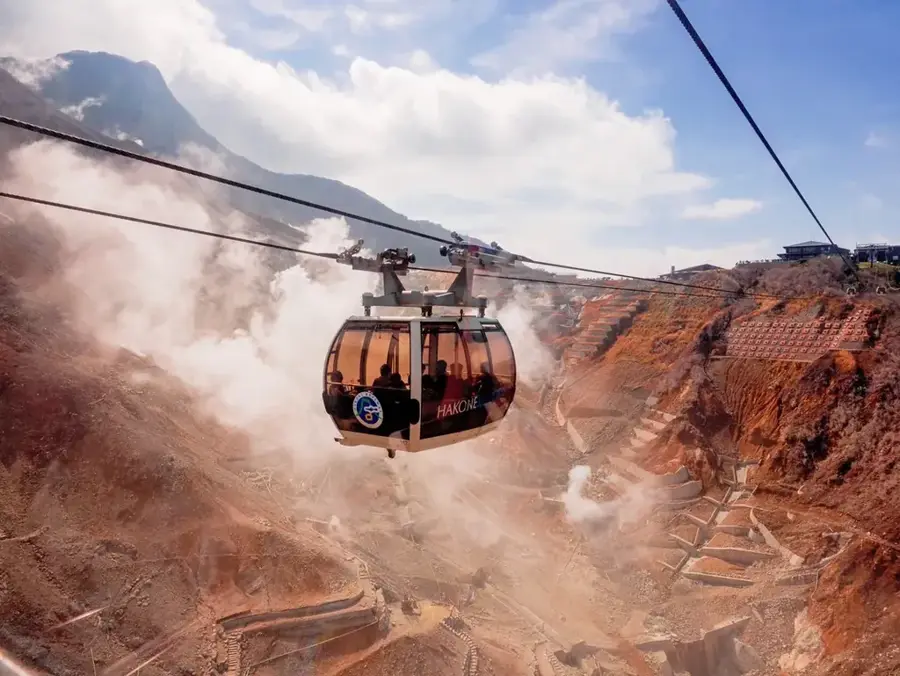
Not necessarily; areas like Hakone have excellent transport networks with buses, trains, and ropeways.
Fuji-Hakone-Izu National Park: where is it located?
Fuji-Hakone-Izu National Park is located in Japan.
Fuji-Hakone-Izu National Park: what is there to see?
Highlights include Ameyama, Hinokidakka, Mount Yagura.
Fuji-Hakone-Izu National Park: when is the best time to visit?
The most pleasant time to visit is Jun, Aug, Sep.
Fuji-Hakone-Izu National Park: why is it worth visiting?

Fuji-Hakone-Izu National Park is a remarkable feature of the geography and culture of Japan.
View on map → The Top 50 Attractions → OpenStreetMap →
Asia
Explore with Plizio Discover more places in Asia
More places in Japan →

Nearby cities

History & landmarks
More places