Plizio Visual Lab

Abidjan Lagoon
Plizio editorial teamData Sources
Relief
—°5
Abidjan Lagoon (Côte d’Ivoire)

Weather…

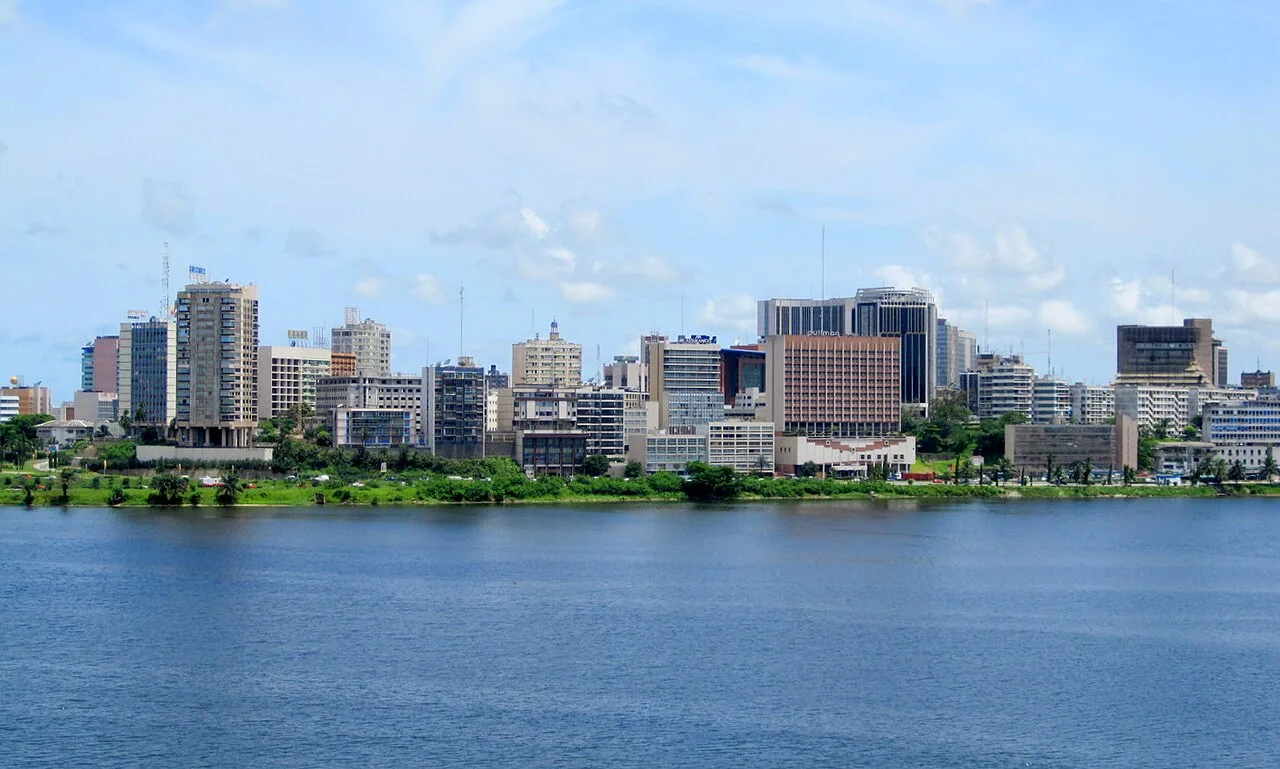
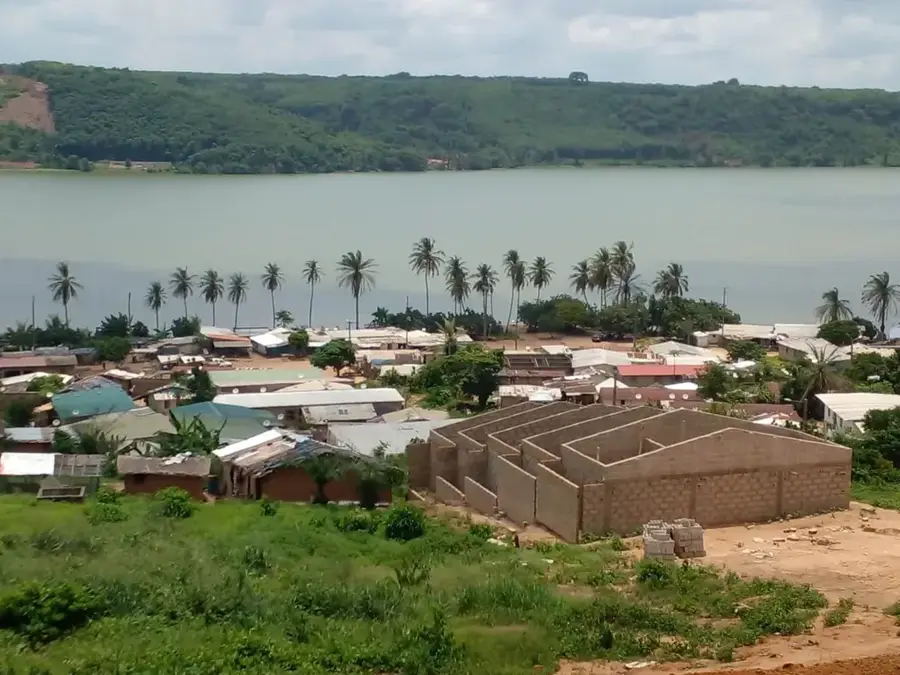
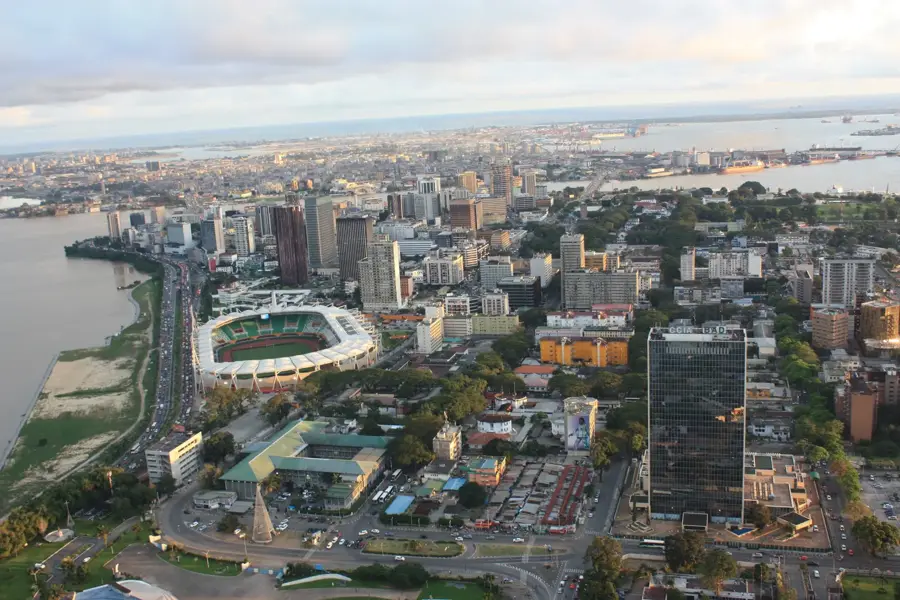
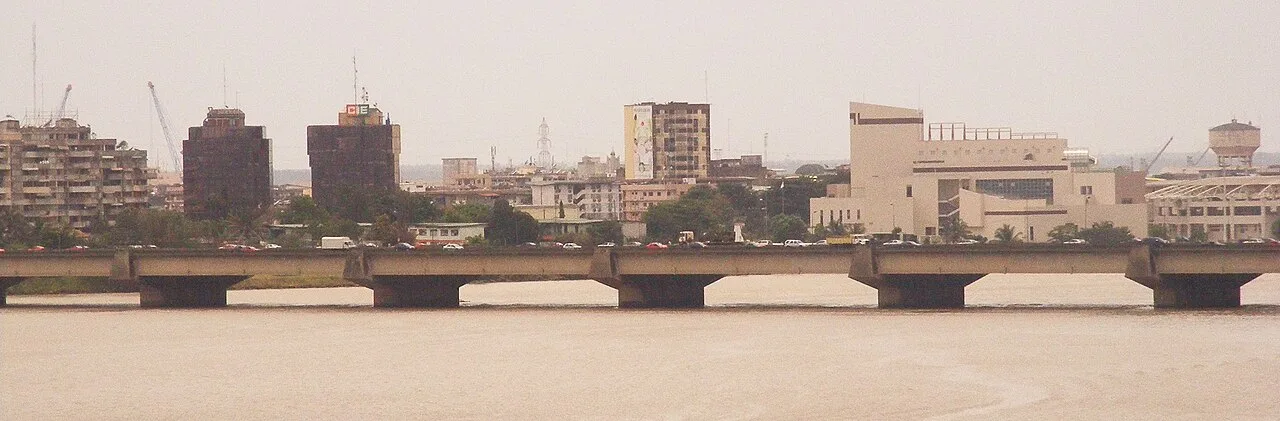
The Abidjan Lagoon, scientifically known as the Ébrié Lagoon, is the largest lagoon system in West Africa, stretching approximately 100 kilometers along the Atlantic coast of Ivory Coast. Covering an area of 560 square kilometers, it is separated from the Gulf of Guinea by a narrow littoral strip that was breached in 1950 by the construction of the Vridi Canal. This engineering feat transformed Abidjan from a small coastal settlement into a global maritime hub by allowing deep-sea vessels to access the calm interior waters. The lagoon is fed by several major rivers, including the Comoé and Mé, resulting in a complex brackish water environment that supports significant biodiversity and artisanal fisheries. Its shores are the heart of Ivorian economic life, hosting the administrative and commercial districts of the capital. Despite the industrial development, the lagoon remains a vital transportation artery for the city's millions of residents, though it faces severe environmental challenges.

Best time to visit & climate

The most pleasant time to visit is Jan, Aug, Dec.

JanFebMarAprMayJunJulAugSepOctNovDec
Avg °C272828272726252425262727
Rain mm266313015820126098479918311050

📋 Practical info

🧭
Getting there
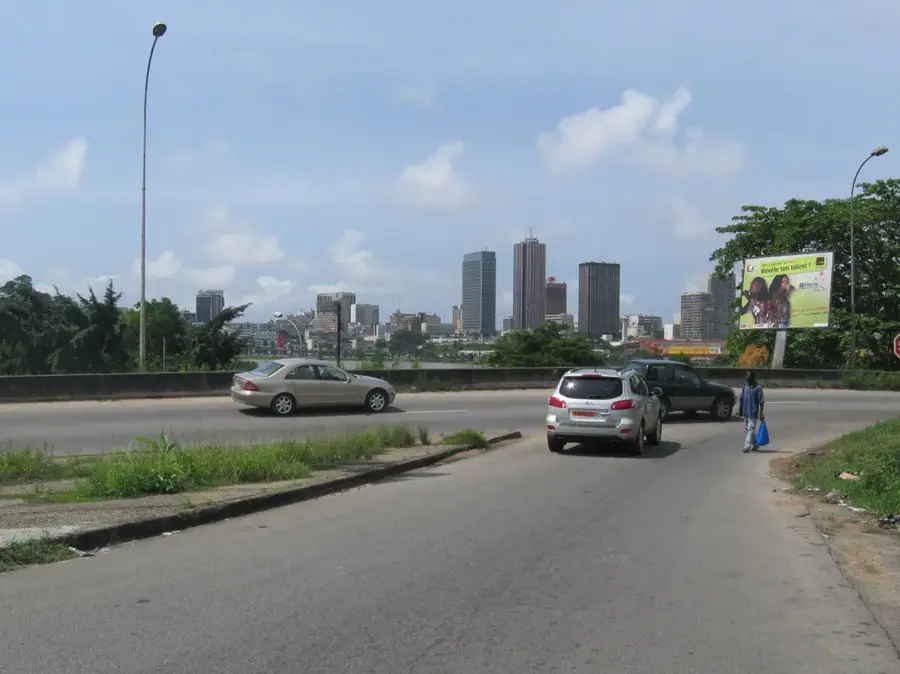
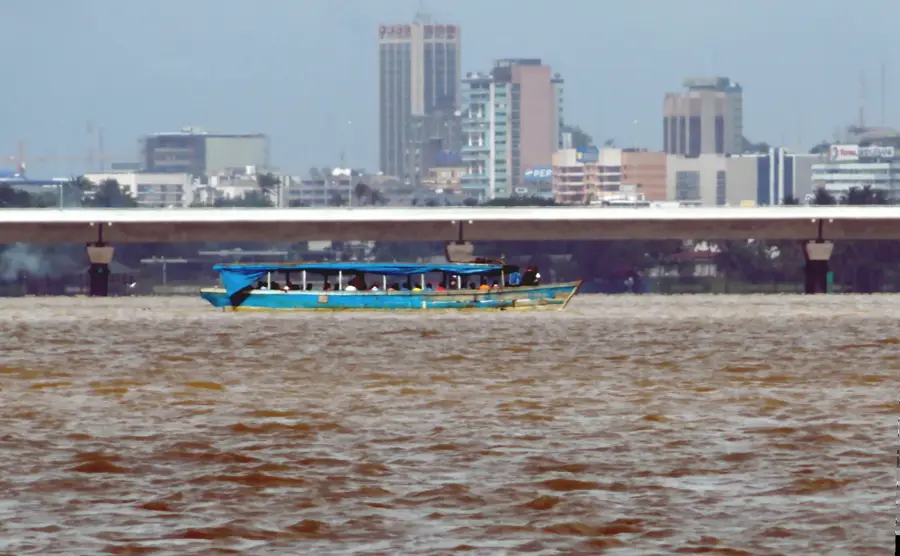
This vast central lagoon area is visible from nearly all inner-city districts of Abidjan and is easily accessible via numerous prominent bridges and water buses.
📅
Best season
The distinctly dry phases in winter and mid-summer are convenient for taking local ferries, as visibility for admiring the dense city skyline is at its absolute clearest.
⛰️
Terrain & paths
The expansive shorelines are heavily urbanized, featuring solidly paved promenades, busy commercial docks, and industrial zones. The water distinctly divides the metropolis.
🎒
What to bring
No specialized outdoor gear is required for simple water bus rides. Light, comfortable clothing and a good camera for capturing the city's impressive skyline are highly recommended.
🅿️
Parking
In busy central districts like Plateau or Treichville, paid urban parking garages and regular street parking can typically be found reasonably close to the major ferry terminals.
⚠️
Safety
The primary hazards involve navigating the dense urban traffic surrounding the waterfronts and busy docking stations. Always follow the posted safety guidelines on the passenger ferries.
⏱️
Time needed
A routine ferry crossing or a brief scenic ride along this central waterway often takes merely twenty to forty minutes, yet provides magnificent, uninterrupted urban views.

Geography

Coordinates
5.30000, -4.00000

Facts

  • Covers a total surface area of 560 square kilometers.
  • Extends for approximately 100 kilometers along the coast.
  • The Vridi Canal was officially completed in 1950.
  • Direct Atlantic connection enabled the deep-sea port.
  • The maximum width of the lagoon is 4 kilometers.
  • Crucial habitat for mangroves and West African manatees.

Explore nearby

Notable places around

Route planner — Car & Motorhome

Where do you start? We build the route here, with stops and country notes along the way.

Vehicle
Only stops with (optional):

© OpenStreetMap contributors · OpenRouteService

Sights in the town Abidjan Lagoon (5)

Orcaland🎡 recreation

Orcaland is a popular amusement and theme park set along the shores of the Abidjan lagoon.

Eureka Galerie🏛 museum

Eureka Galerie is an art gallery exhibiting contemporary visual artworks near the scenic Abidjan lagoon.

Walls🏛 museum

An art gallery showcasing a curated selection of local visual arts and exhibitions.

Mastifani🏛 museum

A gallery space dedicated to displaying contemporary cultural and creative works.

Marché D'Art🎭 culture

A bustling art market where local artisans display and sell their handmade creative crafts.

Sights nearby

Frequently asked questions

What is the Ébrié Lagoon?
A vast body of water that divides Abidjan into several districts and is economically very important.
Can you swim in the lagoon?
Due to pollution, swimming directly in Abidjan is not advisable; use the ocean beaches instead.
Are there boat connections?
Yes, water taxis (Pinas) and ferries are a common means of transport to avoid traffic jams.
What bridges cross the lagoon?
There are three main bridges: Houphouët-Boigny, Charles-de-Gaulle, and the newer Henri-Konan-Bédié bridge.
Are there sightseeing cruises for tourists?
Some private operators offer boat trips to see the Plateau skyline from the water.
Abidjan Lagoon: where is it located?
Abidjan Lagoon is located in Côte d’Ivoire.
Abidjan Lagoon: what is there to see?
Highlights include Orcaland, Eureka Galerie, Walls.
Abidjan Lagoon: when is the best time to visit?
The most pleasant time to visit is Jan, Aug, Dec.
Abidjan Lagoon: why is it worth visiting?

The Abidjan Lagoon, scientifically known as the Ébrié Lagoon, is the largest lagoon system in West Africa, stretching approximately 100 kilometers along the Atlantic coast of Ivory Coast.
View on map → The Top 50 Attractions → OpenStreetMap →
Africa
Explore with Plizio Discover more places in Africa
More places in Côte d’Ivoire →

Nearby cities

History & landmarks
Nature
More places