Plizio Visual Lab
Historic Center of Touba

Weather…
Water temperature…
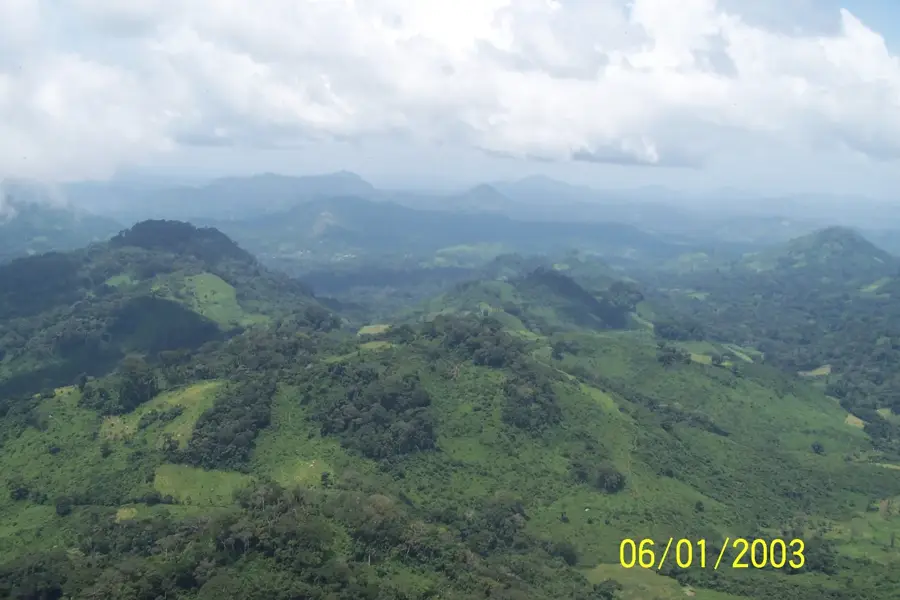
The historic center of Touba, the capital of the Bafing region, is deeply rooted in the history of the Mahou people and the influential Fadika family. Developing in the 19th century, Touba became a prominent religious and commercial hub for the Mahouka, a subgroup of the Malinké people. Set in an easy on the eye hilly landscape near the border with Guinea, the town historically served as a vital junction for the trade of salt, gold, and livestock. The Fadika family played a central role in the town's rise, championing Islamic scholarship and acting as key intermediaries between local ethnic groups and trans-Saharan merchants. The urban core is characterized by traditional mosques and the ancestral estates of founding lineages, which continue to hold significant political and social sway. During the colonial era, Touba was a site of diplomatic maneuvering, where local leaders sought to preserve their autonomy and cultural heritage amidst shifting political tides. Today, the historic center remains a bastion of Mahou identity, blending traditional spiritual practices with its role as a modern administrative seat. It stands as a testament to the enduring legacy of Islamic trade networks and the cultural resilience of the highland peoples of western Côte d'Ivoire.
- Location: Côte d’Ivoire
- Nearby: Biankouma (61 km)
Best time to visit & climate
The most pleasant time to visit is Jan, Nov, Dec.
| Jan | Feb | Mar | Apr | May | Jun | Jul | Aug | Sep | Oct | Nov | Dec | |
|---|---|---|---|---|---|---|---|---|---|---|---|---|
| Avg °C | 26 | 28 | 29 | 28 | 27 | 26 | 25 | 24 | 25 | 25 | 26 | 25 |
| Rain mm | 5 | 27 | 59 | 89 | 107 | 155 | 178 | 234 | 194 | 103 | 30 | 8 |
📋 Practical info
Geography
Facts
- Touba is situated at an elevation of 450 meters, making it one of the higher urban areas in the country.
- The Fadika family has been central to Touba's political and social life since the 19th century.
- The town was a major terminal for the salt-for-kola nut trade between the savanna and the forest.
- Touba is known for its high-quality Islamic manuscripts preserved by local religious families.
- The town serves as the primary administrative center for the Bafing Region near the Guinea border.
- It is famous for the 'Dance of the Stilts' performed during major Mahouka cultural ceremonies.
Explore nearby
Notable places around





Route planner — Car & Motorhome
Where do you start? We build the route here, with stops and country notes along the way.
© OpenStreetMap contributors · OpenRouteService
Sights in the town Historic Center of Touba (1)
Sights nearby
Frequently asked questions
What is the historical center of Touba?
Who is the Fadika family?
Where is Touba located?
What are the most important agricultural products?
When should you visit Touba?
Historic Center of Touba: where is it located?
Historic Center of Touba: when is the best time to visit?
Historic Center of Touba: why is it worth visiting?

Nearby cities
More places