Plizio Visual Lab
Dabou
ℹ️Practical info — Dabou
▾
🌤 Weather — 5 days
📍 Nearby
Sights nearby
💡 Tips
- Dabou is a great day trip from Abidjan, but avoid traveling during rush hours to escape the heavy traffic on the route.
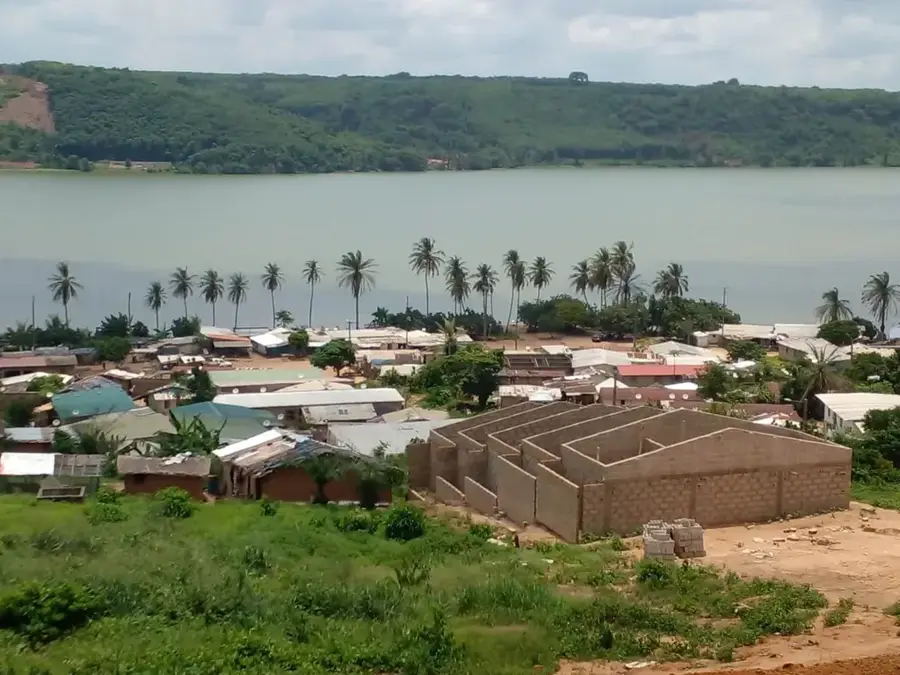
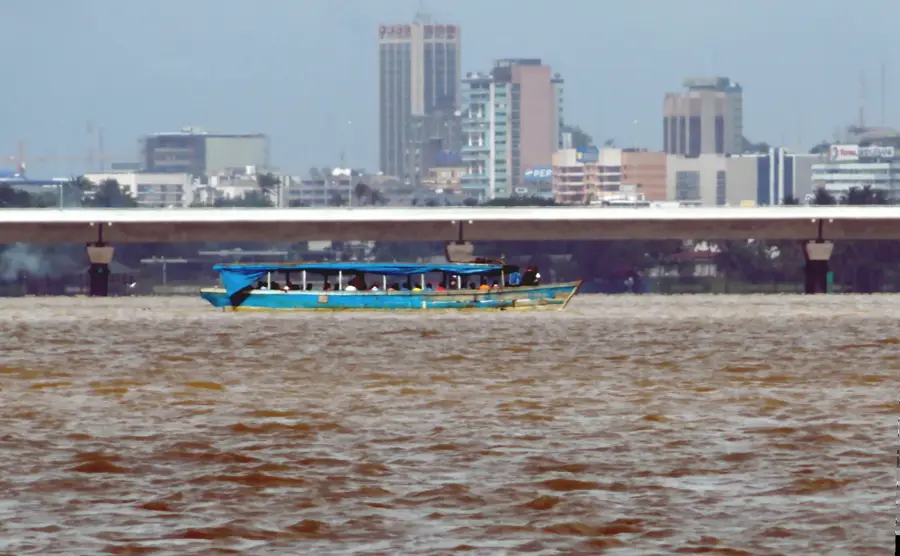
- The Ébrié Lagoon has beautiful views, especially at sunset. Walk along the shore in the late afternoon.
- High humidity is present year-round; light, breathable clothing is an absolute must.
- Shared taxis (woro-woro) are the cheapest and most authentic way to get around town.
🍽 Food
Enjoy this classic Ivorian dish made of fermented cassava couscous at the maquis right along the lagoon.
A popular street food made of attiéké and fried tuna, found at lively street stalls across town.
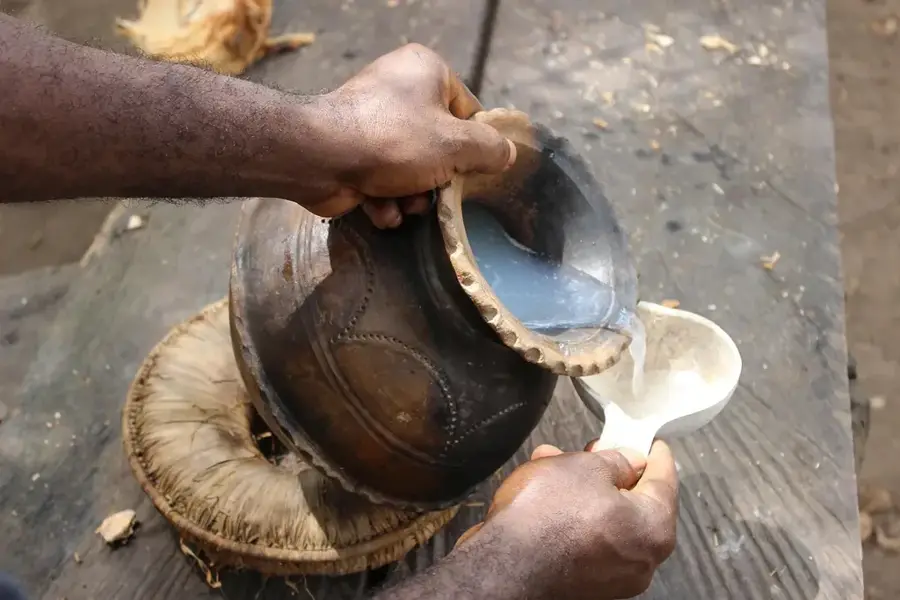
Try the locally tapped fresh palm wine often sold in the surrounding agricultural villages.
🛍 Shopping · 🧘 Quiet spots
A bustling market well-suited for buying fresh tropical produce, local spices, and everyday goods.
Buy fresh, sweet pineapples and bananas directly from farmers' stalls along the roads leading out of town.
Walk along the peaceful stretches of the lagoon to escape the noise of the city center.
The agricultural areas outside town provide a quiet, green retreat with shady walking paths.
Water temperature…
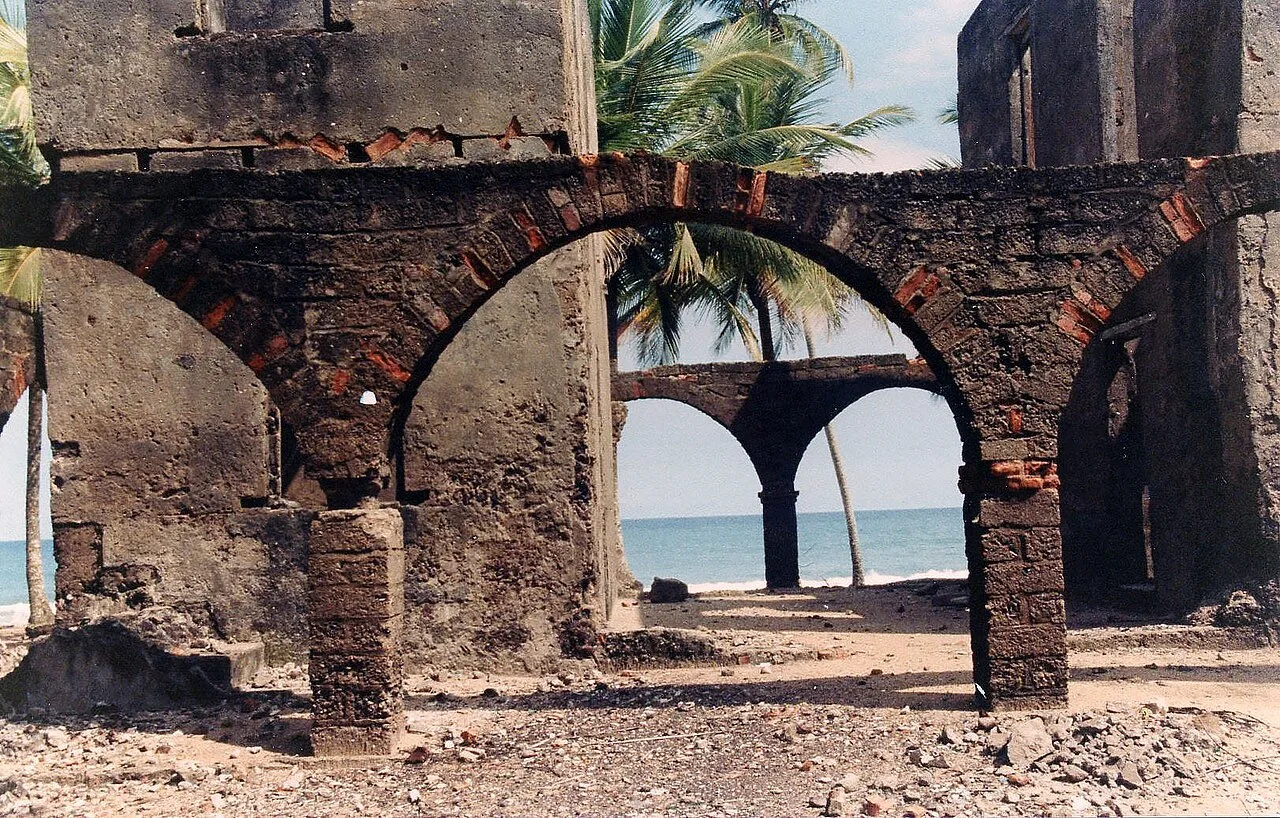
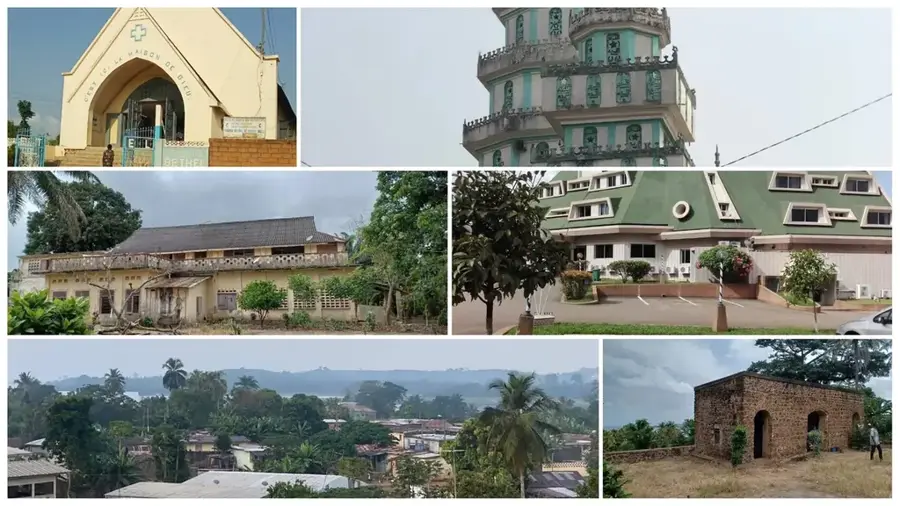
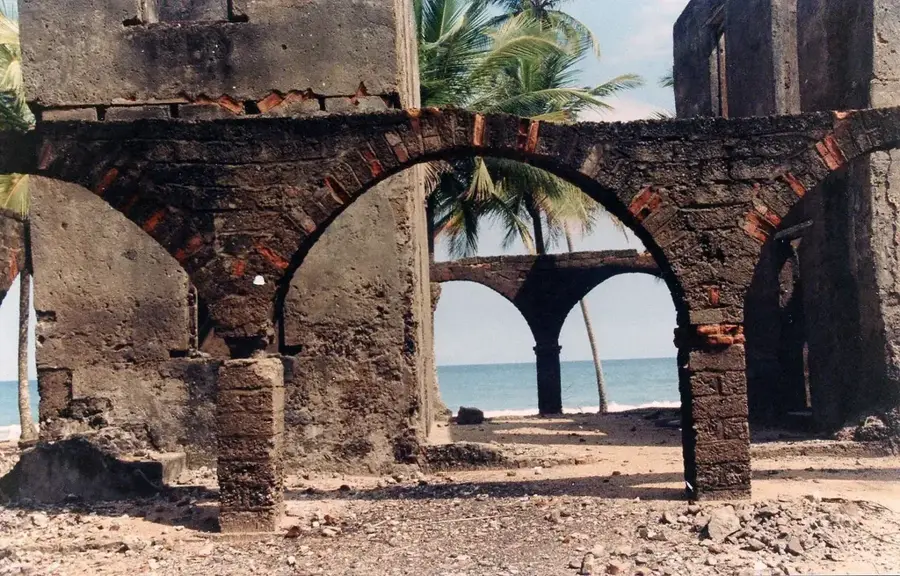
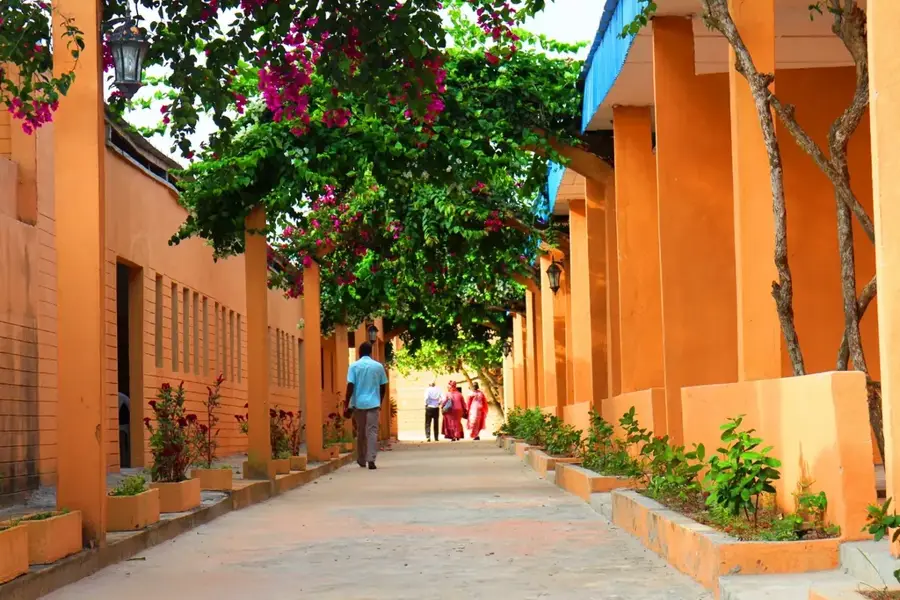
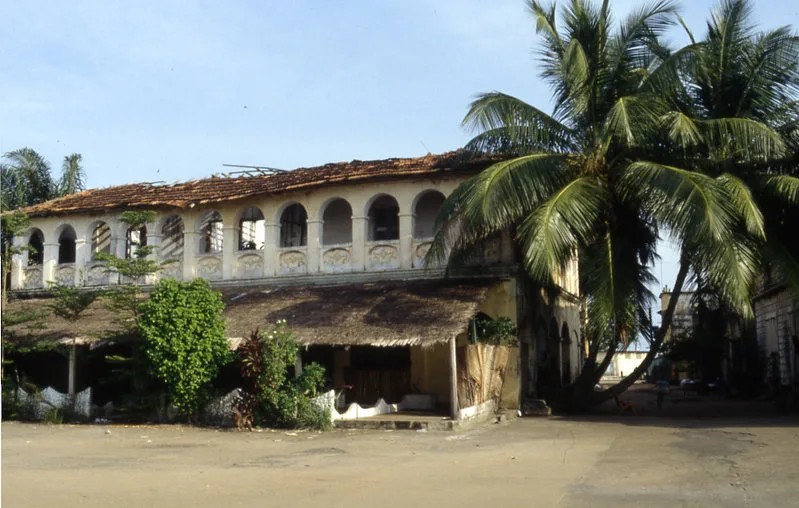
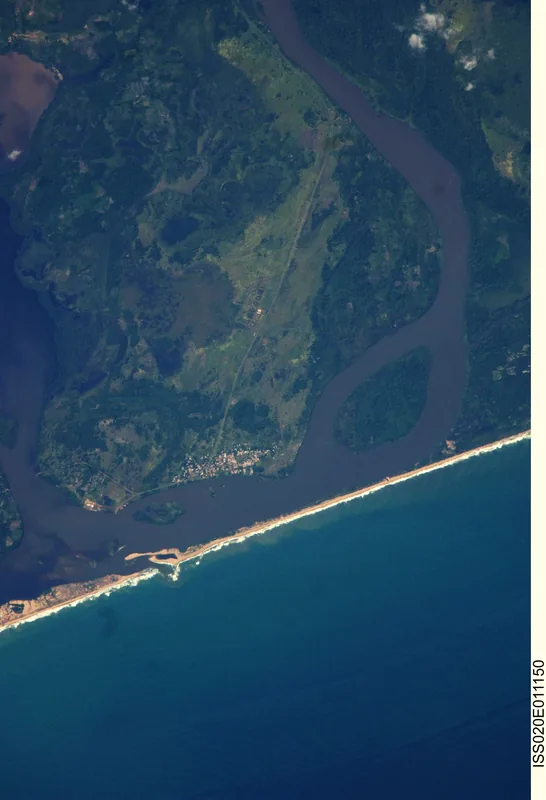
Dabou is a historic city in southern Côte d'Ivoire and the capital of the Grands-Ponts Region. Situated on the shores of the Ébrié Lagoon, approximately 50 kilometers west of Abidjan, it serves as the cultural heartland of the Adjoukrou people. Historically, Dabou rose to prominence with the construction of Fort Faidherbe in 1853, which functioned as a French military outpost to secure colonial trade interests. Geographically, the region consists of fertile coastal plains that support intensive industrial agriculture. Dabou is a leading center for the production of palm oil, rubber, and coconuts, with large-scale plantations dominating the surrounding landscape. A unique cultural feature of the city is the 'Lô' system, a traditional age-grade social organization used by the Adjoukrou to manage community leadership and social hierarchy. The city retains significant colonial-era architecture and is an important educational hub with several established institutes. Today, Dabou acts as a critical link between the economic capital of Abidjan and the western coastal territories. Its lagoon-side location also supports local fishing and water-based transportation networks.
- Location: Côte d’Ivoire
- Nearby: Jacqueville (15 km)
- Population: ~138.083 (2022)
Best time to visit & climate
The most pleasant time to visit is Jan, Jul, Aug.
| Jan | Feb | Mar | Apr | May | Jun | Jul | Aug | Sep | Oct | Nov | Dec | |
|---|---|---|---|---|---|---|---|---|---|---|---|---|
| Avg °C | 27 | 28 | 28 | 27 | 27 | 26 | 25 | 25 | 25 | 26 | 27 | 27 |
| Rain mm | 25 | 61 | 120 | 146 | 187 | 236 | 89 | 47 | 95 | 163 | 106 | 48 |
Geography
Facts
- Home to Fort Faidherbe, which was established in 1853.
- The heart of the Adjoukrou people and their 'Lô' social system.
- A major hub for palm oil processing and refining.
- Features a renowned teacher training center (CAFOP).
- Located along the strategic coastal highway (Route Côtière).
- Famous for its extensive high-quality rubber plantations.
Explore nearby
Notable places around


Route planner — Car & Motorhome
Where do you start? We build the route here, with stops and country notes along the way.
© OpenStreetMap contributors · OpenRouteService
Sights in the town Dabou (1)
Frequently asked questions
By what water is Dabou located?
Who are the Leboutou people?
What is the 'Ebe' rite?
Can you eat fish there?
How far is it from Abidjan?
Dabou: where is it located?
Dabou: when is the best time to visit?
Dabou: why is it worth visiting?

Nearby cities
History & landmarks
Nature
More places