Plizio Visual Lab

Ein Gedi Botanical Garden
Plizio editorial teamData Sources
park
—°3
Ein Gedi Botanical Garden (Israel)

Weather…

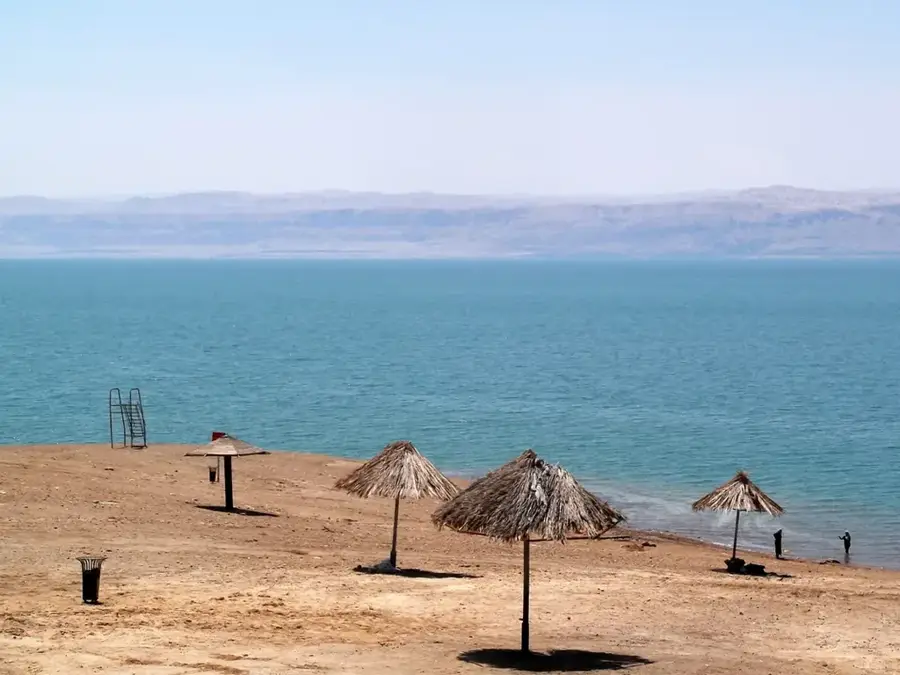
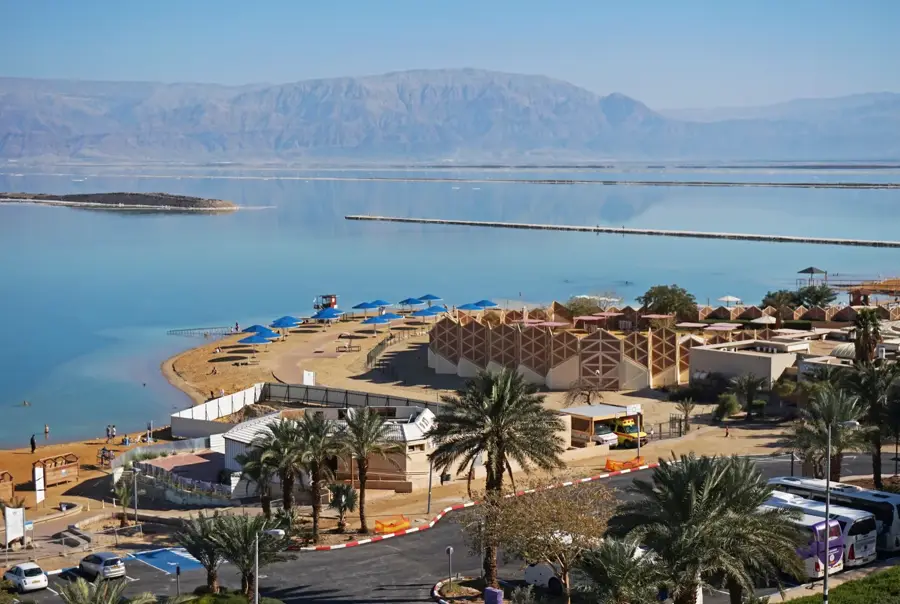
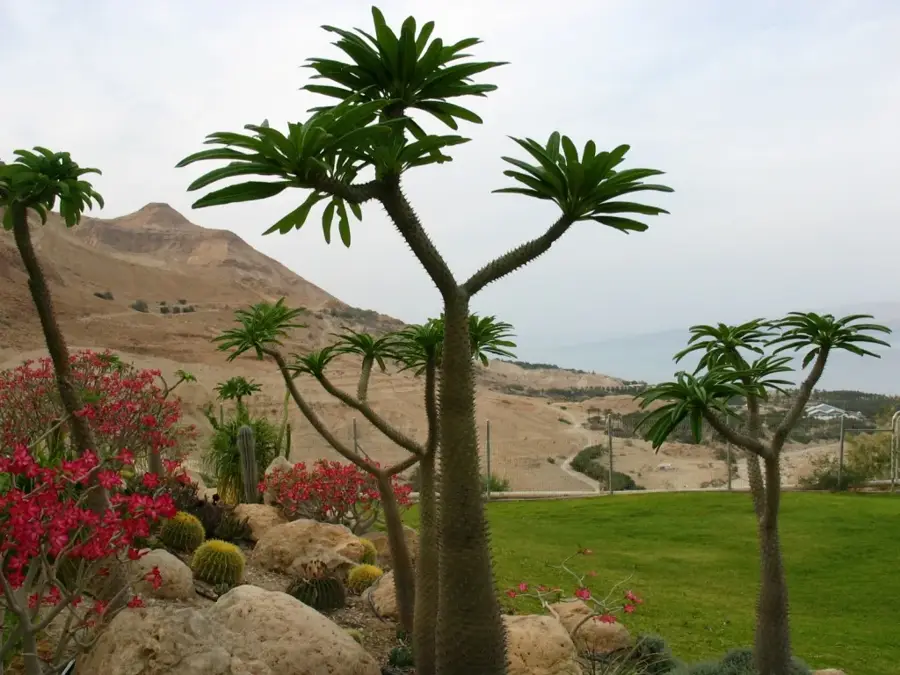
The Ein Gedi Botanical Garden is unique worldwide as it is situated within a populated kibbutz on the shores of the Dead Sea. It was initiated in 1953 with the founding of the kibbutz and was officially recognized by Botanical Gardens Conservation International in 1994. Spanning approximately 10 hectares, the garden houses over 900 plant species, including spectacular desert flora, tropical trees, and plants from biblical regions. The garden is particularly famous for its impressive African baobab trees and its wide variety of cacti and succulents. The plants thrive due to the unique microclimate of the Ein Gedi oasis and are irrigated using local spring water. Visitors can stroll between the residential houses of the kibbutz members, creating a special atmosphere of symbiosis between humanity and nature. The garden serves not only as a scenic attraction but also as a center for preserving rare species and researching floral survival under extreme climatic conditions.

Best time to visit & climate

The most pleasant time to visit is Apr, Oct, Nov.

JanFebMarAprMayJunJulAugSepOctNovDec
Avg °C121417212629303028251914
Rain mm474223115001162033

📋 Practical info

🧭
Getting there
The extensive botanical garden is situated completely set within Kibbutz Ein Gedi, directly on Highway 90 near the legendary Dead Sea. It is very easily and flexibly accessible by private car or by using regular, direct public transport buses.
📅
Best season
The period often spanning from late autumn right through to very early spring features a truly fantastic, wonderfully mild weather for an extensive botanical stroll. Summers in this specific region are extremely hot, making midday visits utterly unbearable.
⛰️
Terrain & paths
The exotic garden is very organically and completely integrated into the lively residential area of the kibbutz and primarily features beautifully paved paths. The entire grounds are very easy, safe, and genuinely convenient to walk on for the vast majority of visitors.
🎒
What to bring
Very light, highly breathable casual clothing and closed, comfortable hiking shoes are undoubtedly handy for the extensive, perfectly paved paths. Always carry extremely sufficient water and strong sun protection in the notoriously dry region of the Dead Sea.
🅿️
Parking
Officially designated, secure visitor parking spaces are conveniently available near the kibbutz main entrance or within the special guest areas. The provided spaces are usually completely sufficiently sized for the typical, average daily volume of international visitors.
⚠️
Safety
This is altogether an extremely safe, wonderfully peaceful residential environment with lovingly cared for, green public spaces. Visitors are simply politely asked to strictly stay on the clearly marked paths and fully respect the privacy of the local kibbutz residents.
⏱️
Time needed
A truly extensive, relaxed, and quiet walk fully through the versatile botanical facilities is estimated to take about one to two hours. A great many tourists logically combine this directly with a beautiful hike in the very nearby, famous nature reserve.

Geography

Coordinates
31.45800, 35.38500

Facts

  • It is the only botanical garden in the world where people actually live.
  • The garden features a collection of over 900 different plant species.
  • It was officially recognized as an international botanical garden in 1994.
  • Massive African baobab trees thrive here despite the desert heat.
  • Irrigation is provided by the natural fresh springs of the Ein Gedi oasis.
  • The site covers an area of approximately 100 dunams (10 hectares).

Explore nearby

Notable places around
Route planner — Car & Motorhome

Where do you start? We build the route here, with stops and country notes along the way.

Vehicle
Only stops with (optional):

© OpenStreetMap contributors · OpenRouteService

Sights in the town Ein Gedi Botanical Garden (3)

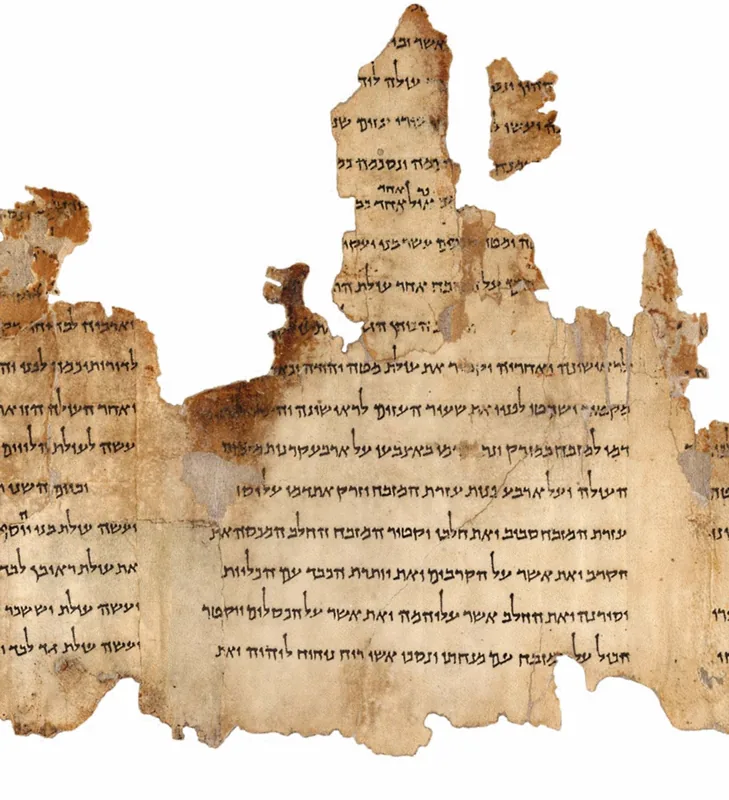
Cave of Letters🌿 nature

A famous cave where important documents from the Bar Kokhba revolt were discovered.

Botanic Garden📍 landmark

A botanical garden within a kibbutz featuring a collection of rare desert plants and baobab trees.

💶

Ein gedi Spa (Abandoned)🎡 recreation

An abandoned spa facility closed due to the dangerous sinkholes on the Dead Sea shore.

Sights nearby

Frequently asked questions

What is special about this garden?
It is the only botanical garden in the world where people live within the plant collection.
What plants can be seen?
Desert flora, giant baobab trees, cacti, and tropical plants from around the world.
Is the garden located inside the kibbutz?
Yes, the gardens span across the entire residential area of Kibbutz Ein Gedi.
Do I need to book a tour?
You can visit individually, but guided tours are available by prior arrangement.
Are pets allowed?
Generally, pets are not allowed within the garden grounds.
Ein Gedi Botanical Garden: where is it located?
Ein Gedi Botanical Garden is located in Israel.
Ein Gedi Botanical Garden: what is there to see?
Highlights include Cave of Letters, Botanic Garden, Ein gedi Spa (Abandoned).
Ein Gedi Botanical Garden: when is the best time to visit?
The most pleasant time to visit is Apr, Oct, Nov.
Ein Gedi Botanical Garden: why is it worth visiting?

The Ein Gedi Botanical Garden is unique worldwide as it is situated within a populated kibbutz on the shores of the Dead Sea.
View on map → The Top 50 Attractions → OpenStreetMap →
Asia
Explore with Plizio Discover more places in Asia
More places in Israel →

Nearby cities

History & landmarks
Nature

More places