Plizio Visual Lab

Slieve Aughty
Plizio editorial teamData Sources
Mountain
—°
Slieve Aughty (Ireland)

Weather…

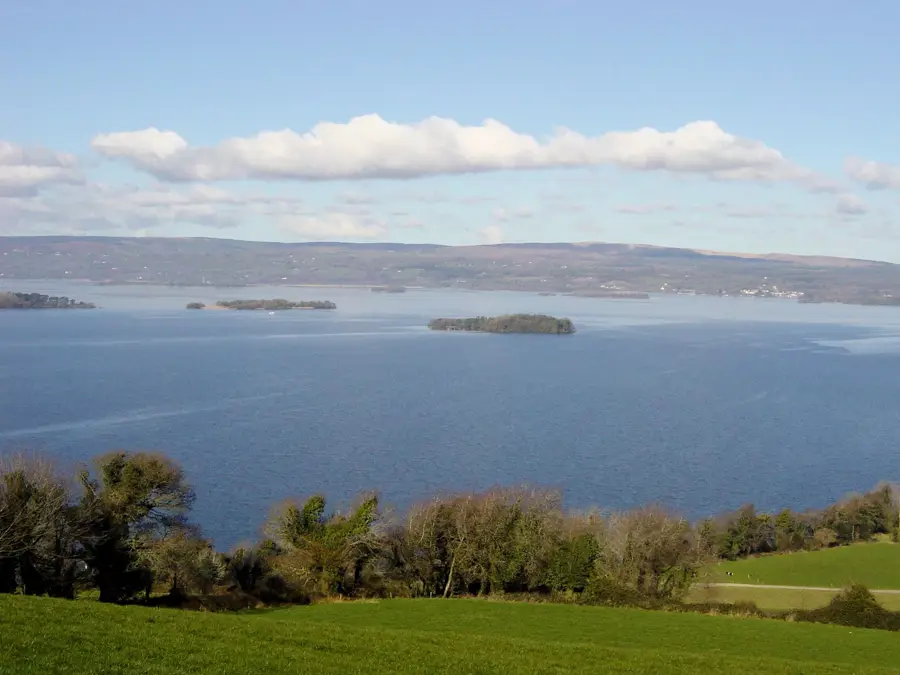
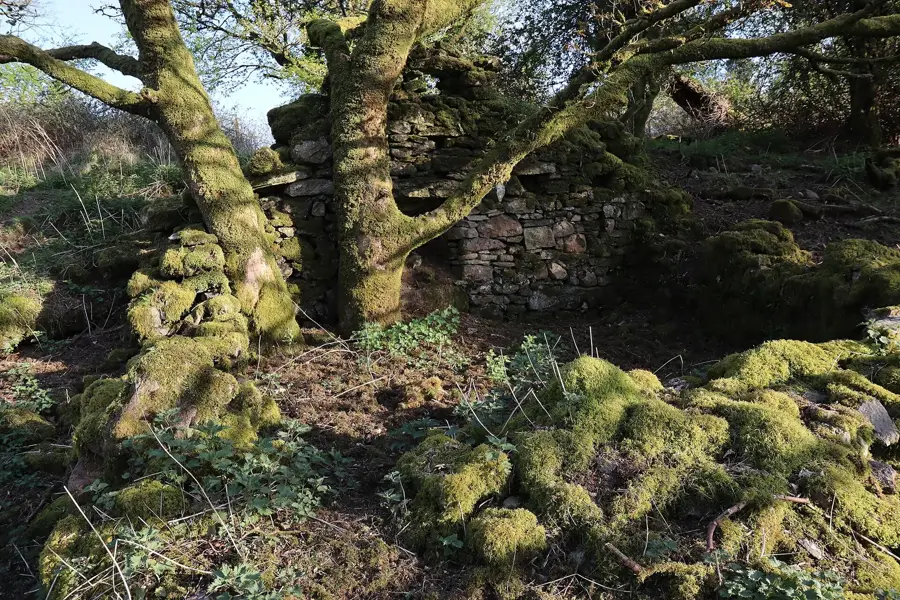
The Slieve Aughty Mountains, also known as Slieve Baughta, are an extensive upland area straddling the border between County Galway and County Clare. Reaching a maximum elevation of about 400 metres, the peaks are gently rounded and covered by vast blanket bogs and commercial coniferous plantations. Geologically, the region is predominantly composed of sandstone and shale, creating a rugged and water-logged landscape. The name Aughty is derived from a figure in Irish mythology, lending the region a mystical significance. The area is designated as a Special Protection Area (SPA) for birds, specifically for the conservation of the endangered hen harrier. Numerous small lakes and rivers originate in these mountains, feeding into the River Shannon and Lough Derg. Today, Slieve Aughty is a destination for eco-tourism, hiking, and mountain biking, where the remote and tranquil nature of the landscape is highly valued.

Best time to visit & climate

The most pleasant time to visit is Jun–Aug.

JanFebMarAprMayJunJulAugSepOctNovDec
Avg °C556811141515131086
Rain mm118928673849010010791108132124

📋 Practical info

🧭
Getting there
Access to the Slieve Aughty region is typically gained via minor roads extending from towns in eastern Clare or southern Galway. The landscape is vast, and many visitors start their explorations from local forestry entrances or rural crossroads.
📅
Best season
The drier months of summer are strongly recommended for hiking here, as the extensive boglands are less saturated. Winter visits are possible on firmer forestry tracks, but venturing onto the open moorland is often too wet and cold to be enjoyable.
⛰️
Terrain & paths
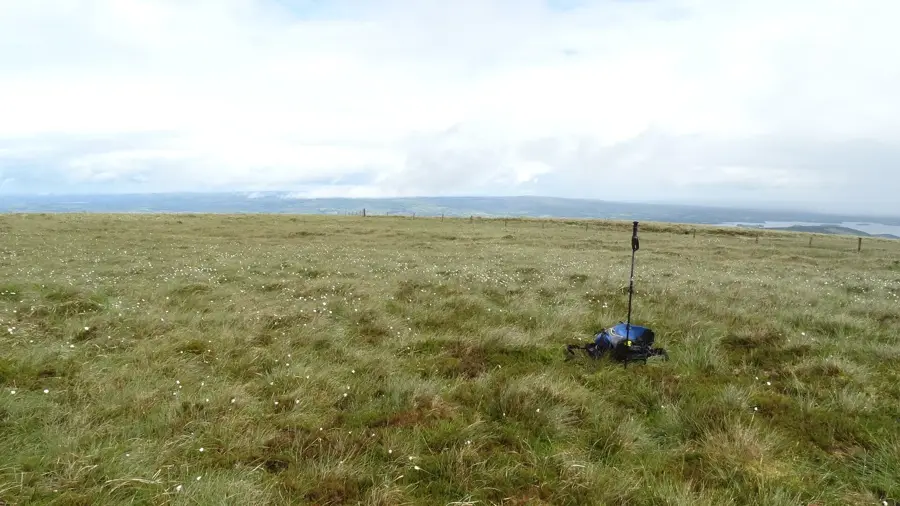
The area features expansive tracts of commercial forestry interspersed with wild, heather-covered blanket bogs. While forestry roads provide solid walking surfaces, leaving these tracks means navigating very soft, challenging ground that requires significant stamina.
🎒
What to bring
High-quality waterproof boots are absolutely essential, especially if you plan to walk beyond the established forestry trails. Always carry full rain protection, a detailed physical map, and a reliable compass due to the featureless nature of the high moorland.
🅿️
Parking
Parking is typically found at the barriers of forestry plantations or in small lay-bys beside the local roads. Ensure you never block the large gates, as logging trucks and local agricultural machinery require constant access to these sites.
⚠️
Safety
Getting disoriented in the vast, rolling bogs is incredibly easy when mist descends over the hills. There are very few natural landmarks, so strict adherence to navigational protocols and awareness of deeply hidden drainage ditches is crucial for safety.
⏱️
Time needed
A substantial hike across the open uplands will generally take around four to five hours, demanding steady pacing. Exploring the maintained forestry loops provides shorter alternative routes that usually take between one and two hours to complete.

Geography

Coordinates
53.06670, -8.51670

Facts

  • The highest point in Slieve Aughty is approximately 400 metres.
  • The range forms the border between County Galway and County Clare.
  • The hen harrier has one of its most important breeding grounds here.
  • Numerous megalithic structures prove early human settlement.
  • The region encompasses over 250 square kilometres of uplands.
  • The Slieve Aughty Way is a popular long-distance walking trail.

Explore nearby

Notable places around
Route planner — Car & Motorhome

Where do you start? We build the route here, with stops and country notes along the way.

Vehicle
Only stops with (optional):

© OpenStreetMap contributors · OpenRouteService

Sights nearby

Frequently asked questions

How difficult is hiking in the Slieve Aughty Mountains?
The terrain consists of rolling hills and forest tracks, making it easily accessible for hikers with moderate fitness.
Where is the best starting point for a hike?
The Slieve Aughty Centre near Loughrea has parking and marked trails into the surrounding nature.
Are there protected wildlife species there?
The area is an important protection zone for the Hen Harrier (Circus cyaneus), a rare bird of prey.
When is the best time to visit?
Between May and September, the paths are drier and the weather is most stable for outdoor activities.
Do I need special equipment?
Waterproof hiking boots and weather-resistant clothing are essential due to the often boggy sections.
Slieve Aughty: where is it located?
Slieve Aughty is located in Ireland.
Slieve Aughty: when is the best time to visit?
The most pleasant time to visit is Jun, Aug.
Slieve Aughty: why is it worth visiting?

The Slieve Aughty Mountains, also known as Slieve Baughta, are an extensive upland area straddling the border between County Galway and County Clare.
View on map → The Top 50 Attractions → Most beautiful beaches → OpenStreetMap →
Europe
Explore with Plizio Discover more places in Europe
More places in Ireland →

Nearby cities